
Why Professional-Grade Hydrogen Inhalation Generators Outperform Cheap Home Devices
Molecular hydrogen (H₂) has emerged as one of the most extensively researched wellness molecules of the past two decades, with over 1,000 peer-reviewed studies exploring its role in cellular health, mitochondrial optimization, and oxidative stress mitigation. Yet not all hydrogen delivery methods—or devices—are created equal. The gap between professional-grade hydrogen inhalation generators and low-cost consumer models is not merely a matter of price; it reflects fundamental differences in bioavailability, therapeutic tissue saturation, hydrogen purity, and long-term reliability. Understanding these distinctions is essential for anyone seeking evidence-based hydrogen therapy for wellness, longevity, or recovery applications.
The Biochemistry of Molecular Hydrogen: Why Method Matters
Molecular hydrogen functions as a selective antioxidant at the cellular level, a property that distinguishes it from conventional broad-spectrum antioxidants. H₂ selectively neutralizes the most cytotoxic reactive oxygen species—specifically hydroxyl radicals (•OH) and peroxynitrite (ONOO⁻)—while preserving beneficial signaling molecules such as hydrogen peroxide and nitric oxide. This selectivity is critical for maintaining homeostatic balance: overly aggressive antioxidant strategies can inadvertently suppress essential cellular signaling pathways that rely on low-level oxidative signaling for immune function, tissue repair, and adaptive stress responses.
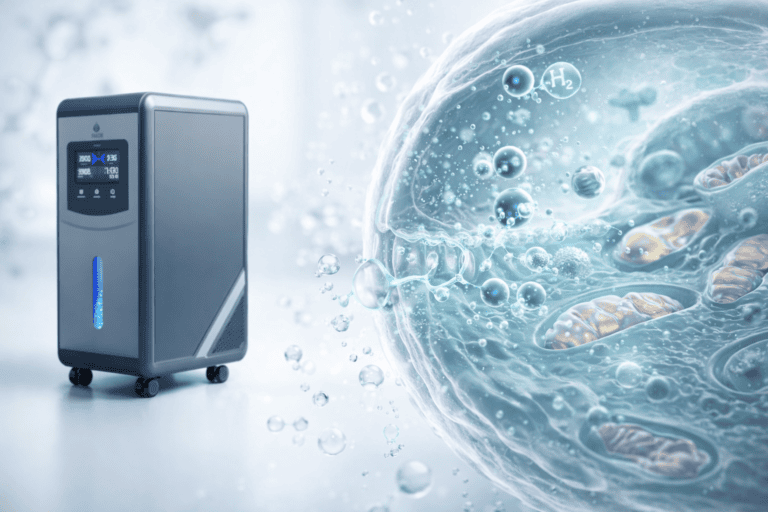
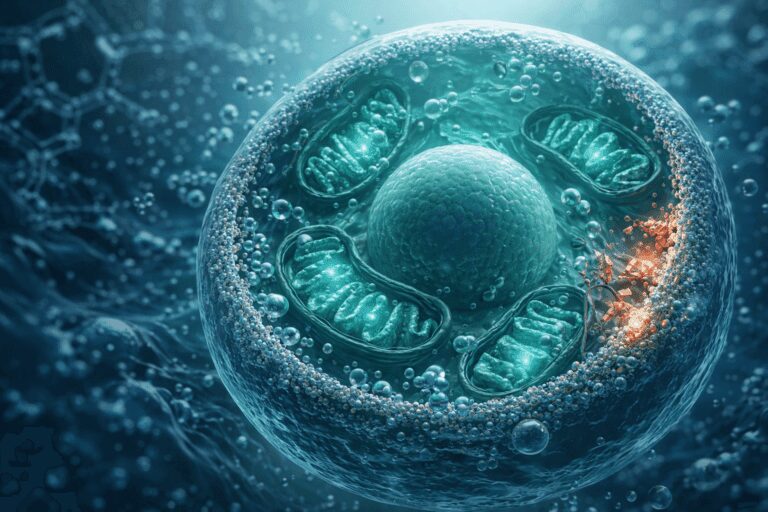
Because molecular hydrogen is the smallest molecule in existence, it exhibits exceptional diffusion kinetics. It crosses the blood-brain barrier, penetrates mitochondrial membranes, and reaches intracellular compartments that larger antioxidants cannot access. This unique bioavailability makes hydrogen an ideal candidate for systemic cellular support—but only when delivery methods achieve therapeutically relevant tissue concentrations.
Inhalation vs. Ingestion: A Question of Saturation
Hydrogen can be delivered via water ingestion or direct inhalation. While hydrogen-enriched water offers convenience and modest benefits, the dissolved hydrogen concentration in water is limited by the physical solubility of H₂ at standard temperature and pressure—typically between 0.8 and 1.6 parts per million (ppm) in consumer-grade hydrogen water devices. Even at saturation, a single glass of hydrogen water delivers only micromolar concentrations to tissues, and much of the hydrogen is lost through normal respiration and gastric off-gassing before systemic absorption.
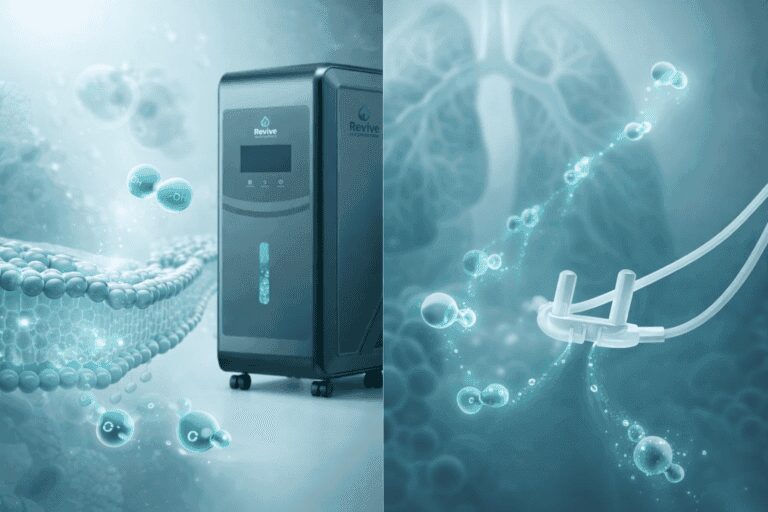
Inhalation, by contrast, delivers molecular hydrogen directly to the bloodstream via the alveolar-capillary interface in the lungs, where it rapidly equilibrates with arterial blood and distributes throughout the body. High-output hydrogen inhalation generators can deliver millimolar tissue concentrations—orders of magnitude greater than water ingestion alone—making inhalation the preferred modality for passive wellness applications, athletic recovery, and mitochondrial support protocols.
What Separates Professional-Grade Hydrogen Inhalation Generators from Consumer Models
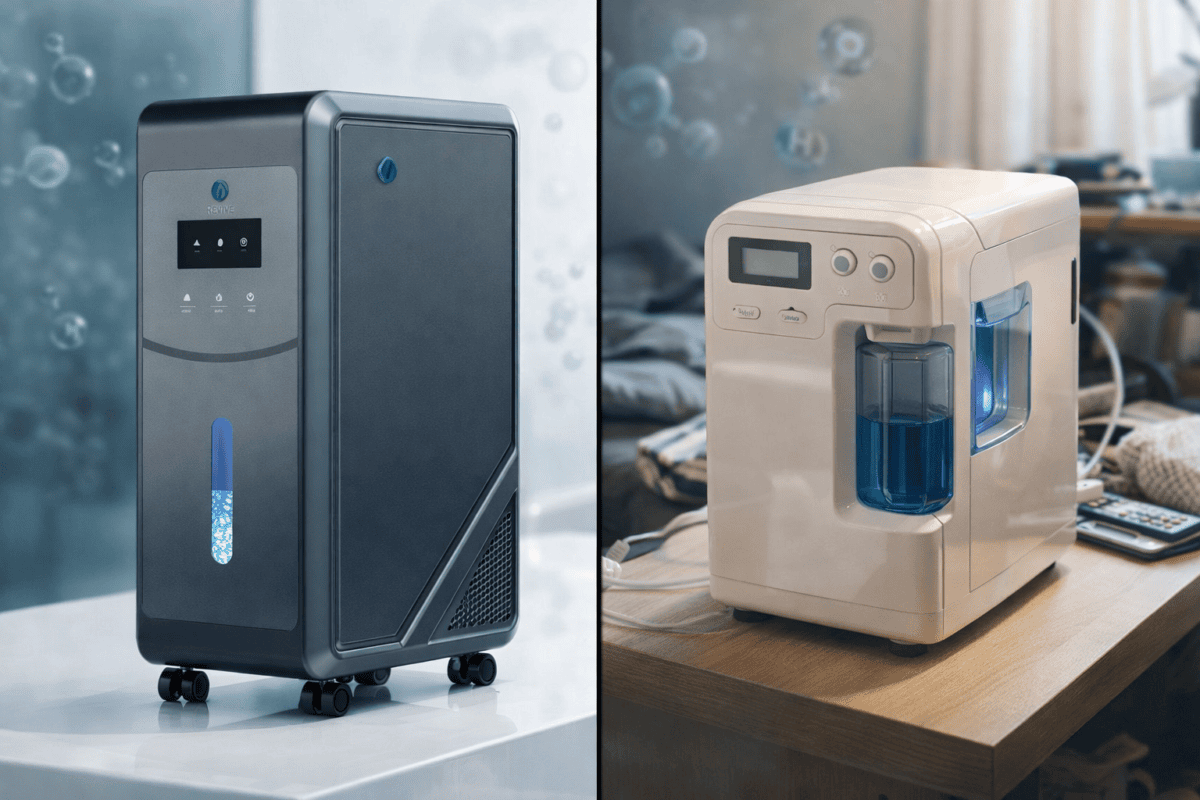
The market for hydrogen devices has expanded rapidly, but quality varies dramatically. Budget models—often priced under $500—typically use low-grade electrolysis cells, unverified hydrogen purity, and inconsistent output rates. These limitations compromise both efficacy and safety. Professional-grade systems, by contrast, are engineered for clinical and high-performance wellness environments where precision, reliability, and evidence-based outcomes are non-negotiable.
Hydrogen Purity and Output Specifications
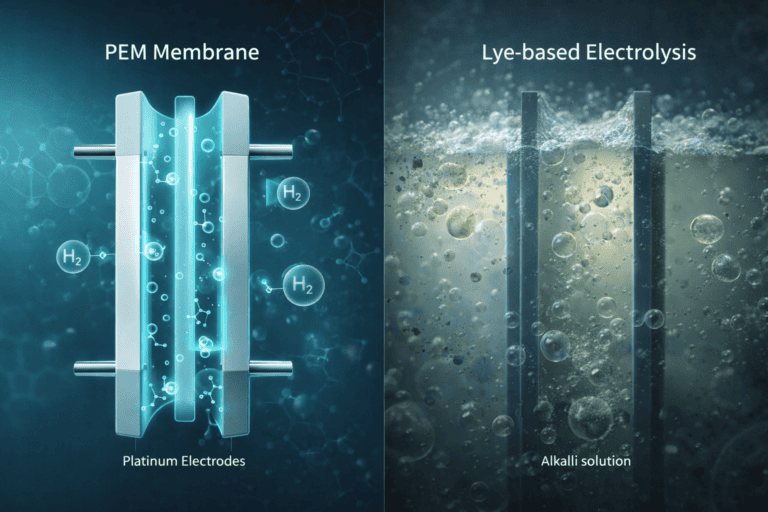
Hydrogen purity is not a trivial specification. Electrolysis processes can produce trace contaminants—including ozone, chlorine compounds, and metal particulates—if electrode materials, membrane integrity, or water quality are substandard. Professional-grade hydrogen inhalation generators employ platinum-coated titanium electrodes and advanced proton exchange membrane (PEM) technology to ensure hydrogen purity exceeding 99.99%, verified by independent third-party laboratories. This level of purity is essential for long-term use and minimizes the risk of inhaling unwanted byproducts.
Flow rate is equally critical. Therapeutic protocols documented in clinical research typically involve hydrogen delivery rates of 500 to 2,000 milliliters per minute (ml/min) of pure H₂. Consumer-grade models often deliver diluted hydrogen-air mixtures at concentrations of 1–4%, requiring users to inhale for extended periods to achieve meaningful tissue saturation. High-output professional systems, however, generate pure molecular hydrogen at rates up to 2,000 ml/min or more, enabling efficient 30- to 60-minute sessions with clinically relevant dosing.
Build Quality, Certification, and Longevity
Professional-grade hydrogen generators are manufactured under stringent quality management systems, often certified to ISO 9001 standards and compliant with international safety certifications including CE and RoHS. These devices feature advanced water purification protocols—such as integrated UV-C disinfection—to prevent microbial contamination during continuous operation. Premium models support extended runtime (up to 8 hours) and dual-user capability, making them suitable for shared household use or clinical settings.
Cheap home devices, by comparison, frequently lack third-party testing, use low-grade plastics and electrodes prone to degradation, and offer minimal operational transparency. The absence of verified specifications makes it impossible to determine actual hydrogen delivery rates or purity levels, undermining the credibility of any purported wellness benefits.
Evidence-Based Cellular and Systemic Wellness Benefits of Molecular Hydrogen
Research into molecular hydrogen spans diverse areas of cellular health and physiological optimization. While no wellness device should claim to diagnose, treat, or cure any disease, the peer-reviewed literature on H₂ provides a robust foundation for understanding its potential role in holistic wellness strategies:
- Mitochondrial optimization: H₂ supports mitochondrial membrane potential and ATP production efficiency, key factors in cellular energy metabolism and resilience against oxidative stress.
- Inflammatory modulation: Molecular hydrogen influences cytokine signaling pathways and may support balanced inflammatory responses at the cellular level.
- Neuroprotective signaling: By crossing the blood-brain barrier, H₂ reaches neurons and glial cells, where it interacts with oxidative stress pathways implicated in cognitive aging and neurological health.
- Post-exercise recovery: Studies indicate that hydrogen inhalation may reduce markers of muscle fatigue and oxidative damage following intense physical exertion, supporting faster recovery times.
- Cardiovascular wellness: Emerging evidence suggests H₂ may influence endothelial function and vascular health through modulation of nitric oxide signaling and reduction of peroxynitrite formation.
Achieving these outcomes, however, requires consistent delivery of therapeutic hydrogen concentrations—a standard that only high-output, professional-grade hydrogen inhalation generators can reliably meet.
Related reading: Hydrogen and Cellular Health · Compare All Three Generator Models
New to hydrogen inhalation? Download our free Beginner’s Guide to Hydrogen Inhalation for a plain-language primer on what H₂ is, how inhalation works, and how to choose a generator.
Bring This Technology Home
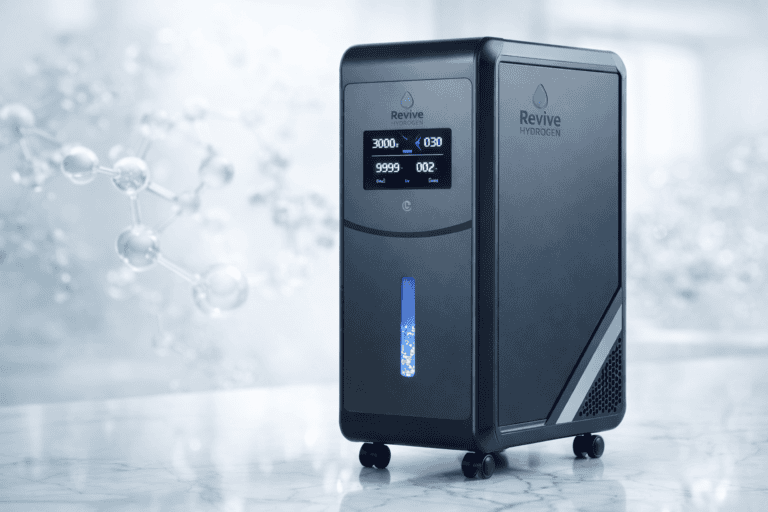
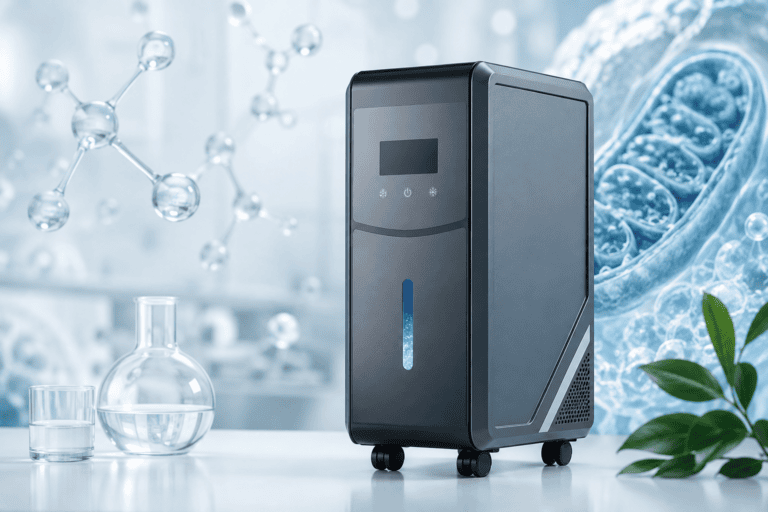
For those seeking evidence-based, professional-grade hydrogen technology for home or clinical use, Revive Hydrogen offers a solution engineered to the highest standards. Based in Dry Ridge, Kentucky, Revive Hydrogen specializes in high-flow hydrogen generators built on advanced PEM electrolysis technology, featuring platinum-coated titanium electrodes and DuPont N117 membranes. Available in three flow tiers—HYD-1500, HYD-1800, and HYD-3000—these systems deliver independently verified hydrogen purity of 99.992% and flow rates up to 2,000 ml/min of pure molecular H₂ (3,000 ml/min total output including separated oxygen). Manufactured under ISO 9001-certified quality management and compliant with CE and RoHS standards, each unit includes integrated UV-C water disinfection, programmable session timers, and dual-user capability. Molecular hydrogen research continues to expand across mitochondrial health, oxidative stress modulation, and recovery applications—areas where professional-grade hydrogen technology is positioning itself as an essential wellness tool for the modern era.