
Professional-Grade Hydrogen Generators vs. Cheap Home Devices: Why Quality Matters for Cellular Wellness
Not all molecular hydrogen delivery systems are created equal. While the wellness industry has seen an explosion of low-cost hydrogen water bottles and basic electrolysis devices, the reality is stark: achieving therapeutic tissue saturation and meaningful oxidative stress mitigation requires professional-grade output that most consumer gadgets simply cannot deliver. If you’re serious about harnessing molecular hydrogen (H₂) for mitochondrial optimization, recovery, and longevity, understanding the profound differences between a true hydrogen inhalation generator and budget-tier alternatives is essential.
This article examines the science behind molecular hydrogen’s selective antioxidant properties, why inhalation delivers superior systemic bioavailability compared to ingestion alone, and what separates clinical-grade equipment from novelty devices that may look appealing but fall short where it matters most: at the cellular level.
The Biochemistry That Demands Quality: How Molecular Hydrogen Works
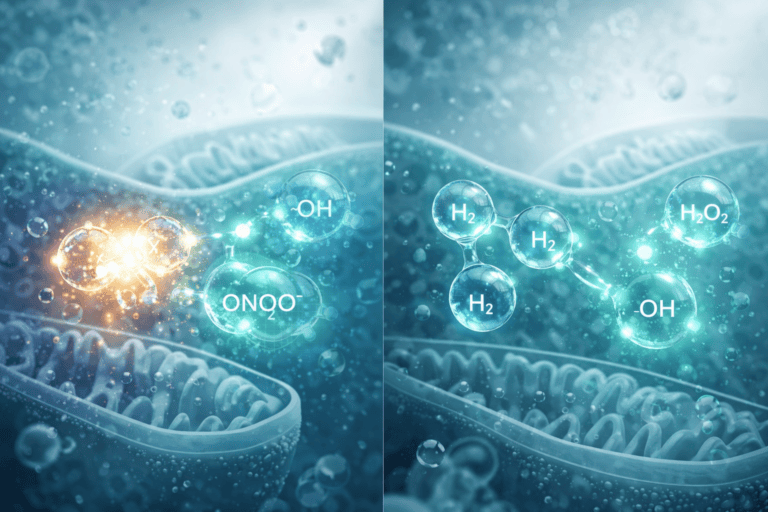
Molecular hydrogen functions as a selective antioxidant, a distinction that sets it apart from conventional antioxidants like vitamin C or vitamin E. Rather than indiscriminately scavenging all reactive oxygen species (ROS), H₂ specifically targets the most cytotoxic oxidants—namely hydroxyl radicals (•OH) and peroxynitrite (ONOO⁻)—while leaving beneficial signaling molecules like hydrogen peroxide (H₂O₂) intact.
This selectivity is critical. Hydrogen peroxide and superoxide, at physiological concentrations, play vital roles in immune signaling, cellular growth regulation, and adaptive stress responses. Blanket antioxidant supplementation can interfere with these homeostatic processes. Molecular hydrogen, by contrast, neutralizes only the highly damaging species implicated in DNA damage, lipid peroxidation, and protein oxidation, supporting cellular resilience without disrupting normal redox signaling.
Beyond direct radical scavenging, H₂ modulates gene expression through pathways like Nrf2 activation, upregulating endogenous antioxidant enzymes such as catalase, superoxide dismutase, and glutathione peroxidase. It also exerts anti-inflammatory effects by dampening NF-κB signaling and reducing pro-inflammatory cytokine cascades. The net result is mitochondrial optimization, enhanced energy metabolism, and improved homeostatic balance across tissues.
Why Concentration and Delivery Method Matter
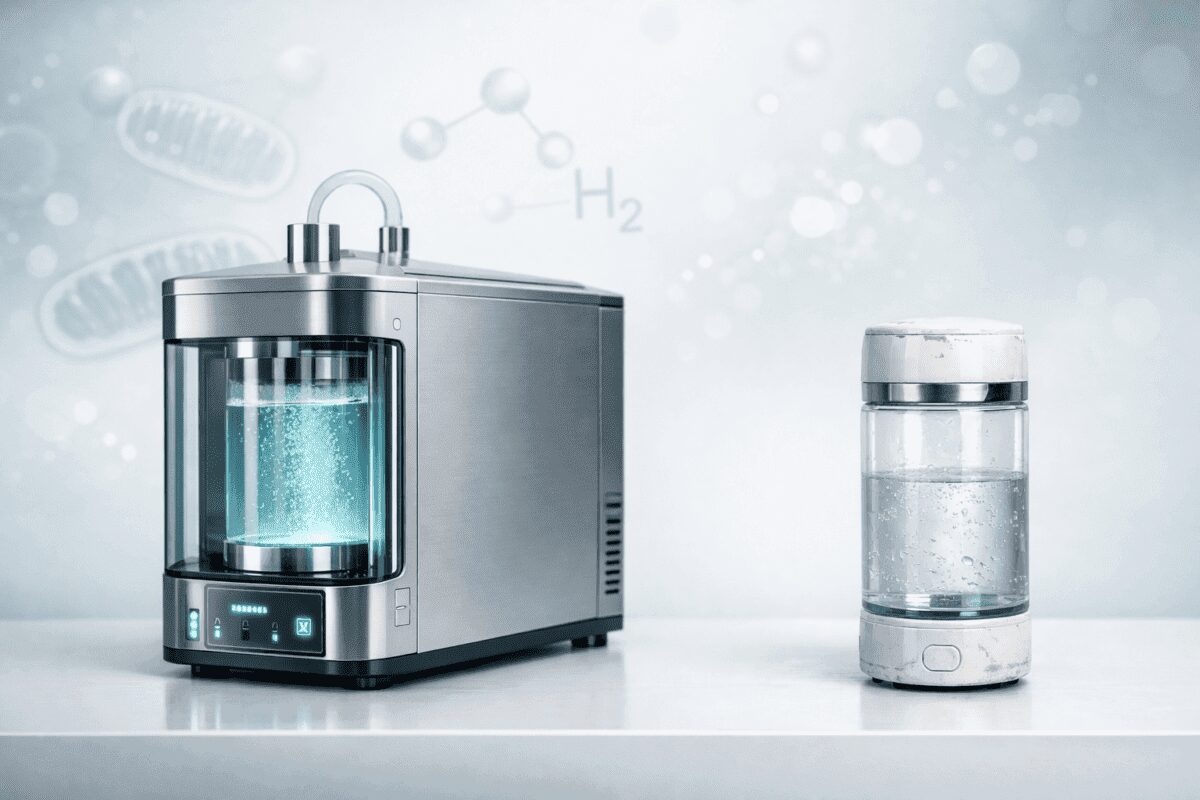
To achieve these effects, molecular hydrogen must reach therapeutic concentrations in the bloodstream and tissues. This is where the chasm between professional-grade equipment and cheap devices becomes glaring. Low-output hydrogen water bottles typically produce H₂ concentrations between 0.5–1.5 parts per million (ppm) in water. While drinking hydrogen-enriched water offers some benefit, the total dose absorbed through the gastrointestinal tract is limited by water volume, gastric residence time, and the rapid off-gassing of H₂ from aqueous solution.
Inhalation, by contrast, delivers molecular hydrogen directly into the lungs and bloodstream, bypassing digestive limitations and enabling rapid, systemic distribution. High-output hydrogen inhalation generators can produce 150–600 milliliters of H₂ gas per minute or more, saturating tissues far more efficiently than oral ingestion. This is not a marginal difference—it’s a fundamental shift in therapeutic potential.
What Defines a Professional-Grade Hydrogen Inhalation Generator
Professional hydrogen inhalation systems are engineered for sustained, high-purity output and clinical reliability. Here’s what separates them from consumer-grade novelties:
- High H₂ Production Capacity: True clinical-grade generators produce 300–600 mL/min of molecular hydrogen, delivering therapeutic doses during 30–60 minute sessions. Budget devices often produce less than 100 mL/min, requiring impractically long sessions to achieve similar tissue saturation.
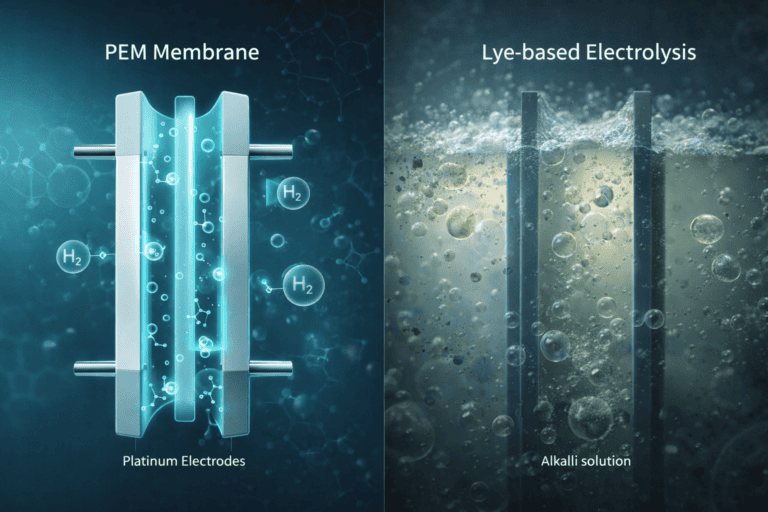
- Purity and Safety: Professional units employ advanced proton exchange membrane (PEM) or alkaline electrolysis with rigorous gas separation, ensuring you inhale pure H₂ without contamination from ozone, chlorine, or other electrolysis byproducts. Cheap devices often lack adequate separation, posing safety and efficacy risks.
- Build Quality and Longevity: Medical-grade components, stainless steel chambers, and robust filtration systems ensure consistent performance over thousands of hours. Low-cost units frequently use plastic reservoirs, weak electrodes, and minimal filtration, degrading rapidly and delivering inconsistent output.
- User Experience and Compliance: Professional generators feature quiet operation, intuitive controls, and comfortable nasal cannulas or face masks designed for extended use. Poor design in budget units leads to user fatigue, low compliance, and ultimately, suboptimal results.
- Evidence-Based Design: Leading manufacturers base output specifications on published research protocols, aligning device performance with the concentrations and durations studied in clinical trials. Consumer gadgets often make vague wellness claims without substantiating their output against scientific benchmarks.
The Hidden Costs of Choosing Cheap Devices
Budget hydrogen water bottles and low-output electrolyzers may seem like cost-effective entry points, but they often represent false economy. Users quickly discover limitations: insufficient output, frequent maintenance, poor build quality, and marginal physiological impact. Many abandon the technology entirely, never experiencing the true potential of therapeutic hydrogen inhalation.
More concerning is the variability in actual hydrogen output. Independent testing has revealed that many advertised “hydrogen generators” produce negligible H₂ concentrations, relying on marketing hype rather than measurable performance. Without third-party verification, lab testing, or transparent specifications, consumers risk investing in devices that deliver little more than placebo.
Inhalation as the Gold Standard for Systemic Cellular Support
Research increasingly points to inhalation as the optimal delivery route for molecular hydrogen therapy. Studies on post-exercise recovery, neuroprotection, metabolic health, and inflammatory conditions have predominantly utilized inhalation protocols, reflecting the method’s superior bioavailability and dosing precision.
When H₂ is inhaled, it diffuses rapidly across alveolar membranes, entering the bloodstream within seconds and distributing throughout the body—including the brain, heart, liver, and skeletal muscle. This passive, systemic delivery supports cellular resilience wherever oxidative stress and inflammation are present, making it ideal for whole-body wellness and recovery optimization.
Related reading: Hydrogen and Cellular Health · Compare All Three Generator Models
New to hydrogen inhalation? Download our free Beginner’s Guide to Hydrogen Inhalation for a plain-language primer on what H₂ is, how inhalation works, and how to choose a generator.
Bring This Technology Home
For individuals, clinicians, and wellness practitioners seeking the full spectrum of molecular hydrogen’s cellular benefits, investing in a professional-grade system is non-negotiable. The Revive Hydrogen Generator represents the pinnacle of home and clinical hydrogen inhalation technology—engineered for safety, efficacy, and uncompromising performance.
Designed with medical-grade components and validated output specifications, the Revive Hydrogen system delivers therapeutic H₂ concentrations that align with published research protocols. Whether you’re supporting post-workout recovery, cognitive function, metabolic health, or simply pursuing a proactive longevity strategy, this is the tool that bridges the gap between consumer novelty and clinical-grade intervention.
Explore the science, compare the specifications, and experience the difference that true professional-grade hydrogen inhalation makes. Your cells—and your long-term wellness—deserve nothing less.