
Unlocking Peak Cellular Performance: How Molecular Hydrogen Therapy Optimizes Mitochondrial Function
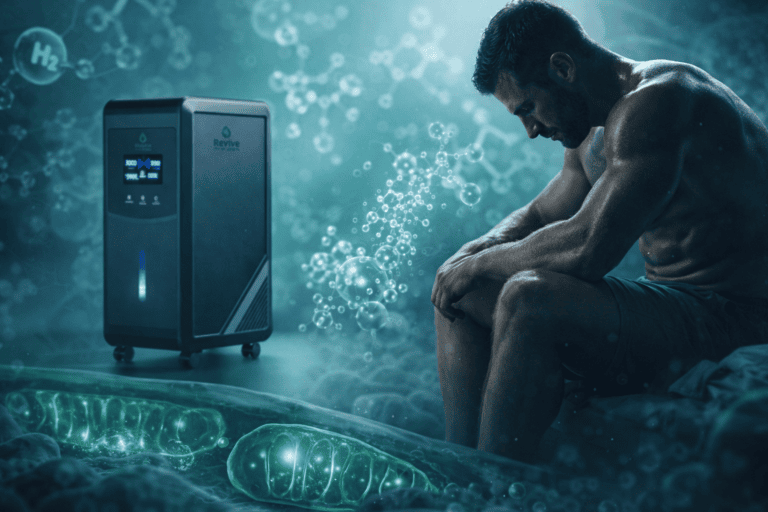
Every cell in your body relies on a delicate balance between energy production and oxidative stress management. At the center of this cellular economy are your mitochondria—the microscopic powerhouses responsible for generating over 90% of the energy your tissues need to function, repair, and thrive. When mitochondrial efficiency declines, cellular energy falters, recovery slows, and the aging process accelerates. Emerging research reveals that molecular hydrogen therapy offers a uniquely sophisticated approach to supporting mitochondrial optimization, neutralizing toxic oxidative byproducts, and restoring homeostatic balance at the cellular level.
The Mitochondrial Energy Crisis: Where Oxidative Stress Meets Cellular Decline
Mitochondria produce cellular energy in the form of adenosine triphosphate (ATP) through a complex process called oxidative phosphorylation. While remarkably efficient, this process inevitably generates reactive oxygen species (ROS) as metabolic byproducts. In measured amounts, certain ROS—such as hydrogen peroxide—serve beneficial roles in cellular signaling, immune function, and adaptive stress responses. However, when production overwhelms your body’s antioxidant defenses, an imbalance known as oxidative stress develops.
Among the most destructive oxidative species are hydroxyl radicals (•OH) and peroxynitrite (ONOO-). These highly reactive molecules indiscriminately damage mitochondrial DNA, proteins, and lipid membranes, progressively impairing energy production capacity. Over time, accumulated oxidative damage compromises mitochondrial integrity, contributing to fatigue, impaired recovery, accelerated cellular aging, and diminished resilience across all physiological systems.
Why Conventional Antioxidants Fall Short
Traditional antioxidant supplements—vitamins C and E, CoQ10, resveratrol—operate through broad-spectrum radical scavenging. While potentially beneficial, this approach carries a significant limitation: these antioxidants cannot distinguish between harmful and beneficial reactive species. By neutralizing all ROS indiscriminately, conventional antioxidants may inadvertently disrupt critical cellular signaling pathways, potentially interfering with hormetic stress responses that drive cellular adaptation and resilience.
Molecular Hydrogen: The Selective Antioxidant Advantage
Molecular hydrogen (H₂) represents a paradigm shift in oxidative stress mitigation. Unlike conventional antioxidants, H₂ functions as a selective antioxidant, specifically targeting the most cytotoxic reactive species—hydroxyl radicals and peroxynitrite—while preserving beneficial signaling molecules like hydrogen peroxide and superoxide. This selectivity allows molecular hydrogen therapy to provide protective antioxidant effects without disrupting the beneficial oxidative signaling necessary for cellular adaptation, immune function, and metabolic regulation.
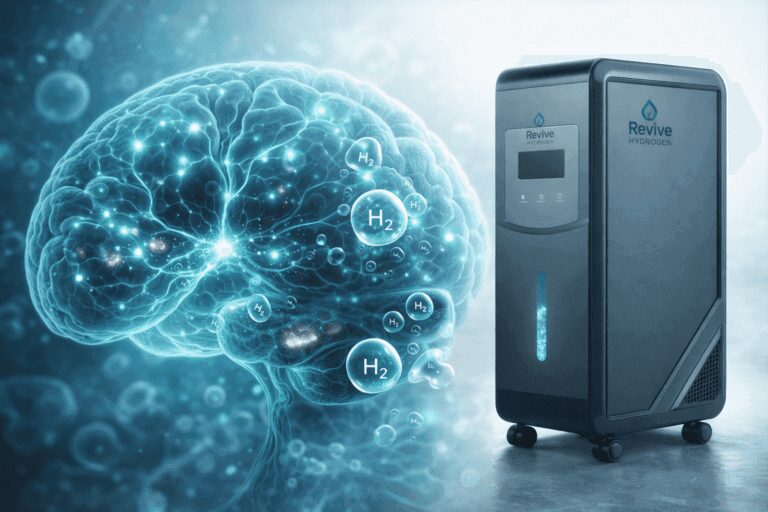
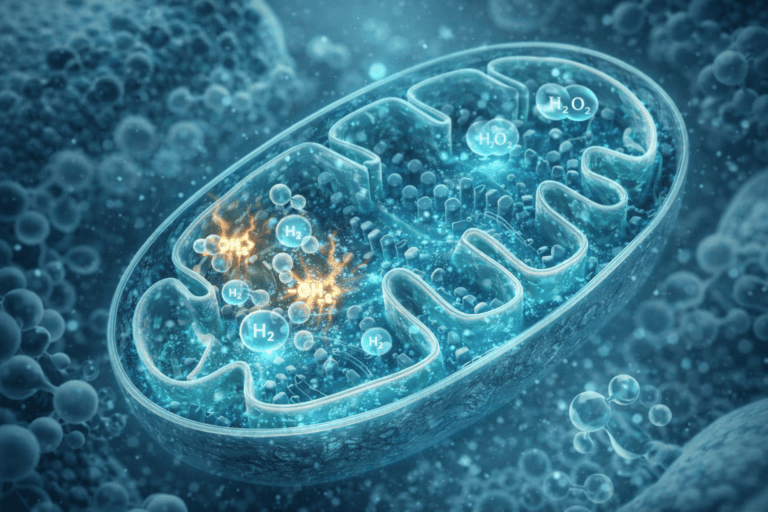
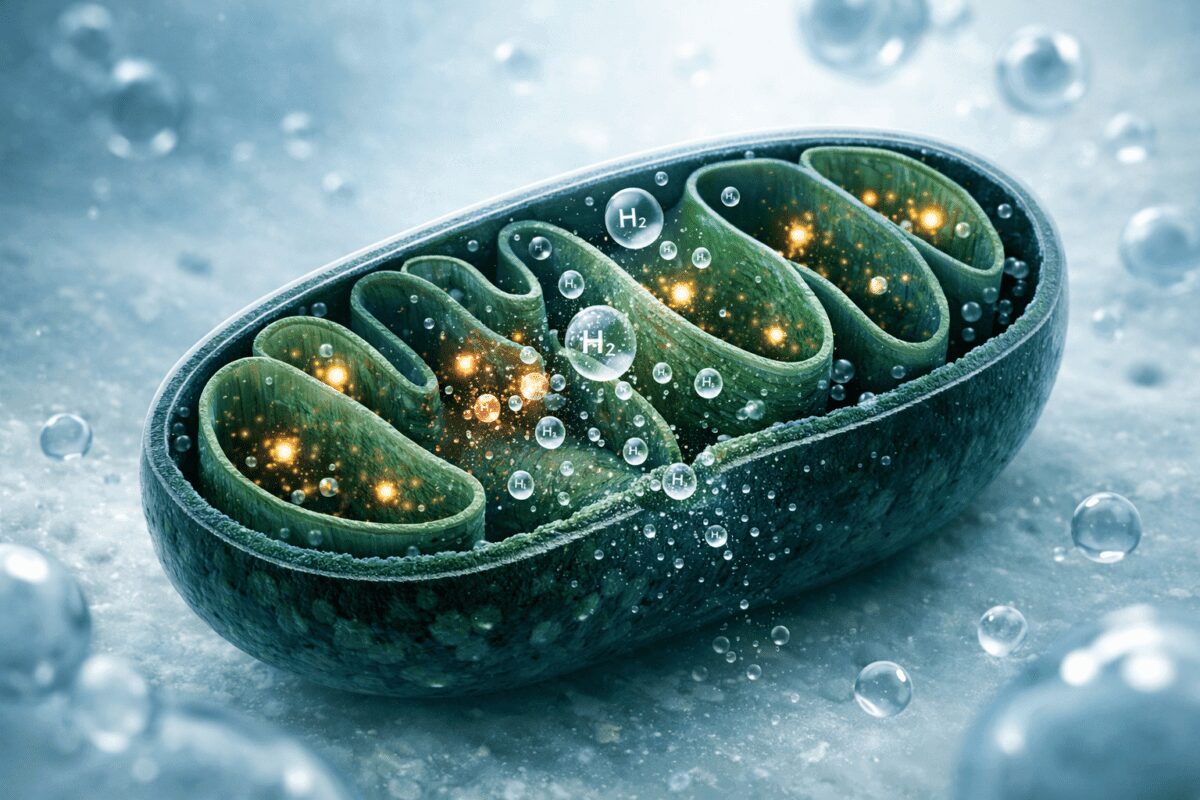
The selective mechanism is rooted in molecular hydrogen’s unique physicochemical properties. H₂ is the smallest and most bioavailable molecule in existence, with an exceptional ability to diffuse rapidly across cellular membranes, penetrate mitochondrial structures, and even cross the blood-brain barrier. Once inside mitochondria, hydrogen molecules directly neutralize hydroxyl radicals through a simple reduction reaction, converting these highly destructive species into harmless water while leaving the cellular signaling architecture intact.
Evidence-Based Mechanisms Supporting Mitochondrial Optimization
Peer-reviewed research demonstrates that molecular hydrogen therapy influences mitochondrial function through multiple complementary pathways:
- Direct Radical Scavenging: H₂ selectively neutralizes hydroxyl radicals and peroxynitrite, reducing oxidative damage to mitochondrial components and preserving energy production capacity.
- Gene Expression Modulation: Hydrogen activates the Nrf2-Keap1 pathway, upregulating endogenous antioxidant enzymes including superoxide dismutase, catalase, and glutathione peroxidase—enhancing your cells’ intrinsic defense systems.
- Anti-Inflammatory Signaling: H₂ modulates pro-inflammatory cytokine cascades, reducing chronic low-grade inflammation that impairs mitochondrial biogenesis and cellular repair.
- Mitochondrial Membrane Protection: By reducing lipid peroxidation, molecular hydrogen preserves mitochondrial membrane integrity, supporting optimal electron transport chain function and ATP synthesis efficiency.
- Apoptotic Regulation: Hydrogen influences programmed cell death pathways, promoting the selective removal of dysfunctional mitochondria while supporting the survival of healthy cellular populations.
Achieving Therapeutic Tissue Saturation: The Inhalation Advantage
While hydrogen-enriched water offers convenience and modest benefits, achieving the tissue concentrations necessary for meaningful mitochondrial support requires significantly higher delivery rates. Hydrogen gas inhalation therapy provides systemic, passive delivery of molecular hydrogen at concentrations far exceeding what water ingestion can accomplish.
Professional-grade hydrogen inhalation generators produce continuous, high-purity H₂ gas streams, typically delivering 200–600 milliliters of molecular hydrogen per minute. This sustained delivery rapidly elevates blood and tissue hydrogen concentrations, ensuring therapeutic levels reach mitochondria throughout your body—including deep tissues, organs, and the central nervous system. Inhalation is particularly valuable for individuals seeking comprehensive cellular recovery, athletic optimization, cognitive performance support, and proactive longevity strategies.
The Clinical and Home Wellness Standard
High-output hydrogen generators represent the convergence of clinical-grade efficacy and home wellness accessibility. Unlike consumer-level devices that produce minimal hydrogen output, professional systems utilize advanced electrolysis technology with medical-grade proton exchange membrane (PEM) or alkaline electrolysis cells, ensuring consistent purity, safety, and therapeutic potency.
For sustained mitochondrial optimization, consistency matters. Daily hydrogen inhalation sessions—typically 30 to 90 minutes—create cumulative cellular benefits, progressively reducing oxidative burden, enhancing energy metabolism, and supporting resilience across all physiological systems. This protocol-based approach mirrors the therapeutic frameworks used in clinical research, translating scientific evidence into actionable wellness strategies.
Integrating Molecular Hydrogen Therapy Into Your Cellular Health Protocol
Molecular hydrogen therapy is not a standalone solution but rather a powerful tool within a comprehensive approach to cellular vitality. Optimal mitochondrial function depends on multiple synergistic factors: nutrient-dense nutrition, strategic exercise that triggers mitochondrial biogenesis, restorative sleep, stress management, and targeted supplementation.
When integrated thoughtfully, molecular hydrogen therapy amplifies the benefits of these foundational practices. By reducing oxidative stress and inflammation, H₂ creates a cellular environment conducive to repair, adaptation, and optimal energy production. Whether your goals center on athletic performance, cognitive clarity, recovery acceleration, or long-term vitality, molecular hydrogen offers evidence-based support for the mitochondrial foundation underlying all cellular function.
Related reading: Hydrogen and Cellular Health · How Molecular Hydrogen Works
New to hydrogen inhalation? Download our free Beginner’s Guide to Hydrogen Inhalation for a plain-language primer on what H₂ is, how inhalation works, and how to choose a generator.
Bring This Technology Home
If you’re ready to leverage the scientifically validated benefits of molecular hydrogen therapy for mitochondrial optimization and cellular energy enhancement, investing in a professional-grade hydrogen inhalation system is the definitive step. Revive Hydrogen delivers clinical-quality hydrogen generation technology designed for home and professional wellness environments, combining engineering precision, safety, and therapeutic efficacy in a single premium platform.
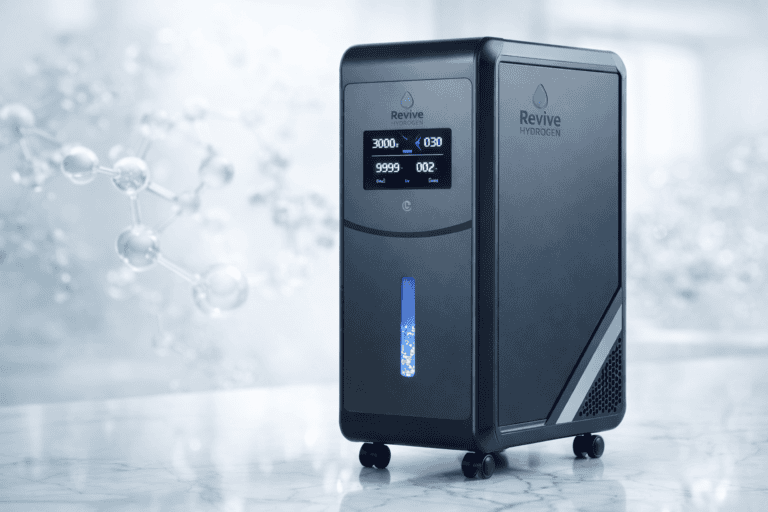
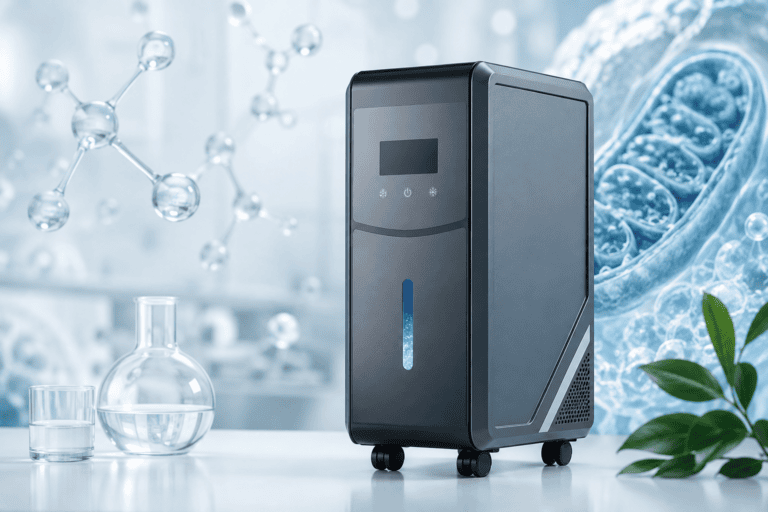
The Revive Hydrogen Generator produces high-purity molecular hydrogen at therapeutic flow rates, enabling consistent, protocol-based inhalation sessions that support mitochondrial function, oxidative stress mitigation, and comprehensive cellular recovery. With intuitive operation, elegant design, and uncompromising performance standards, Revive Hydrogen represents the pinnacle of accessible molecular hydrogen therapy—bringing research-grade cellular optimization into your daily wellness routine.
Discover how molecular hydrogen therapy can transform your cellular health and unlock new levels of vitality. Visit Revive Hydrogen today to explore the technology trusted by wellness professionals and biohacking enthusiasts worldwide.