
The Mitochondrial Engine and the Energy Crisis Within
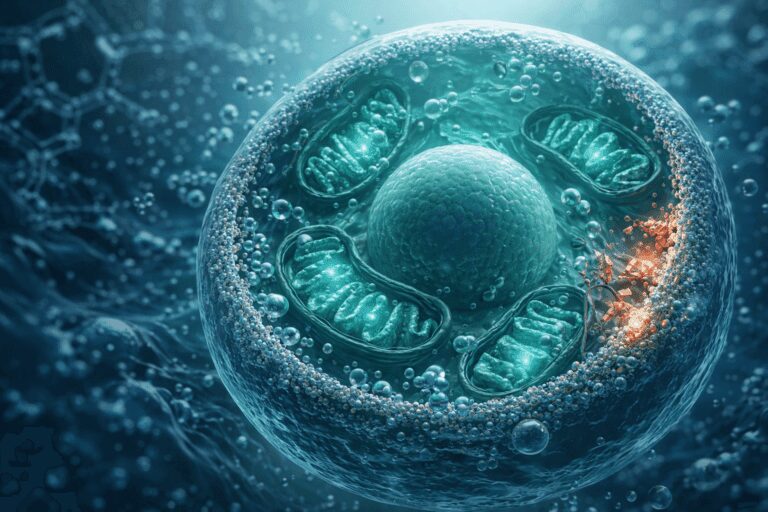
Every cell in your body operates as a self-contained power plant, generating the energy currency—adenosine triphosphate (ATP)—that fuels every heartbeat, every thought, and every breath. This microscopic energy production occurs within the mitochondria, specialized organelles that convert nutrients and oxygen into usable cellular energy through a precisely choreographed biochemical process called oxidative phosphorylation. Yet this essential process comes with an inevitable cost: the generation of reactive oxygen species (ROS), molecular byproducts that, when left unchecked, gradually erode mitochondrial function, accelerate cellular aging, and compromise your body’s capacity to maintain optimal cellular energy levels.
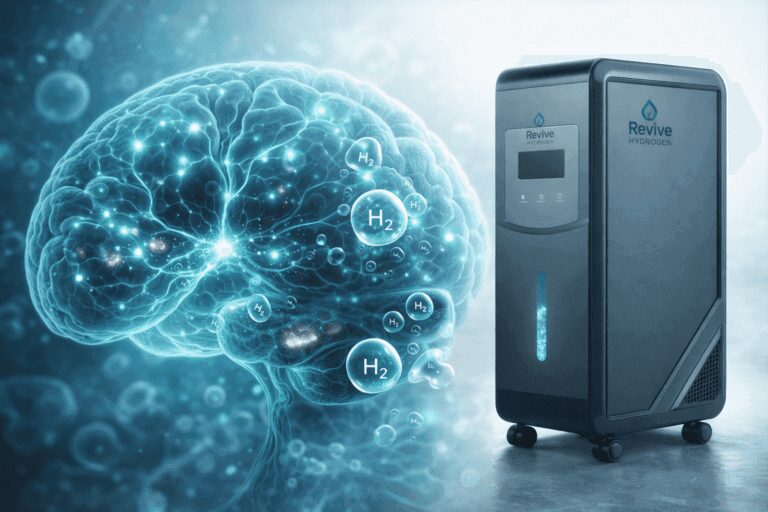
The emerging science of molecular hydrogen therapy offers a fundamentally different approach to supporting cellular energy production—one that addresses oxidative stress at its source while preserving the beneficial signaling molecules your cells need to adapt and thrive.
Understanding the Oxidative Paradox
Cellular respiration is inherently paradoxical. The same oxygen that enables ATP synthesis also spawns reactive oxygen species as unavoidable metabolic byproducts. Under normal physiological conditions, your cells maintain a delicate homeostatic balance between ROS generation and antioxidant defense systems. Moderate levels of certain reactive oxygen species—particularly hydrogen peroxide (H₂O₂) and superoxide (O₂⁻)—actually serve critical roles in cellular signaling, immune function, and adaptive responses to exercise and environmental stressors.
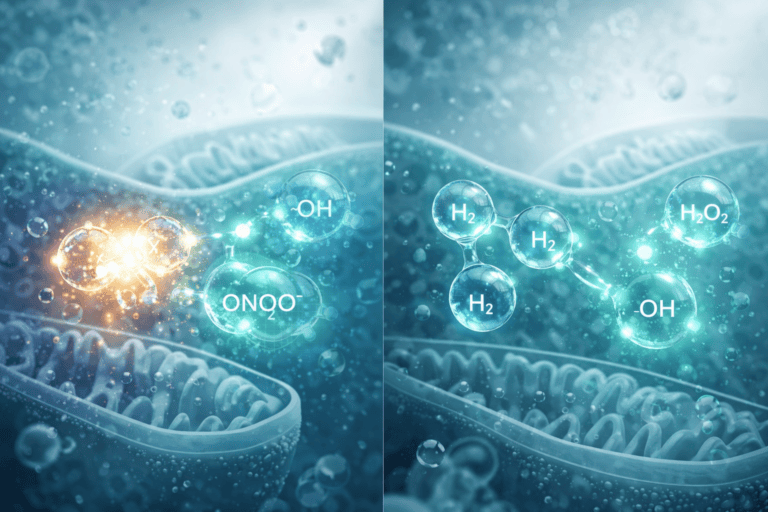
The problem emerges when this balance tips toward excessive oxidative stress. Factors including chronic inflammation, intense physical exertion, metabolic dysfunction, environmental toxins, and the natural aging process can overwhelm your endogenous antioxidant capacity. When this occurs, highly reactive and indiscriminate oxidants—particularly hydroxyl radicals (•OH) and peroxynitrite (ONOO⁻)—begin attacking cellular structures with devastating efficiency.
The Hydroxyl Radical Threat
Among all reactive oxygen species, the hydroxyl radical stands as the most aggressive cellular vandal. This extremely short-lived but profoundly destructive molecule reacts with virtually any biological molecule it encounters—lipids, proteins, and DNA—with reaction rates approaching diffusion-limited kinetics. Once formed, hydroxyl radicals cannot be enzymatically neutralized; they damage whatever cellular structure they contact within nanoseconds of generation. This indiscriminate reactivity makes hydroxyl radicals primary drivers of mitochondrial membrane damage, impaired electron transport chain function, and declining cellular energy output.
Peroxynitrite, formed when superoxide reacts with nitric oxide, presents a similarly destructive profile. This powerful oxidant damages mitochondrial proteins, impairs ATP synthase function, and disrupts the very machinery responsible for energy production. Together, these highly toxic reactive species create a vicious cycle: oxidative damage impairs mitochondrial function, which further increases ROS generation, which accelerates cellular energy decline.
Molecular Hydrogen: The Selective Antioxidant Solution
Molecular hydrogen (H₂) represents a paradigm shift in oxidative stress mitigation precisely because of what it doesn’t do. Unlike broad-spectrum antioxidants that indiscriminately neutralize all reactive oxygen species—including beneficial signaling molecules—molecular hydrogen functions as a selective antioxidant, specifically targeting the most cytotoxic oxidants while preserving physiological ROS involved in cellular communication and adaptive responses.
Peer-reviewed research demonstrates that molecular hydrogen readily reacts with hydroxyl radicals and peroxynitrite, converting these highly destructive species into water (H₂O) through mild reduction reactions. Critically, hydrogen molecules do not significantly react with hydrogen peroxide, superoxide, or nitric oxide at physiological concentrations. This selectivity allows your cells to maintain essential redox signaling pathways while neutralizing the oxidative damage that undermines mitochondrial integrity and cellular energy production.
Penetration and Bioavailability
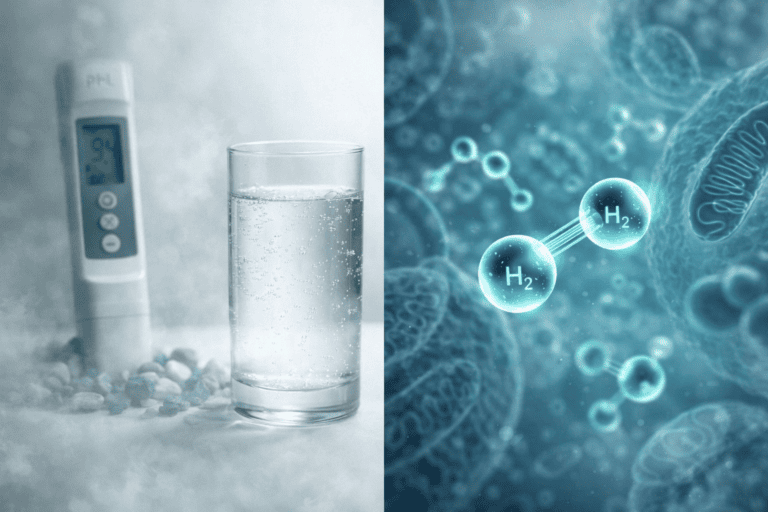
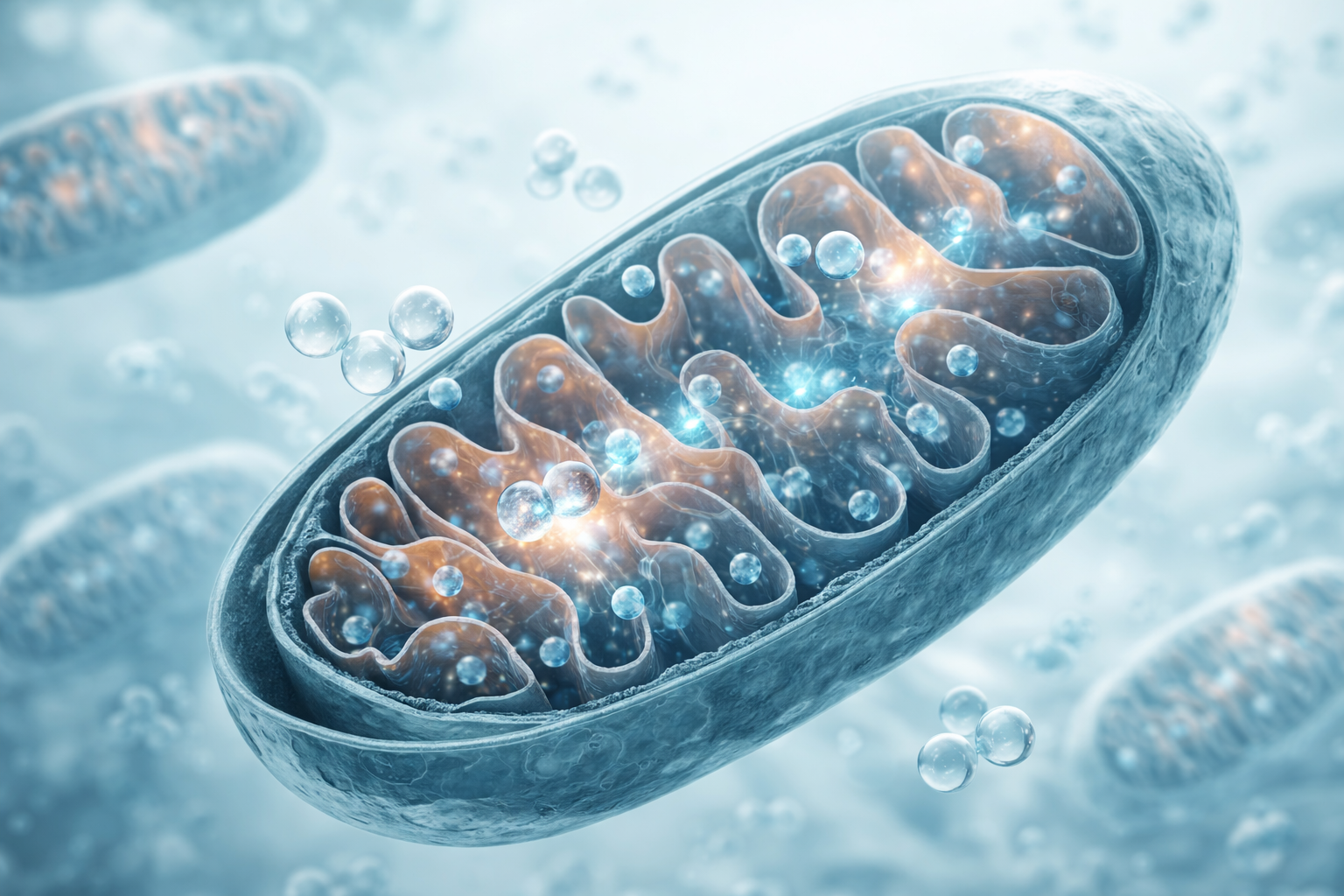
Molecular hydrogen’s therapeutic potential extends beyond its selective antioxidant properties to include exceptional bioavailability. As the smallest and most diffusible molecule in existence, H₂ readily crosses cellular membranes, blood-brain barriers, and mitochondrial membranes without requiring transport proteins or energy-dependent uptake mechanisms. This unrestricted diffusion enables molecular hydrogen to reach subcellular compartments—including mitochondrial inner membranes where electron transport occurs—that many conventional antioxidants cannot access.
Upon reaching mitochondria, molecular hydrogen appears to modulate several cellular pathways beyond direct radical scavenging. Emerging research indicates H₂ may upregulate endogenous antioxidant systems including superoxide dismutase, catalase, and glutathione production, enhance mitochondrial biogenesis signaling, and optimize electron transport chain efficiency—all mechanisms that support sustained cellular energy production.
Clinical Evidence and Cellular Energy Markers
The body of scientific literature examining molecular hydrogen’s effects on cellular energy metabolism continues to expand across multiple research domains. Studies have evaluated H₂’s impact on ATP production capacity, mitochondrial membrane potential, oxidative phosphorylation efficiency, and markers of mitochondrial health across various cell types and physiological contexts.
Research published in peer-reviewed journals has documented molecular hydrogen’s potential to support:
- Mitochondrial membrane integrity: By neutralizing lipid peroxidation initiated by hydroxyl radicals, H₂ may help preserve the structural and functional integrity of mitochondrial membranes essential for maintaining the proton gradient that drives ATP synthesis
- Electron transport chain function: Reducing peroxynitrite-mediated damage to respiratory complexes may support more efficient electron flow and coupled ATP production
- Cellular ATP levels: Multiple studies have observed improved ATP production capacity in cells exposed to molecular hydrogen, particularly under conditions of metabolic stress or oxidative challenge
- Mitochondrial dynamics: Preliminary evidence suggests H₂ may influence mitochondrial fusion, fission, and mitophagy—quality control processes essential for maintaining a healthy mitochondrial population
- NAD⁺/NADH ratios: Emerging research indicates potential effects on cellular redox balance that may optimize metabolic efficiency and energy production pathways
These cellular-level observations provide mechanistic foundations for understanding how molecular hydrogen might support the energy production capacity that underlies physical performance, cognitive function, and whole-body vitality.
Delivery Method Considerations for Therapeutic Saturation
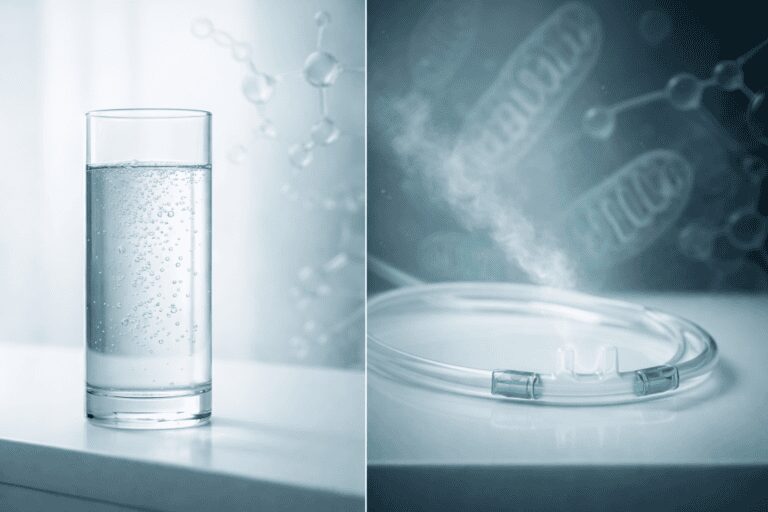
While hydrogen-enriched water has served as the primary delivery vehicle in many published studies, achieving therapeutic tissue saturation—particularly for systemic, whole-body cellular energy support—presents practical limitations with oral consumption alone. The concentration of dissolved hydrogen in water is constrained by Henry’s Law, and gastrointestinal absorption introduces delays and variability in bioavailability.
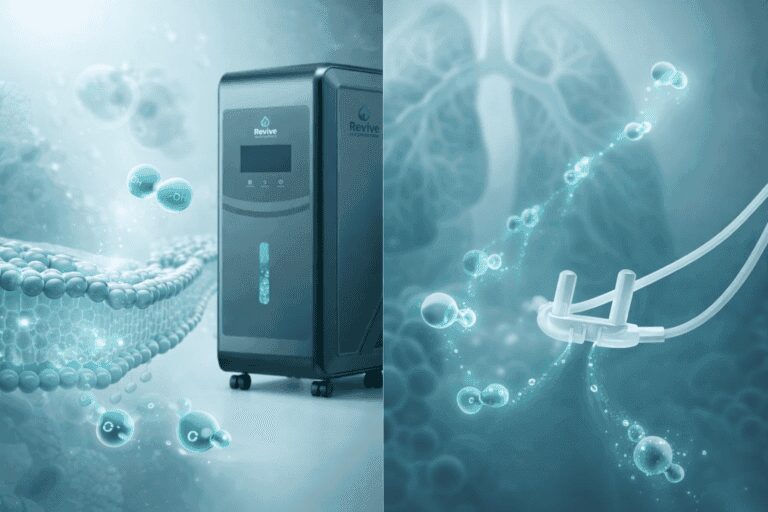
High-concentration hydrogen inhalation addresses these limitations through direct respiratory delivery. When inhaled, molecular hydrogen rapidly diffuses across alveolar membranes into bloodstream circulation, achieving swift and sustained elevation of H₂ concentrations throughout systemic tissues. This delivery method enables passive, efficient absorption during rest, work, or recovery periods without requiring conscious consumption protocols.
The therapeutic relevance of inhalation becomes particularly evident when examining published research protocols. Many studies demonstrating significant physiological effects have utilized hydrogen concentrations and exposure durations achievable only through inhalation delivery—not oral consumption. Professional-grade hydrogen generators capable of producing high-purity molecular hydrogen at sufficient flow rates represent the technology necessary to replicate research-validated protocols in home and clinical settings.
The Technology Requirements
Not all hydrogen generation technologies deliver equivalent results. Effective therapeutic application requires systems capable of producing hydrogen at verified purity levels, sustained high flow rates, and proper separation from oxygen to enable safe, comfortable extended sessions. The gold standard involves PEM (Proton Exchange Membrane) electrolysis using platinum-coated electrodes and pharmaceutical-grade membrane materials—specifications that ensure consistent, contamination-free hydrogen production suitable for wellness applications focused on cellular health optimization.
Bring This Technology Home
For individuals seeking to harness molecular hydrogen’s selective antioxidant properties for cellular energy support, access to professional-grade hydrogen generation technology has become increasingly practical. Revive Hydrogen offers high-flow intelligent hydrogen generators designed specifically for home and clinical wellness applications, manufactured to rigorous quality standards including CE certification and ISO 9001-certified quality management systems.
The company’s PEM electrolysis systems utilize platinum-coated titanium electrodes and DuPont N117 membranes to produce hydrogen at 99.992% purity—a specification independently verified by accredited third-party laboratory analysis. This exceptional purity ensures users receive molecular hydrogen free from contaminants that could compromise cellular benefits or introduce unwanted oxidative compounds.
Available in three output configurations delivering up to 2000 ml/min of pure hydrogen (HYD-3000 model), these generators enable extended inhalation sessions via included nasal cannula delivery—the method most aligned with research protocols examining mitochondrial function and cellular energy metabolism. Each unit incorporates programmable session timers, UV-C water disinfection, and continuous-run capability up to eight hours, providing the operational specifications required for consistent daily wellness protocols.
Every system includes a three-year limited warranty covering defects in materials and workmanship, reflecting the manufacturer’s confidence in long-term reliability. For those prioritizing cellular health, mitochondrial optimization, and evidence-based approaches to combating oxidative stress, professional hydrogen generation technology represents a foundational investment in the cellular energy systems that ultimately determine your vitality, resilience, and healthspan.