
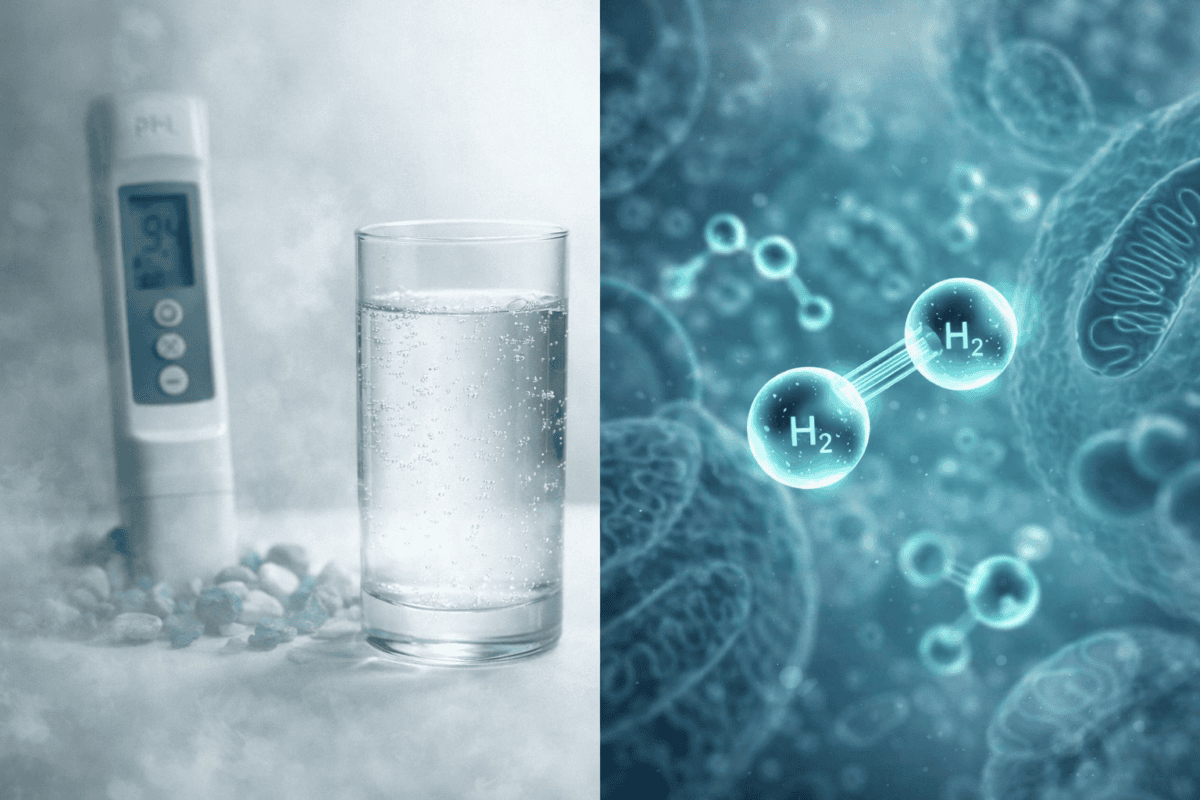
The Alkaline Water Trend: A Multi-Billion Dollar Misunderstanding
For over a decade, alkaline water has dominated the wellness industry with promises of pH balance, detoxification, and enhanced hydration. Consumers have spent billions on specialized bottles, ionizers, and premium brands—all chasing the elusive benefits of a higher pH. But emerging research reveals a surprising truth: the real therapeutic agent in many alkaline water systems was never the alkalinity itself. It was molecular hydrogen (H₂), a colorless, odorless gas that happens to be produced during the electrolysis process used to create alkaline water. What began as a story about pH has evolved into a sophisticated understanding of molecular hydrogen therapy—a targeted approach to cellular health that bypasses the alkaline water narrative entirely.
The Alkaline Water Promise: What the Science Actually Shows
The alkaline water hypothesis rests on a fundamental misunderstanding of human physiology. Proponents claim that modern diets create systemic acidity that must be neutralized through high-pH water consumption. However, the human body maintains blood pH within an extraordinarily tight range (7.35–7.45) through sophisticated buffering systems involving the lungs, kidneys, and blood proteins. Drinking alkaline water does not meaningfully alter blood pH—your stomach acid (pH 1.5–3.5) immediately neutralizes it, and your kidneys excrete any excess alkaline load within hours.
Yet some early studies on “alkaline ionized water” did show intriguing results: reduced oxidative stress markers, improved exercise recovery, and enhanced cellular hydration. Researchers initially attributed these effects to pH or mineral content. It wasn’t until Japanese scientists began isolating variables that the truth emerged: dissolved molecular hydrogen was the active component. During electrolysis—the process most alkaline water machines use—water molecules split, producing both alkaline water and dissolved H₂ gas. The hydrogen, not the pH, was driving the biological effects.
Why Molecular Hydrogen Works Differently
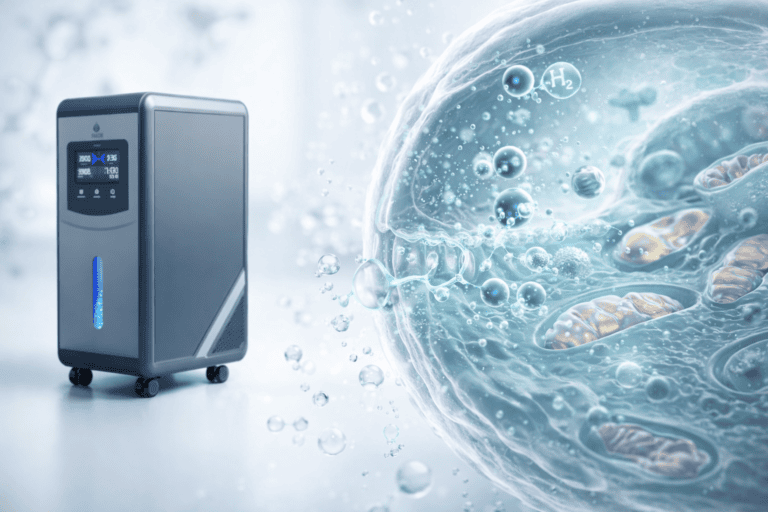
Molecular hydrogen operates through mechanisms entirely distinct from alkalinity. As the smallest molecule in the universe, H₂ diffuses rapidly across cell membranes, penetrating mitochondria, nuclei, and even the blood-brain barrier. Once inside cells, it functions as a selective antioxidant—and this selectivity is crucial.
The body produces various reactive oxygen species (ROS) as normal byproducts of metabolism. Some ROS, like hydrogen peroxide (H₂O₂) and superoxide, serve essential roles in cell signaling, immune function, and hormetic stress responses. Blunt, non-selective antioxidants—like megadoses of vitamin C or E—can interfere with these beneficial processes, potentially disrupting cellular communication and immune surveillance.
Molecular hydrogen takes a surgical approach. It specifically neutralizes the most cytotoxic oxidative stressors—hydroxyl radicals (•OH) and peroxynitrite (ONOO⁻)—while leaving beneficial signaling molecules intact. Hydroxyl radicals are particularly destructive, reacting indiscriminately with DNA, proteins, and lipids within nanoseconds of formation. Peroxynitrite, formed when superoxide combines with nitric oxide, damages mitochondrial membranes and disrupts cellular energy production. By selectively targeting these highly reactive species, molecular hydrogen therapy supports cellular health without compromising the oxidative signaling that underpins adaptation, immune response, and metabolic flexibility.
Why Hydrogen Water Falls Short of Therapeutic Potential
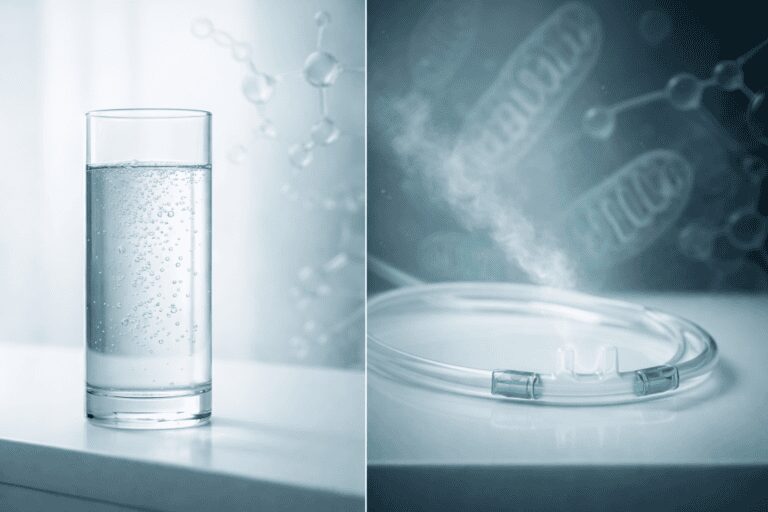
Once researchers identified hydrogen as the active agent, a new market emerged: hydrogen-enriched water. These products contain dissolved H₂ gas, typically measured in parts per million (ppm) or milligrams per liter (mg/L). While hydrogen water represents a step beyond alkaline water’s misdirection, it faces significant practical limitations for achieving therapeutic tissue saturation.
Dissolved hydrogen concentrations in water rarely exceed 1.6 ppm under standard conditions—a physical limit imposed by H₂’s low aqueous solubility. Even at saturation, a 500ml bottle contains approximately 0.8mg of molecular hydrogen. Human clinical studies demonstrating measurable oxidative stress reduction typically require systemic hydrogen exposure in the range of several milligrams delivered over sustained periods. To achieve comparable tissue saturation through water consumption alone would require drinking impractical volumes throughout the day, assuming the hydrogen hasn’t already escaped (H₂ diffuses rapidly through plastic and dissipates when bottles are opened).
Furthermore, ingested hydrogen must traverse the digestive system, where absorption occurs primarily in the intestines before distribution via the bloodstream. While some hydrogen does reach systemic circulation through this route, the process is inefficient and produces highly variable blood concentrations depending on gut transit time, digestive state, and individual physiology.
Inhalation: The Superior Delivery Method
Professional-grade hydrogen inhalation generators solve the delivery problem by producing continuous, high-concentration hydrogen gas for direct respiratory administration. When inhaled, molecular hydrogen enters the bloodstream immediately through the alveolar-capillary interface in the lungs, achieving rapid systemic distribution without digestive variables or volume constraints.
This delivery method enables sustained tissue saturation at concentrations sufficient to meaningfully influence oxidative stress markers, mitochondrial function, and inflammatory signaling pathways. Research institutions and forward-thinking wellness practitioners have increasingly adopted inhalation protocols for this reason: superior bioavailability, dose control, and practical feasibility for daily molecular hydrogen therapy.
The Cellular and Systemic Benefits of Molecular Hydrogen
Over 1,000 peer-reviewed publications have explored hydrogen’s effects across diverse physiological systems. While research continues to elucidate mechanisms, current evidence suggests H₂ supports cellular health through multiple pathways:
- Selective antioxidant activity: Neutralizes hydroxyl radicals and peroxynitrite without disrupting beneficial ROS signaling
- Mitochondrial optimization: Protects mitochondrial membranes from oxidative damage, supporting efficient ATP production and cellular energy metabolism
- Gene expression modulation: Activates Nrf2 pathways that upregulate endogenous antioxidant systems (glutathione, superoxide dismutase, catalase)
- Inflammatory response modulation: Attenuates pro-inflammatory cytokine cascades (TNF-α, IL-6, IL-1β) while supporting homeostatic balance
- Metabolic flexibility: Improves glucose and lipid metabolism markers in preliminary metabolic research
- Neuroprotective potential: Crosses the blood-brain barrier to support neuronal mitochondrial function and reduce oxidative stress in neural tissue
These mechanisms operate at the subcellular level—addressing oxidative stress and mitochondrial dysfunction that underlie numerous aspects of suboptimal wellness, accelerated aging, and recovery challenges. Rather than targeting a single symptom or system, molecular hydrogen therapy supports the fundamental cellular processes that determine overall physiological resilience and vitality.
From Alkaline Water Confusion to Molecular Precision
The alkaline water phenomenon was never entirely wrong—it simply misidentified the active ingredient. Those early electrolysis machines did produce benefit, but through hydrogen generation, not pH manipulation. As scientific understanding matured, so did the technology. Modern molecular hydrogen therapy has moved beyond the limitations of water-based delivery to embrace high-output inhalation systems capable of delivering therapeutic concentrations efficiently and consistently.
This evolution represents more than a technological refinement—it reflects a fundamental shift in how we approach cellular health optimization. Rather than chasing trends based on superficial parameters like pH, evidence-based molecular hydrogen therapy targets the precise biochemical mechanisms that govern oxidative stress, mitochondrial function, and inflammatory balance. It’s not about drinking more water or changing your body’s pH. It’s about providing your cells with a selective, research-supported tool for managing the oxidative challenges of modern life.
Related reading: Hydrogen and Cellular Health · Hydrogen Inhalation Generator vs Water
New to hydrogen inhalation? Download our free Beginner’s Guide to Hydrogen Inhalation for a plain-language primer on what H₂ is, how inhalation works, and how to choose a generator.
Bring This Technology Home
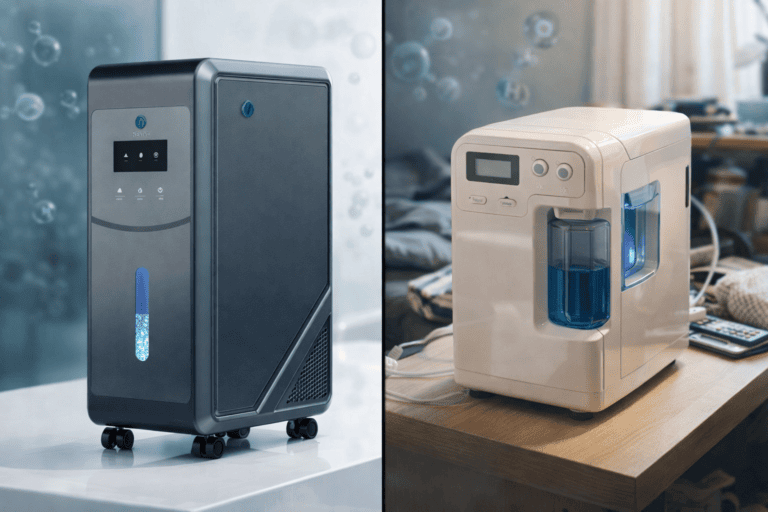
Understanding the science is one thing—accessing professional-grade hydrogen technology for daily use is another. Revive Hydrogen has engineered high-output hydrogen generators specifically designed for home and clinical wellness applications, bringing laboratory-grade molecular hydrogen therapy into practical daily protocols.
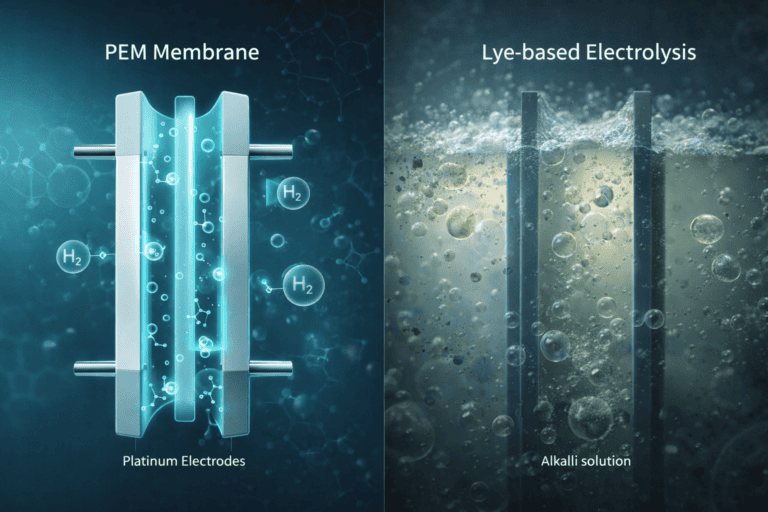
The Intelligent High-Flow Hydrogen Generator line utilizes PEM (Proton Exchange Membrane) electrolysis of distilled water through platinum-coated titanium electrodes and DuPont N117 membranes—the same core technology employed in research-grade systems. Independent third-party laboratory verification confirms 99.992% hydrogen purity, ensuring you’re receiving pure molecular hydrogen without contaminants or dilution.
Available in three flow-rate configurations (HYD-1500, HYD-1800, and HYD-3000), these systems deliver pure molecular hydrogen through comfortable nasal cannulas for passive, systemic inhalation during rest, work, or recovery periods. With programmable session timers (30–480 minutes), UV-C water disinfection, and continuous-run capability up to 8 hours, they’re engineered for consistent, convenient daily molecular hydrogen therapy—far exceeding what water-based delivery methods can achieve.
The alkaline water industry taught us to question our assumptions and look deeper into the mechanisms behind wellness trends. Molecular hydrogen therapy represents the culmination of that inquiry: a precise, evidence-based approach to supporting cellular health at the most fundamental level. Research into molecular hydrogen continues to expand across exercise physiology, healthy aging, metabolic wellness, and cellular recovery—and now this technology is accessible for home use through systems designed with research-grade performance and practical daily application in mind.