
Hydrogen Inhalation vs. Hydrogen Water: Which Delivers More Therapeutic Power?
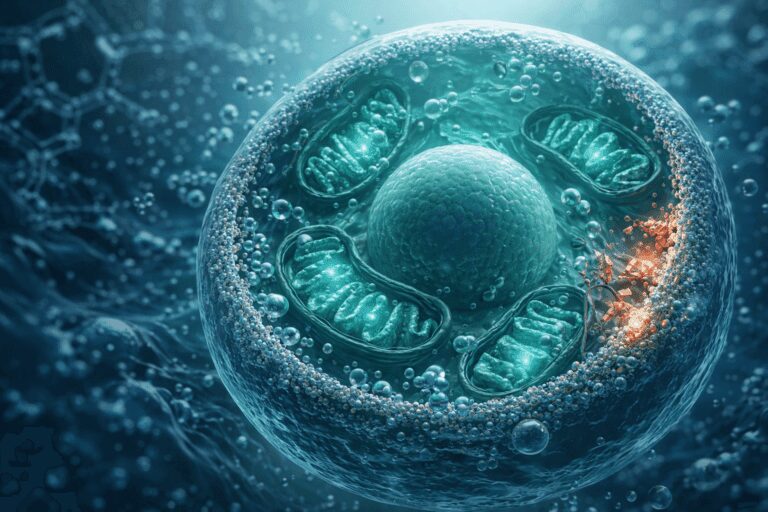
Molecular hydrogen (H₂) has emerged as one of the most compelling molecules in modern wellness science — a uniquely selective antioxidant capable of crossing every biological barrier in the body, including the blood-brain barrier, mitochondrial membranes, and cell nuclei. But not all delivery methods are created equal. As interest in H₂ therapy grows, two primary methods have taken center stage: drinking hydrogen-enriched water and inhaling hydrogen gas through a dedicated hydrogen inhalation generator. Understanding the biochemical distinction between these two approaches is essential for anyone serious about optimizing cellular health, mitigating oxidative stress, and pursuing long-term longevity.
The Science of Molecular Hydrogen as a Selective Antioxidant
To appreciate why delivery method matters so profoundly, it helps to understand exactly what molecular hydrogen does inside the body. Unlike broad-spectrum antioxidants — such as high-dose Vitamin C or synthetic compounds — H₂ does not indiscriminately scavenge all reactive oxygen species (ROS). This distinction is critical. Many ROS, including hydrogen peroxide (H₂O₂), serve vital roles in cellular signaling, immune regulation, and metabolic homeostasis. Suppressing them entirely would disrupt the very biological processes they govern.
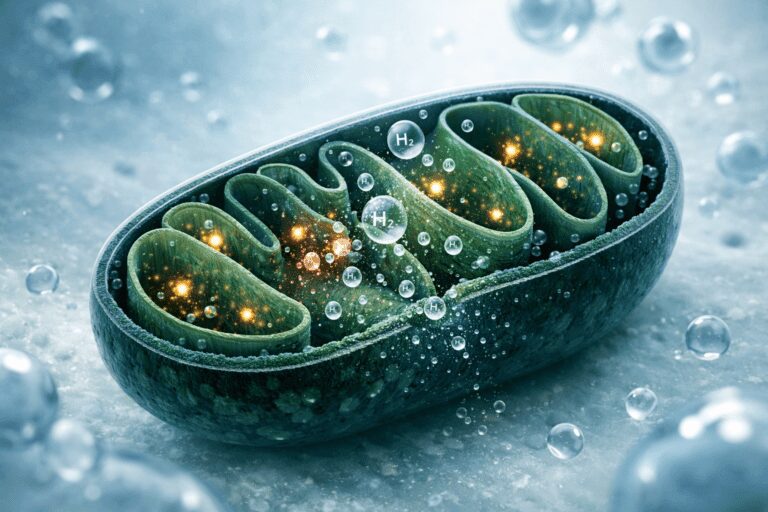
Molecular hydrogen is uniquely selective. Research indicates that H₂ specifically neutralizes the two most cytotoxic free radicals in human physiology: the hydroxyl radical (•OH) and peroxynitrite (ONOO⁻). These are among the most damaging oxidants produced within the cell — capable of fragmenting DNA strands, peroxidizing lipid membranes, and inactivating mitochondrial enzymes. Crucially, H₂ leaves beneficial ROS like hydrogen peroxide intact, preserving essential signaling pathways while eliminating the molecular damage driving chronic oxidative stress. This biochemical precision is what distinguishes H₂ from conventional antioxidant supplementation and positions it as a sophisticated tool for mitochondrial optimization and homeostatic balance.
Hydrogen Water: Benefits, Limitations, and the Saturation Ceiling
Hydrogen-enriched water is the most accessible entry point into H₂ therapy. When water is infused with dissolved molecular hydrogen gas — typically at concentrations between 0.5 and 1.6 parts per million (ppm) — and consumed promptly, it delivers H₂ to the gastrointestinal tract and bloodstream. Several peer-reviewed studies have documented measurable benefits from hydrogen water consumption, including reductions in markers of oxidative stress, improvements in lipid profiles, and support for metabolic function.
However, hydrogen water faces a fundamental physiological constraint: dissolution saturation. Water at standard atmospheric pressure can only hold a finite concentration of dissolved H₂ — typically a few parts per million at best before the gas simply escapes into the air. Once consumed, that dissolved hydrogen must survive gastric transit, absorb through the intestinal wall, and diffuse via circulation to target tissues. During this multi-step journey, a significant portion of the dissolved gas dissipates before it can engage mitochondria in peripheral tissues, the brain, or deep organ systems.
This makes hydrogen water an excellent introductory wellness tool and a practical complement to a broader H₂ protocol — but it faces real limitations when the therapeutic goal is systemic tissue saturation and sustained cellular recovery.
Hydrogen Inhalation: Direct, High-Concentration, Systemic Delivery
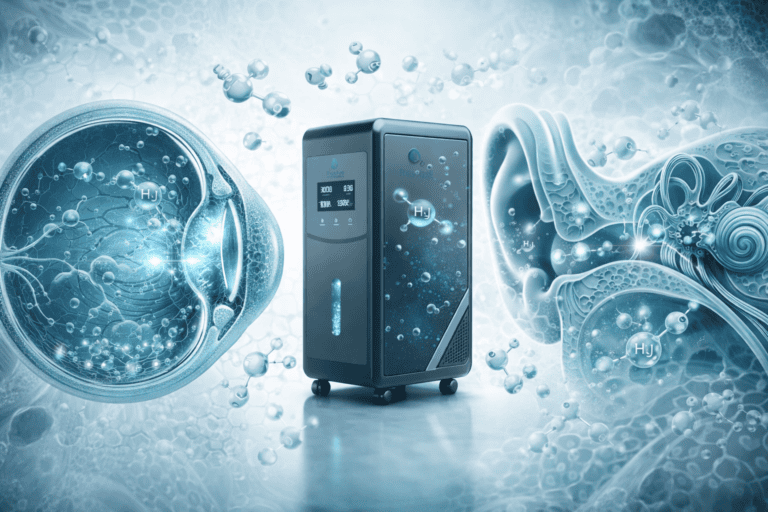
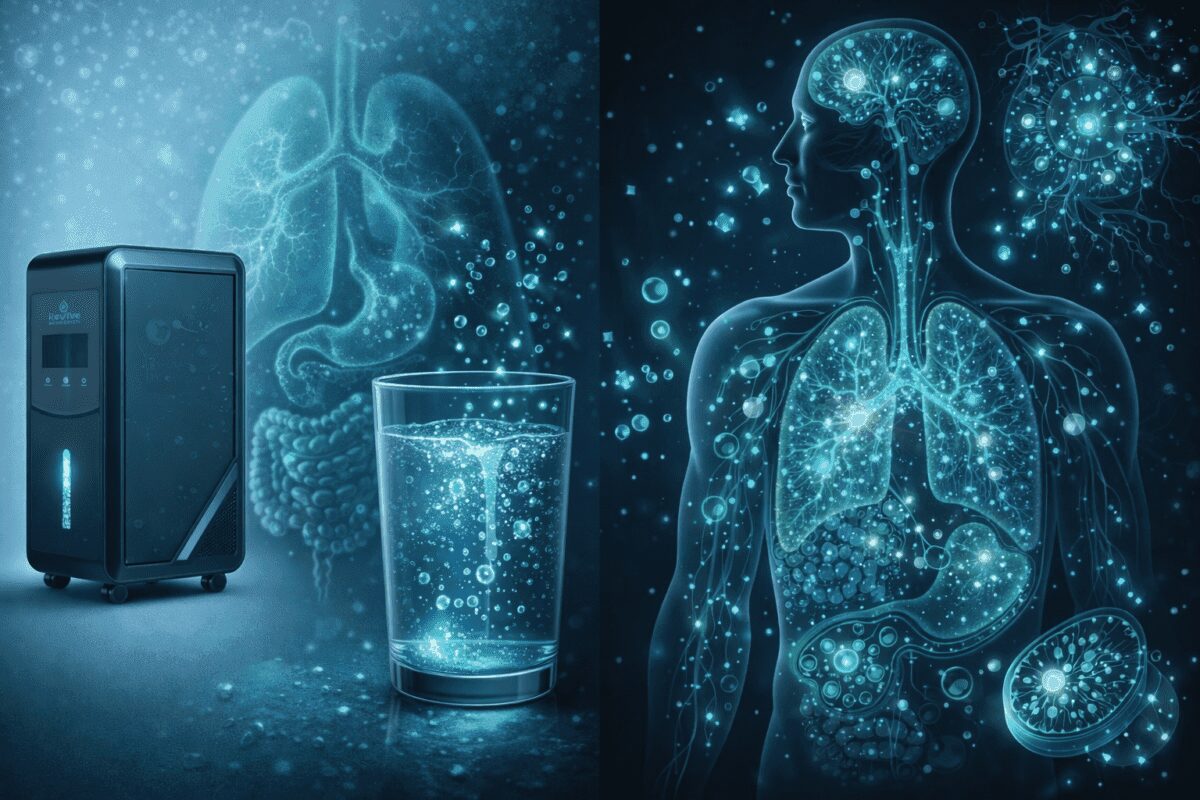
Inhalation represents a fundamentally different — and therapeutically superior — pathway for molecular hydrogen delivery. When H₂ gas is inhaled through a hydrogen inhalation generator, it enters the lungs directly and transfers to the bloodstream via the alveolar-capillary membrane, the same ultra-efficient exchange surface responsible for oxygen and carbon dioxide transport. From there, H₂ distributes systemically with remarkable speed, reaching circulating blood plasma, crossing the blood-brain barrier, penetrating mitochondrial membranes, and saturating tissues throughout the entire body — all within minutes.
The concentration advantage is equally significant. A professional-grade hydrogen inhalation generator producing output at clinically relevant flow rates can deliver continuous, sustained concentrations of molecular hydrogen that far exceed what dissolved water can provide. Rather than a single bolus of limited H₂ absorbed through digestion, inhalation maintains a consistent therapeutic partial pressure of H₂ in the bloodstream for the entire duration of the session — enabling cumulative, passive, whole-body oxidative stress mitigation at the cellular level.
Clinical and translational research has explored H₂ inhalation across a broad spectrum of wellness contexts, including post-exercise recovery, neurological protection, inflammatory regulation, and cardiovascular support. The inhalation route’s ability to achieve rapid, sustained, and systemic hydrogen concentrations is what makes it the preferred modality in research settings and professional wellness clinics worldwide.
Head-to-Head: Key Physiological Differences
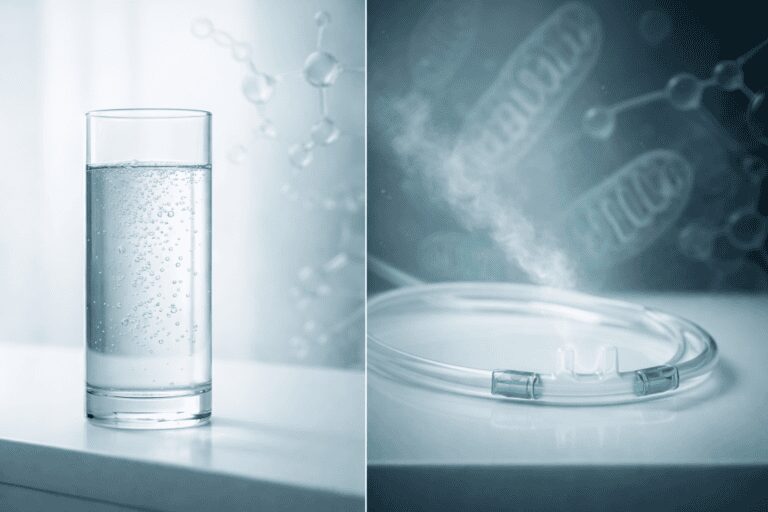
When comparing hydrogen water to inhaled H₂ across the parameters that matter most for cellular health, the distinctions are clear and meaningful:
- Tissue Saturation Depth: Inhalation achieves full-body systemic saturation via pulmonary absorption, reaching the brain, mitochondria, and peripheral tissues simultaneously. Hydrogen water delivers a more localized, digestive-route exposure with reduced peripheral penetration.
- Concentration Ceiling: A hydrogen inhalation generator provides sustained, high-concentration H₂ delivery throughout an entire session. Water is physically limited to low dissolved ppm concentrations before off-gassing occurs.
- Speed of Action: Inhaled H₂ enters the bloodstream within seconds. Hydrogen water requires gastric absorption and intestinal transit before systemic distribution begins — introducing both delay and concentration loss.
- Mitochondrial Access: Because inhaled H₂ achieves higher plasma concentrations, it more effectively crosses mitochondrial membranes — the primary site of free radical generation and the core target for mitochondrial optimization.
- Session-Based Dosing: Inhalation enables precise, time-controlled therapeutic sessions ranging from 20 minutes to several hours, allowing for consistent, repeatable dosing. Hydrogen water dosing is inherently variable depending on preparation freshness and consumption timing.
- Passive Wellness Integration: Inhalation requires no active effort during a session — users can rest, work, meditate, or recover while the generator operates, making it exceptionally compatible with lifestyle-integrated wellness protocols.
- Blood-Brain Barrier Crossing: The high plasma concentrations achieved through inhalation support more effective H₂ diffusion across the blood-brain barrier, making it particularly relevant for neuroprotection, cognitive wellness, and neuroinflammation support.
Can Hydrogen Water and Inhalation Work Together?
Importantly, these two methods are not mutually exclusive — and combining them may offer complementary benefits. Hydrogen water consumed around meals or workouts can provide localized gastrointestinal antioxidant support and has demonstrated benefits for metabolic markers. When used alongside regular inhalation sessions, hydrogen water functions as a practical supplement to a primary inhalation protocol rather than a replacement. For individuals at the beginning of their H₂ wellness journey, hydrogen water is an accessible starting point. For those pursuing meaningful, sustained oxidative stress mitigation and systemic cellular recovery, a dedicated hydrogen inhalation generator becomes not just advantageous — but essential.
The science consistently points toward one conclusion: when therapeutic depth, tissue saturation, and consistent dosing are the objective, inhalation is the superior modality. Professional-grade hydrogen inhalation generators designed for home and clinical environments bridge the gap between research-grade therapy and practical, accessible daily wellness — making this technology available outside of institutional settings for the first time at meaningful scale.
Related reading: Hydrogen and Cellular Health · Hydrogen Inhalation Generator vs Water
New to hydrogen inhalation? Download our free Beginner’s Guide to Hydrogen Inhalation for a plain-language primer on what H₂ is, how inhalation works, and how to choose a generator.
Bring This Technology Home
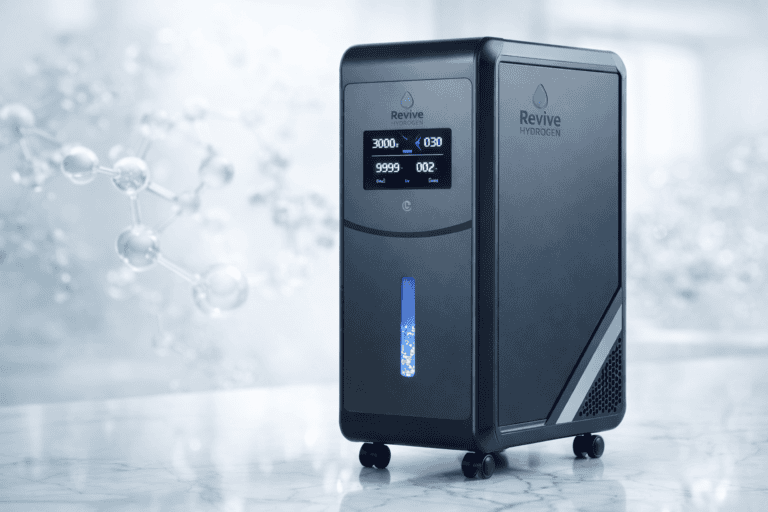
For those ready to move beyond the limitations of hydrogen water and experience the full systemic potential of molecular hydrogen therapy, the platform you choose matters enormously. Not all devices deliver clinically relevant hydrogen concentrations, and consumer-grade products frequently fall short of the output levels needed to achieve meaningful tissue saturation. Revive Hydrogen has engineered a professional-grade hydrogen inhalation generator purpose-built for both home and clinical use — delivering high-purity H₂ at therapeutic flow rates, with the engineering precision and safety standards the science demands. Whether your focus is cellular longevity, post-exercise recovery, cognitive wellness, or whole-body oxidative stress mitigation, Revive Hydrogen represents the most sophisticated and accessible path to integrating evidence-based molecular hydrogen therapy into your daily life.