
The Science of Doing Nothing: How Passive Hydrogen Treatments Unlock Deep Cellular Recovery
In an era saturated with high-intensity recovery protocols and aggressive supplementation stacks, the most profound cellular repair may actually occur when you simply sit still and breathe. Passive wellness treatments powered by molecular hydrogen (H₂) inhalation are emerging as one of the most scientifically compelling approaches to oxidative stress mitigation, mitochondrial optimization, and sustained physiological recovery — requiring nothing more from you than the act of breathing. This article unpacks the cellular mechanisms behind hydrogen therapy, explains why inhalation is the gold standard delivery method, and explores how this passive modality is redefining what recovery and longevity can look like at the biological level.
Understanding Oxidative Stress: The Silent Saboteur of Cellular Health
Every metabolic process your body performs — from converting glucose into energy to mounting an immune response — produces reactive oxygen species (ROS) as a natural byproduct. In controlled concentrations, certain ROS molecules are not only harmless but functionally essential. Hydrogen peroxide (H₂O₂), for instance, acts as a critical intracellular signaling molecule, regulating gene expression, facilitating immune defense, and modulating cellular growth pathways. Your body depends on these molecules to maintain homeostatic balance.
The problem arises when ROS production overwhelms your body’s endogenous antioxidant defenses — a state known as oxidative stress. When this threshold is crossed, highly destructive free radicals begin indiscriminately attacking cellular structures. The most dangerous of these is the hydroxyl radical (•OH), widely considered the most cytotoxic ROS in human biology. Unlike hydrogen peroxide, hydroxyl radicals have no beneficial signaling role. They react at near-diffusion-limited rates, shredding lipid membranes, oxidizing DNA strands, and fragmenting mitochondrial proteins before your body’s natural defenses can intercept them. Close behind in toxicity is peroxynitrite (ONOO⁻), formed when nitric oxide reacts with superoxide. Peroxynitrite is a potent oxidant and nitrating agent implicated in endothelial dysfunction, neuroinflammation, and accelerated cellular aging.
The consequences of unchecked oxidative damage are not abstract. They manifest as impaired athletic recovery, chronic fatigue, cognitive fog, accelerated biological aging, and a gradual erosion of systemic resilience. Addressing this damage at its biochemical root is precisely where molecular hydrogen therapy enters the picture.
Molecular Hydrogen: Nature’s Most Selective Antioxidant
What makes molecular hydrogen (H₂) uniquely positioned among antioxidant strategies is its remarkable selectivity. Unlike broad-spectrum antioxidant supplements — such as high-dose vitamin C or vitamin E — which can indiscriminately suppress ROS activity and inadvertently blunt beneficial signaling pathways, H₂ operates with precision targeting.
Research published in journals including Nature Medicine and Free Radical Biology and Medicine has demonstrated that H₂ selectively neutralizes the two most cytotoxic reactive species: the hydroxyl radical (•OH) and peroxynitrite (ONOO⁻). The reaction mechanism is elegantly straightforward — H₂ donates electrons to reduce these radicals into water, a harmless byproduct that is simply excreted. Crucially, H₂ does not meaningfully interact with superoxide, hydrogen peroxide, or nitric oxide at physiological concentrations. This means the body’s essential redox signaling infrastructure remains fully intact.
This selectivity is not a minor biochemical footnote — it is the defining characteristic that separates H₂ from conventional antioxidant approaches. You are not suppressing your body’s natural chemistry. You are surgically removing the most destructive elements while preserving the molecular signals your cells need to function, adapt, and thrive.
Beyond direct radical scavenging, emerging research suggests that H₂ may also upregulate endogenous antioxidant pathways — including the Nrf2/Keap1 signaling cascade — which governs the production of glutathione, superoxide dismutase, and catalase. This creates a compounding effect: H₂ not only neutralizes existing radicals but may amplify your body’s own capacity to manage oxidative load over time.
Why Inhalation Is the Superior Passive Delivery System
Molecular hydrogen is the smallest molecule in the universe. This physical reality is both its greatest therapeutic asset and the central challenge of effective delivery. At 0.00016 nanometers in diameter, H₂ penetrates biological barriers with extraordinary ease — crossing the blood-brain barrier, permeating mitochondrial membranes, and diffusing rapidly into cell nuclei. No other antioxidant molecule shares this degree of bioavailability.
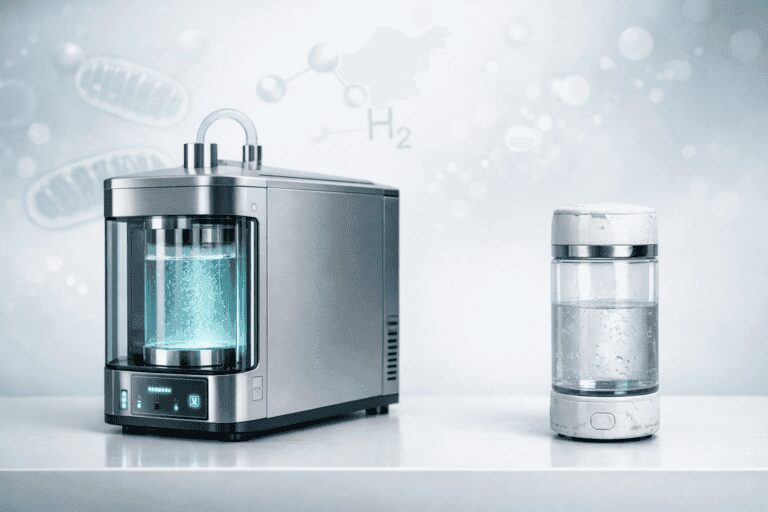
However, achieving therapeutic tissue saturation — the concentration at which H₂ exerts meaningful cellular effects — depends entirely on delivery volume and consistency. This is where hydrogen-infused water, while beneficial as a complementary approach, reveals its inherent limitations. The solubility ceiling of H₂ in water is approximately 1.6 parts per million (ppm) at standard pressure. A single glass of hydrogen water may deliver a modest bolus of dissolved H₂, but the dose is transient, the saturation is limited, and systemic distribution relies on gastrointestinal absorption — a slower, less direct pathway.
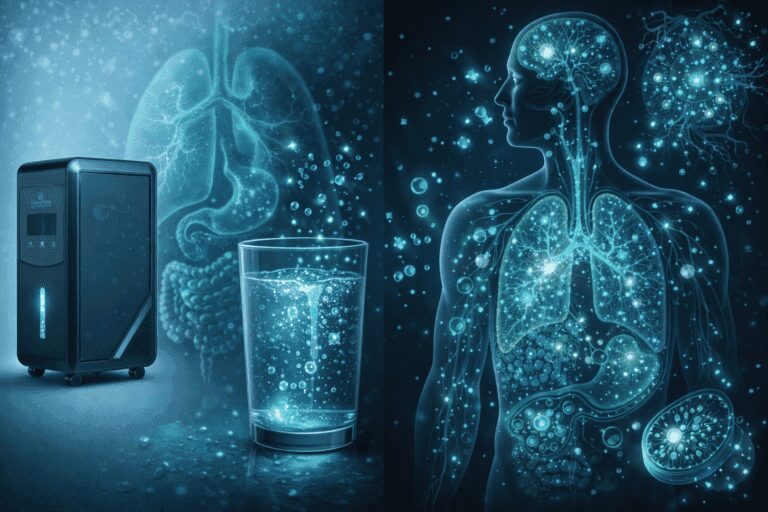
Inhalation of H₂ gas bypasses these limitations entirely. When inhaled, molecular hydrogen enters the pulmonary alveoli and diffuses directly into the bloodstream within seconds, distributing systemically via the circulatory system. High-output, professional-grade hydrogen inhalation generators can sustain a continuous flow of H₂ at concentrations and volumes that water ingestion simply cannot replicate. A dedicated inhalation session — even as short as 30 to 60 minutes — delivers orders of magnitude more H₂ to target tissues than hydrogen water alone, creating the sustained systemic exposure that supports meaningful mitochondrial optimization and oxidative stress mitigation.
This is precisely what makes hydrogen inhalation the cornerstone of serious, passive wellness treatments. The experience itself is entirely effortless — you breathe normally through a nasal cannula while reading, meditating, or resting. The biochemistry does the work.
The Cellular Benefits of Consistent H₂ Inhalation Therapy
When therapeutic hydrogen saturation is achieved consistently through professional-grade inhalation, the downstream physiological effects span multiple organ systems and biological processes. Evidence-based research points to the following wellness-oriented benefits associated with regular H₂ inhalation:
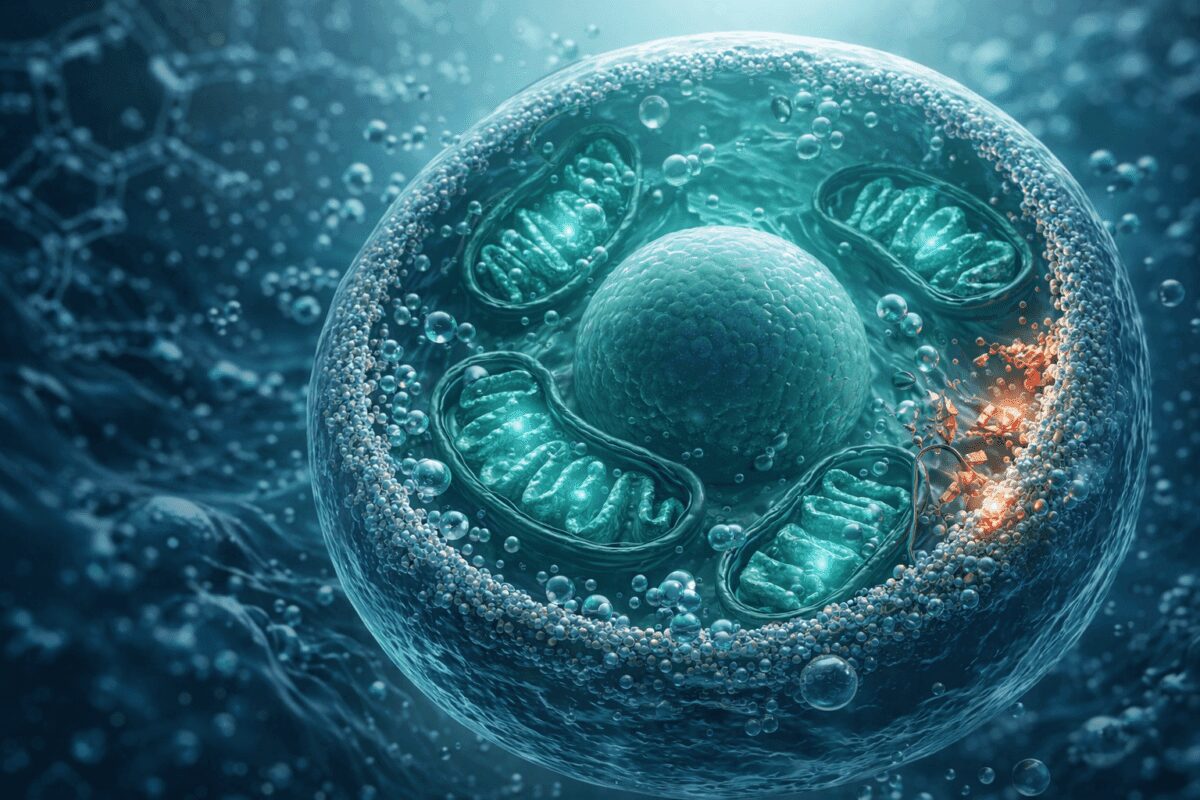
- Mitochondrial protection and optimization: H₂ reduces oxidative damage to mitochondrial DNA and inner membrane complexes, supporting efficient ATP synthesis and cellular energy production.
- Neuroprotective oxidative buffering: By crossing the blood-brain barrier, H₂ helps neutralize hydroxyl radicals and peroxynitrite in neural tissue, supporting cognitive clarity and neurological resilience.
- Accelerated post-exertional recovery: Reduction of exercise-induced oxidative stress and inflammatory markers supports faster muscle repair and reduced delayed-onset soreness.
- Endothelial health and vascular tone: Mitigation of peroxynitrite-driven endothelial damage supports healthy nitric oxide bioavailability and vascular homeostatic balance.
- Systemic anti-inflammatory modulation: H₂ therapy is associated with downregulation of pro-inflammatory cytokines, including TNF-α and IL-6, without suppressing immune function.
- Cellular longevity signaling: Activation of the Nrf2 pathway promotes endogenous antioxidant enzyme production, building long-term resilience against oxidative aging.
- Metabolic support: Early-stage research suggests H₂ may support insulin sensitivity and lipid metabolism by reducing oxidative interference in metabolic signaling pathways.
These effects are cumulative. Like any evidence-based wellness intervention, the benefits of passive hydrogen inhalation deepen with consistency — making the accessibility and ease of the treatment one of its most clinically relevant features. There is no physical exertion, no complex protocol adherence, and no recovery period required. It is, by design, the most passive form of active cellular investment available.
Related reading: Hydrogen and Cellular Health · Passive Wellness Treatments
New to hydrogen inhalation? Download our free Beginner’s Guide to Hydrogen Inhalation for a plain-language primer on what H₂ is, how inhalation works, and how to choose a generator.
Bring This Technology Home
Until recently, professional-grade hydrogen inhalation therapy was confined to clinical environments, elite athletic recovery centers, and longevity clinics — accessible only to those with the resources and proximity to attend in-person sessions. The landscape has fundamentally shifted.
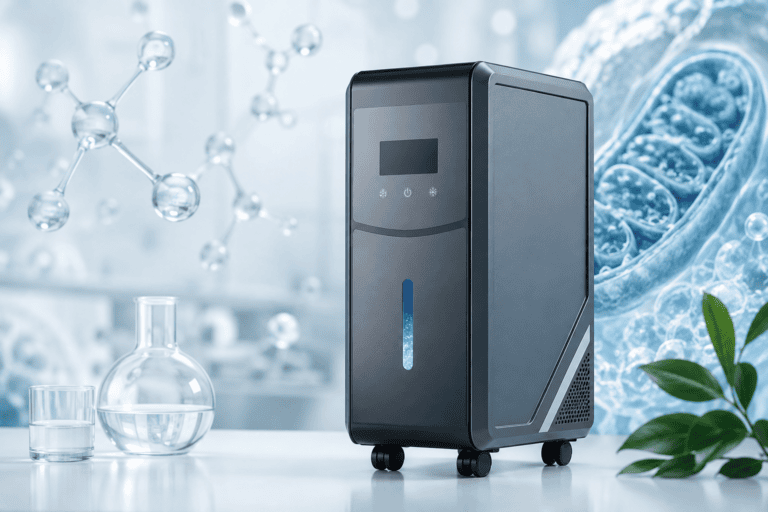
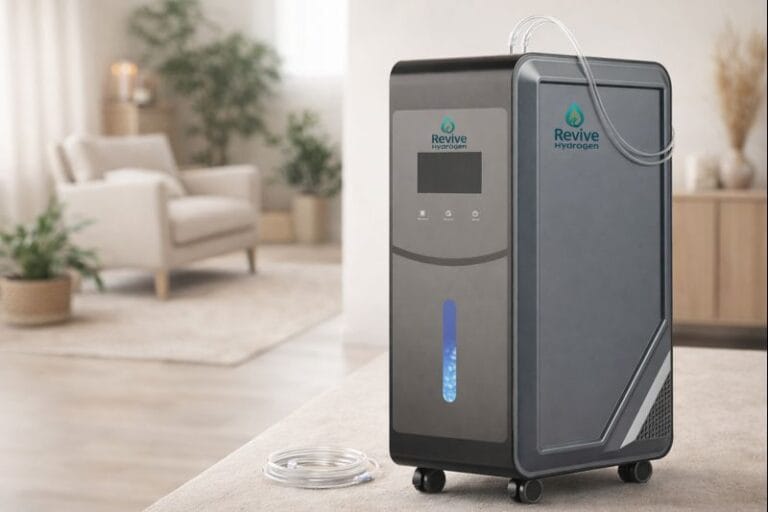
Revive Hydrogen brings this therapeutic technology directly into your home or clinical practice through a premium, high-output hydrogen inhalation generator engineered for the demands of serious cellular recovery. Delivering the consistent H₂ flow rates required for genuine tissue saturation, the Revive Hydrogen Generator is purpose-built for those who understand that longevity is not accidental — it is architected, one cellular decision at a time.
Whether your goal is mitochondrial optimization, post-training recovery, neuroprotective support, or simply building a long-term foundation of oxidative resilience, the most powerful thing you can do may be exactly what passive wellness treatments have always promised: sit back, breathe deeply, and let the science work for you.