
The Evolution of Wellness: From Active Intervention to Passive Cellular Support
Modern wellness culture often emphasizes effort—workout regimens, dietary restriction, supplement schedules, and deliberate cold exposure. While these active interventions deliver measurable benefits, emerging research into molecular hydrogen therapy introduces a fundamentally different paradigm: passive wellness treatments that work at the cellular level while you breathe, read, work, or rest. By integrating high-output hydrogen inhalation into a structured home protocol, you can support mitochondrial function, mitigate oxidative stress, and promote homeostatic balance without adding hours of active effort to your day.
Building a complete home wellness protocol around hydrogen inhalation requires understanding both the biochemistry that makes molecular hydrogen uniquely effective and the delivery systems capable of achieving therapeutic tissue saturation. This article provides a research-informed framework for integrating passive hydrogen therapy into your daily routine alongside complementary wellness practices.
The Biochemical Foundation: Why Molecular Hydrogen Qualifies as a Passive Wellness Intervention
Molecular hydrogen (H₂) functions as a selective antioxidant, a designation that distinguishes it from broad-spectrum antioxidants found in foods and supplements. Rather than indiscriminately neutralizing all reactive oxygen species—some of which serve essential signaling functions in immune response and cellular communication—hydrogen specifically targets the most cytotoxic oxidants: hydroxyl radicals (•OH) and peroxynitrite (ONOO⁻). These highly reactive molecules inflict oxidative damage to DNA, lipid membranes, and proteins, accelerating cellular aging and impairing mitochondrial efficiency.
The selective nature of hydrogen’s antioxidant activity preserves beneficial reactive oxygen species like hydrogen peroxide, which cells use for intracellular signaling, immune defense, and adaptive stress responses. This biochemical precision allows hydrogen to reduce oxidative burden without disrupting normal cellular function—a characteristic that positions it as an ideal passive wellness treatment.
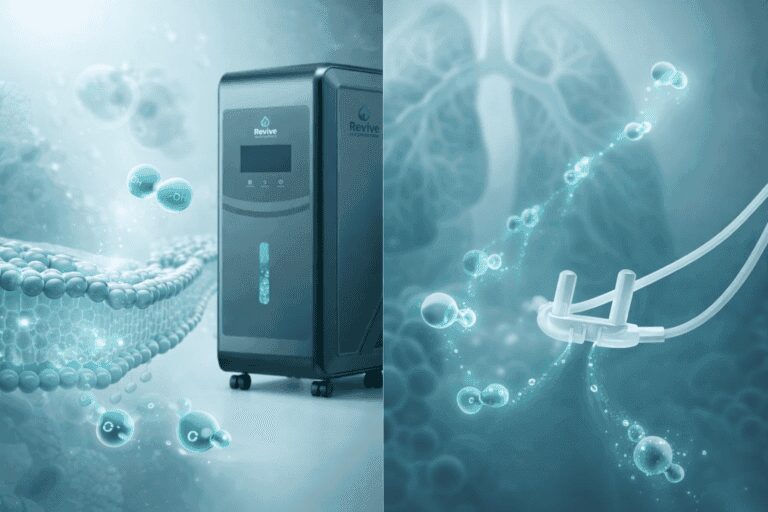
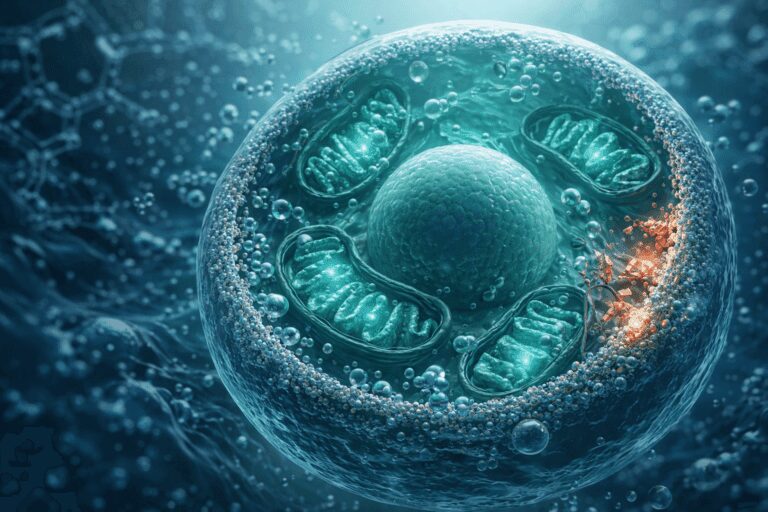
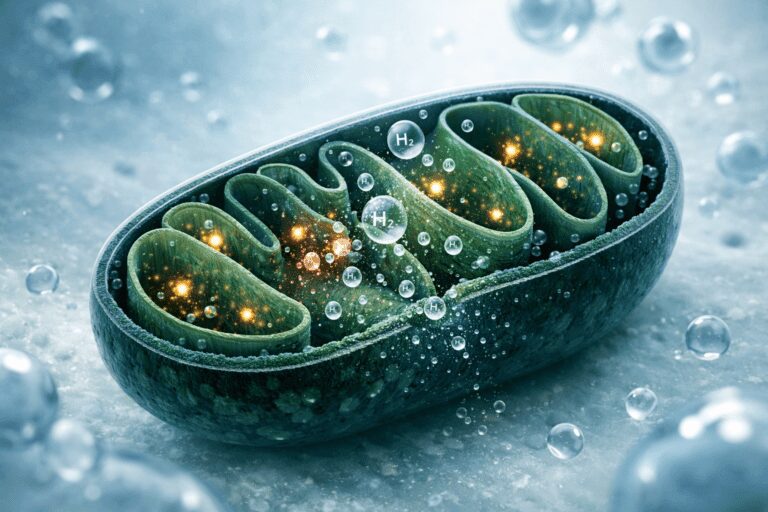
Critically, hydrogen’s small molecular size (the smallest molecule in existence) enables it to diffuse rapidly across cell membranes, blood-brain barrier, and mitochondrial membranes. Unlike larger antioxidant compounds that require active transport mechanisms, hydrogen reaches intracellular compartments through simple diffusion, making inhalation an efficient, non-invasive delivery method that requires no digestive processing or metabolic conversion.
Inhalation Versus Ingestion: Delivery Method Determines Bioavailability
While hydrogen-enriched water offers modest benefits, achieving therapeutic tissue saturation requires higher concentrations than ingestion alone can deliver. Hydrogen gas is poorly soluble in water, limiting the total molecular load available through drinking. Inhalation, by contrast, introduces hydrogen directly into the bloodstream via the alveolar-capillary interface in the lungs, bypassing digestive limitations and enabling sustained, systemic distribution.
Professional-grade hydrogen inhalation systems utilize proton exchange membrane (PEM) electrolysis to generate high-purity molecular hydrogen from distilled water. These systems produce continuous, high-volume output that supports extended passive sessions—30 to 120 minutes or longer—allowing hydrogen to accumulate in tissues, organs, and cellular compartments throughout the body. This delivery method transforms hydrogen therapy from a brief, limited intervention into a cornerstone passive wellness treatment suitable for daily integration.
Constructing Your Home Wellness Protocol: The Hydrogen-Centered Framework
An effective home wellness protocol layers multiple modalities that address distinct aspects of cellular health, recovery, and longevity. Hydrogen inhalation serves as the foundational passive treatment around which other practices can be structured. Below is a research-informed framework for building a complete protocol.
Core Protocol Element: Daily Hydrogen Inhalation Sessions
Establish a consistent daily hydrogen inhalation routine, ideally scheduling sessions during naturally passive activities. Optimal integration points include:
- Morning sessions during work or reading: 60–90 minute inhalation while checking email, reading, or conducting administrative tasks sets a baseline of antioxidant support before metabolic demands escalate.
- Evening sessions for recovery and circadian support: Hydrogen inhalation 1–2 hours before sleep may support mitochondrial recovery processes that occur during rest, while promoting a calm transition into sleep without stimulant effects.
- Post-exercise recovery windows: Inhalation immediately following training capitalizes on the period of elevated oxidative stress, potentially supporting faster recovery and reduced inflammation markers.
- Cognitive work sessions: Passive hydrogen exposure during mentally demanding tasks allows simultaneous cellular support and productivity without requiring breaks or active intervention.
Frequency and duration should be tailored to individual wellness goals, but research protocols typically employ 30–120 minute sessions once or twice daily. The passive nature of inhalation permits longer sessions without fatigue or active attention, distinguishing it from time-intensive wellness interventions.
Complementary Wellness Modalities to Layer with Hydrogen Therapy
Hydrogen inhalation integrates seamlessly with other evidence-based wellness practices. Consider structuring your protocol to include:
Nutritional ketosis or time-restricted feeding: Both practices promote mitochondrial biogenesis and metabolic flexibility. Hydrogen’s antioxidant properties may complement the oxidative stress associated with metabolic transitions, potentially easing adaptation periods.
Cold exposure or contrast therapy: Deliberate cold exposure triggers beneficial stress responses, but also generates temporary oxidative stress. Pairing cold exposure sessions with subsequent hydrogen inhalation may help balance the hormetic stress response while mitigating excessive oxidative damage.
Red and near-infrared light therapy: Photobiomodulation supports mitochondrial function through distinct mechanisms from hydrogen therapy. Using both modalities—either sequentially or simultaneously—may offer complementary benefits to cellular energy production and tissue repair.
Meditation, breathwork, or parasympathetic training: Hydrogen inhalation pairs naturally with mindfulness practices. Breathing hydrogen through a nasal cannula during meditation or gentle breathwork creates a multi-level intervention addressing both autonomic nervous system regulation and cellular oxidative stress.
Sleep optimization: Quality sleep remains the most powerful recovery and longevity intervention. Evening hydrogen sessions may support the cellular repair processes that peak during deep sleep stages, creating a synergistic relationship between two passive wellness treatments.
Tracking and Optimization: Measuring Protocol Effectiveness
Subjective wellness markers—energy levels, recovery speed, mental clarity, and stress resilience—provide initial feedback on protocol effectiveness. For more objective assessment, consider incorporating:
- Heart rate variability (HRV) monitoring: Daily HRV measurements offer insight into autonomic nervous system balance and recovery status.
- Sleep architecture tracking: Wearable devices that measure deep sleep and REM percentages can reveal whether evening hydrogen sessions correlate with sleep quality improvements.
- Performance markers: Athletes and active individuals can track training metrics, recovery times, and perceived exertion to assess whether hydrogen integration supports performance optimization.
- Periodic bloodwork: Inflammatory markers (CRP, IL-6) and oxidative stress biomarkers provide clinical-grade data on systemic changes, though these measurements require healthcare provider partnership.
Wellness protocols should evolve based on feedback and changing goals. The flexibility of hydrogen inhalation as a passive treatment allows easy adjustment of session duration, frequency, and timing without disrupting other protocol elements.
The Equipment Question: Why Hardware Quality Determines Protocol Success
Not all hydrogen generation systems deliver equivalent results. Achieving therapeutic tissue saturation requires sustained exposure to high-purity hydrogen at sufficient flow rates. Low-output systems producing diluted hydrogen-air mixtures (typically 1–4% hydrogen concentration) provide minimal molecular load, limiting cellular bioavailability.
Professional-grade systems employ PEM electrolysis with platinum-coated titanium electrodes and specialized membranes to produce pure molecular hydrogen (99.99%+ purity) at high volume. Output capacity matters significantly: systems producing 1000+ ml/min of pure hydrogen enable therapeutic dosing, while lower-output devices may require impractically long sessions or deliver insufficient molecular quantities for meaningful cellular impact.
Third-party laboratory verification of hydrogen purity and output volume provides assurance that specifications match marketing claims—a critical consideration in an emerging category with inconsistent quality standards. Systems manufactured under ISO 9001 quality management protocols and holding CE and RoHS certifications demonstrate adherence to established safety and manufacturing standards.
Delivery method also impacts user experience and protocol adherence. Nasal cannula delivery allows normal breathing, speaking, eating, and movement during sessions, truly enabling passive integration. Mask-based systems restrict activity and communication, reducing practical session length and daily protocol compatibility.
Related reading: Hydrogen and Cellular Health · Passive Wellness Treatments Guide
New to hydrogen inhalation? Download our free Beginner’s Guide to Hydrogen Inhalation for a plain-language primer on what H₂ is, how inhalation works, and how to choose a generator.
Bring This Technology Home
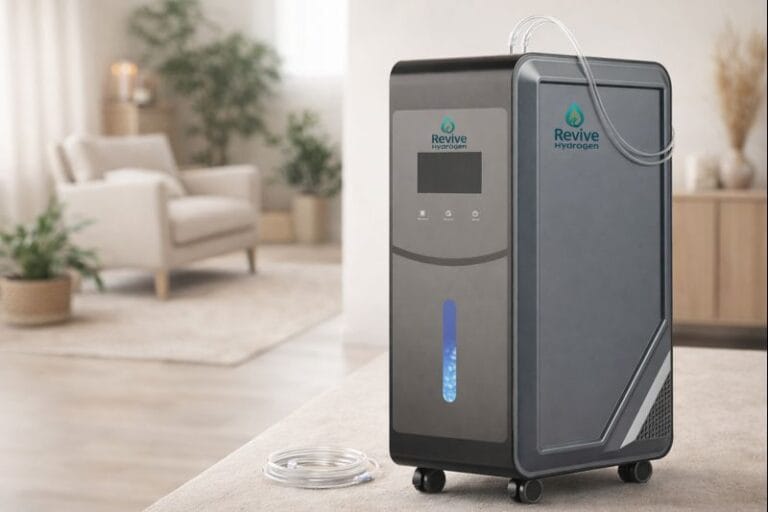
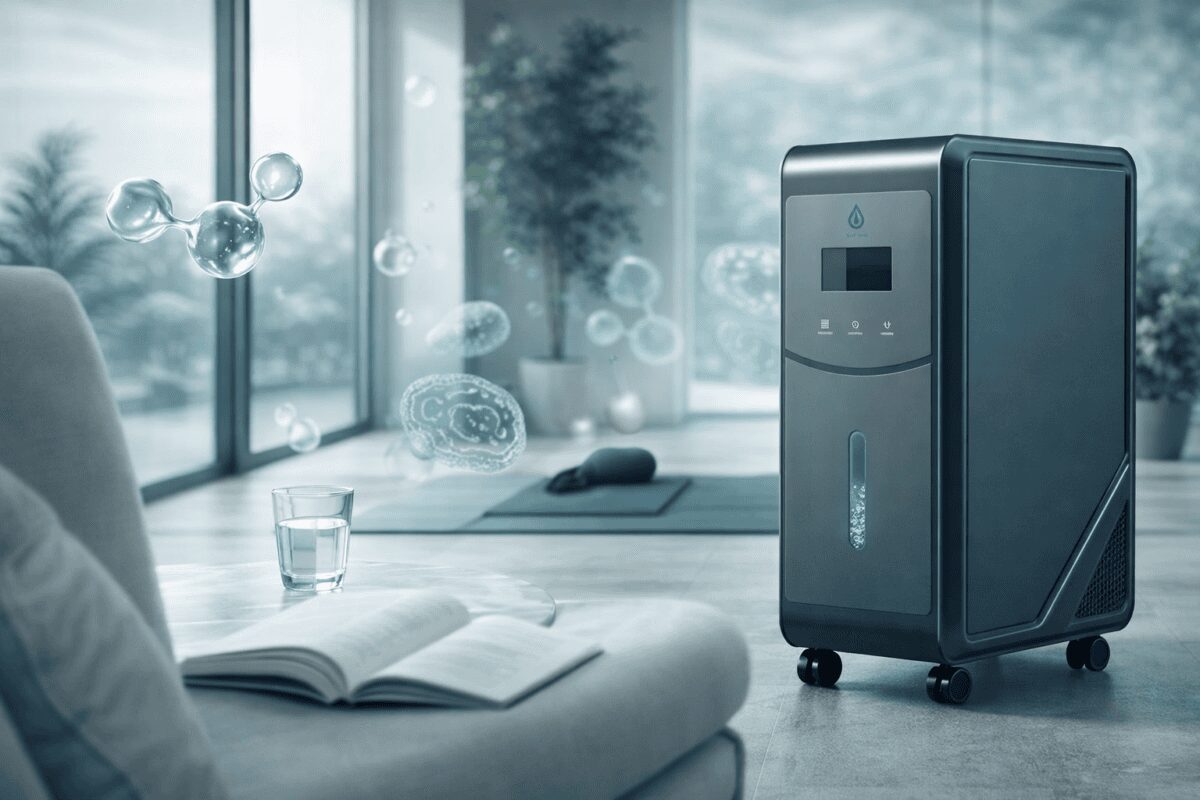
For individuals committed to building a research-informed home wellness protocol centered on passive cellular support, Revive Hydrogen offers professional-grade hydrogen generation technology designed for daily home use. The Intelligent High-Flow Hydrogen Generator produces 99.992% pure molecular hydrogen—verified by accredited third-party laboratory testing—at output rates up to 2000 ml/min of hydrogen gas, substantially exceeding the capabilities of consumer-grade hydrogen-air systems.
The system employs PEM electrolysis with platinum-coated titanium electrodes and DuPont N117 membrane technology, generating separate streams of pure hydrogen and oxygen from distilled water. Available in three output tiers (HYD-1500, HYD-1800, and HYD-3000), the platform accommodates both individual use and dual-user configurations, with nasal cannula delivery that preserves the passive, non-intrusive nature essential for daily protocol integration.
Manufactured to CE and RoHS standards under ISO 9001-certified quality management, these systems represent the caliber of equipment required for serious, sustained wellness protocols. Sessions ranging from 30 minutes to 8 hours continuous operation support flexible integration with work, rest, exercise recovery, and sleep preparation—transforming hydrogen inhalation from a novel intervention into a foundational element of comprehensive home wellness practice.