

The Ultimate Guide to Safe, Non-Invasive Passive Wellness at Home
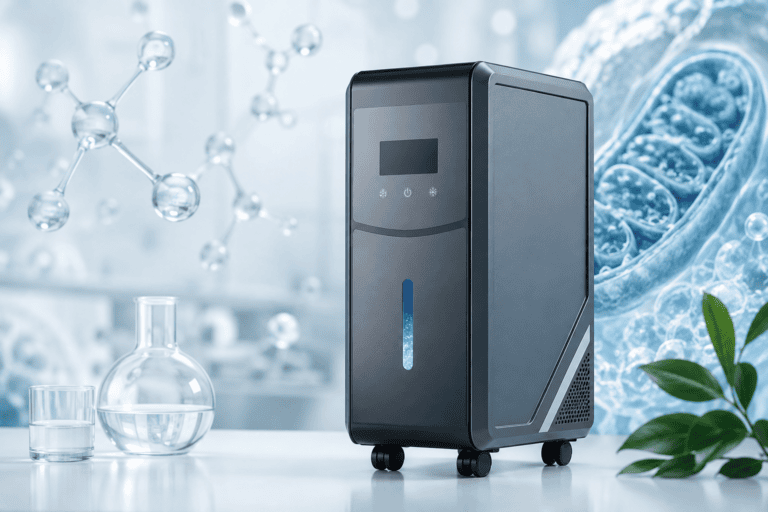
Passive wellness treatments represent a transformative shift in how we approach cellular health, recovery, and longevity—without demanding time, effort, or disruptive lifestyle changes. Unlike active interventions that require physical exertion, dietary overhaul, or pharmaceutical dependency, passive wellness modalities work silently in the background to restore homeostatic balance, mitigate oxidative stress, and optimize mitochondrial function. Among the most scientifically compelling of these approaches is molecular hydrogen (H₂) inhalation therapy: a research-backed, non-invasive method that delivers profound cellular benefits while you rest, work, read, or sleep.
This guide explores the science behind passive wellness, the unique mechanisms by which molecular hydrogen supports cellular resilience, and how professional-grade inhalation technology makes therapeutic outcomes accessible in your own home.
Understanding Passive Wellness: The Future of Preventive Health
Passive wellness treatments are defined by their ability to promote physiological optimization without requiring active participation. These therapies work at the cellular and systemic levels, supporting the body’s innate repair mechanisms while you remain in a state of rest or light activity. Examples include:
- Molecular hydrogen inhalation for selective antioxidant activity
- Pulsed electromagnetic field (PEMF) therapy for cellular voltage optimization
- Infrared sauna exposure for heat shock protein activation
- Grounding or earthing practices for inflammation modulation
- Red light photobiomodulation for mitochondrial ATP production
What sets these modalities apart is their ability to deliver measurable biological effects without imposing physical strain, caloric restriction, or metabolic demand. For individuals managing chronic stress, recovering from intense physical training, or seeking proactive longevity strategies, passive wellness treatments offer a low-barrier, high-impact pathway to sustained health optimization.
Molecular Hydrogen: The Selective Antioxidant That Changes Everything
At the forefront of passive wellness innovation is molecular hydrogen (H₂) therapy. Over 1,500 peer-reviewed studies have examined H₂’s biological effects, revealing a remarkably elegant mechanism: molecular hydrogen acts as a selective antioxidant, specifically targeting the most destructive reactive oxygen species while preserving those critical to cellular signaling.
The Biochemistry of Selective Neutralization
Not all reactive oxygen species (ROS) are harmful. In fact, mild oxidative signaling—mediated by molecules like hydrogen peroxide (H₂O₂)—is essential for immune function, cellular communication, and adaptive stress responses. The problem arises when highly toxic radicals overwhelm the body’s antioxidant defenses, causing indiscriminate damage to lipids, proteins, and DNA.
Molecular hydrogen selectively neutralizes two of the most damaging free radicals:
- Hydroxyl radicals (•OH): The most reactive and cytotoxic ROS, capable of initiating chain reactions that degrade cellular membranes, denature enzymes, and fragment genetic material.
- Peroxynitrite (ONOO⁻): A potent reactive nitrogen species formed when nitric oxide reacts with superoxide, contributing to nitrosative stress, mitochondrial dysfunction, and inflammatory cascades.
Unlike broad-spectrum antioxidants that indiscriminately quench all ROS—potentially disrupting beneficial signaling—H₂ leaves hydrogen peroxide and superoxide largely untouched. This selectivity allows the body to maintain redox homeostasis while eliminating the most dangerous oxidative threats.
Mitochondrial Optimization and Systemic Effects
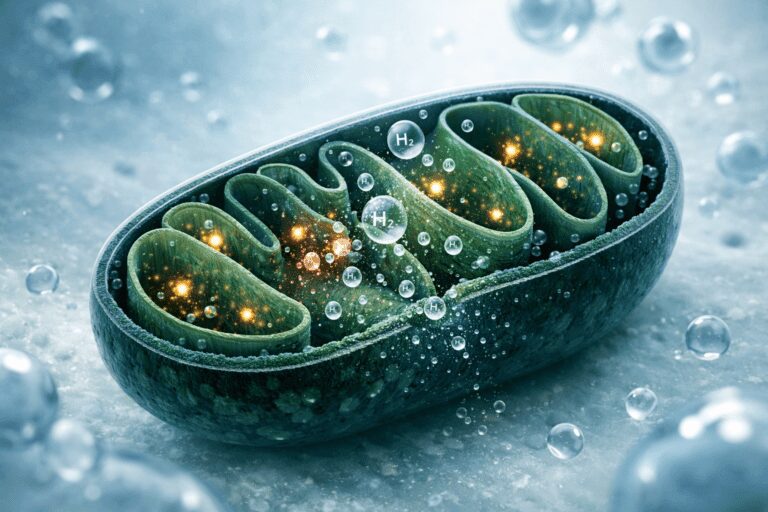
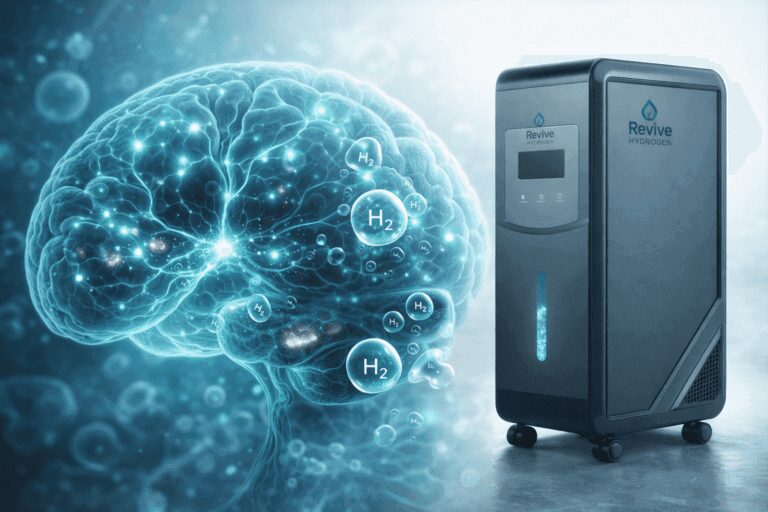
Because molecular hydrogen is the smallest molecule in existence, it crosses cellular membranes effortlessly, including the blood-brain barrier and mitochondrial double membrane. Once inside mitochondria—the powerhouse organelles responsible for ATP production—H₂ reduces oxidative burden, supports membrane potential stability, and enhances bioenergetic efficiency.
Emerging research suggests molecular hydrogen also modulates gene expression through the Nrf2 pathway, upregulating endogenous antioxidant enzymes like superoxide dismutase (SOD), catalase, and glutathione peroxidase. This dual action—direct radical scavenging plus upregulation of cellular defense systems—positions H₂ as a uniquely comprehensive tool for oxidative stress mitigation.
Why Inhalation Outperforms Water Ingestion for Passive Wellness
While hydrogen-enriched water has gained popularity, inhalation delivers substantially higher tissue saturation and faster systemic distribution. Drinking hydrogen water provides modest concentrations—typically 1–3 parts per million (ppm)—that are subject to gastrointestinal transit time, stomach pH variability, and intestinal absorption limits. By the time H₂ molecules reach systemic circulation, much of the dose has dissipated.
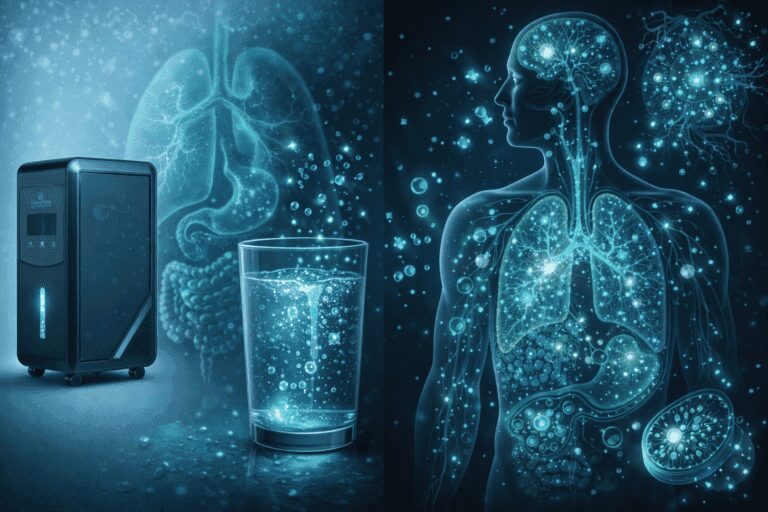
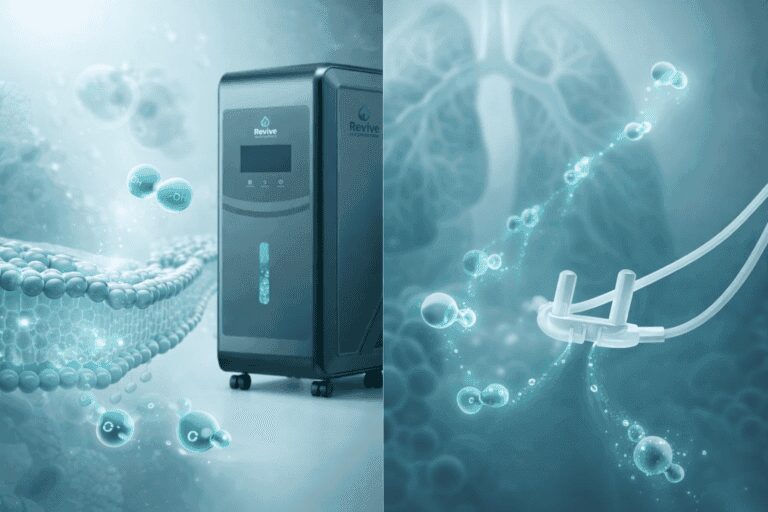
Inhalation, by contrast, bypasses the digestive system entirely. When you breathe hydrogen-rich gas produced by electrolysis through a nasal cannula or mask, molecular hydrogen diffuses directly into the bloodstream via the alveolar-capillary interface in the lungs. This route achieves:
- Rapid systemic delivery: Therapeutic concentrations reach tissues within minutes
- Sustained tissue saturation: Continuous inhalation maintains stable H₂ levels throughout the session
- Superior bioavailability: No digestive barriers or enzymatic degradation
- Deeper mitochondrial penetration: Higher concentrations support more robust antioxidant activity
For passive wellness applications—where the goal is effortless, long-duration exposure—inhalation is the gold standard. Sessions typically last 30–120 minutes, during which you can read, meditate, work remotely, or simply rest. The therapy requires no physical effort, yet delivers profound cellular support.
Safety, Accessibility, and the Home Wellness Revolution
Molecular hydrogen therapy boasts an exceptional safety profile. H₂ is non-toxic, non-carcinogenic, and produces no harmful metabolites. Decades of research in clinical, athletic, and longevity contexts have documented zero adverse effects at therapeutic concentrations. This makes hydrogen inhalation uniquely suited for daily, long-term use as a cornerstone of preventive health strategies.
Clinical-Grade Technology for Home Use
Achieving therapeutic outcomes requires more than novelty gadgets or low-output devices. Professional-grade hydrogen inhalation generators employ advanced electrolysis technology—often using proton exchange membrane (PEM) or alkaline electrolysis systems—to produce high-purity H₂ at flow rates sufficient for meaningful tissue saturation.
Key specifications to prioritize include:
- Output capacity: Look for devices producing at least 300–600 mL/min of hydrogen gas
- Purity standards: Medical-grade output with minimal contaminants
- Ease of use: Intuitive controls, low maintenance, and reliable operation
- Durability: Commercial-quality construction designed for thousands of hours of use
The democratization of this technology means that the same systems used in clinical research centers, integrative medicine practices, and elite athletic recovery facilities are now accessible for home use. This shift empowers individuals to take control of their cellular health with evidence-based, non-invasive tools.
Integrating Passive Wellness Into Daily Life
The beauty of passive wellness treatments lies in their seamless integration into existing routines. A molecular hydrogen inhalation session requires no preparation, no physical exertion, and no recovery period. Simply turn on the device, breathe normally through a nasal cannula, and continue with low-intensity activities:
- Morning sessions to kickstart mitochondrial function and mental clarity
- Post-workout inhalation to support recovery and reduce exercise-induced oxidative stress
- Evening sessions to promote relaxation, sleep quality, and overnight cellular repair
- During work-from-home hours to sustain cognitive performance and reduce inflammation
This flexibility makes molecular hydrogen inhalation one of the most practical passive wellness treatments available—delivering research-backed cellular benefits without disrupting your schedule or demanding lifestyle changes.
Related reading: Hydrogen and Cellular Health · Passive Wellness Treatments & Cellular Recovery
New to hydrogen inhalation? Download our free Beginner’s Guide to Hydrogen Inhalation for a plain-language primer on what H₂ is, how inhalation works, and how to choose a generator.
Bring This Technology Home
If you’re ready to experience the transformative potential of professional-grade molecular hydrogen therapy, Revive Hydrogen offers the most advanced, clinically validated inhalation systems designed for both home and professional use. Engineered to deliver high-purity H₂ at therapeutic flow rates, these devices bring cutting-edge wellness technology into your daily routine—effortlessly, safely, and effectively.
Passive wellness isn’t a luxury reserved for elite athletes or research labs. It’s the future of preventive health, and it’s available to you today. Invest in cellular resilience. Invest in longevity. Invest in Revive Hydrogen.