
The Sleep Crisis and the Search for Cellular Solutions
Nearly one-third of adults struggle with inadequate sleep, yet conventional approaches often overlook the cellular drivers of poor rest. Emerging research suggests molecular hydrogen (H₂) may support restorative sleep by addressing oxidative stress, neuroinflammation, and mitochondrial dysfunction—three foundational contributors to disrupted circadian rhythms and poor sleep quality. While the field is still young, early clinical and preclinical data point to hydrogen’s potential as a selective antioxidant that operates at the cellular level to promote homeostatic balance, without the sedative side effects common to pharmaceutical interventions.
Understanding hydrogen and sleep begins with recognizing that sleep quality is not merely a behavioral issue—it is a reflection of cellular health. When oxidative burden overwhelms the body’s natural antioxidant defenses, particularly in the brain, the result is often fragmented sleep, prolonged sleep latency, and reduced time in restorative deep-sleep stages. Molecular hydrogen appears to mitigate these disruptions through precise biochemical pathways.
How Molecular Hydrogen Acts as a Selective Antioxidant
Molecular hydrogen is the smallest and most bioavailable molecule in nature. Its unique therapeutic profile stems from its role as a selective antioxidant—a critical distinction from broad-spectrum antioxidants that can inadvertently disrupt beneficial oxidative signaling.
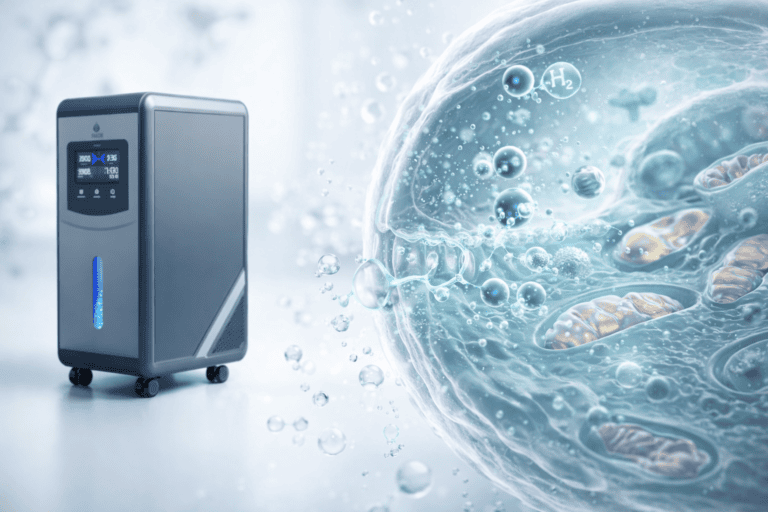
H₂ specifically neutralizes the most cytotoxic reactive oxygen species (ROS): hydroxyl radicals (•OH) and peroxynitrite (ONOO⁻). These highly reactive molecules are implicated in lipid peroxidation, DNA damage, mitochondrial dysfunction, and neuroinflammation—all of which compromise sleep architecture. Crucially, hydrogen does not interfere with signaling ROS like hydrogen peroxide (H₂O₂), which play essential roles in cellular communication, immune function, and hormonal regulation. This selectivity allows H₂ to restore oxidative balance without suppressing the body’s adaptive stress responses.
In the context of sleep, this selectivity is particularly relevant. The brain is highly metabolically active and uniquely vulnerable to oxidative damage. During wakefulness, neurons accumulate oxidative byproducts; sleep—especially slow-wave sleep—provides a window for glymphatic clearance and mitochondrial repair. When oxidative stress is chronic, this restorative cycle is disrupted. Molecular hydrogen’s ability to penetrate the blood-brain barrier and diffuse rapidly into mitochondria positions it as a potential tool for supporting neuronal health and, by extension, sleep quality.
Current Research Linking Hydrogen and Sleep
While large-scale randomized controlled trials are still needed, several peer-reviewed studies have begun to elucidate hydrogen’s effects on sleep-related biomarkers and subjective sleep outcomes.
Neuroinflammation and Oxidative Stress
A 2020 study published in Medical Gas Research investigated the effects of hydrogen-rich water consumption on oxidative stress markers and fatigue in healthy adults. Participants reported improvements in subjective fatigue and mood, both of which are closely correlated with sleep quality. The researchers attributed these findings to hydrogen’s ability to reduce lipid peroxidation and inflammatory cytokines—key mediators of sleep disturbances.
Animal models have provided more direct mechanistic insight. In rodent studies, hydrogen inhalation reduced markers of neuroinflammation in the hypothalamus and hippocampus—brain regions central to circadian regulation and sleep-wake cycles. By modulating microglia activation and reducing pro-inflammatory signaling cascades, H₂ may help preserve the integrity of neural circuits that govern sleep onset and maintenance.
Mitochondrial Optimization and Circadian Rhythms
Mitochondrial dysfunction is increasingly recognized as a driver of circadian disruption. Mitochondria generate adenosine triphosphate (ATP) and regulate redox signaling, both of which influence the timing and quality of sleep. When mitochondrial efficiency declines—due to aging, chronic stress, or metabolic disease—circadian clocks can drift, and sleep fragmentation follows.
Hydrogen’s mitochondrial effects are well-documented. H₂ has been shown to upregulate endogenous antioxidant enzymes (superoxide dismutase, catalase, glutathione peroxidase) via the Nrf2 signaling pathway, enhancing cellular resilience without suppressing beneficial oxidative signals. In preclinical models, this translates to improved mitochondrial membrane potential, reduced ROS leakage, and more efficient ATP production—all of which may support stable circadian rhythms and consolidated sleep.
Autonomic Nervous System Balance
Emerging evidence also suggests hydrogen may influence autonomic tone. A 2016 pilot study measuring heart rate variability (HRV)—a marker of parasympathetic nervous system activity—found that hydrogen-rich water consumption was associated with improved HRV in athletes recovering from intense training. Higher HRV is correlated with better sleep quality and faster recovery. While the mechanism remains under investigation, researchers hypothesize that hydrogen’s anti-inflammatory and antioxidant effects may reduce sympathetic overdrive, facilitating the shift toward restorative parasympathetic dominance necessary for deep sleep.
Why Inhalation Delivers Superior Systemic Saturation
While hydrogen-enriched water has been the focus of many early studies, hydrogen inhalation offers distinct advantages for achieving therapeutic tissue concentrations—particularly in the brain.
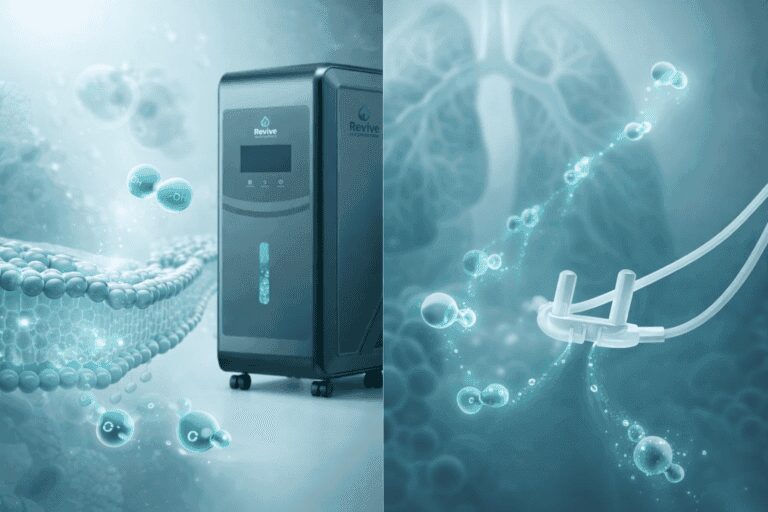
- Rapid systemic distribution: Inhaled H₂ enters the bloodstream via the alveoli, bypassing first-pass metabolism and achieving peak plasma concentrations within minutes.
- Blood-brain barrier permeability: Molecular hydrogen’s small size and lipophilic properties allow it to cross the blood-brain barrier effortlessly, delivering antioxidant support directly to neurons and glial cells.
- Sustained exposure: Inhalation enables continuous or extended dosing sessions (30–480 minutes), maintaining elevated tissue H₂ levels that may be difficult to achieve through intermittent water consumption alone.
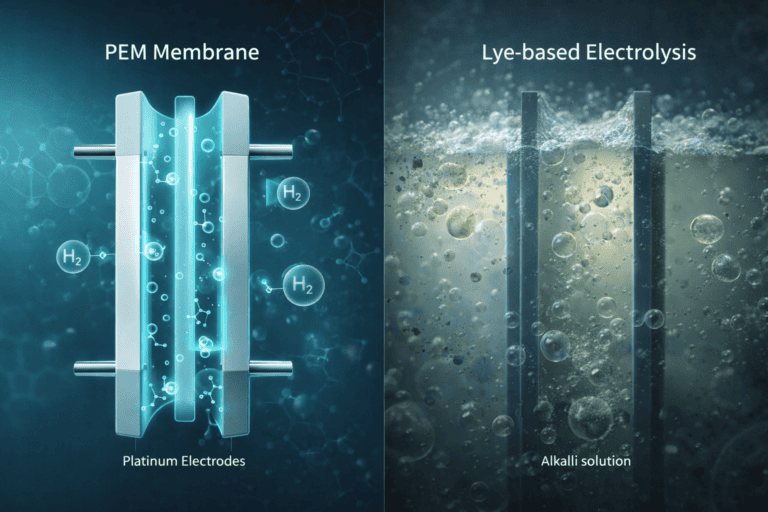
- High purity and dose control: Professional-grade hydrogen generators utilizing PEM (Proton Exchange Membrane) electrolysis produce high-purity H₂ at consistent, measurable flow rates—critical for reproducibility and efficacy.
For individuals seeking to explore hydrogen and sleep as part of a comprehensive wellness protocol, high-output inhalation represents the most direct and efficient delivery modality currently available.
Practical Considerations for Hydrogen and Sleep Support
Integrating molecular hydrogen into a sleep-focused wellness routine requires thoughtful implementation. While research is promising, hydrogen is not a standalone solution—it functions best as part of a broader approach to circadian health that includes light exposure management, consistent sleep-wake timing, stress mitigation, and nutritional optimization.
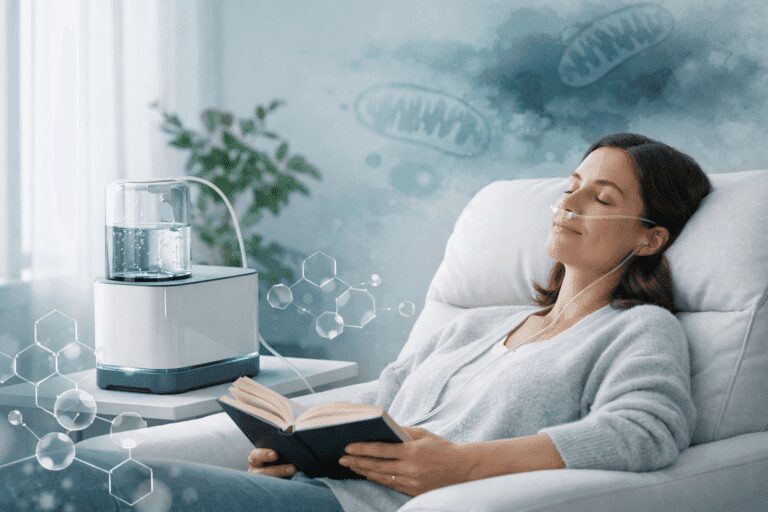
Most protocols in the literature involve daily sessions of 30–120 minutes, often in the evening or before bed, to align antioxidant support with the body’s natural repair window. Users report subjective improvements in sleep onset latency, reduced nighttime awakenings, and enhanced morning alertness, though individual responses vary.
It is essential to emphasize that hydrogen therapy should not replace evidence-based sleep hygiene practices or medical evaluation for sleep disorders such as obstructive sleep apnea, insomnia, or restless leg syndrome. Rather, H₂ may serve as a complementary tool for those seeking to optimize cellular health and resilience in support of better rest.
Bring This Technology Home
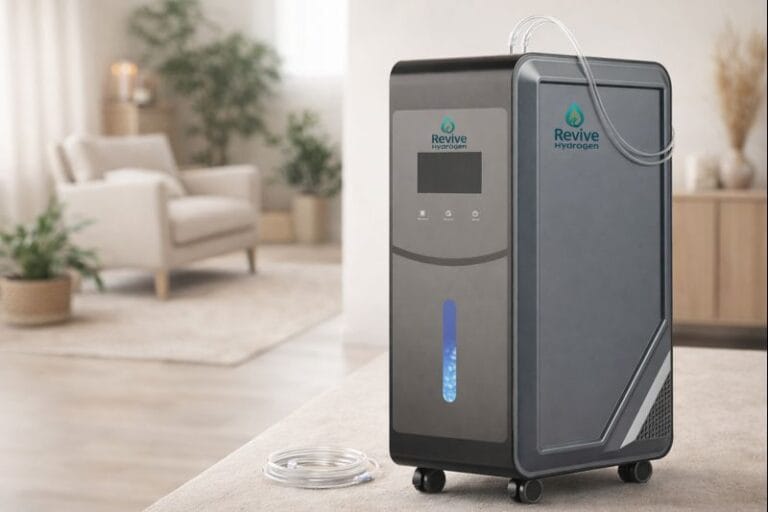
For individuals and practitioners interested in exploring the potential of molecular hydrogen inhalation, access to reliable, high-output technology is paramount. Revive Hydrogen offers the Intelligent High-Flow Hydrogen Generator, engineered specifically for professional-grade home and clinical wellness applications.
Built on PEM (Proton Exchange Membrane) electrolysis, the system utilizes platinum-coated titanium electrodes and a DuPont N117 membrane to generate molecular hydrogen at a verified purity of 99.992%—independently confirmed by an accredited third-party laboratory. Unlike diluted hydrogen-air mixtures common in competitor devices, Revive’s generators produce pure H₂ output alongside separate oxygen, ensuring consistent, therapeutic-grade saturation.
The platform is available in three tiers—HYD-1500, HYD-1800, and HYD-3000—offering scalable output to meet individual or shared-use needs. All models include nasal cannula delivery, programmable session timers from 30 to 480 minutes, UV-C water disinfection, and the ability to run continuously for up to eight hours. Manufactured to CE and RoHS standards within an ISO 9001-certified quality management system, each unit is backed by a comprehensive three-year limited warranty covering defects in materials and workmanship.
As research into hydrogen and sleep continues to evolve, having access to a dependable, lab-grade hydrogen generator positions users at the forefront of cellular wellness innovation—empowering them to integrate cutting-edge science into their daily routine with confidence and precision.