
Hydrogen Inhalation Generators: A Beginner’s Guide to Cellular Health
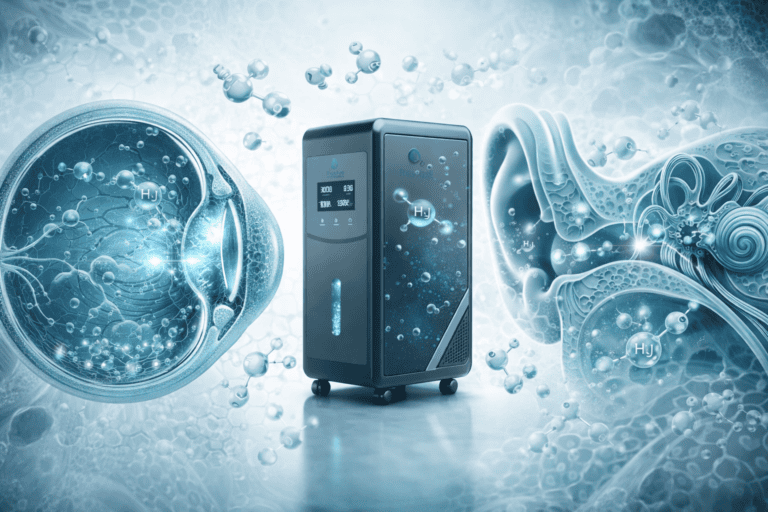
Your cells produce energy through tightly controlled biochemical reactions in the mitochondria—but they also generate oxidative byproducts. While some reactive oxygen species (ROS) serve essential signaling functions, others inflict cellular damage that accelerates aging, impairs recovery, and disrupts homeostatic balance. Molecular hydrogen (H₂) has emerged as a selective antioxidant capable of addressing the most destructive oxidative threats without compromising beneficial cellular signaling. When delivered via a professional-grade hydrogen inhalation generator, H₂ achieves deep tissue saturation, supporting mitochondrial optimization and systemic wellness in ways that oral supplementation alone cannot match.
Understanding Oxidative Stress and the Selective Antioxidant Advantage
Not all free radicals are created equal. Your body intentionally produces certain reactive oxygen species—such as hydrogen peroxide (H₂O₂) and superoxide (O₂⁻)—to facilitate immune responses, regulate gene expression, and enable intercellular communication. Conventional antioxidants, taken indiscriminately in high doses, can neutralize these beneficial signaling molecules, potentially disrupting normal cellular function.
Molecular hydrogen operates differently. Research demonstrates that H₂ selectively targets only the most cytotoxic radicals: hydroxyl radicals (•OH) and peroxynitrite (ONOO⁻). Hydroxyl radicals are the most reactive and damaging ROS, capable of indiscriminately oxidizing DNA, lipids, and proteins. Peroxynitrite, formed when nitric oxide reacts with superoxide, damages mitochondrial membranes and compromises cellular energy production. By neutralizing these destructive species while preserving beneficial ROS like hydrogen peroxide, molecular hydrogen supports oxidative stress mitigation without interfering with the body’s natural regulatory mechanisms.
How Molecular Hydrogen Works at the Cellular Level
Once absorbed into tissues, H₂ diffuses rapidly across cellular and subcellular membranes due to its extremely small molecular size and nonpolar nature. It penetrates mitochondria, nuclei, and even crosses the blood-brain barrier—areas where conventional antioxidants struggle to reach. Inside these compartments, hydrogen participates in reduction reactions with hydroxyl radicals, converting them into harmless water (H₂O). This process reduces oxidative burden without generating secondary reactive intermediates, making it remarkably biocompatible.
Beyond direct antioxidant activity, molecular hydrogen modulates gene expression related to inflammation, cellular stress response, and energy metabolism. Studies have shown that H₂ upregulates endogenous antioxidant enzymes such as superoxide dismutase (SOD), catalase, and glutathione peroxidase, amplifying the body’s innate protective systems. This dual mechanism—direct neutralization and indirect upregulation—positions molecular hydrogen as a sophisticated tool for maintaining cellular resilience and metabolic homeostasis.
Why Inhalation Outperforms Hydrogen Water for Systemic Wellness
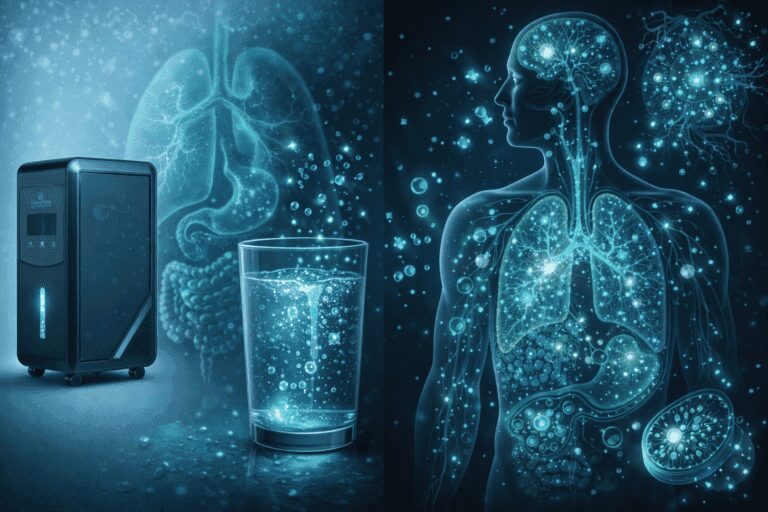
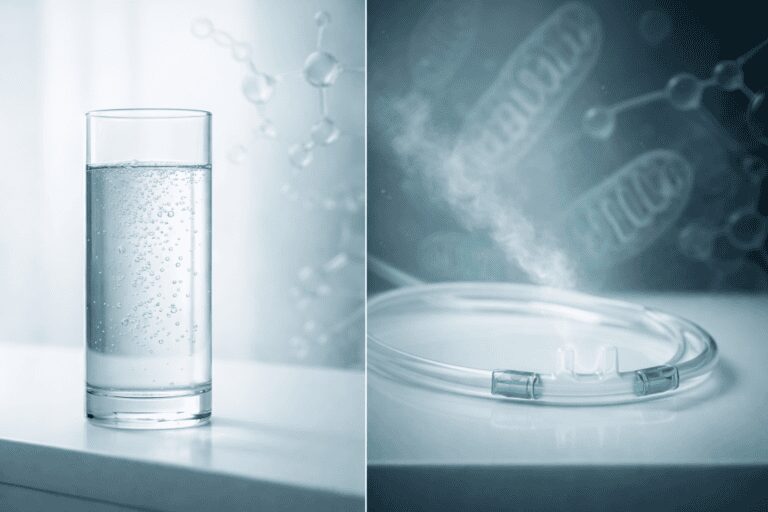
While hydrogen-enriched water has gained popularity for its convenience, inhalation via a dedicated hydrogen generator offers distinct physiological advantages. Hydrogen water typically delivers concentrations between 0.5 and 1.6 parts per million (ppm), and bioavailability is limited by gastric absorption and first-pass metabolism. In contrast, inhaling molecular hydrogen allows direct absorption through the alveoli in the lungs, bypassing digestive limitations and achieving rapid systemic distribution via the bloodstream.
Achieving Therapeutic Tissue Saturation
Professional-grade hydrogen inhalation generators produce high-purity H₂ gas at flow rates ranging from 150 to 600 milliliters per minute or higher. When inhaled over sessions of 30 to 90 minutes, this delivery method saturates tissues far more effectively than drinking hydrogen water. Blood hydrogen concentrations rise measurably within minutes, and the gas diffuses into organs, muscles, connective tissues, and the central nervous system.
This systemic saturation is particularly valuable for recovery-focused applications. Athletes, biohackers, and wellness enthusiasts use hydrogen inhalation to support post-exercise recovery, reduce exercise-induced oxidative stress, and promote mitochondrial efficiency. Clinical and research settings have explored inhalation therapy for neurological support, metabolic health, and inflammatory modulation—all contexts where localized or transient hydrogen exposure from water would be insufficient.
The Hardware Difference: Why Generator Quality Matters
Not all hydrogen generators are engineered equally. High-output, medical-grade systems utilize advanced electrolysis technology—often proton exchange membrane (PEM) or alkaline electrolysis—to split purified water into hydrogen and oxygen with precision. Quality generators incorporate:
- High purity output: Producing H₂ concentrations exceeding 99.99%, free from contaminants or unwanted gases
- Consistent flow rates: Ensuring stable delivery over extended sessions for predictable tissue saturation
- Safety mechanisms: Including pressure regulation, gas purity sensors, and automatic shutoff features
- Durable construction: Medical-grade materials designed for daily use in home wellness and clinical environments
- User-friendly interfaces: Digital controls, session timers, and real-time monitoring displays
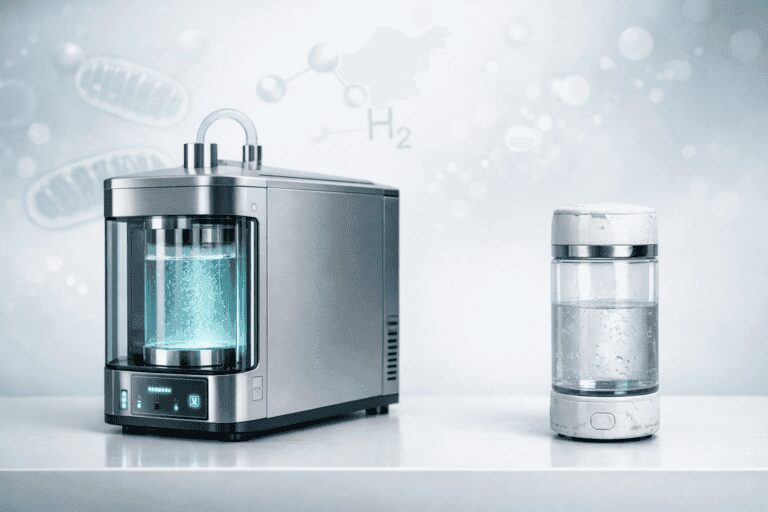
These features distinguish professional hydrogen inhalation generators from low-cost water ionizers or portable hydrogen water bottles, which lack the capacity to produce therapeutic-grade gas for inhalation.
Practical Considerations for Integrating Hydrogen Inhalation Into Your Wellness Protocol
Starting a hydrogen inhalation practice is straightforward, but optimizing your approach requires attention to session structure, frequency, and individual wellness goals. Most users begin with 30-minute sessions, gradually extending to 60 or 90 minutes as they become accustomed to the practice. Frequency varies: some individuals inhale hydrogen daily for ongoing cellular maintenance, while others use it strategically around workouts, stressful periods, or recovery windows.
Choosing the Right Environment and Routine
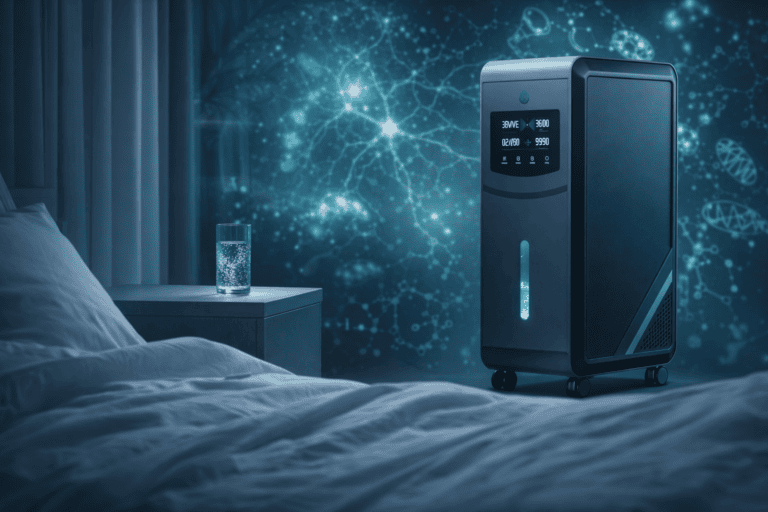
Hydrogen inhalation is a passive therapy—you simply breathe normally through a nasal cannula while the generator runs. This makes it compatible with meditation, reading, light desk work, or relaxation. Creating a calm, distraction-free environment enhances the restorative benefits. Many practitioners combine hydrogen inhalation with mindfulness practices, viewing the session as dedicated recovery time for both body and mind.
Because molecular hydrogen is odorless, tasteless, and non-sedating, there are no perceptible sensations during inhalation. Effects accumulate at the cellular level over time, supporting mitochondrial function, reducing cumulative oxidative damage, and fostering metabolic resilience. While some users report subjective improvements in energy, mental clarity, and recovery speed within days, the most profound benefits manifest through consistent, long-term use.
Safety and Biocompatibility
Molecular hydrogen has an excellent safety profile. It is non-toxic, non-carcinogenic, and naturally present in the gut microbiome through bacterial fermentation of dietary fiber. Clinical studies have administered H₂ via inhalation, ingestion, and intravenous infusion without significant adverse effects. Because hydrogen is so small and inert, excess quantities simply diffuse out through respiration and skin, preventing accumulation.
That said, always source hydrogen from a reputable generator that produces clean, contaminant-free gas. Poor-quality electrolysis systems may inadvertently introduce trace impurities. Investing in a professionally designed hydrogen inhalation generator ensures both safety and efficacy.
Related reading: Hydrogen and Cellular Health · Molecular Hydrogen Inhaler Buying Guide
New to hydrogen inhalation? Download our free Beginner’s Guide to Hydrogen Inhalation for a plain-language primer on what H₂ is, how inhalation works, and how to choose a generator.
Bring This Technology Home
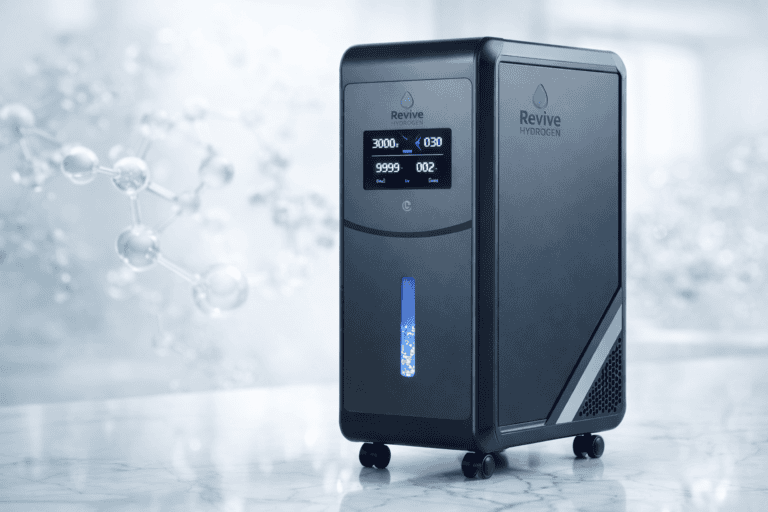
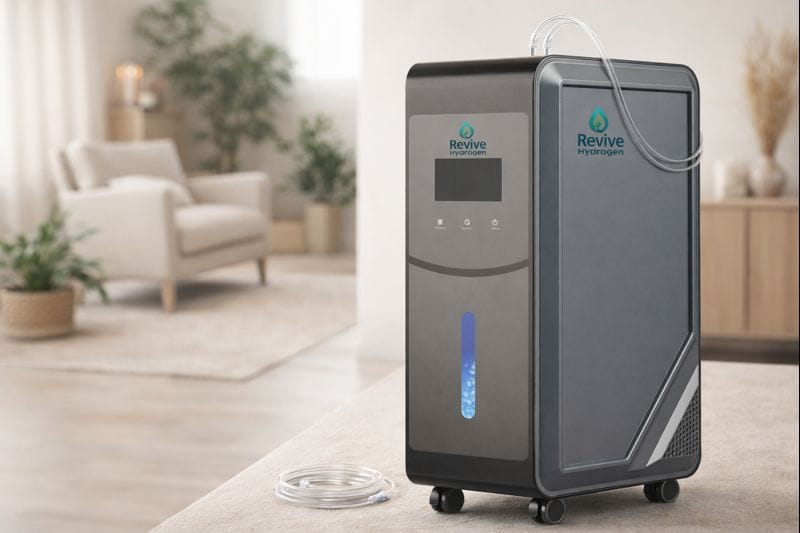
For those ready to integrate molecular hydrogen therapy into their daily wellness routine, selecting the right equipment is critical. The Revive Hydrogen Generator represents the pinnacle of home and clinical hydrogen inhalation technology. Engineered with medical-grade components, high-purity PEM electrolysis, and intuitive digital controls, it delivers therapeutic hydrogen concentrations with reliability and precision.
Whether you’re an athlete optimizing recovery, a biohacker pursuing longevity, or a wellness professional offering cutting-edge therapies, the Revive Hydrogen Generator provides the performance and consistency required for meaningful cellular health outcomes. Explore the full specifications, clinical insights, and user testimonials to discover how professional-grade hydrogen inhalation can elevate your approach to mitochondrial wellness and oxidative stress management.