
The Quiet Revolution in Integrative Medicine
Integrative medicine is experiencing a paradigm shift as practitioners and wellness-focused individuals discover molecular hydrogen therapy—a evidence-based modality that addresses cellular dysfunction at its source. Unlike conventional antioxidants that indiscriminately neutralize all reactive oxygen species, molecular hydrogen (H₂) operates with remarkable biochemical precision, selectively targeting the most damaging free radicals while preserving essential cellular signaling pathways. This selective mechanism positions H₂ as a foundational tool for mitochondrial optimization, systemic recovery, and homeostatic balance across diverse clinical and wellness contexts.
The growing body of peer-reviewed research—now exceeding 1,500 published studies—has illuminated hydrogen’s unique role in oxidative stress mitigation, inflammatory modulation, and cellular resilience. As integrative practitioners seek therapies that work with the body’s innate regulatory systems rather than overwhelming them, molecular hydrogen therapy has emerged as a sophisticated addition to protocols spanning athletic recovery, healthy aging, metabolic wellness, and post-exercise recuperation.
The Biochemistry Behind Selective Antioxidant Action
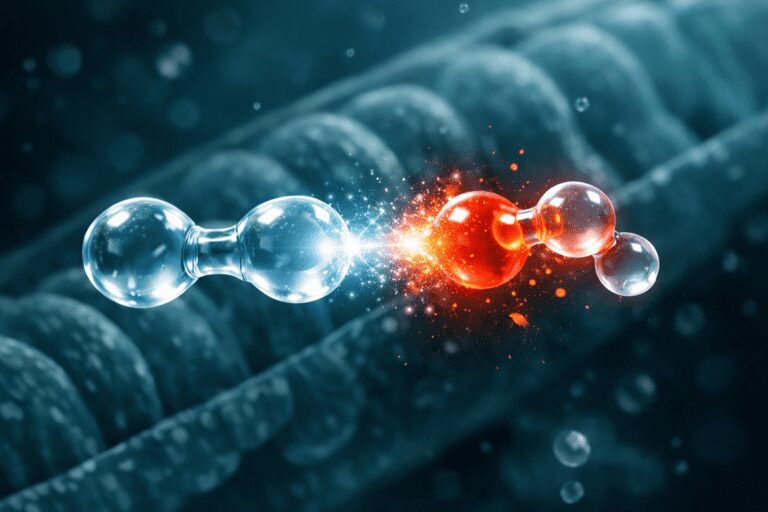
What distinguishes molecular hydrogen from conventional antioxidants like vitamin C, vitamin E, or glutathione is its targeted selectivity. H₂ molecules are extraordinarily small—the smallest molecule in existence—allowing passive diffusion across cell membranes, through the blood-brain barrier, and directly into mitochondria and the nucleus without requiring transport proteins or energy expenditure.
Once inside the cell, molecular hydrogen selectively neutralizes hydroxyl radicals (•OH) and peroxynitrite (ONOO⁻), two of the most cytotoxic reactive oxygen species known to damage DNA, proteins, and lipid membranes. Critically, H₂ does not interfere with beneficial reactive oxygen species such as hydrogen peroxide (H₂O₂) or superoxide (O₂⁻), which serve essential roles in immune signaling, cellular communication, and adaptive stress responses.
This selective mechanism preserves the body’s natural redox signaling architecture while eliminating only the most destructive oxidative threats. The result is a more intelligent form of antioxidant support—one that reduces oxidative damage without disrupting the carefully calibrated redox biology that underpins cellular health.
Molecular Hydrogen’s Multifaceted Cellular Benefits
Research suggests molecular hydrogen influences numerous cellular pathways beyond direct free radical scavenging:
- Mitochondrial efficiency: H₂ supports optimal electron transport chain function, potentially enhancing cellular energy production while reducing oxidative byproducts.
- Gene expression modulation: Hydrogen activates the Nrf2 pathway, upregulating endogenous antioxidant enzymes including superoxide dismutase, catalase, and glutathione peroxidase.
- Inflammatory pathway regulation: H₂ has been shown to modulate pro-inflammatory cytokines and signaling molecules, supporting balanced immune responses.
- Cellular autophagy: Emerging evidence suggests hydrogen may support cellular “housekeeping” processes that remove damaged proteins and organelles.
- Apoptosis signaling: Preliminary research indicates H₂ may influence programmed cell death pathways in ways that support cellular health and turnover.
Why Inhalation Delivers Superior Systemic Saturation
While hydrogen-enriched water has gained popularity as an entry point to H₂ supplementation, the clinical and research communities increasingly recognize inhalation as the gold standard for achieving therapeutic tissue saturation. The difference lies in bioavailability, concentration, and delivery kinetics.
When molecular hydrogen is inhaled through a nasal cannula, it enters the bloodstream directly via the alveolar-capillary interface in the lungs. This pulmonary route enables rapid systemic distribution with significantly higher concentrations than oral consumption can achieve. Peak blood and tissue concentrations occur within minutes, and sustained inhalation maintains stable therapeutic levels throughout the session.
Hydrogen-enriched water, while beneficial for localized gastrointestinal support, faces inherent limitations: H₂ is poorly soluble in water, with maximum saturation around 1.6 parts per million at standard temperature and pressure. Much of the dissolved hydrogen can off-gas before consumption, and the volume required to achieve meaningful systemic effects is impractically large. Furthermore, gastric transit time and metabolic processing reduce bioavailability.
Professional-grade hydrogen inhalation systems address these constraints by delivering pure molecular hydrogen at clinically relevant flow rates—measured in hundreds or thousands of milliliters per minute—enabling passive, continuous saturation of tissues throughout the body. This approach mirrors the methodology used in the majority of clinical trials demonstrating hydrogen’s wellness applications.
The Technology Required for Therapeutic Output
Not all hydrogen generation systems are created equal. Achieving the flow rates and purity levels necessary for meaningful wellness applications requires sophisticated engineering, specifically PEM (Proton Exchange Membrane) electrolysis technology with platinum-coated titanium electrodes and high-grade ion-exchange membranes.
Consumer-grade hydrogen water machines and low-output “portable” devices typically generate hydrogen-air or hydrogen-oxygen mixtures at concentrations of 1–4% and total flow rates under 300 ml/min. While these may provide modest antioxidant support, they fall short of the concentrations used in clinical research protocols, which commonly employ flow rates exceeding 1,000 ml/min of molecular hydrogen.
Professional-grade systems capable of producing pure hydrogen at high flow rates represent a different category entirely—designed for clinical use, integrative medicine practices, and serious wellness enthusiasts who prioritize evidence-based, research-grade approaches to cellular health optimization.
Integration Into Clinical and Wellness Protocols
Forward-thinking integrative medicine practitioners are incorporating molecular hydrogen therapy into comprehensive wellness protocols addressing:
Athletic Performance and Recovery: Athletes use hydrogen inhalation to support post-exercise recovery, with research suggesting benefits for oxidative stress markers, lactate clearance, and muscle fatigue perception.
Healthy Aging and Longevity: The selective antioxidant properties and mitochondrial support mechanisms position H₂ as a foundational element in longevity-focused protocols aimed at maintaining cellular resilience and metabolic health.
Metabolic Wellness: Emerging research explores hydrogen’s role in supporting healthy glucose metabolism, lipid profiles, and body composition parameters.
Neurological Health: Given hydrogen’s unique ability to cross the blood-brain barrier, preliminary studies investigate its potential to support cognitive function, neuroprotection, and healthy neuroinflammatory responses.
Post-Procedure Recovery: Some integrative practitioners employ hydrogen therapy as adjunctive support following surgical procedures or intensive medical interventions, though this application remains investigational.
The versatility of molecular hydrogen therapy stems from its fundamental mechanism: addressing oxidative stress and inflammatory signaling at the cellular level, processes that underlie virtually every aspect of human health and disease.
Related reading: Science Hub · Hydrogen Therapy for Wellness Clinics
New to hydrogen inhalation? Download our free Beginner’s Guide to Hydrogen Inhalation for a plain-language primer on what H₂ is, how inhalation works, and how to choose a generator.
Bring This Technology Home
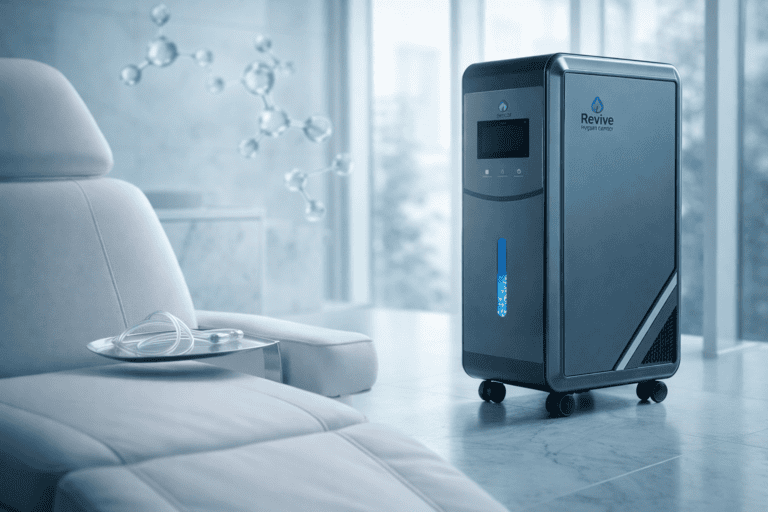
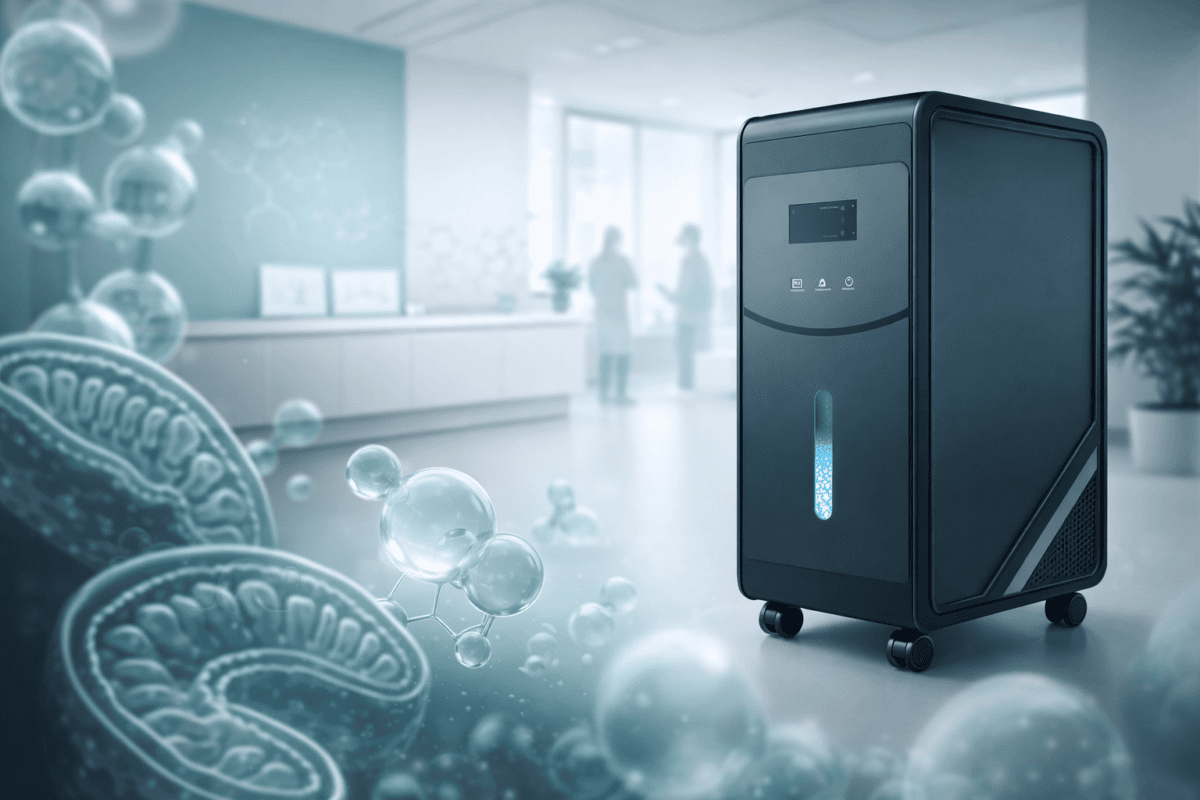
For practitioners and individuals committed to evidence-based wellness optimization, access to professional-grade hydrogen inhalation technology is now available for home and clinical use. Revive Hydrogen manufactures intelligent high-flow hydrogen generators designed to deliver research-grade molecular hydrogen at concentrations and flow rates aligned with published clinical protocols.
The Revive Hydrogen system employs PEM electrolysis of distilled water using platinum-coated titanium electrodes and a DuPont N117 membrane, producing molecular hydrogen at 99.992% purity—independently verified by accredited third-party laboratory analysis. Unlike diluted hydrogen-air mixtures common in consumer devices, Revive generators produce pure molecular hydrogen with separate oxygen output, available in three flow tiers: the HYD-1500 (up to 1,000 ml/min H₂), HYD-1800 (up to 1,200 ml/min H₂), and HYD-3000 (up to 2,000 ml/min H₂).
These systems are dual-user capable, feature integrated UV-C water disinfection, programmable session timers from 30 to 480 minutes, and support up to eight hours of continuous operation. Manufactured to CE and RoHS standards under an ISO 9001-certified quality management system, each unit includes a three-year limited warranty and four nasal cannulas for immediate use.
As molecular hydrogen therapy continues its integration into evidence-based wellness and integrative medicine practices, access to professional-grade generation technology represents a meaningful investment in cellular health optimization, mitochondrial support, and long-term wellness resilience. Explore the full specifications and clinical-grade hydrogen generation capabilities at Revive Hydrogen.