
Why Flow Rate Matters More Than Marketing Claims
In the rapidly expanding world of molecular hydrogen wellness technology, consumers face a bewildering array of devices promising transformative health benefits. Yet beneath the polished marketing lies a fundamental truth that separates genuine therapeutic potential from expensive placeholders: flow rate determines efficacy. Without sufficient hydrogen delivery volume, even the purest H₂ cannot achieve the tissue saturation levels required for meaningful cellular impact. Understanding this relationship between delivery mechanics and biochemical action is essential for anyone considering hydrogen inhalation as a wellness strategy.
The human body responds to molecular hydrogen in dose-dependent fashion. While hydrogen water offers convenience, inhalation delivers exponentially higher concentrations directly into systemic circulation through pulmonary absorption. But not all inhalers deliver equally—and this is where flow rate becomes the critical specification that marketing materials often obscure.
The Biochemistry of Therapeutic Hydrogen Delivery
Molecular hydrogen operates as a selective antioxidant at the cellular level, exhibiting remarkable specificity in its biochemical targets. Unlike broad-spectrum antioxidants that indiscriminately neutralize all reactive species, H₂ selectively reduces the most cytotoxic radicals—specifically hydroxyl radicals (•OH) and peroxynitrite (ONOO⁻)—while preserving beneficial signaling molecules like hydrogen peroxide that cells require for normal immune function and cellular communication.
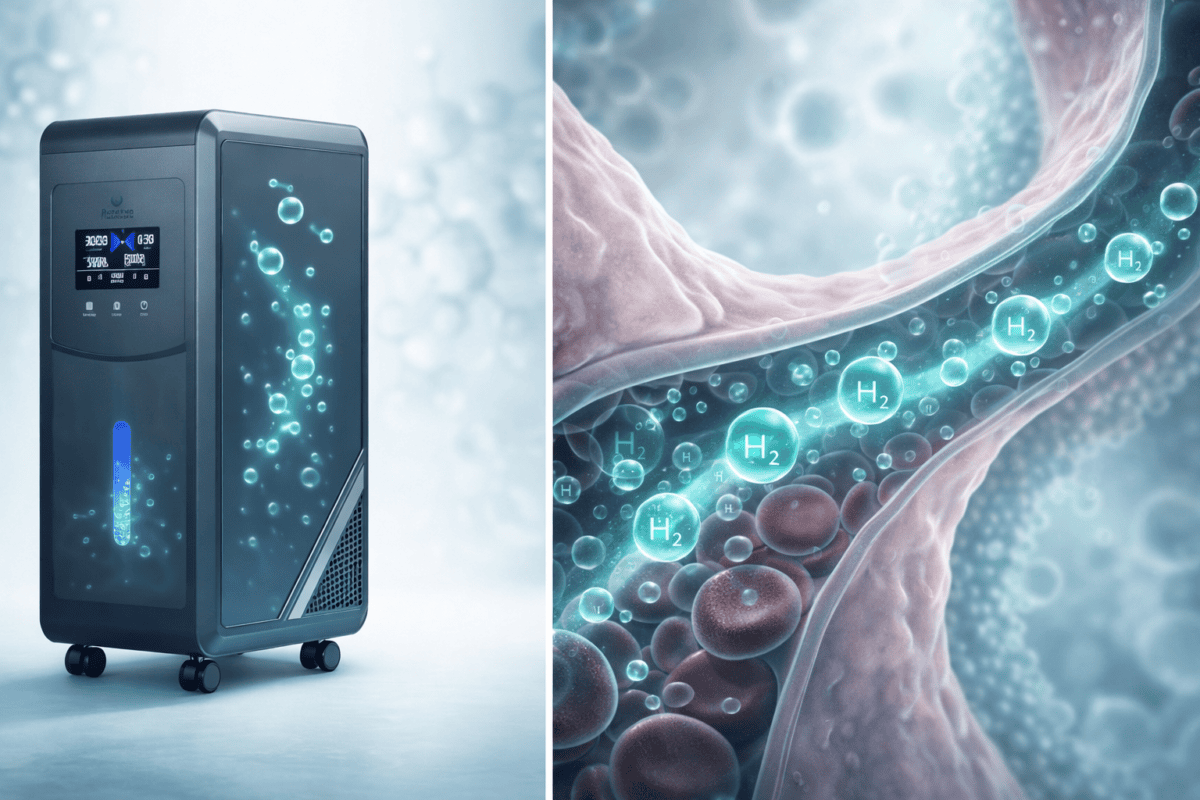
This selectivity stems from hydrogen’s unique physicochemical properties. As the smallest and most bioavailable molecule, H₂ rapidly diffuses across cellular membranes, penetrating mitochondria, nuclei, and other subcellular compartments that larger antioxidants cannot access. Within milliseconds of inhalation, hydrogen molecules begin saturating blood plasma, cerebrospinal fluid, and intracellular spaces throughout the body.
However, achieving therapeutic tissue saturation requires sustained delivery of sufficient hydrogen volume. Research examining hydrogen’s effects on oxidative stress mitigation, inflammatory pathway modulation, and cellular homeostasis consistently employs inhalation protocols delivering substantial H₂ concentrations over extended periods. This is where flow rate transitions from technical specification to biological imperative.
Concentration Versus Volume: Understanding the Critical Difference
Many consumer-grade devices advertise hydrogen concentration percentages while obscuring actual output volume—a deliberate marketing misdirection. A device producing 4% hydrogen concentration at 200 ml/min total flow delivers only 8 ml/min of actual H₂. Compare this to professional-grade systems generating 1000-2000 ml/min of pure molecular hydrogen, and the magnitude of difference becomes immediately apparent.
Human respiratory physiology provides context for these numbers. Average adult breathing consumes approximately 6-8 liters per minute during rest. To meaningfully elevate blood and tissue hydrogen levels, inhalation systems must deliver hydrogen volumes that represent a substantial fraction of respiratory minute volume—not the negligible quantities produced by low-output devices marketed primarily on portability or price point.
Why Professional-Grade Output Defines Real Therapeutic Potential
The relationship between flow rate and biological effect follows established principles of gas exchange physiology. Hydrogen absorbed through pulmonary circulation enters arterial blood immediately, bypassing first-pass hepatic metabolism that limits the bioavailability of many orally consumed compounds. This direct systemic delivery enables rapid equilibration throughout body tissues, including privileged sites like the brain and bone marrow.
High-flow inhalation systems achieve several critical advantages:
- Sustained therapeutic tissue concentrations: Continuous high-volume delivery maintains elevated H₂ levels in blood plasma and interstitial fluid throughout extended sessions, allowing time for hydrogen to exert its selective antioxidant effects across multiple organ systems.
- Mitochondrial optimization: Sufficient hydrogen penetration into mitochondrial compartments supports the organelles’ natural defense against oxidative damage, potentially supporting cellular energy production efficiency and reducing oxidative stress burden on respiratory chain complexes.
- Systemic versus localized effects: High flow rates ensure hydrogen distribution reaches peripheral tissues, not just highly perfused organs, enabling body-wide oxidative stress mitigation rather than isolated regional effects.
- Practical session efficiency: Greater output allows users to achieve meaningful hydrogen exposure in reasonable timeframes—30 to 90 minutes rather than impractically long multi-hour sessions required by low-output devices.
The Technology Behind Legitimate High-Flow Systems
Achieving professional-grade hydrogen output requires sophisticated engineering, not simple electrolysis. Advanced systems employ PEM (Proton Exchange Membrane) electrolysis with platinum-coated titanium electrodes and specialized ion-exchange membranes that separate hydrogen and oxygen with exceptional purity. This technology produces 99.99%+ pure molecular hydrogen—critical for avoiding potential contaminants or unwanted gas mixtures that compromise both safety and efficacy.
Quality PEM systems generate separate hydrogen and oxygen streams rather than mixed-gas output. This distinction matters significantly: pure hydrogen delivery via nasal cannula allows users to breathe normally while inhaling therapeutic hydrogen, versus mixed-gas systems requiring uncomfortable masks and creating practical compliance challenges that undermine consistent use.
Flow rate specifications should clearly state actual hydrogen output volume, not combined or diluted figures. A system producing 1000-2000 ml/min of pure H₂ operates in an entirely different therapeutic category than devices generating 50-200 ml/min mixed with ambient air. Unfortunately, marketing materials frequently blur these distinctions, requiring consumers to scrutinize technical specifications carefully.
Evaluating Devices: What Specifications Actually Matter
When comparing hydrogen inhalation systems, several specifications deserve priority attention beyond flow rate alone. Third-party verification of hydrogen purity ensures output quality matches manufacturer claims—independent laboratory testing should confirm 99.99%+ purity levels. Certification marks indicating CE, RoHS compliance, and ISO 9001 quality management demonstrate manufacturing standards and regulatory oversight.
Electrode material and membrane type directly impact both hydrogen purity and device longevity. Platinum-coated titanium electrodes resist corrosion and contamination far better than cheaper alternatives, while high-quality membranes like DuPont N117 provide superior ion selectivity and durability. These components represent the engineering heart of any PEM system—compromises here inevitably compromise performance.
Operational features also merit consideration. Adjustable flow rates allow users to optimize delivery for individual needs and session goals. Built-in timers support structured protocols. Continuous-run capability enables extended sessions without thermal shutdown—critical for serious wellness applications. Dual-user capacity offers practical advantages for couples or clinical settings. UV-C water disinfection systems prevent microbial growth in water reservoirs, maintaining system hygiene over years of use.
Perhaps most tellingly, warranty terms reveal manufacturer confidence in build quality and longevity. Multi-year coverage protecting against defects signals genuine engineering quality versus disposable consumer electronics with minimal support.
Bring This Technology Home
For those seeking professional-grade hydrogen inhalation technology without clinical facility pricing, Revive Hydrogen offers PEM electrolysis systems engineered to research-grade specifications. Based in Dry Ridge, Kentucky, the company specializes exclusively in high-output hydrogen generators designed for serious home and clinical wellness applications.
The Intelligent High-Flow Hydrogen Generator line delivers what flow rate discussions demand: substantial hydrogen output from 1000-2000 ml/min pure H₂ depending on model tier, utilizing platinum-coated titanium electrodes and DuPont N117 membranes for 99.992% independently verified purity. Built-in UV-C disinfection, programmable sessions from 30-480 minutes, and continuous operation up to 8 hours provide the operational flexibility that consistent protocols require. Dual-user capability extends utility for households and practitioners.
Manufactured to CE and RoHS standards under ISO 9001 quality management certification, these systems include nasal cannulas for comfortable delivery and comprehensive 3-year warranty coverage. Molecular hydrogen research continues expanding our understanding of this selective antioxidant’s potential role in oxidative stress management, mitochondrial support, and cellular homeostasis—areas where adequate delivery volume forms the foundation for meaningful exploration.
Flow rate matters because biology demands sufficient dose to produce measurable effect. Marketing claims dissolve under scrutiny, but engineering specifications and verified output tell the unambiguous story of what a device can actually deliver. For hydrogen inhalation technology, that story begins and ends with the numbers that matter most: purity, volume, and sustainable output that matches human physiology’s requirements for genuine cellular impact.