
The Science-Backed Guide to Choosing a Molecular Hydrogen Inhaler
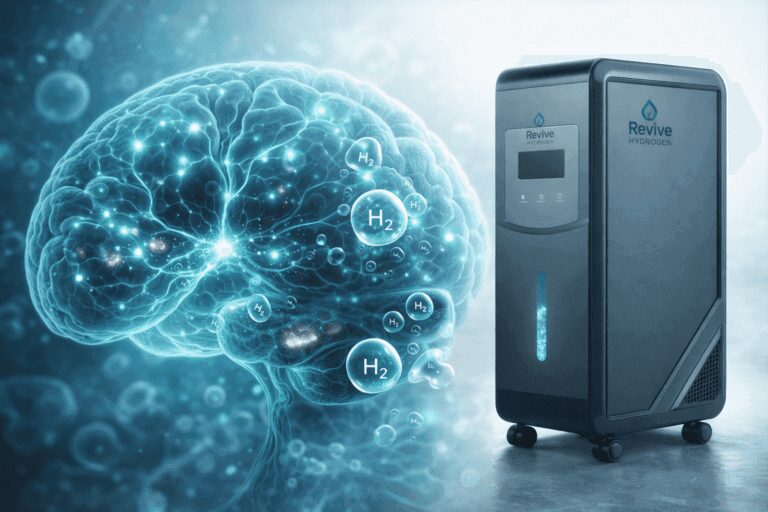
Molecular hydrogen (H₂) has emerged as one of the most researched wellness compounds in modern cellular health science, with over 1,500 peer-reviewed studies documenting its effects on oxidative stress, inflammation, and mitochondrial function. As interest in hydrogen therapy grows beyond clinical settings, more individuals are seeking ways to integrate this evidence-based technology into their daily wellness routines. The question is no longer whether molecular hydrogen offers potential benefits—it’s how to choose a hydrogen inhaler that delivers therapeutic-grade output, purity, and reliability.
This guide unpacks the critical factors to evaluate when selecting a molecular hydrogen inhaler, from understanding the cellular mechanisms that make H₂ effective to identifying the technical specifications that separate professional-grade devices from consumer-level products. Whether you’re an athlete optimizing recovery, a wellness professional exploring cutting-edge modalities, or someone committed to proactive cellular health, understanding these distinctions will empower you to make an informed investment.
Understanding How Molecular Hydrogen Works at the Cellular Level
Before evaluating devices, it’s essential to understand what makes molecular hydrogen unique as a wellness compound. Unlike broad-spectrum antioxidants that can interfere with beneficial cellular signaling, H₂ functions as a selective antioxidant. This selectivity is the cornerstone of its therapeutic potential.
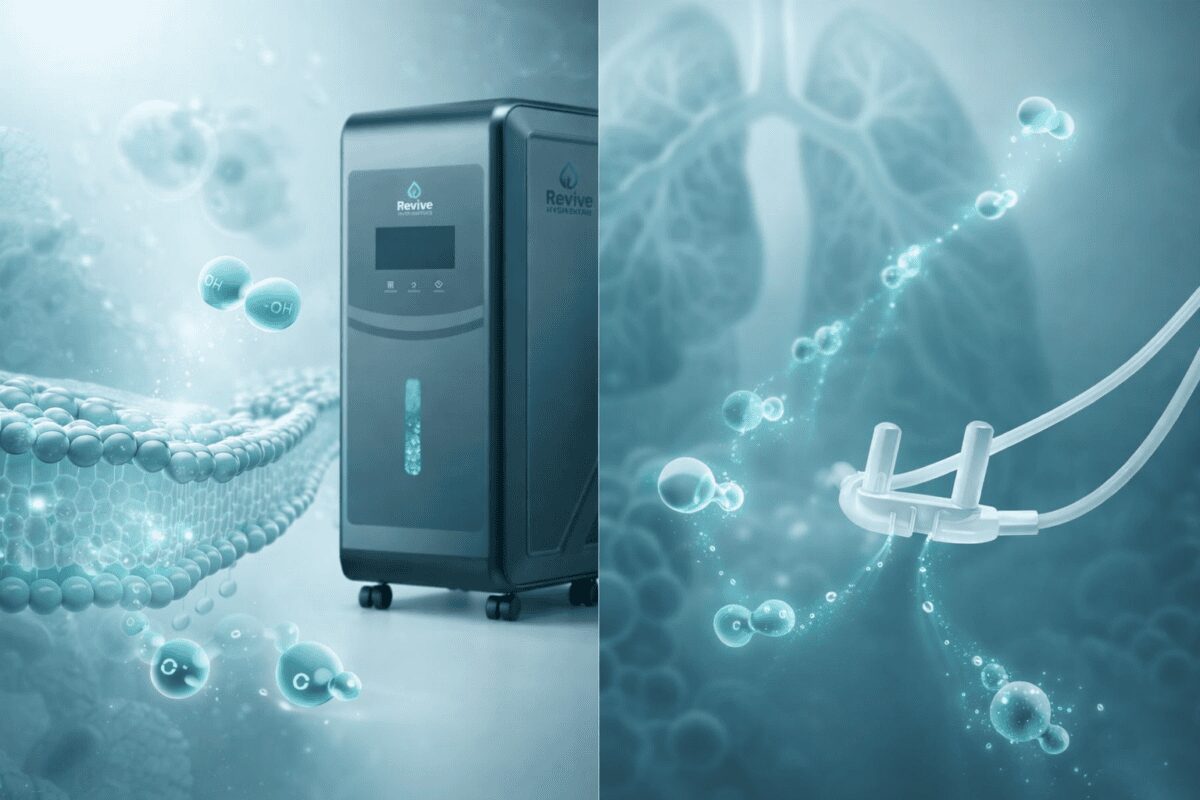
Molecular hydrogen specifically targets and neutralizes the most cytotoxic reactive oxygen species—primarily hydroxyl radicals (•OH) and peroxynitrite (ONOO⁻). These are the most damaging oxidants in biological systems, capable of causing lipid peroxidation, DNA damage, and protein dysfunction. Critically, H₂ leaves beneficial signaling molecules like hydrogen peroxide intact, allowing cells to maintain homeostatic redox balance while mitigating oxidative damage.
This selective mechanism supports multiple downstream benefits:
- Mitochondrial optimization: H₂ appears to support energy production efficiency by reducing oxidative stress within mitochondria, the cellular powerhouses where most reactive oxygen species are generated.
- Gene expression modulation: Studies indicate H₂ may activate the Nrf2 pathway, a master regulator of antioxidant response, upregulating the body’s endogenous protective systems.
- Anti-inflammatory signaling: Research suggests molecular hydrogen influences pro-inflammatory cytokine cascades, potentially supporting a balanced inflammatory response.
- Cytoprotection: Evidence points to H₂’s ability to stabilize cellular membranes and support apoptotic regulation under oxidative stress conditions.
The key takeaway: molecular hydrogen isn’t simply a supplement—it’s a gas-based signaling molecule with distinct biophysical properties that enable it to diffuse rapidly across cell membranes, the blood-brain barrier, and into subcellular compartments where many antioxidants cannot reach.
Why Inhalation Delivers Superior Systemic Hydrogen Delivery
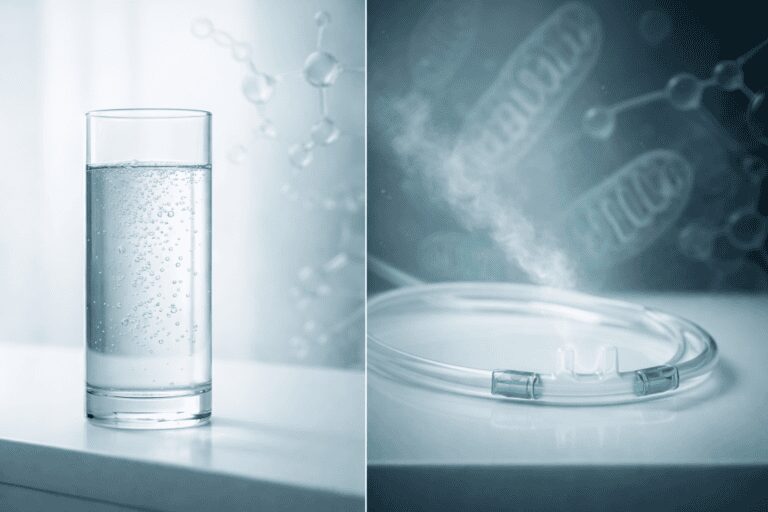
Molecular hydrogen can be administered through several routes: drinking hydrogen-enriched water, inhalation, or topical application. While hydrogen water offers convenience and measurable benefits in research, inhalation provides the most efficient route for achieving therapeutic tissue saturation.
When you inhale molecular hydrogen, it enters the bloodstream directly through the alveolar-capillary interface in the lungs. This bypasses the digestive system entirely, allowing for:
Higher bioavailability: Inhalation delivers a continuous, high-concentration stream of H₂ molecules directly into circulation, far exceeding the dissolved hydrogen achievable in water (which is limited by solubility constraints).
Sustained exposure: A 30-to-60-minute inhalation session maintains elevated hydrogen levels throughout the body, supporting prolonged antioxidant activity and cellular signaling.
Passive wellness integration: Unlike drinking multiple bottles of hydrogen water throughout the day, inhalation requires no active consumption—you simply breathe normally through a nasal cannula while reading, working, or relaxing.
Whole-body distribution: Inhaled H₂ reaches all organ systems efficiently, including the brain, heart, liver, and muscles, making it ideal for systemic oxidative stress mitigation and recovery support.
For individuals serious about integrating molecular hydrogen into their wellness protocol, inhalation represents the gold standard for delivery efficiency and convenience.
Critical Specifications to Evaluate in a Molecular Hydrogen Inhaler
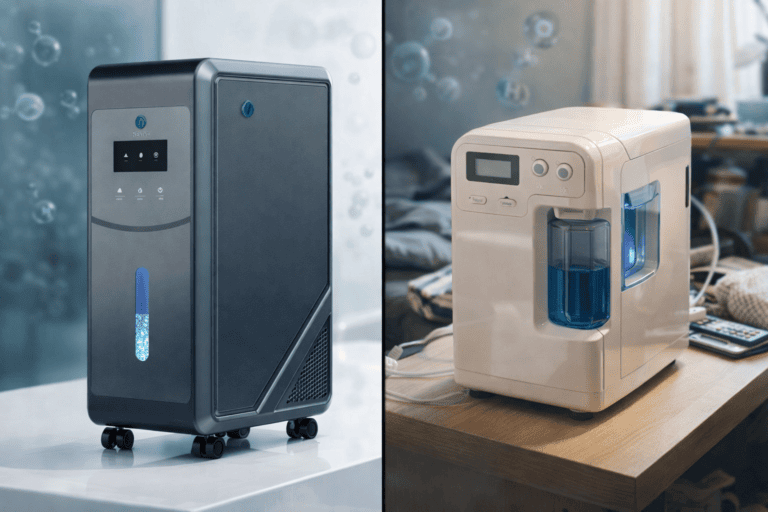
Not all hydrogen generators are created equal. The market includes a wide spectrum of devices, from low-output consumer units producing diluted hydrogen-air mixtures to professional-grade systems delivering high-purity, high-flow molecular hydrogen. Understanding the technical distinctions is essential to making a worthwhile investment.
Hydrogen Purity and Production Method
The purity of the hydrogen gas produced is paramount. Therapeutic-grade devices should generate molecular hydrogen with purity exceeding 99.9%, free from contaminants like ozone, chlorine, or nitrogen oxides that can arise from inferior electrolysis methods.
Proton Exchange Membrane (PEM) electrolysis represents the current gold standard in hydrogen generation. This technology uses distilled water and platinum-coated titanium electrodes to split water molecules into pure hydrogen and oxygen. High-quality PEM systems incorporate advanced membranes—such as the DuPont N117 membrane—to ensure consistent purity and longevity.
Critically, verify that purity claims are independently verified by accredited third-party laboratories. Many manufacturers self-report specifications without external validation.
Flow Rate and Therapeutic Dosing
Flow rate determines how much molecular hydrogen you inhale per minute and directly influences the therapeutic potential of each session. Many consumer devices produce only 100–300 ml/min of hydrogen, often diluted in air or oxygen mixtures (commonly 1–4% hydrogen concentration).
Research-grade protocols typically involve hydrogen flow rates between 500–2,000 ml/min of pure H₂ to achieve measurable tissue saturation. Professional devices should offer:
- Flow rates of at least 1,000 ml/min of molecular hydrogen
- Pure hydrogen output (not diluted hydrogen-air blends)
- Adjustable settings to customize sessions based on individual needs
- Dual-user capability for shared household or clinical use
Build Quality, Certifications, and Safety Features
A molecular hydrogen inhaler is a precision electrolysis device that should meet rigorous manufacturing and safety standards. Look for certifications such as:
CE marking: Indicates compliance with European health, safety, and environmental protection standards.
RoHS compliance: Confirms the device is free from hazardous substances like lead and mercury.
ISO 9001 quality management: Demonstrates the manufacturer adheres to internationally recognized quality control processes.
Additional safety and usability features to prioritize include built-in session timers, UV-C water disinfection systems to prevent microbial contamination, continuous-run capability for extended sessions, and intuitive user interfaces.
Value Proposition and Long-Term Cost Efficiency
While premium hydrogen generators represent a significant upfront investment, they offer substantial long-term value compared to ongoing purchases of hydrogen water bottles, tablets, or low-output consumer devices.
Calculate cost-per-session over a 3-to-5-year lifespan, factoring in consumables (primarily distilled water), maintenance requirements, and warranty coverage. Professional-grade systems built with durable platinum-titanium components often deliver tens of thousands of hours of operation, making them more economical over time than cheaper alternatives requiring frequent replacement.
Related reading: Compare All Three Generator Models · Hydrogen Inhalation Generator Guide
New to hydrogen inhalation? Download our free Beginner’s Guide to Hydrogen Inhalation for a plain-language primer on what H₂ is, how inhalation works, and how to choose a generator.
Bring This Technology Home
For those ready to integrate professional-grade molecular hydrogen into their wellness routine, Revive Hydrogen offers the Intelligent High-Flow Hydrogen Generator—a research-grade system designed for home and clinical use. Built with PEM electrolysis technology, platinum-coated titanium electrodes, and the DuPont N117 membrane, the system delivers independently verified 99.992% hydrogen purity, among the highest available in consumer devices.
Available in three output tiers—HYD-1500, HYD-1800, and HYD-3000—these generators produce pure molecular hydrogen at flow rates up to 2,000 ml/min (HYD-3000), far exceeding diluted hydrogen-air systems common in the consumer market. Each unit includes four nasal cannulas, programmable session timers, UV-C water disinfection, and continuous-run capability up to eight hours. Dual-user functionality enables shared sessions, making it practical for families or wellness practices.
Manufactured to CE, RoHS, and ISO 9001-certified quality standards and backed by extensive published research on molecular hydrogen’s cellular effects, the Revive Hydrogen Generator represents the intersection of scientific rigor and accessible home wellness technology. Explore the full specifications and see how high-purity, high-flow hydrogen inhalation can become part of your daily cellular health practice at Revive Hydrogen.