
Molecular Hydrogen and Mast Cell Activity: What the Research Suggests
Mast cells are critical immune sentinels distributed throughout connective tissues, mucosal surfaces, and epithelial barriers. When activated, they release a cascade of pro-inflammatory mediators—histamine, cytokines, proteases, and reactive oxygen species—that influence allergic responses, inflammation, and tissue repair. Emerging research suggests that molecular hydrogen (H₂) may modulate mast cell degranulation and oxidative signaling, positioning it as a novel wellness tool for supporting balanced immune function and cellular homeostasis.
Understanding how molecular hydrogen interacts with mast cell biology requires a nuanced appreciation of selective antioxidant mechanisms, immune regulation, and the technical requirements for achieving therapeutic tissue saturation.
The Role of Mast Cells in Inflammation and Immune Signaling
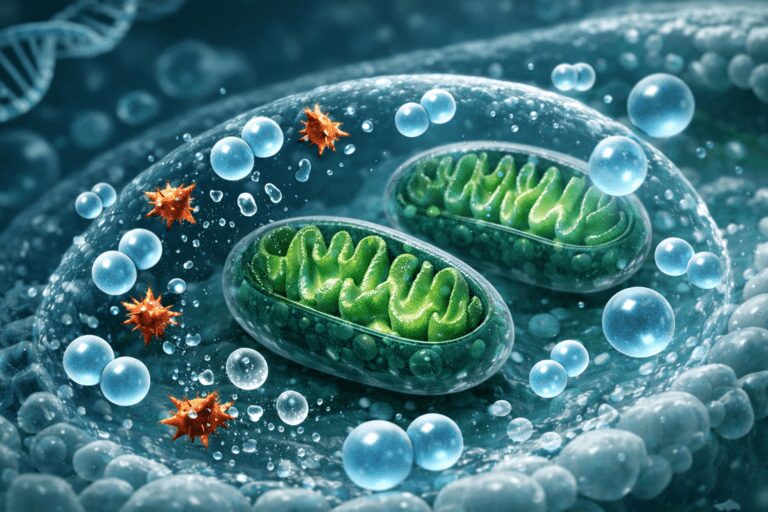
Mast cells reside at the interface between the body and its environment, strategically positioned in skin, respiratory mucosa, and gastrointestinal linings. Upon encountering allergens, pathogens, or cellular stressors, they degranulate—releasing preformed mediators stored in cytoplasmic granules and synthesizing new lipid-derived compounds like prostaglandins and leukotrienes.
This degranulation process is tightly regulated by intracellular calcium flux, protein kinase signaling, and oxidative stress pathways. Reactive oxygen species (ROS) function as secondary messengers that amplify mast cell activation, promote cytokine transcription, and sustain inflammatory loops. Excessive or prolonged activation contributes to a spectrum of immune dysregulation, from acute hypersensitivity reactions to chronic low-grade inflammation.
Evidence suggests that oxidative stress not only triggers mast cell activation but also perpetuates inflammatory signaling by modifying intracellular redox status. This creates a biochemical environment ripe for intervention with selective antioxidant strategies.
Molecular Hydrogen as a Selective Antioxidant: Mechanism and Specificity
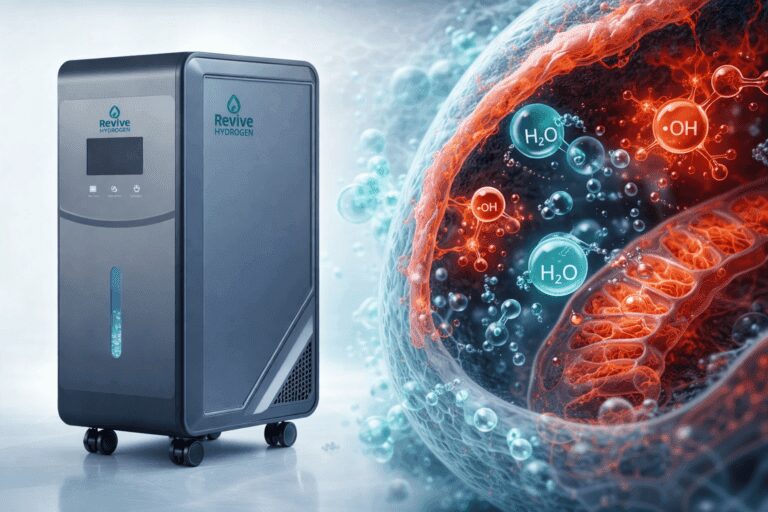
Molecular hydrogen operates through a fundamentally different mechanism than conventional antioxidants. Rather than broadly scavenging all reactive species, H₂ selectively neutralizes the most cytotoxic radicals—specifically hydroxyl radicals (•OH) and peroxynitrite (ONOO⁻)—while preserving beneficial signaling molecules such as hydrogen peroxide and nitric oxide.
This selectivity is critical. Hydrogen peroxide, in controlled concentrations, serves as a vital second messenger in immune cell signaling, wound healing, and mitochondrial biogenesis. Broad-spectrum antioxidants that indiscriminately quench all ROS can paradoxically impair cellular communication and adaptive stress responses. Molecular hydrogen’s selectivity allows it to mitigate oxidative damage without disrupting homeostatic redox signaling.
In the context of mast cells, this selectivity may dampen pathological oxidative cascades that drive excessive degranulation and inflammatory mediator release, while allowing physiological immune surveillance and tissue repair functions to proceed unimpeded.
Preclinical Evidence: Mast Cell Stabilization and Inflammatory Modulation
Several preclinical studies have examined hydrogen’s effects on mast cell-mediated pathways. Research published in animal models of allergic inflammation demonstrates that hydrogen-rich water and inhaled molecular hydrogen reduce mast cell infiltration, decrease histamine levels, and attenuate inflammatory cytokine expression in target tissues.
One mechanistic explanation centers on H₂’s ability to suppress oxidative stress-induced activation of transcription factors like nuclear factor-kappa B (NF-κB), which governs the expression of pro-inflammatory genes in immune cells. By reducing hydroxyl radical formation and peroxynitrite-mediated protein modifications, molecular hydrogen may interrupt upstream signaling cascades that lead to mast cell degranulation and cytokine secretion.
Additional studies indicate that molecular hydrogen modulates calcium signaling and mitochondrial membrane potential in immune cells, both of which are pivotal in regulating mast cell activation thresholds. While human clinical trials specifically targeting mast cell disorders remain limited, these foundational studies provide a compelling biochemical rationale for hydrogen’s immunomodulatory potential.
Achieving Therapeutic Saturation: The Critical Role of High-Output Inhalation
Tissue saturation of molecular hydrogen is dose- and delivery-dependent. Drinking hydrogen-enriched water provides localized gastrointestinal exposure and systemic absorption via the portal circulation, but achieving sustained therapeutic concentrations in peripheral tissues—especially those rich in mast cells, such as respiratory mucosa and connective tissue—requires more robust delivery.
Inhalation of molecular hydrogen offers superior pharmacokinetics. Inhaled H₂ rapidly diffuses across alveolar membranes into systemic circulation, distributing throughout the body within minutes and penetrating cellular membranes, mitochondria, and the blood-brain barrier without requiring active transport. This passive diffusion ensures broad, even tissue saturation, making inhalation the preferred method for systemic wellness applications and cellular recovery.
Professional-grade hydrogen generators capable of producing high-purity H₂ at therapeutic flow rates are essential for this approach. Devices utilizing proton exchange membrane (PEM) electrolysis generate molecular hydrogen from distilled water with minimal impurities, ensuring safe, consistent inhalation protocols suitable for extended daily use.
Key Cellular and Systemic Benefits Supported by Research
- Selective oxidative stress mitigation: Neutralizes hydroxyl radicals and peroxynitrite without disrupting beneficial ROS signaling pathways.
- Modulation of inflammatory transcription factors: Reduces NF-κB activation, limiting pro-inflammatory gene expression in immune cells.
- Mast cell stabilization: Decreases degranulation triggers, histamine release, and cytokine cascades in preclinical models.
- Mitochondrial support: Preserves mitochondrial membrane integrity and energy production under oxidative challenge.
- Systemic bioavailability: Inhalation ensures rapid, widespread tissue penetration for sustained cellular exposure.
The Intersection of Immune Resilience and Redox Homeostasis
Mast cell-mediated responses exist on a continuum from protective immunity to pathological hyperreactivity. Oxidative stress functions as both a trigger and amplifier of this reactivity. By selectively addressing the most damaging oxidative species, molecular hydrogen supports a balanced immune milieu—one in which mast cells can fulfill their physiological roles in host defense and tissue repair without initiating excessive inflammation.
This redox rebalancing extends beyond mast cells. Emerging evidence suggests that molecular hydrogen influences diverse immune cell populations, including macrophages, neutrophils, and T lymphocytes, each of which communicates with mast cells through cytokine networks and ROS signaling. The result is a systems-level optimization of immune function, rather than isolated suppression of a single cell type.
For individuals seeking evidence-based tools to support cellular resilience, oxidative balance, and immune homeostasis, molecular hydrogen represents a scientifically grounded intervention rooted in selective biochemistry rather than pharmacological suppression.
Related reading: Hydrogen and Inflammation · Molecular Hydrogen Therapy for Inflammation
New to hydrogen inhalation? Download our free Beginner’s Guide to Hydrogen Inhalation for a plain-language primer on what H₂ is, how inhalation works, and how to choose a generator.
Bring This Technology Home
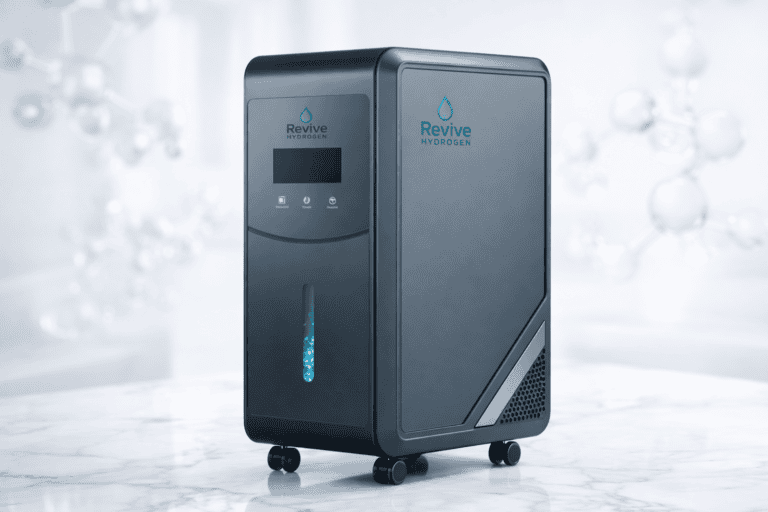
Accessing the benefits observed in hydrogen research requires equipment capable of delivering clinical-grade purity and therapeutic flow rates. Revive Hydrogen offers the Intelligent High-Flow Hydrogen Generator, a professional-grade inhalation system designed for home and clinical wellness use.
Engineered with PEM electrolysis technology, platinum-coated titanium electrodes, and a DuPont N117 membrane, the Revive Hydrogen Generator produces molecular hydrogen at 99.992% purity—independently verified by accredited third-party laboratories. Available in three output tiers (HYD-1500, HYD-1800, HYD-3000), the system delivers pure molecular hydrogen at flow rates up to 2000 ml/min H₂, ensuring optimal tissue saturation for systemic wellness and cellular recovery applications.
Manufactured to CE, RoHS, and ISO 9001 standards, the Revive Hydrogen Generator integrates UV-C water disinfection, a programmable session timer, and dual-user capability via nasal cannula delivery. It is an online-only offering from Dry Ridge, Kentucky, providing direct access to research-grade hydrogen technology without the need for clinic visits or ongoing subscription costs.
Molecular hydrogen research continues to expand our understanding of redox biology, immune modulation, and mitochondrial optimization. For those ready to integrate this evidence-based wellness technology into their daily routines, the Revive Hydrogen Generator delivers the precision, purity, and performance required to explore hydrogen’s full potential.