
The Hidden Link Between Hydrogen and Your Body’s Inflammatory Response
Chronic inflammation has emerged as a critical factor in accelerated aging, metabolic dysfunction, and compromised recovery. At the molecular level, inflammation is orchestrated by a complex network of signaling proteins called cytokines—chemical messengers that govern immune response, tissue repair, and cellular homeostasis. When cytokine production becomes dysregulated, the resulting imbalance can trigger a cascade of oxidative stress that damages mitochondria, disrupts cellular function, and perpetuates inflammatory cycles. Molecular hydrogen therapy represents a scientifically grounded approach to supporting cytokine balance by selectively targeting the most destructive oxidative species while preserving beneficial cellular signaling pathways.
Understanding how molecular hydrogen (H₂) interacts with cytokine networks requires examining both its unique antioxidant properties and its influence on gene expression at the cellular level. Unlike broad-spectrum antioxidants that indiscriminately neutralize all reactive oxygen species—including those essential for immune function and cellular communication—hydrogen operates with remarkable selectivity, addressing oxidative damage without disrupting normal physiological processes.
Cytokines, Oxidative Stress, and the Inflammatory Cascade
Cytokines function as the body’s primary communication system during inflammation. Pro-inflammatory cytokines such as tumor necrosis factor-alpha (TNF-α), interleukin-6 (IL-6), and interleukin-1 beta (IL-1β) activate immune responses, mobilize repair mechanisms, and coordinate cellular defense. Under normal circumstances, anti-inflammatory cytokines like interleukin-10 (IL-10) counterbalance these signals, resolving inflammation once the threat has been addressed.
However, when oxidative stress becomes chronic, this delicate equilibrium shifts dramatically. Excessive production of reactive oxygen species (ROS) activates nuclear factor kappa B (NF-κB), a master transcription factor that upregulates pro-inflammatory cytokine genes. This creates a self-perpetuating cycle: oxidative stress triggers cytokine production, which in turn generates more oxidative stress, amplifying inflammation and cellular damage across multiple tissue systems.
The Hydroxyl Radical Problem
Among reactive oxygen species, the hydroxyl radical (•OH) stands as the most chemically aggressive and destructive. With a reaction half-life measured in nanoseconds, hydroxyl radicals indiscriminately attack DNA, proteins, and lipid membranes, causing irreversible cellular damage. Similarly, peroxynitrite (ONOO⁻)—formed when superoxide combines with nitric oxide—inflicts severe oxidative and nitrosative stress on mitochondrial structures and enzyme systems.
Traditional antioxidants attempt to mitigate these effects but often interfere with hydrogen peroxide (H₂O₂) and superoxide, which serve essential roles in cellular signaling, immune surveillance, and adaptive stress responses. This indiscriminate action can inadvertently suppress beneficial oxidative signaling, potentially compromising immune function and hormetic adaptation.
Molecular Hydrogen as a Selective Antioxidant
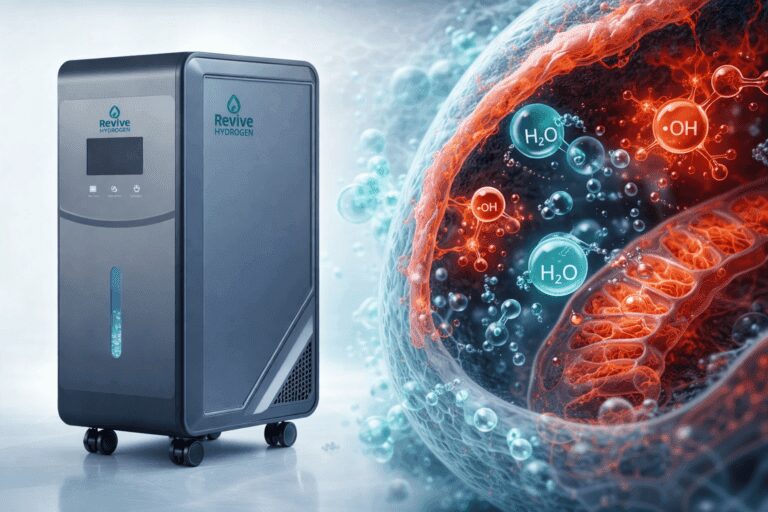
Molecular hydrogen’s therapeutic potential lies in its exceptional selectivity. Due to its small molecular size and neutral charge, H₂ diffuses rapidly across cell membranes, penetrating subcellular compartments including mitochondria and the nucleus. Once inside cells, hydrogen selectively reacts with hydroxyl radicals and peroxynitrite—converting these highly toxic species into water—while leaving beneficial signaling molecules like hydrogen peroxide and superoxide untouched.
This selectivity represents a paradigm shift in antioxidant intervention. By neutralizing only the most damaging oxidative species, molecular hydrogen mitigates oxidative damage without disrupting the redox-sensitive signaling pathways that govern cellular adaptation, immune function, and metabolic regulation.
Gene Expression and Cytokine Modulation
Beyond direct antioxidant activity, molecular hydrogen influences gene expression through multiple pathways. Research indicates that H₂ modulates the Nrf2-Keap1 system, a crucial regulatory pathway that controls the expression of over 200 cytoprotective genes, including antioxidant enzymes, detoxification proteins, and anti-inflammatory mediators.
By activating Nrf2 signaling, molecular hydrogen upregulates endogenous antioxidant systems—superoxide dismutase (SOD), catalase, and glutathione peroxidase—creating sustained protective effects that extend well beyond the immediate antioxidant action of H₂ itself. Simultaneously, hydrogen has been shown to suppress NF-κB activation, thereby reducing the transcription of pro-inflammatory cytokine genes and helping restore cytokine balance at the genetic level.
Clinical Evidence and Cytokine Profiles
Human studies examining molecular hydrogen therapy have documented measurable changes in cytokine profiles across diverse populations. Research has observed reductions in pro-inflammatory markers including TNF-α, IL-6, and IL-1β, accompanied by increases in anti-inflammatory cytokines such as IL-10. These shifts suggest that hydrogen supports the body’s natural resolution of inflammatory responses rather than simply suppressing immune function.
The implications extend across multiple physiological systems:
- Metabolic health: Reduced IL-6 and TNF-α levels support improved insulin sensitivity and metabolic flexibility by mitigating inflammatory interference with insulin receptor signaling
- Cardiovascular function: Balanced cytokine production helps maintain endothelial integrity and vascular homeostasis by reducing oxidative damage to blood vessel walls
- Exercise recovery: Modulated inflammatory signaling accelerates post-exercise recovery while preserving the beneficial adaptive responses necessary for training adaptation
- Neurological support: Crossing the blood-brain barrier, hydrogen may help regulate neuroinflammatory processes by reducing microglial activation and cytokine production in neural tissue
- Cellular aging: By addressing chronic low-grade inflammation—often termed “inflammaging”—molecular hydrogen supports healthy aging processes at the cellular level
Delivery Methods and Therapeutic Saturation
While hydrogen-enriched water offers convenience and mild benefits, achieving therapeutic tissue saturation—particularly in deep organs and neural tissues—requires significantly higher hydrogen concentrations than oral consumption can provide. Hydrogen inhalation delivers molecular hydrogen directly into systemic circulation via the lungs, bypassing digestive limitations and enabling rapid, sustained elevation of tissue hydrogen levels.
Professional-grade hydrogen inhalation systems utilize proton exchange membrane (PEM) electrolysis technology to generate medical-purity molecular hydrogen from distilled water. This process separates hydrogen and oxygen through platinum-coated titanium electrodes and specialized membranes, producing hydrogen gas with exceptional purity suitable for therapeutic applications.
The superiority of inhalation stems from basic physiology: the extensive surface area of pulmonary alveoli enables immediate gas exchange, delivering hydrogen molecules directly to the bloodstream where they distribute throughout the body within minutes. This method achieves consistent, measurable hydrogen concentrations in tissues, supporting the sustained cellular exposure necessary for meaningful effects on gene expression and cytokine regulation.
Output Capacity and Clinical Relevance
Effective hydrogen therapy requires generators capable of producing sufficient hydrogen flow rates to achieve therapeutic blood concentrations. Low-output systems—particularly those producing diluted hydrogen-air mixtures at 1–4% concentration—may not deliver adequate hydrogen quantities for systemic effects, especially when supporting recovery, metabolic optimization, or addressing chronic oxidative stress.
High-flow systems generating pure molecular hydrogen at rates exceeding 1000 ml/min enable passive, comfortable sessions that maintain therapeutic tissue saturation throughout extended treatment periods. This capacity becomes particularly important for dual-user applications, athletic recovery protocols, and clinical wellness settings where consistent, reliable hydrogen delivery is essential.
Bring This Technology Home
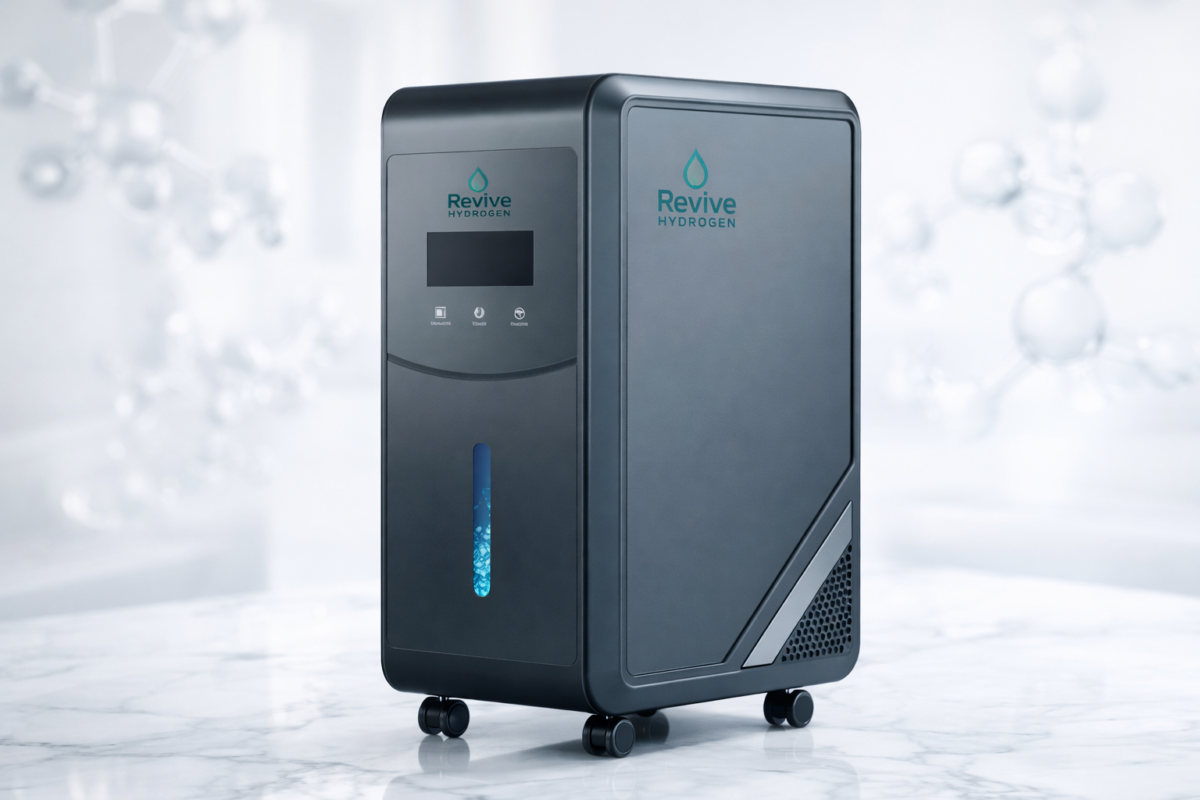
For those seeking to integrate molecular hydrogen therapy into comprehensive wellness strategies, Revive Hydrogen offers professional-grade hydrogen inhalation technology designed for home and clinical use. Based in Dry Ridge, Kentucky, Revive Hydrogen specializes exclusively in high-output hydrogen generation systems engineered to deliver research-relevant hydrogen concentrations.
The Intelligent High-Flow Hydrogen Generator line features three output tiers—HYD-1500, HYD-1800, and HYD-3000—each utilizing PEM electrolysis with platinum-coated titanium electrodes and DuPont N117 membranes to produce 99.992% pure molecular hydrogen, independently verified by accredited third-party laboratory testing. Unlike competitor systems that deliver diluted hydrogen-air or hydrogen-oxygen mixtures, Revive generators produce pure H₂ plus separate oxygen output, ensuring optimal hydrogen delivery without dilution.
Flow rates range from 1500 ml/min total output (1000 ml/min H₂) in the HYD-1500 to 3000 ml/min total (2000 ml/min H₂) in the HYD-3000, with dual-user capability supporting approximately 1000 ml/min hydrogen per user when sharing output. Each system includes four nasal cannulas for convenient delivery, programmable session timers (30–480 minutes), UV-C water disinfection, and continuous run capability up to eight hours.
Manufactured to CE and RoHS standards under ISO 9001-certified quality management systems, these generators represent the engineering precision and output capacity necessary for achieving therapeutic tissue saturation. Each unit is backed by a comprehensive three-year limited warranty covering defects in materials and workmanship, providing long-term confidence in your wellness investment.
Molecular hydrogen therapy stands at the intersection of biochemistry, gene expression, and cellular wellness. By selectively addressing oxidative stress and supporting balanced cytokine signaling, hydrogen inhalation offers a scientifically grounded approach to optimizing cellular function, supporting recovery, and promoting long-term metabolic health. For those committed to evidence-based wellness strategies, professional-grade hydrogen generation technology provides the foundation for consistent, meaningful cellular support.