
How Selective Antioxidants Target Harmful Radicals While Preserving Cell Signaling
Not all antioxidants are created equal. Traditional antioxidant therapies often suffer from a critical flaw: they neutralize both harmful and beneficial reactive oxygen species indiscriminately, disrupting essential cellular communication pathways in the process. Molecular hydrogen (H₂) represents a paradigm shift in oxidative stress mitigation. Unlike conventional antioxidants, H₂ functions as a selective antioxidant, specifically targeting the most cytotoxic radicals while preserving the reactive oxygen species that serve vital signaling functions. Understanding the molecular hydrogen benefits at the cellular level reveals why this simple molecule has captured the attention of researchers exploring next-generation wellness interventions and longevity optimization.
The Oxidative Paradox: When Reactive Species Become Essential
The relationship between reactive oxygen species (ROS) and human health is far more nuanced than the simplistic “antioxidants good, free radicals bad” narrative suggests. While excessive oxidative stress contributes to cellular aging, inflammation, and mitochondrial dysfunction, moderate levels of certain ROS play indispensable roles in homeostatic balance.
Hydrogen peroxide (H₂O₂), superoxide (O₂⁻), and nitric oxide (NO) function as critical signaling molecules. They regulate immune response, facilitate cellular adaptation to stress, control vasodilation, and even trigger beneficial hormetic responses that strengthen cellular resilience. High-dose, non-selective antioxidant supplementation can inadvertently suppress these beneficial pathways, potentially blunting the body’s natural adaptive mechanisms and interfering with exercise-induced adaptations, immune function, and mitochondrial biogenesis.
This is where molecular hydrogen’s selective mechanism becomes transformative. Rather than creating an antioxidant blanket effect, H₂ demonstrates remarkable biochemical specificity, addressing only the radicals that cause overwhelming cellular damage without disrupting beneficial oxidative signaling cascades.
Molecular Hydrogen’s Selective Mechanism: Targeting the Most Dangerous Offenders
The molecular hydrogen benefits stem from its unique ability to selectively neutralize hydroxyl radicals (•OH) and peroxynitrite (ONOO⁻)—two of the most cytotoxic and indiscriminate oxidative species in biological systems. These reactive species cause severe damage to lipid membranes, proteins, and DNA through their extreme reactivity and lack of enzymatic regulation.
Hydroxyl Radicals: The Most Reactive Threat
Hydroxyl radicals represent the most reactive and damaging ROS produced in living systems. With a half-life measured in nanoseconds and reactivity rates approaching diffusion-controlled limits, •OH radicals attack virtually any biological molecule they encounter. They initiate lipid peroxidation cascades, fragment DNA strands, and oxidize proteins indiscriminately. Crucially, the body possesses no enzymatic defense mechanism against hydroxyl radicals—once formed, damage is nearly instantaneous.
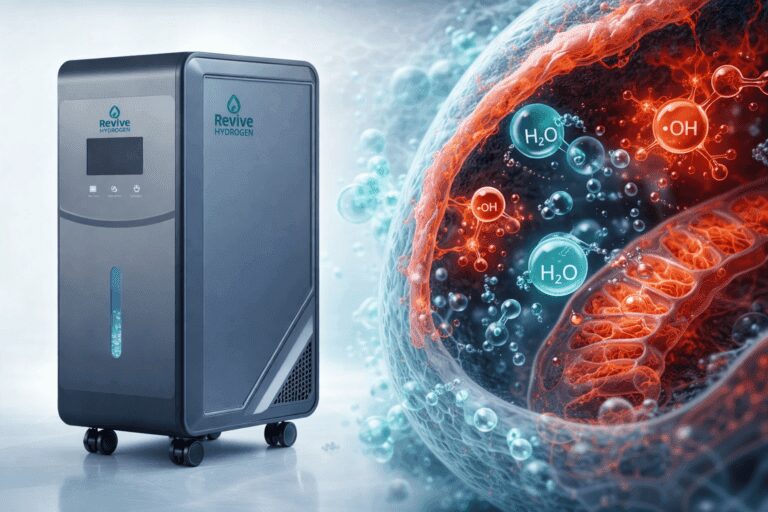
Molecular hydrogen reacts mildly with hydroxyl radicals, converting them to harmless water through a gentle reduction reaction. This selective neutralization occurs without generating secondary reactive intermediates, making H₂ an ideal biological reducing agent for this particular threat.
Peroxynitrite: The Inflammatory Amplifier
Peroxynitrite forms when superoxide reacts with nitric oxide, creating a powerful oxidant and nitrating agent. ONOO⁻ drives protein nitration, lipid oxidation, and mitochondrial dysfunction. It plays a central role in inflammatory cascades and neurodegenerative processes. Unlike superoxide and nitric oxide individually—which both serve beneficial signaling roles—peroxynitrite is purely destructive.
Research demonstrates that molecular hydrogen can reduce peroxynitrite-mediated damage, helping preserve mitochondrial function and reduce inflammatory signaling without suppressing the beneficial effects of moderate superoxide or nitric oxide levels. This selectivity allows cellular signaling pathways to function optimally while reducing oxidative inflammatory burden.
Preserving Beneficial ROS: The Critical Distinction
Equally important as what molecular hydrogen neutralizes is what it leaves intact. H₂ does not significantly react with hydrogen peroxide, superoxide, or nitric oxide under physiological conditions. These molecules continue to fulfill their essential roles in:
- Immune surveillance and pathogen defense: Controlled ROS production by immune cells supports effective antimicrobial activity and proper inflammatory resolution
- Cellular adaptation and hormesis: Moderate oxidative signaling triggers beneficial stress response pathways that enhance cellular resilience and longevity
- Mitochondrial optimization: Physiological ROS levels regulate mitochondrial biogenesis and metabolic efficiency
- Vascular function: Nitric oxide-mediated vasodilation and blood pressure regulation remain uncompromised
- Exercise adaptation: ROS-dependent signaling pathways that mediate training adaptations and muscle development continue functioning normally
This selective profile explains why molecular hydrogen supplementation does not demonstrate the diminishing returns or potential interference effects observed with mega-dose traditional antioxidants. By targeting only the most harmful species, H₂ reduces oxidative burden while preserving the sophisticated redox signaling networks that govern cellular health.
Achieving Therapeutic Tissue Saturation: The Delivery Method Matters
Understanding the molecular hydrogen benefits at a biochemical level is only valuable if therapeutic concentrations reach target tissues. While hydrogen-enriched water offers a convenient entry point for exploring H₂ supplementation, achieving and sustaining tissue-level saturation requires consideration of delivery kinetics and concentration thresholds.
Molecular hydrogen is a small, neutral, lipophilic molecule capable of rapidly diffusing across cell membranes and the blood-brain barrier. However, its therapeutic effects are dose-dependent and time-sensitive. Hydrogen ingested via water must first be absorbed through the digestive tract, limiting both concentration and duration of elevated tissue levels.
Professional-grade hydrogen inhalation represents the most effective delivery method for systemic cellular support. Inhalation allows for:
Sustained tissue saturation: Continuous inhalation maintains elevated H₂ levels throughout the body, including the brain, supporting ongoing mitochondrial function and oxidative stress mitigation during recovery periods, sleep, or passive wellness protocols.
Superior bioavailability: Pulmonary delivery bypasses first-pass metabolism and achieves higher plasma and tissue concentrations than water ingestion alone, reaching therapeutic thresholds more reliably.
Passive integration: Inhalation therapy can be incorporated into rest, meditation, sleep, or recovery protocols without requiring active consumption or disrupting daily routines.
High-output hydrogen generators capable of producing clinically relevant concentrations—typically 2-4% hydrogen by volume in inhaled air—are essential for realizing the full cellular and mitochondrial benefits associated with selective antioxidant activity. These systems deliver the consistent, therapeutic-level exposure necessary for meaningful oxidative stress mitigation and cellular recovery support.
Related reading: Hydrogen and Inflammation · Molecular Hydrogen Therapy for Inflammation
New to hydrogen inhalation? Download our free Beginner’s Guide to Hydrogen Inhalation for a plain-language primer on what H₂ is, how inhalation works, and how to choose a generator.
Bring This Technology Home
The molecular hydrogen benefits—selective neutralization of cytotoxic radicals while preserving essential cellular signaling—represent a scientifically sophisticated approach to oxidative stress management and cellular wellness. For individuals seeking to integrate this evidence-based technology into their health optimization protocols, professional-grade equipment is essential.
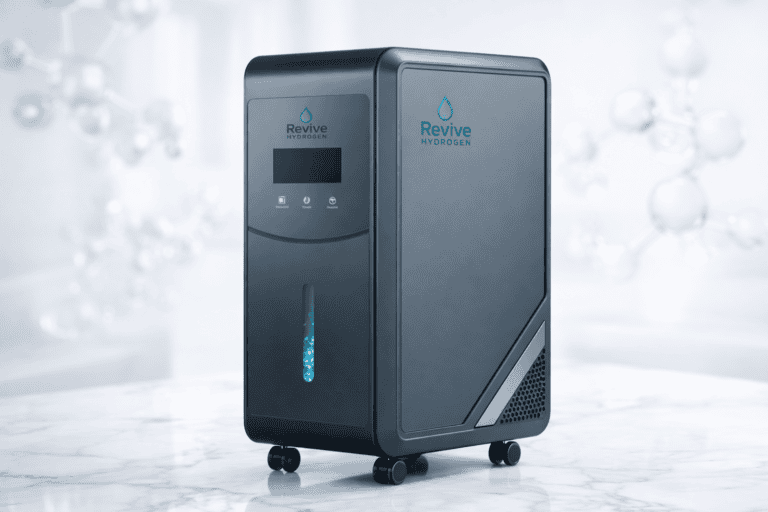
Revive Hydrogen offers clinical-quality hydrogen inhalation systems designed for home and professional use. Engineered for reliability, safety, and therapeutic-level output, these generators provide the high-concentration, sustained delivery necessary to achieve meaningful tissue saturation and support mitochondrial optimization, recovery, and longevity.
Discover how selective antioxidant therapy can enhance your cellular health strategy. Experience the precision of molecular hydrogen with equipment designed to deliver results you can feel at the cellular level.