
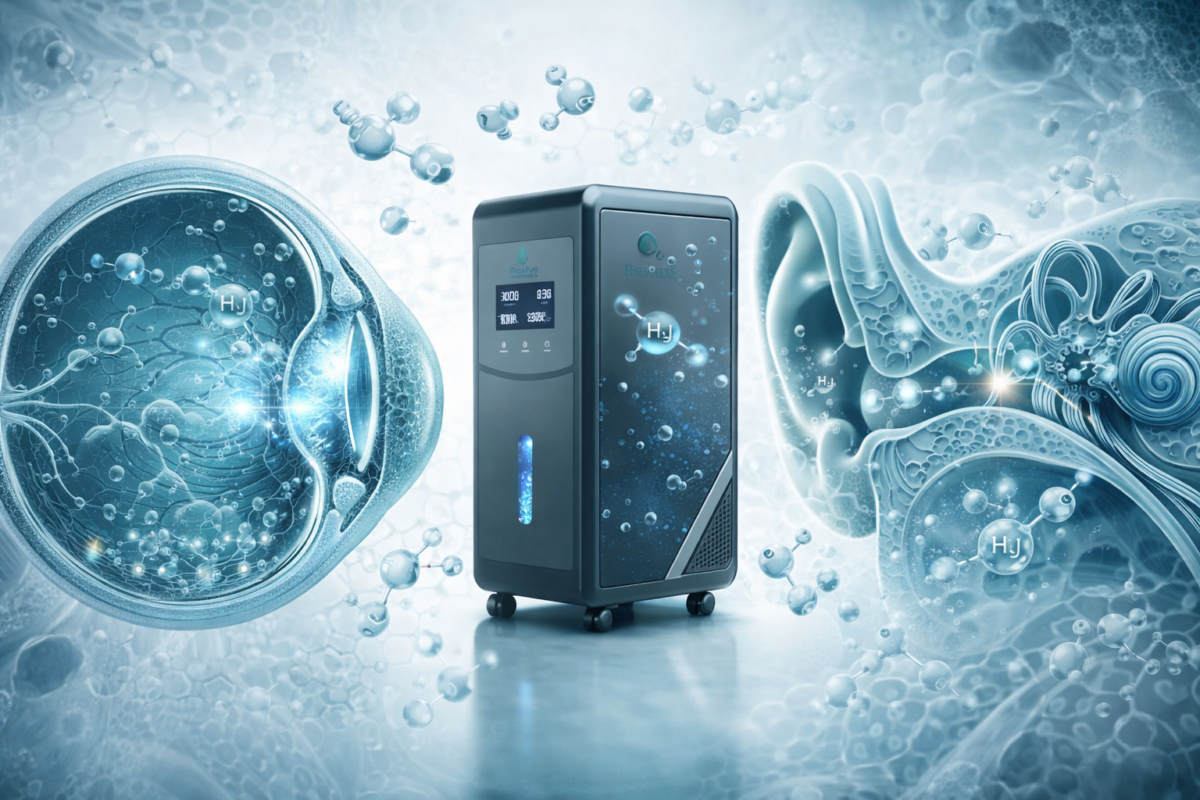
How Hydrogen Inhalation Supports Vision and Hearing Wellness at the Cellular Level
Our eyes and ears are among the most metabolically demanding tissues in the body, requiring constant energy production, rapid cellular repair, and precise oxidative balance. Yet these delicate sensory systems are uniquely vulnerable to oxidative stress, inflammation, and age-related decline. Emerging research into molecular hydrogen (H₂) reveals a fascinating potential: this simple diatomic molecule may support cellular health in the eyes and ears through selective antioxidant activity, mitochondrial optimization, and inflammation modulation. Understanding how hydrogen inhalation for wellness can reach these specialized tissues opens new possibilities for proactive sensory health maintenance.
The Oxidative Challenge in Sensory Tissue
Both the eyes and ears operate in conditions that generate significant reactive oxygen species (ROS). The retina has one of the highest oxygen consumption rates per gram of tissue in the entire body, creating metabolic byproducts that can accumulate over time. Similarly, the cochlea’s hair cells maintain extraordinarily high mitochondrial activity to support continuous sound transduction, making them vulnerable to oxidative damage.
The problem isn’t ROS itself—in regulated amounts, molecules like hydrogen peroxide serve essential signaling functions. The danger lies in highly reactive free radicals such as hydroxyl radicals (•OH) and peroxynitrite (ONOO⁻), which indiscriminately damage proteins, lipids, and DNA. In sensory tissues, this oxidative assault can compromise photoreceptor function, accelerate age-related changes in the lens, damage cochlear hair cells, and impair auditory nerve signaling.
Traditional broad-spectrum antioxidants often neutralize beneficial and harmful ROS indiscriminately, potentially disrupting normal cellular communication. This is where molecular hydrogen’s selectivity becomes particularly compelling.
Molecular Hydrogen as a Selective Antioxidant for Sensory Systems
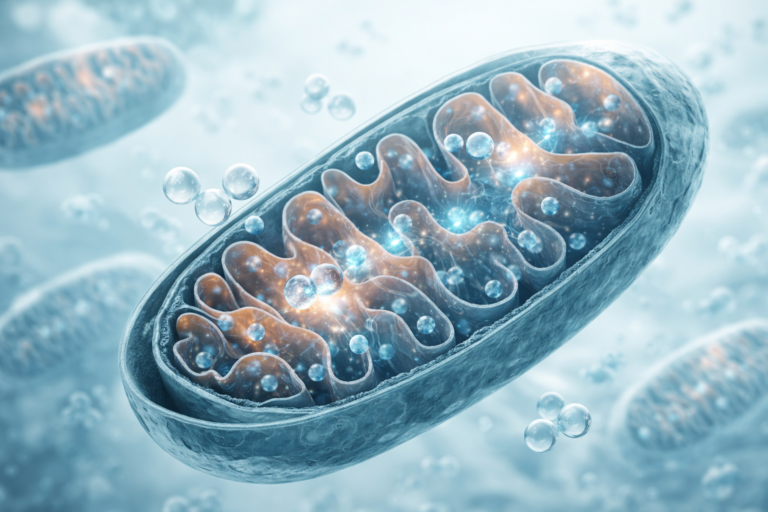
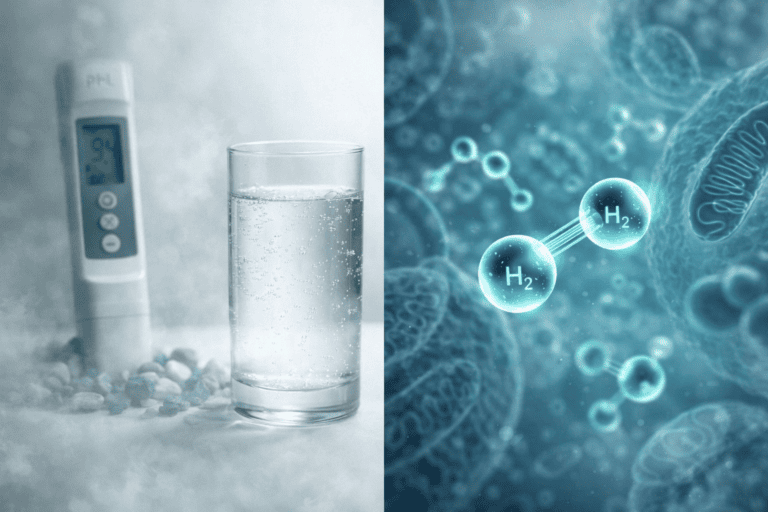
Molecular hydrogen operates through a fundamentally different mechanism than conventional antioxidants. Due to its small size and neutral charge, H₂ rapidly diffuses across cell membranes, blood-brain barriers, and even penetrates subcellular compartments including mitochondria and nuclei—regions inaccessible to larger antioxidant molecules.
Once inside cells, hydrogen selectively reacts with the most cytotoxic radicals—specifically hydroxyl radicals and peroxynitrite—converting them into harmless water. Critically, H₂ does not interfere with hydrogen peroxide or superoxide at physiological concentrations, preserving their roles in immune function, cellular signaling, and adaptive stress responses.
This selectivity is particularly valuable in the eyes and ears:
- Retinal protection: Studies demonstrate hydrogen’s ability to cross the blood-retinal barrier and accumulate in ocular tissues, where it may help mitigate oxidative stress in photoreceptors and retinal pigment epithelium cells
- Cochlear cellular support: Research indicates H₂ can reach inner ear structures and support the function of vulnerable cochlear hair cells exposed to metabolic stress
- Optic nerve wellness: Hydrogen may support the health of optic nerve fibers, which require robust mitochondrial function and oxidative balance for optimal signal transmission
- Auditory nerve maintenance: The auditory pathway’s high energy demands make it susceptible to mitochondrial dysfunction, an area where hydrogen shows promise in supporting cellular energy production
Beyond Antioxidation: Modulating Inflammation and Gene Expression
Molecular hydrogen’s benefits extend beyond direct free radical scavenging. Research suggests H₂ influences multiple cellular pathways simultaneously:
Anti-inflammatory signaling: Hydrogen appears to downregulate pro-inflammatory cytokines and mediators that contribute to chronic low-grade inflammation in sensory tissues. In ocular research, this may relate to maintaining a balanced inflammatory environment in the retina. In auditory research, inflammation modulation may support the delicate structures of the inner ear.
Cytoprotective gene expression: Studies indicate H₂ can activate protective transcription factors, including Nrf2, which upregulates endogenous antioxidant enzymes like superoxide dismutase, catalase, and glutathione peroxidase. This creates a sustained cellular defense system rather than a one-time antioxidant effect.
Mitochondrial optimization: Hydrogen may help maintain mitochondrial membrane potential and support efficient ATP production—essential for the energy-intensive processes of vision and hearing. When mitochondria function optimally, they produce fewer damaging free radicals as metabolic byproducts.
Why Inhalation Achieves Superior Systemic Delivery
While hydrogen-enriched water has demonstrated benefits in research, inhalation offers distinct advantages for reaching deep tissues like the eyes and ears. When H₂ is inhaled through the respiratory system, it rapidly enters the bloodstream via the alveoli, achieving significantly higher blood concentrations than drinking hydrogen water alone.
This systemic distribution is crucial for sensory organs that aren’t directly accessible through topical application. Hydrogen molecules circulate throughout the body, crossing specialized barriers—including the blood-brain barrier, blood-retinal barrier, and blood-labyrinth barrier—to reach cells that need support most.
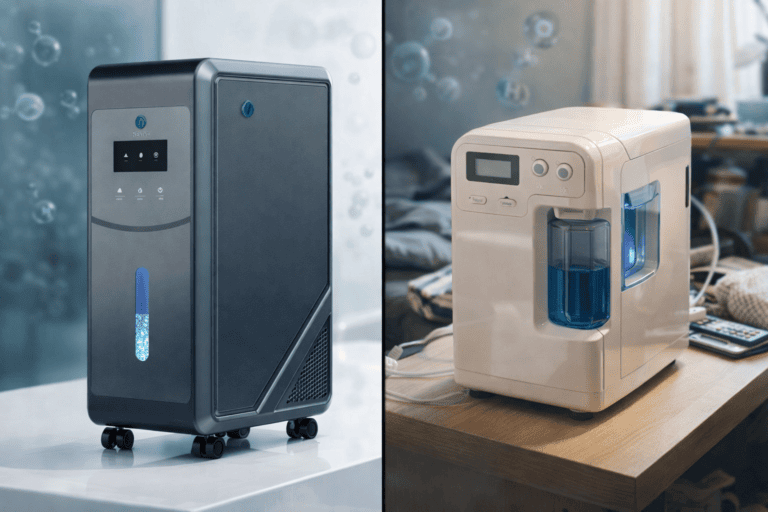
Achieving therapeutic tissue saturation requires consistent delivery of molecular hydrogen at sufficient concentrations. This is where equipment quality becomes critical. Professional-grade hydrogen generators using PEM (Proton Exchange Membrane) electrolysis can produce high-purity H₂ at flow rates that support meaningful cellular uptake during comfortable 30- to 90-minute sessions.
Low-output devices or diluted hydrogen-air mixtures may not deliver sufficient molecular hydrogen to reach therapeutic thresholds in target tissues. The difference between trace amounts and biologically relevant concentrations determines whether cellular pathways are meaningfully activated.
The Evidence Base: What Research Reveals
While molecular hydrogen research is still emerging, hundreds of peer-reviewed studies have explored its effects across numerous biological systems. In ocular research, animal studies have examined hydrogen’s potential role in supporting retinal health under various oxidative challenges. In auditory research, studies have investigated hydrogen’s influence on cochlear cell viability and function.
Human clinical trials remain limited but promising. Research has explored hydrogen’s systemic anti-inflammatory effects, mitochondrial support, and ability to modulate oxidative stress markers—all mechanisms relevant to long-term sensory wellness.
It’s essential to frame these findings appropriately: molecular hydrogen is not a treatment for eye or ear diseases. Rather, it represents a proactive wellness tool that may support the cellular health of these vital sensory systems through well-characterized biochemical mechanisms.
Integrating Hydrogen Inhalation into a Comprehensive Wellness Strategy
Hydrogen inhalation for wellness works best as part of a holistic approach to sensory health. This includes:
- Regular eye examinations and hearing assessments with qualified professionals
- Protection from environmental stressors (UV exposure, excessive noise)
- Nutrient-dense diets rich in carotenoids, omega-3 fatty acids, and vitamins A, C, and E
- Adequate sleep and stress management to support cellular repair processes
- Consistent hydrogen inhalation sessions to maintain systemic antioxidant support
For individuals committed to longevity and proactive wellness, molecular hydrogen represents a scientifically grounded addition to existing health practices—not a replacement for medical care or healthy lifestyle fundamentals.
Bring This Technology Home
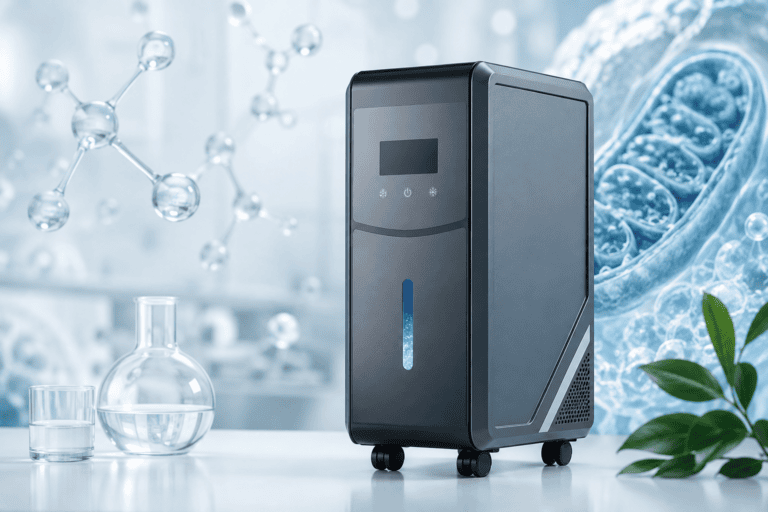
Accessing the potential benefits of molecular hydrogen requires equipment capable of delivering high-purity H₂ at therapeutic flow rates. Revive Hydrogen offers professional-grade hydrogen generators designed for both home and clinical applications, utilizing PEM electrolysis technology with platinum-coated titanium electrodes and DuPont N117 membranes.
The Intelligent High-Flow Hydrogen Generator line produces 99.992% pure molecular hydrogen, independently verified by accredited third-party laboratories. With output ranging from 1,500 to 3,000 ml/min total flow (combined H₂ and O₂), these systems deliver biologically relevant concentrations through comfortable nasal cannula delivery during sessions lasting 30 to 480 minutes.
Manufactured to CE and RoHS standards under an ISO 9001-certified quality management system, each unit includes UV-C water disinfection, dual-user capability, and a 3-year limited warranty covering defects in materials and workmanship. For those committed to evidence-based wellness strategies and cellular health optimization, this represents hydrogen technology engineered for consistent, long-term use.
Explore the intersection of cutting-edge biochemistry and accessible home wellness. Discover how molecular hydrogen can become part of your comprehensive approach to maintaining the health of your body’s most precious sensory systems.