
When It Comes to Hydrogen Inhalation Generators, Not All Technologies Are Created Equal
The rising popularity of molecular hydrogen therapy has led to an explosion of consumer-grade hydrogen generators flooding the wellness market. But beneath the marketing hype lies a critical distinction that directly affects safety, purity, and therapeutic potential: the core electrolysis technology powering these devices. Two primary technologies dominate the space—PEM (Proton Exchange Membrane) and traditional lye-based electrolysis—and understanding the difference is essential for anyone seeking genuine cellular benefits from a hydrogen inhalation generator.
PEM technology represents the gold standard in hydrogen generation, offering unmatched purity, safety, and efficiency. Lye-based systems, while less expensive to manufacture, introduce significant contamination risks and operational complexities that can compromise both the quality of hydrogen produced and the user experience. For those investing in molecular hydrogen as a tool for oxidative stress mitigation and cellular wellness, the technology behind your generator matters as much as the hydrogen itself.
The Science Behind Molecular Hydrogen’s Cellular Benefits
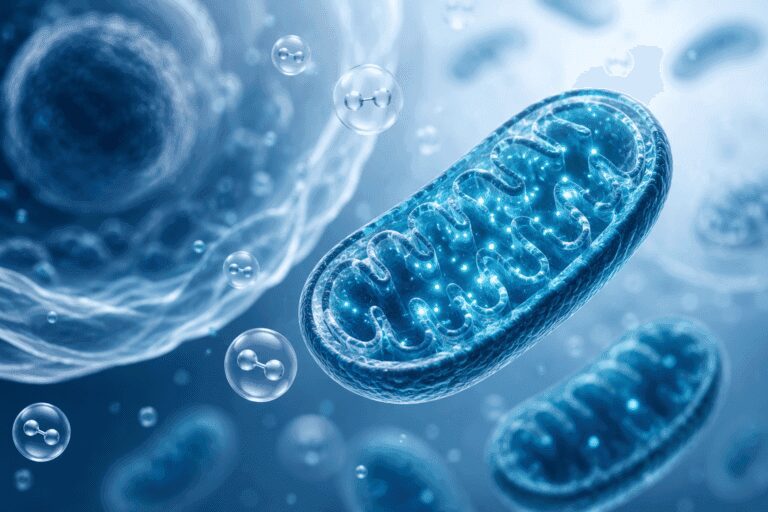
Before exploring why PEM technology is superior, it’s essential to understand what makes molecular hydrogen (H₂) uniquely valuable at the cellular level. Unlike broad-spectrum antioxidants that indiscriminately neutralize all reactive oxygen species, molecular hydrogen functions as a selective antioxidant—a crucial distinction that preserves beneficial cellular signaling while targeting only the most destructive oxidative molecules.
Specifically, H₂ selectively neutralizes hydroxyl radicals (•OH) and peroxynitrite (ONOO⁻), two of the most cytotoxic reactive species generated during normal metabolism and periods of heightened oxidative stress. These molecules cause lipid peroxidation, protein oxidation, and DNA damage that accelerate cellular aging and compromise mitochondrial function. Critically, molecular hydrogen leaves beneficial reactive oxygen species—such as hydrogen peroxide, which plays essential roles in immune signaling and cellular communication—completely intact.
This selective mechanism supports homeostatic balance rather than disrupting it. Research suggests that H₂ may also activate the Nrf2 pathway, upregulating the body’s endogenous antioxidant systems and promoting sustained cellular resilience. Achieving these effects, however, requires consistent delivery of high-purity hydrogen at concentrations sufficient to reach therapeutic tissue saturation—a benchmark that only professional-grade hydrogen inhalation generators can reliably achieve.
PEM vs. Lye Electrolysis: A Technical Comparison
How Lye-Based Hydrogen Generators Work
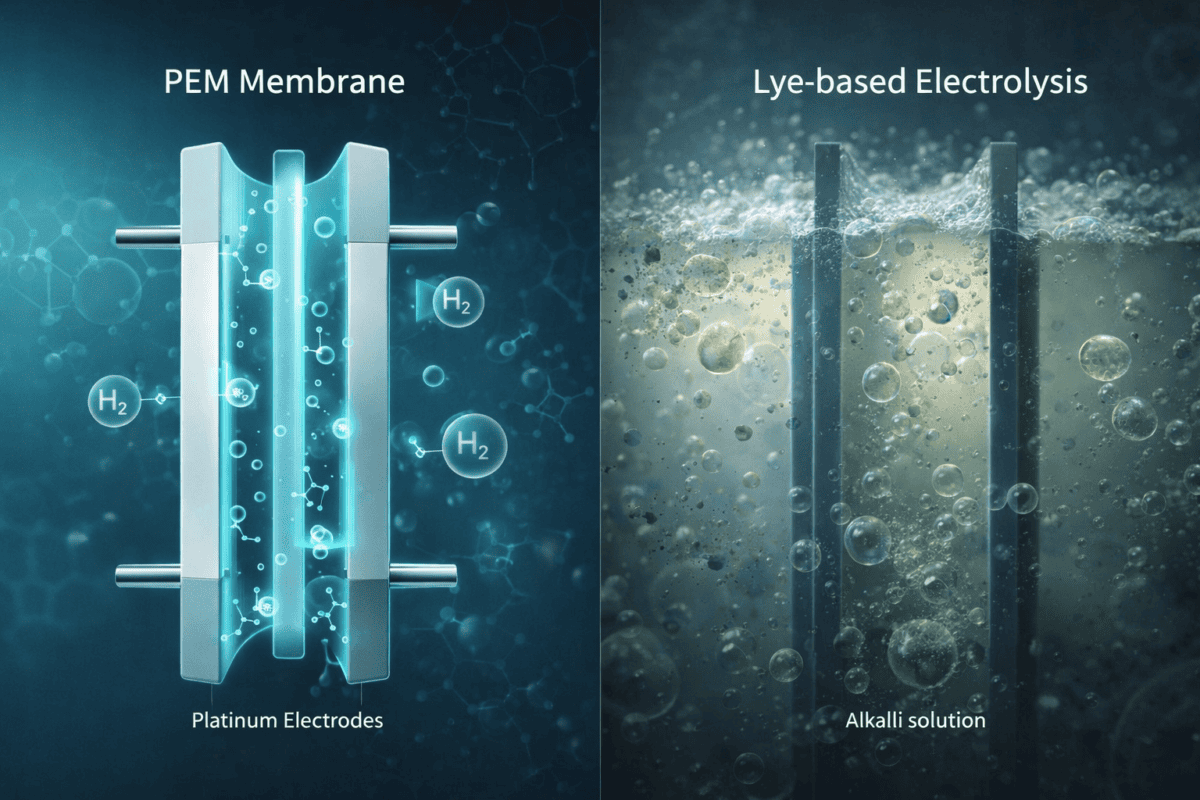
Traditional lye-based hydrogen generators rely on alkaline electrolysis, using potassium hydroxide (KOH) or sodium hydroxide (NaOH) dissolved in water as the electrolyte medium. When electrical current passes through this alkaline solution, hydrogen and oxygen gases are produced at separate electrodes. While this method is mechanically simple and inexpensive to implement, it introduces several critical vulnerabilities.
First, lye-based systems produce hydrogen mixed with water vapor and trace alkaline aerosols. These contaminants can irritate respiratory tissues during inhalation and compromise the purity of the gas delivered to the body. Second, the alkaline electrolyte requires regular monitoring, maintenance, and replacement—a process that most consumers lack the technical knowledge to perform safely. Improper maintenance can lead to electrode degradation, reduced output efficiency, and even the release of caustic mist into the breathing stream.
Third, lye-based generators typically cannot achieve the purity levels necessary for professional wellness applications. Even well-maintained systems rarely exceed 95–98% hydrogen purity, with the remainder consisting of water vapor, oxygen, and trace hydroxide particles.
Why PEM Technology Is Superior
PEM electrolysis eliminates these limitations entirely through an elegant, solid-state design. At the heart of PEM technology is a specialized proton exchange membrane—often a perfluorosulfonic acid polymer such as the DuPont N117 membrane—sandwiched between platinum-coated titanium electrodes. When distilled water is introduced and electrical current applied, hydrogen ions (protons) pass through the membrane while electrons travel through an external circuit, producing extraordinarily pure hydrogen gas on one side and oxygen on the other.
Because PEM systems use only distilled water—no alkaline additives—there is no risk of caustic aerosol contamination. The hydrogen produced is exceptionally pure, often exceeding 99.99% purity when independently verified. This level of purity is critical for inhalation therapy, where even minor contaminants can trigger respiratory irritation or diminish the bioavailability of molecular hydrogen at the cellular level.
PEM generators also offer operational advantages that matter for daily use:
- Zero maintenance chemistry: No electrolyte solutions to monitor, test, or replace—only distilled water refills
- Consistent output quality: Purity and flow rate remain stable across thousands of operational hours
- Compact and efficient design: Solid-state technology enables higher hydrogen production rates in smaller, quieter form factors
- Enhanced safety: Complete gas separation, no caustic chemicals, and built-in fail-safes reduce operational risks
- Extended electrode lifespan: Platinum-coated titanium resists corrosion and degradation far better than bare metal electrodes submerged in alkaline solutions
Why Inhalation Outperforms Hydrogen Water for Systemic Delivery
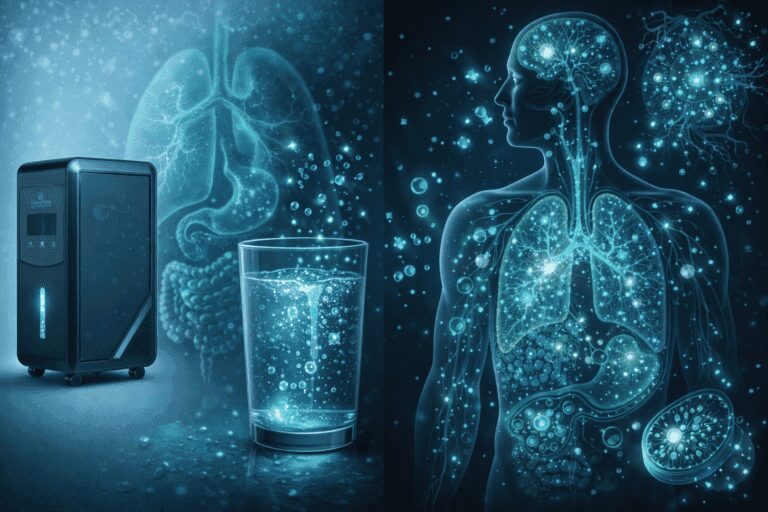
While hydrogen-enriched water offers convenience and some localized benefits in the gastrointestinal tract, inhalation remains the most efficient delivery method for achieving rapid, systemic tissue saturation. When molecular hydrogen is inhaled, it diffuses directly across the alveolar membrane into the bloodstream, bypassing the digestive system entirely. From there, H₂ rapidly permeates cell membranes—including the blood-brain barrier and mitochondrial membranes—due to its small molecular size and nonpolar structure.
This systemic distribution is particularly valuable for applications involving the central nervous system, cardiovascular tissues, and deep organ systems that benefit from oxidative stress mitigation. Hydrogen water, by contrast, delivers lower concentrations and depends on gastrointestinal absorption, which limits bioavailability and systemic reach.
For individuals seeking meaningful cellular support, a high-output hydrogen inhalation generator powered by PEM technology provides the most reliable and effective pathway to therapeutic hydrogen exposure. Sessions of 30 to 60 minutes allow for sustained diffusion into tissues, supporting mitochondrial optimization and long-term cellular resilience.
Related reading: Hydrogen and Cellular Health · Professional vs. Cheap Hydrogen Generators
New to hydrogen inhalation? Download our free Beginner’s Guide to Hydrogen Inhalation for a plain-language primer on what H₂ is, how inhalation works, and how to choose a generator.
Bring This Technology Home
For those committed to integrating molecular hydrogen into a daily wellness protocol, the quality of your hydrogen inhalation generator is non-negotiable. Revive Hydrogen offers the Intelligent High-Flow Hydrogen Generator, a professional-grade PEM system engineered for home and clinical use. Built around platinum-coated titanium electrodes and a DuPont N117 proton exchange membrane, the system delivers independently verified hydrogen purity of 99.992%—among the highest in the industry.
Available in three output configurations—HYD-1500, HYD-1800, and HYD-3000—the Revive generator produces up to 2000 ml/min of pure hydrogen and 1000 ml/min of oxygen (HYD-3000 model), with dual-user capability for shared sessions. Delivered via nasal cannula and equipped with programmable session timers, UV-C water disinfection, and continuous-run capability up to eight hours, the system is designed for effortless daily integration.
Manufactured to CE and RoHS standards under an ISO 9001-certified quality management system, the Revive Hydrogen generator represents the convergence of rigorous engineering and accessible home wellness technology. Whether you’re an athlete seeking enhanced recovery, a biohacker optimizing mitochondrial function, or simply someone exploring evidence-based approaches to cellular health, PEM-based hydrogen inhalation offers a scientifically grounded pathway to oxidative balance and long-term vitality.