
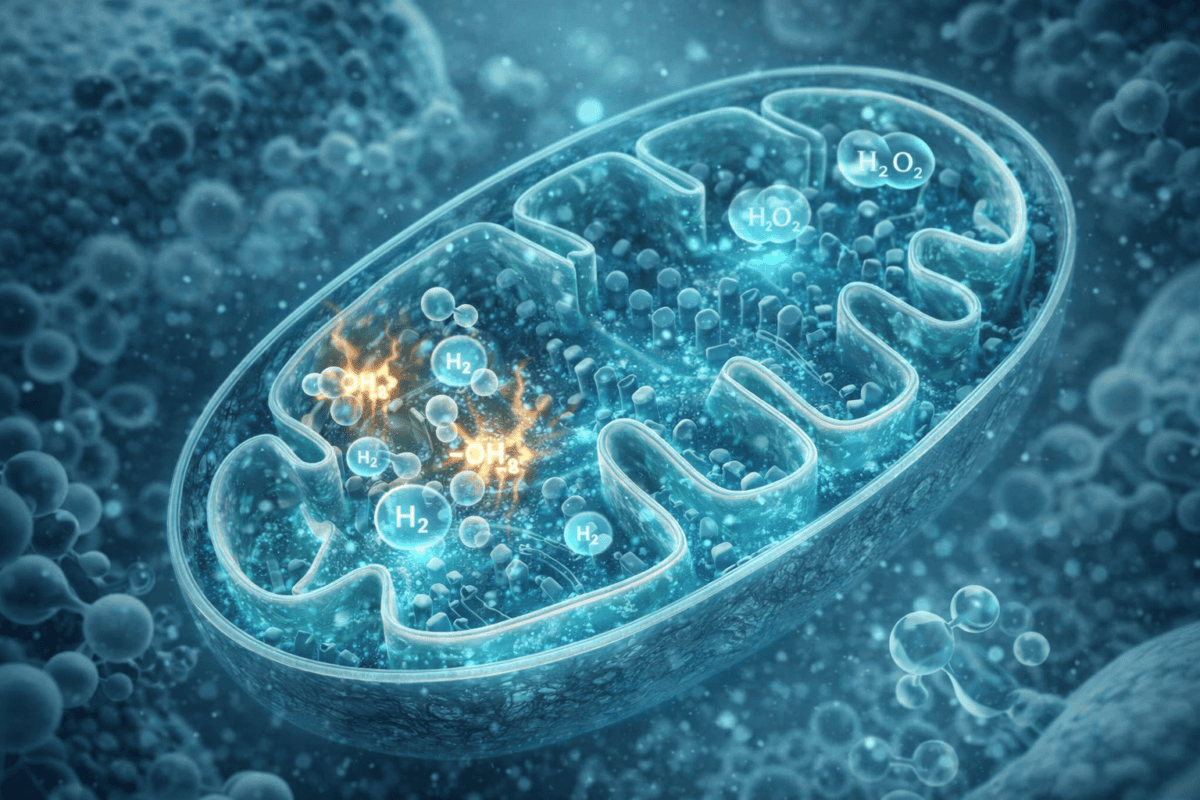
Your Cells Are Redox Engines—Not Antioxidant Fortresses
For decades, the wellness industry has championed antioxidants as the ultimate defenders of cellular health. From vitamin C serums to superfood powders, the message has been clear: oxidation is the enemy, and antioxidants are the cure. But this oversimplification misses a fundamental truth about human physiology. Your cells don’t need protection from all oxidation—they need redox balance, a dynamic equilibrium between oxidizing and reducing forces that powers everything from immune defense to mitochondrial energy production. Understanding this balance is the key to unlocking smarter, more targeted approaches to cellular wellness, including the selective action of molecular hydrogen therapy.
What Is Redox Balance?
Redox balance refers to the homeostatic regulation of reduction-oxidation reactions within cells. These reactions involve the transfer of electrons between molecules, creating both oxidants (reactive oxygen species, or ROS) and reductants (antioxidants). Far from being cellular villains, ROS serve critical physiological functions: they act as signaling molecules that regulate gene expression, mediate immune responses, and trigger adaptive stress responses that make your cells more resilient over time.
The problem arises when this balance tips too far in either direction. Chronic oxidative stress—an excess of oxidants over antioxidants—can damage lipids, proteins, and DNA, contributing to accelerated aging and chronic inflammation. But the opposite extreme, reductive stress, can be equally harmful. Flooding your system with indiscriminate antioxidants may suppress beneficial ROS signaling, impairing cellular communication and weakening adaptive defenses.
Modern cellular biology recognizes that optimal health requires precision, not blanket suppression. Your cells need selective intervention that neutralizes harmful oxidants while preserving the beneficial ones. This is where molecular hydrogen distinguishes itself from conventional antioxidant approaches.
The Selective Antioxidant Effect of Molecular Hydrogen
Molecular hydrogen (H₂) operates according to a fundamentally different mechanism than traditional antioxidants. Rather than scavenging all ROS indiscriminately, H₂ acts as a selective antioxidant, specifically targeting the most cytotoxic reactive species while leaving beneficial signaling molecules intact.
Targeting the Most Dangerous Oxidants
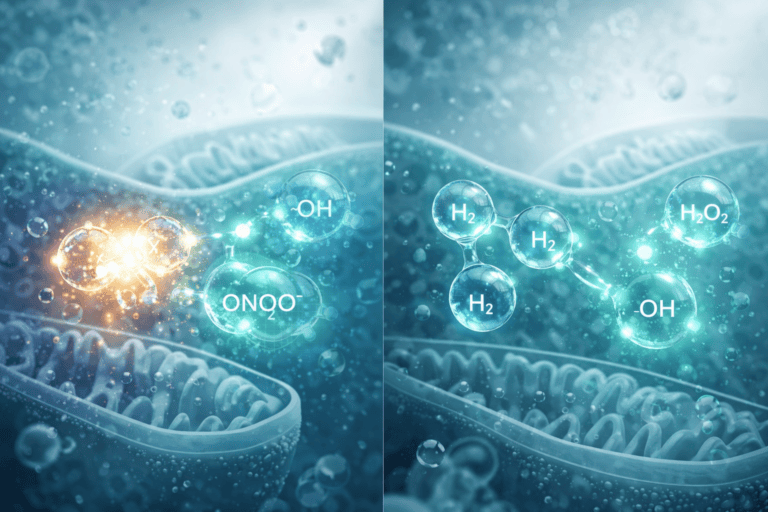
Research demonstrates that molecular hydrogen selectively neutralizes hydroxyl radicals (•OH) and peroxynitrite (ONOO⁻), two of the most reactive and damaging oxidants in biological systems. These species cause lipid peroxidation, protein oxidation, and DNA strand breaks—damage that contributes to cellular dysfunction and premature aging. By specifically quenching these harmful radicals, H₂ provides targeted protection where it matters most.
Preserving Beneficial ROS Signaling
Critically, molecular hydrogen does not react with hydrogen peroxide (H₂O₂) or superoxide (O₂⁻), which function as essential signaling molecules in cellular pathways. Hydrogen peroxide, for example, regulates insulin sensitivity, supports immune cell activation, and mediates hormetic stress responses that strengthen mitochondrial function. By leaving these beneficial ROS untouched, H₂ supports redox balance rather than disrupting it—a nuanced approach that conventional antioxidant supplementation cannot achieve.
This selectivity is possible because of H₂’s unique chemical properties. Its small molecular size allows it to diffuse rapidly across cell membranes and penetrate subcellular compartments, including mitochondria and the nucleus. Its mild reducing potential ensures it reacts only with the most oxidizing species, preserving the moderate oxidants your cells need for optimal function.
Why Redox Balance Matters for Mitochondrial Health
Mitochondria—the powerhouses of your cells—are both major producers and primary targets of ROS. During ATP synthesis, the electron transport chain inevitably generates superoxide as a byproduct. Under normal conditions, this ROS production supports mitochondrial biogenesis and metabolic flexibility. But chronic mitochondrial oxidative stress impairs energy production, damages mitochondrial DNA, and accelerates cellular senescence.
Molecular hydrogen supports mitochondrial redox homeostasis by:
- Neutralizing mitochondrial hydroxyl radicals that would otherwise damage respiratory chain complexes and impair ATP generation
- Supporting mitochondrial membrane potential by reducing excessive oxidative damage to lipid bilayers
- Activating endogenous antioxidant systems including Nrf2 pathways, which upregulate glutathione, superoxide dismutase, and catalase—your body’s own redox defense network
- Enhancing mitochondrial quality control through improved mitophagy and biogenesis signaling, ensuring dysfunctional mitochondria are recycled and replaced
This mitochondrial optimization is central to sustained energy, recovery capacity, and long-term cellular resilience—outcomes that cannot be achieved through antioxidant supplementation alone.
Achieving Therapeutic Tissue Saturation: Why Delivery Method Matters
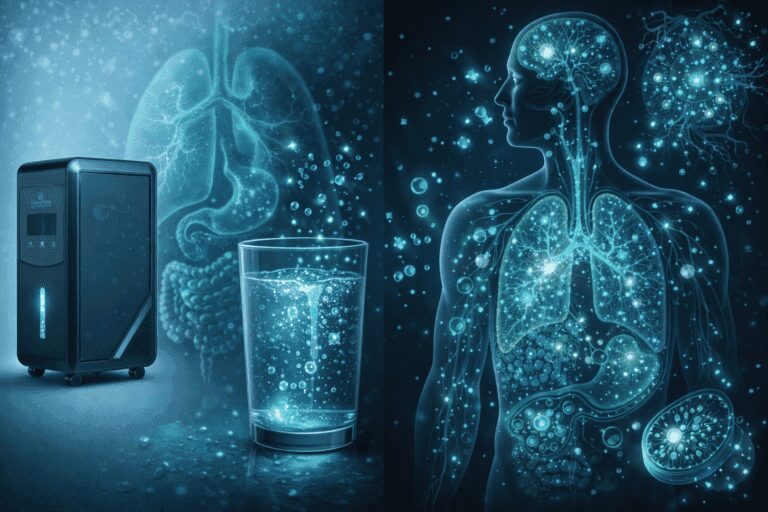
The clinical literature on molecular hydrogen predominantly focuses on inhalation delivery, not oral ingestion. While hydrogen-enriched water provides modest systemic exposure, inhalation enables rapid, high-concentration tissue saturation across the blood-brain barrier, deep muscle tissue, and organs with high metabolic demand.
Professional-grade hydrogen inhalation systems deliver pure molecular hydrogen at flow rates sufficient to achieve therapeutic concentrations throughout the body. Unlike hydrogen water, which is limited by solubility and gastric dilution, inhalation allows passive, sustained exposure during rest, work, or recovery—making it the preferred modality for those seeking comprehensive redox support.
Critically, not all hydrogen systems are created equal. Low-output devices or those generating diluted hydrogen-air mixtures may lack the flow capacity necessary for meaningful physiological impact. Therapeutic applications require high-purity hydrogen generation and sustained delivery, specifications that define clinical-grade versus consumer-grade equipment.
Bring This Technology Home
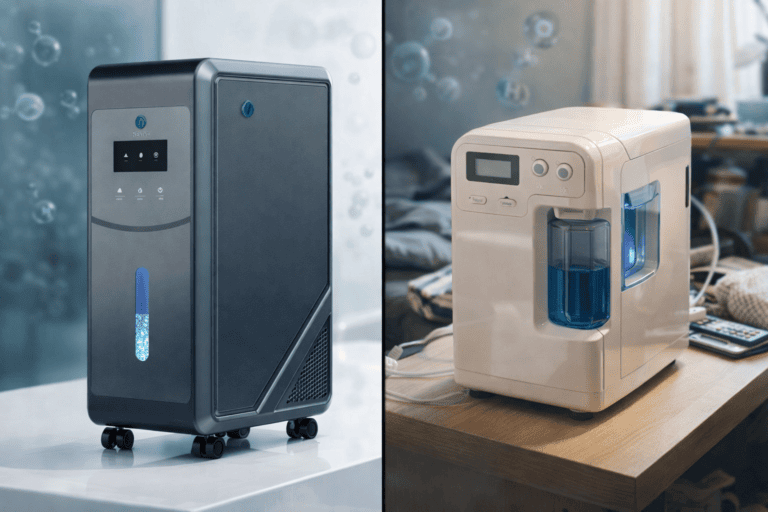
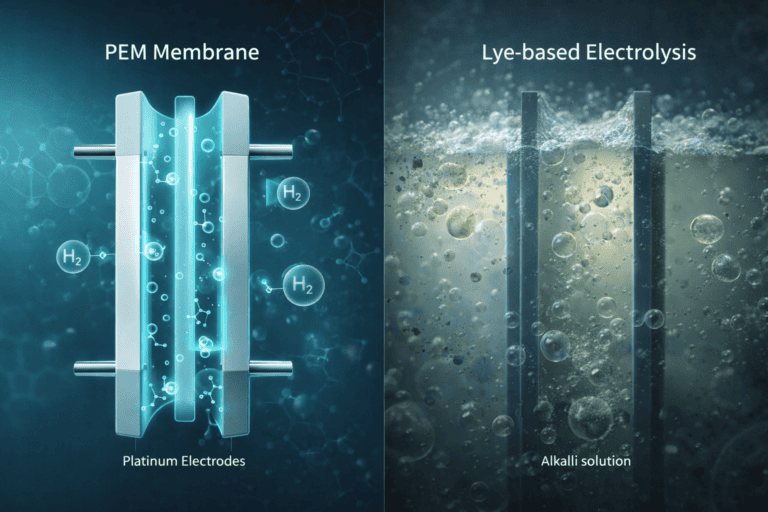
For individuals seeking to integrate molecular hydrogen into their wellness protocols, Revive Hydrogen offers professional-grade inhalation systems designed for both home and clinical use. The Intelligent High-Flow Hydrogen Generator lineup—featuring the HYD-1500, HYD-1800, and HYD-3000 models—utilizes PEM (Proton Exchange Membrane) electrolysis with platinum-coated titanium electrodes and DuPont N117 membranes to produce hydrogen at 99.992% purity, independently verified by accredited third-party laboratories.
These systems deliver pure molecular hydrogen, not diluted hydrogen-air mixtures, with flow rates up to 1500, 1800, or 3000 ml/min total output (H₂ plus O₂), enabling therapeutic tissue saturation during passive use. Each unit includes nasal cannula delivery, programmable session timers, UV-C water disinfection, and the capacity for up to eight hours of continuous operation. Manufactured to CE and RoHS standards under an ISO 9001-certified quality management system, every generator is backed by a three-year limited warranty.
Molecular hydrogen research continues to expand across areas including oxidative stress mitigation, mitochondrial function, and cellular resilience. The ability to deliver high-purity hydrogen at clinically relevant concentrations represents a significant advancement in at-home wellness technology—one that aligns with the precision your cells require to maintain true redox balance.