
The Silent Crisis of Chronic Inflammation
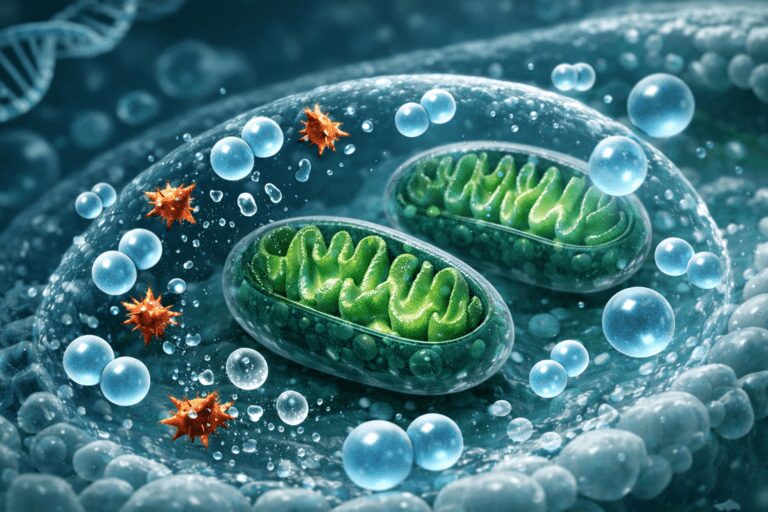
Chronic inflammation represents one of the most pervasive yet misunderstood threats to long-term health and vitality. Unlike acute inflammation—the body’s natural, temporary response to injury or infection—chronic inflammation persists for months or years, creating a destructive cycle of cellular damage that accelerates aging and compromises virtually every physiological system. At the molecular level, this relentless inflammatory state generates excessive reactive oxygen species (ROS) that overwhelm cellular defenses, damage mitochondrial function, and disrupt homeostatic balance. Molecular hydrogen therapy has emerged as a scientifically validated approach to addressing this fundamental problem, offering a unique mechanism that selectively neutralizes the most destructive oxidative species while preserving beneficial cellular signaling pathways.
Understanding Oxidative Stress and the Inflammation Cascade
To appreciate how molecular hydrogen therapy works, we must first understand the biochemical foundation of chronic inflammation. When inflammatory pathways remain chronically activated, immune cells produce substantial quantities of reactive oxygen and nitrogen species as part of their defensive arsenal. While some ROS—such as hydrogen peroxide (H₂O₂) and superoxide—serve essential signaling functions in cellular communication and immune response, others prove indiscriminately destructive.
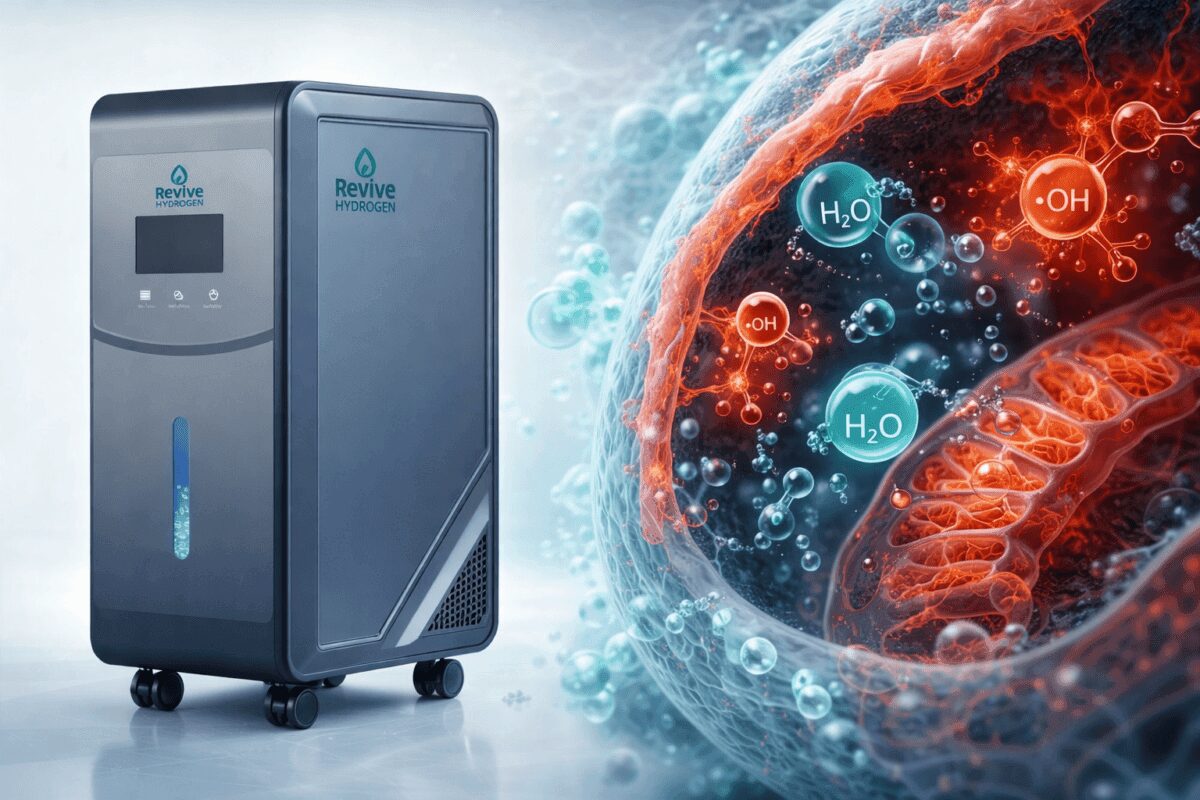
The hydroxyl radical (•OH) and peroxynitrite (ONOO⁻) represent the most cytotoxic species generated during chronic inflammation. The hydroxyl radical, formed through Fenton reactions involving iron or copper catalysts, attacks virtually any biological molecule it encounters—lipids, proteins, and DNA—with reaction rates approaching diffusion limits. Peroxynitrite, created when superoxide reacts with nitric oxide, similarly damages cellular structures through direct oxidation and nitration of proteins, disrupting cellular signaling and enzymatic function.
Traditional antioxidant approaches face a critical limitation: they cannot distinguish between harmful and beneficial reactive species. Broad-spectrum antioxidants may inadvertently suppress important cellular signaling mechanisms that depend on controlled ROS production for proper immune function, cellular adaptation, and hormetic stress responses. This indiscriminate action explains why many antioxidant supplementation studies have produced disappointing or contradictory results.
Molecular Hydrogen: A Selective Antioxidant With Unique Properties
Molecular hydrogen (H₂) operates through an entirely different mechanism than conventional antioxidants. Research published in leading journals including Nature Medicine, Medical Gas Research, and Free Radical Research has established that H₂ functions as a selective antioxidant—specifically targeting hydroxyl radicals and peroxynitrite while leaving beneficial signaling molecules like hydrogen peroxide, superoxide, and nitric oxide functionally intact.
This selectivity stems from the unique chemical properties of molecular hydrogen. As the smallest and most bioavailable molecule in existence, H₂ readily crosses cell membranes, blood-brain barriers, and mitochondrial membranes without requiring transport proteins or channels. Once inside cells, H₂ reacts preferentially with the most oxidizing radicals through reduction reactions that convert toxic species into water, effectively neutralizing the threat without disrupting normal cellular physiology.
Cellular and Systemic Benefits of Hydrogen Therapy
The therapeutic implications of this selective antioxidant activity extend across multiple physiological systems affected by chronic inflammation:
- Mitochondrial optimization: By reducing hydroxyl radical damage to mitochondrial DNA and membrane lipids, H₂ helps preserve energy production efficiency and reduces the vicious cycle of mitochondrial ROS generation that perpetuates oxidative stress.
- Inflammatory signaling modulation: Research indicates H₂ downregulates pro-inflammatory cytokines including TNF-α, IL-1β, and IL-6 while supporting anti-inflammatory pathways, helping restore immune homeostasis without suppressing necessary immune function.
- Nrf2 pathway activation: Molecular hydrogen has been shown to activate the Nrf2-Keap1 signaling pathway, the master regulator of endogenous antioxidant enzyme production, thereby enhancing the body’s own protective mechanisms.
- Cellular membrane protection: By preventing lipid peroxidation—the chain-reaction oxidation of polyunsaturated fatty acids in cell membranes—H₂ helps maintain membrane integrity critical for proper cellular communication and nutrient transport.
- Protein structure preservation: Neutralizing peroxynitrite prevents protein nitration and oxidative modifications that alter protein function and contribute to cellular dysfunction in chronic inflammatory states.
Over 1,500 peer-reviewed publications have now documented molecular hydrogen’s effects across diverse research contexts, with human clinical studies demonstrating measurable improvements in biomarkers associated with oxidative stress and inflammatory burden. This extensive evidence base has established H₂ as a legitimate focus of therapeutic investigation rather than speculative wellness trend.
Delivery Methods: Why Inhalation Achieves Superior Tissue Saturation
While molecular hydrogen can be delivered through various routes—including hydrogen-enriched water, saline injection, and inhalation—these methods differ substantially in their capacity to achieve therapeutic tissue concentrations. Hydrogen-enriched water provides measurable benefits and represents an accessible entry point, but faces inherent limitations in maximum dissolved hydrogen concentration (typically 1.6 ppm at saturation under standard conditions) and gastrointestinal absorption efficiency.
Inhalation of molecular hydrogen gas offers distinct advantages for systemic delivery and cellular penetration. When inhaled through a nasal cannula, H₂ rapidly diffuses across alveolar membranes into the bloodstream, achieving higher blood and tissue concentrations than oral consumption permits. This pulmonary delivery bypasses first-pass metabolism and distributes hydrogen throughout the body within minutes, creating sustained elevation in tissue hydrogen levels during extended sessions.
Professional-grade hydrogen inhalation requires specialized equipment capable of producing high-purity H₂ at therapeutic flow rates. Consumer-grade devices or those producing diluted hydrogen-air mixtures (typically 1-4% hydrogen concentration) cannot achieve the tissue saturation documented in clinical research contexts. True therapeutic protocols generally utilize pure molecular hydrogen at flow rates measured in hundreds to thousands of milliliters per minute—specifications that demand sophisticated electrolysis technology, medical-grade construction, and rigorous purity verification.
The Technology Behind Therapeutic Hydrogen Generation
Effective molecular hydrogen therapy depends on PEM (Proton Exchange Membrane) electrolysis technology, which splits purified water into its constituent elements—hydrogen and oxygen—with exceptional purity. This process employs platinum-coated titanium electrodes and specialized membranes (such as DuPont N117) to achieve hydrogen purity exceeding 99.99%, eliminating contaminants that could compromise therapeutic outcomes or safety.
High-flow hydrogen generators designed for clinical and advanced home use typically incorporate multiple safety and quality features: UV-C water disinfection systems to prevent microbial contamination, programmable session timers for protocol consistency, continuous operation capability for extended sessions, and independent third-party purity verification. These specifications distinguish professional-grade hydrogen technology from basic wellness devices and ensure reproducible therapeutic delivery.
Related reading: Hydrogen and Inflammation · Molecular Hydrogen and Mast Cells
New to hydrogen inhalation? Download our free Beginner’s Guide to Hydrogen Inhalation for a plain-language primer on what H₂ is, how inhalation works, and how to choose a generator.
Bring This Technology Home
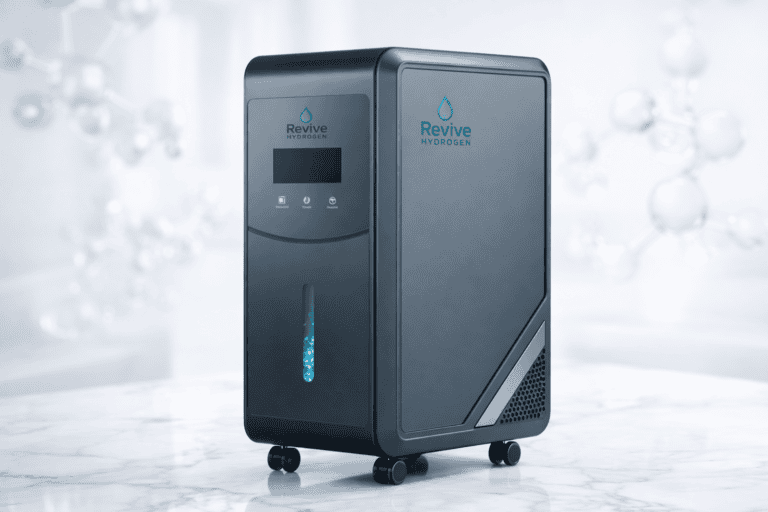
For individuals seeking to incorporate evidence-based molecular hydrogen therapy into their wellness protocols, access to professional-grade hydrogen generation technology has become increasingly practical. Revive Hydrogen offers high-flow hydrogen generators engineered specifically for therapeutic applications requiring sustained, high-purity hydrogen delivery.
The Intelligent High-Flow Hydrogen Generator line includes three output tiers—HYD-1500, HYD-1800, and HYD-3000—each utilizing PEM electrolysis with platinum-coated titanium electrodes and DuPont N117 membranes to produce 99.992% pure molecular hydrogen, independently verified by accredited third-party laboratories. These systems generate pure molecular hydrogen plus separate oxygen output, distinctly different from competitor devices that produce diluted hydrogen-air mixtures.
Flow rate specifications accommodate both individual and dual-user applications: the HYD-1500 delivers up to 1500 ml/min total output (1000 ml/min H₂ and 500 ml/min O₂), the HYD-1800 produces up to 1800 ml/min (1200 ml/min H₂ and 600 ml/min O₂), and the HYD-3000 generates up to 3000 ml/min (2000 ml/min H₂ and 1000 ml/min O₂). Dual-user capability allows shared output of approximately 1000 ml/min hydrogen per user, enabling simultaneous sessions.
Each system includes four nasal cannulas for comfortable delivery, programmable session timers (30-480 minutes), integrated UV-C water disinfection, and continuous operation capability up to eight hours. Manufacturing adheres to CE, RoHS, and an ISO 9001-certified quality management system, ensuring construction quality appropriate for demanding wellness applications.
Based in Dry Ridge, Kentucky, Revive Hydrogen operates as an online-only retailer, making professional-grade hydrogen technology accessible for home and clinical implementation. For those committed to addressing chronic inflammation through scientifically validated approaches, high-flow hydrogen generation represents a foundational technology worthy of serious consideration. Explore the full specifications and ongoing research into molecular hydrogen applications at Revive Hydrogen.