
What Is Oxidative Stress?
Oxidative stress represents one of the most fundamental challenges to cellular health, aging, and systemic resilience. At its core, oxidative stress occurs when the production of reactive oxygen species (ROS) and reactive nitrogen species (RNS) overwhelms the body’s antioxidant defense systems, leading to widespread molecular damage across lipids, proteins, and DNA. This imbalance doesn’t happen overnight—it accumulates through environmental toxins, processed foods, chronic inflammation, intense physical exertion, psychological stress, and simply the passage of time. Understanding oxidative stress is the first step toward implementing evidence-based strategies that support mitochondrial function, cellular longevity, and homeostatic balance.
The Biochemistry of Cellular Damage
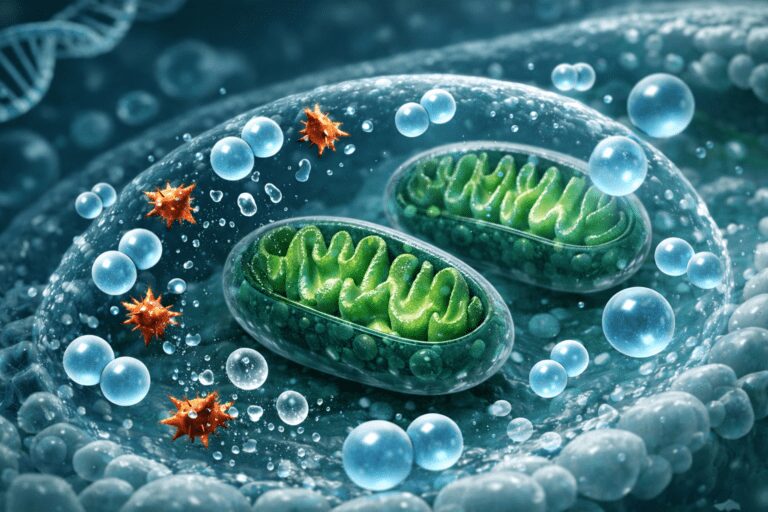
Every cell in your body operates as a miniature power plant, with mitochondria generating adenosine triphosphate (ATP)—the universal energy currency of life. This process, known as oxidative phosphorylation, inevitably produces reactive oxygen species as metabolic byproducts. Under normal conditions, your body maintains elegant control over these molecules through enzymatic antioxidants like superoxide dismutase, catalase, and glutathione peroxidase.
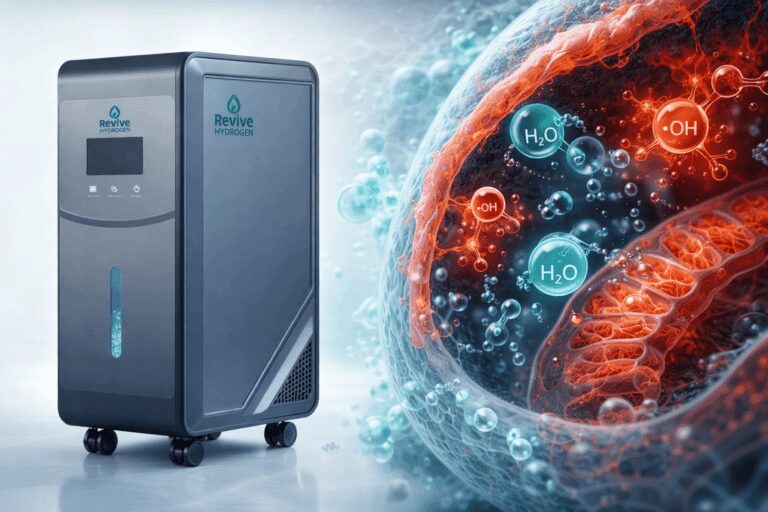
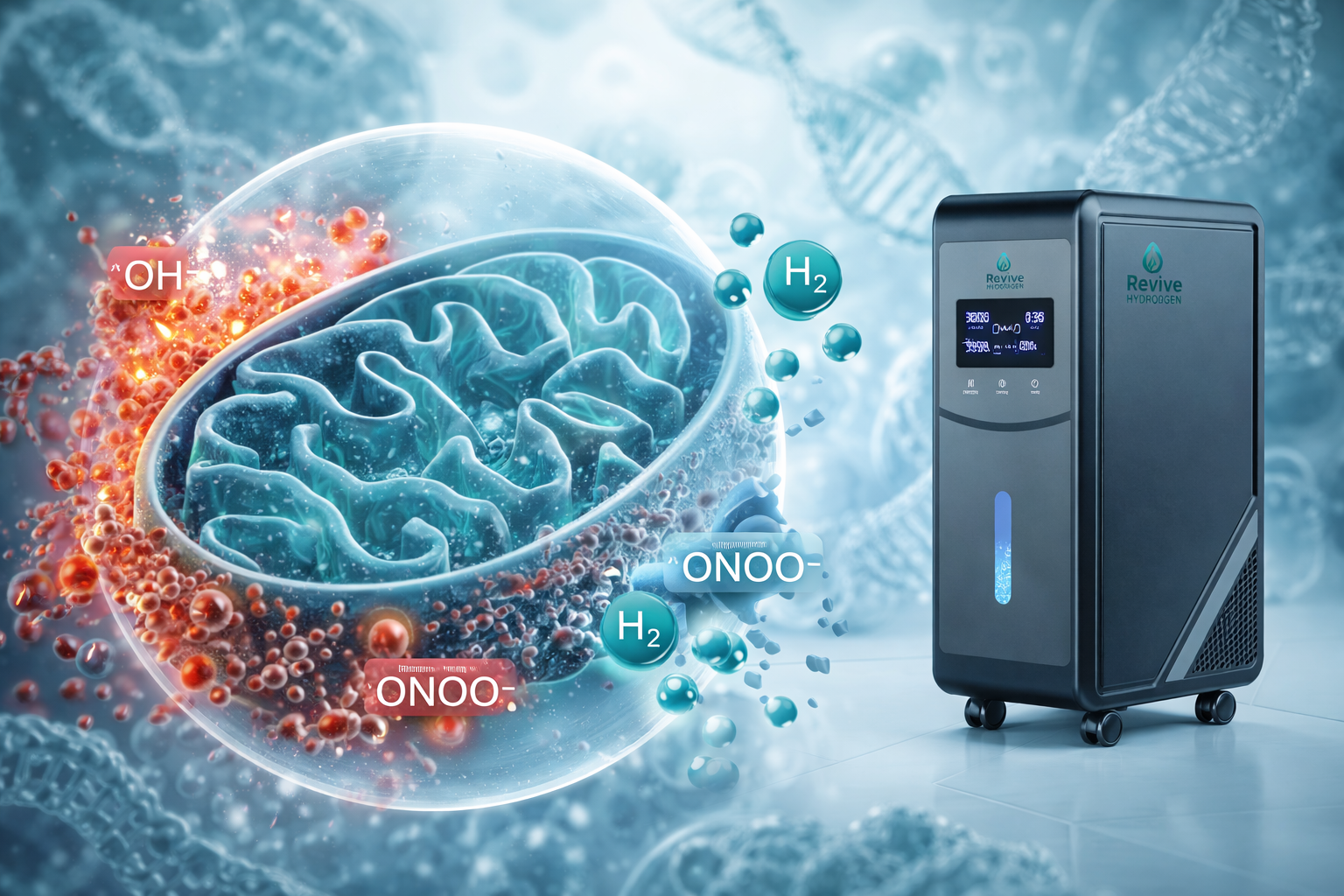
However, when ROS production exceeds antioxidant capacity, the system tips into oxidative stress. The most destructive player in this scenario is the hydroxyl radical (•OH), an extremely reactive species that indiscriminately damages virtually any biological molecule it encounters. Peroxynitrite (ONOO⁻), formed when superoxide reacts with nitric oxide, represents another highly cytotoxic species that disrupts cellular signaling and damages mitochondrial membranes.
What Triggers Oxidative Stress?
Multiple physiological and environmental factors contribute to excessive ROS generation:
- Mitochondrial dysfunction: Impaired electron transport chain efficiency increases electron leakage and superoxide production
- Chronic inflammation: Activated immune cells release oxidative bursts as part of the inflammatory response
- Environmental toxins: Heavy metals, pollutants, and xenobiotics generate free radicals during detoxification
- Intense exercise: While beneficial overall, high-intensity training temporarily elevates oxidative stress markers
- Psychological stress: Cortisol elevation and sympathetic nervous system activation increase metabolic ROS production
- Dietary factors: High glucose, advanced glycation end products, and oxidized fats promote reactive species formation
The Consequences of Chronic Oxidative Stress
When oxidative stress persists, the cumulative damage affects multiple physiological systems. Lipid peroxidation compromises cell membrane integrity, altering fluidity and disrupting receptor function. Protein oxidation leads to misfolding, aggregation, and loss of enzymatic activity—processes implicated in accelerated aging and cellular senescence. DNA oxidation, particularly mitochondrial DNA damage, impairs cellular energy production and triggers inflammatory signaling cascades.
The vicious cycle continues as damaged mitochondria produce even more ROS, while oxidative stress depletes the very antioxidant systems designed to neutralize these species. This progressive decline manifests as reduced cellular efficiency, impaired recovery capacity, and diminished physiological resilience across cardiovascular, neurological, metabolic, and musculoskeletal systems.
Molecular Hydrogen: A Selective Antioxidant Approach
Traditional antioxidant supplementation faces a critical limitation: broad-spectrum scavenging can inadvertently neutralize beneficial signaling ROS that regulate gene expression, immune function, and cellular adaptation. This is where molecular hydrogen (H₂) demonstrates a fundamentally different mechanism.
Research indicates that molecular hydrogen acts as a selective antioxidant, specifically targeting the most cytotoxic reactive species—hydroxyl radicals and peroxynitrite—while preserving physiologically important signaling molecules like hydrogen peroxide and superoxide at lower concentrations. This selectivity allows H₂ to mitigate oxidative damage without disrupting the beneficial hormetic stress responses that drive cellular adaptation and resilience.
How Hydrogen Reaches Cellular Targets
Molecular hydrogen’s therapeutic potential stems from its unique biophysical properties. As the smallest molecule in existence, H₂ readily diffuses across cell membranes, blood-brain barrier, and into mitochondria—compartments often inaccessible to conventional antioxidants. This penetration capacity enables hydrogen to neutralize oxidative damage at its source within mitochondrial membranes and nuclear DNA.
The delivery method significantly influences therapeutic outcomes. While hydrogen-enriched water provides measurable benefits, achieving optimal tissue saturation for systemic cellular support requires high-output hydrogen inhalation. Professional-grade hydrogen generators utilizing proton exchange membrane (PEM) electrolysis deliver pure molecular hydrogen at concentrations and flow rates necessary for deep tissue penetration and sustained mitochondrial support.
Beyond Antioxidant Activity
Emerging research reveals that molecular hydrogen’s cellular benefits extend beyond direct radical scavenging. H₂ appears to modulate gene expression through activation of the Nrf2-ARE pathway, upregulating endogenous antioxidant enzymes and cytoprotective proteins. This transcriptional regulation enhances the body’s innate antioxidant defense systems rather than simply providing exogenous radical scavenging.
Additionally, hydrogen influences cellular signaling pathways involved in inflammation modulation, apoptosis regulation, and mitochondrial biogenesis. These pleiotropic effects position molecular hydrogen not merely as an antioxidant supplement, but as a sophisticated signaling molecule that supports cellular homeostasis across multiple physiological systems.
Implementing Oxidative Stress Mitigation Strategies
Addressing oxidative stress requires a comprehensive approach combining lifestyle modification, nutritional optimization, and evidence-based wellness technologies. Foundational strategies include consuming a phytonutrient-rich diet, managing psychological stress, optimizing sleep architecture, and incorporating appropriate exercise intensity with adequate recovery.
For those seeking advanced cellular support, molecular hydrogen inhalation represents an emerging frontier in oxidative stress mitigation. The passive nature of inhalation—requiring no digestive processing or active metabolic conversion—makes it particularly suitable for systemic delivery during rest, recovery, or focused wellness sessions.
Bring This Technology Home
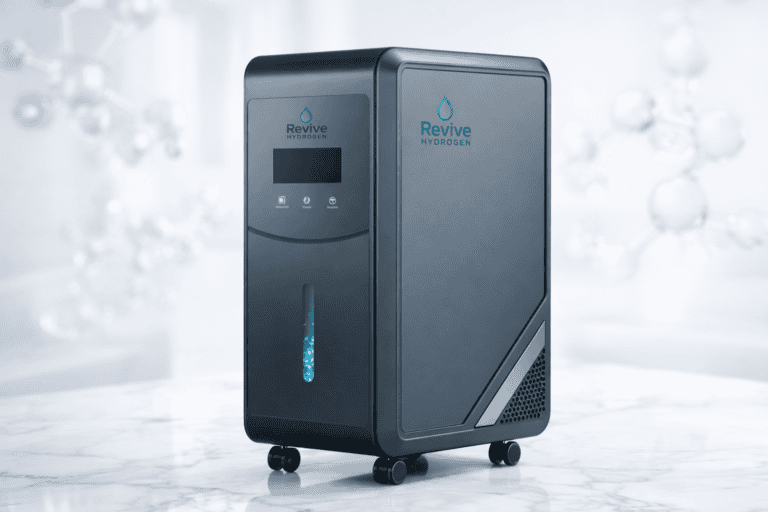
For individuals committed to evidence-based cellular health optimization, Revive Hydrogen offers professional-grade hydrogen generation technology engineered for home and clinical environments. The Intelligent High-Flow Hydrogen Generator utilizes PEM electrolysis with platinum-coated titanium electrodes and DuPont N117 membrane technology to produce 99.992% pure molecular hydrogen—verified by independent third-party laboratory analysis.
Available in three output configurations (HYD-1500, HYD-1800, and HYD-3000), these systems deliver pure hydrogen and oxygen through separate outputs via nasal cannula, with flow rates reaching up to 2000 ml/min of hydrogen. This high-output capacity enables the tissue saturation levels examined in clinical hydrogen research, positioning these generators as research-grade tools for those exploring molecular hydrogen’s role in oxidative stress mitigation and cellular wellness.
Manufactured to CE and RoHS standards within an ISO 9001-certified quality management system and backed by a 3-year limited warranty, Revive Hydrogen systems represent a commitment to both scientific rigor and long-term reliability. Explore the growing body of research on molecular hydrogen and inflammation through the comprehensive resources available at Revive Hydrogen’s Science Hub.