
The Science Behind Ultra-Pure Molecular Hydrogen
When you see “99.99% purity” printed on a hydrogen generator specification sheet, it’s far more than a marketing claim—it’s a precise chemical threshold that directly influences whether molecular hydrogen can exert its selective antioxidant effects at the cellular level. Hydrogen purity determines not just what you’re inhaling, but whether your mitochondria, cell membranes, and neurological tissues receive therapeutic concentrations of H₂ without interference from contaminants that could trigger inflammatory cascades or oxidative damage. Understanding this distinction is essential for anyone serious about leveraging hydrogen therapy for wellness, longevity, and cellular recovery.
Molecular hydrogen operates through remarkably specific biochemical pathways. Unlike broad-spectrum antioxidants that indiscriminately neutralize all reactive species—including those your body uses for immune signaling and cellular communication—H₂ selectively targets only the most destructive radicals: hydroxyl radicals (•OH) and peroxynitrite (ONOO⁻). These are the molecules responsible for lipid peroxidation, DNA fragmentation, and mitochondrial membrane damage. By leaving beneficial signaling molecules like hydrogen peroxide and superoxide intact, pure molecular hydrogen supports homeostatic balance rather than disrupting it.
But this selectivity depends entirely on purity. Trace contaminants—nitrogen oxides, ozone, chlorine compounds, or particulate matter—can not only dilute hydrogen’s effects but actively counteract them by introducing additional oxidative stressors into your respiratory system and bloodstream.
What 99.99% Hydrogen Purity Actually Measures
Hydrogen purity is expressed as a percentage of molecular hydrogen (H₂) relative to all other gases present in the output stream. A purity rating of 99.99% means that for every 10,000 molecules you inhale, 9,999 are H₂ and only one is something else—typically trace water vapor, residual oxygen, or inert gases. This is not an arbitrary standard; it reflects the threshold required to avoid introducing reactive contaminants that could compromise cellular redox balance.
The Chemistry of Electrolysis and Contamination Risk
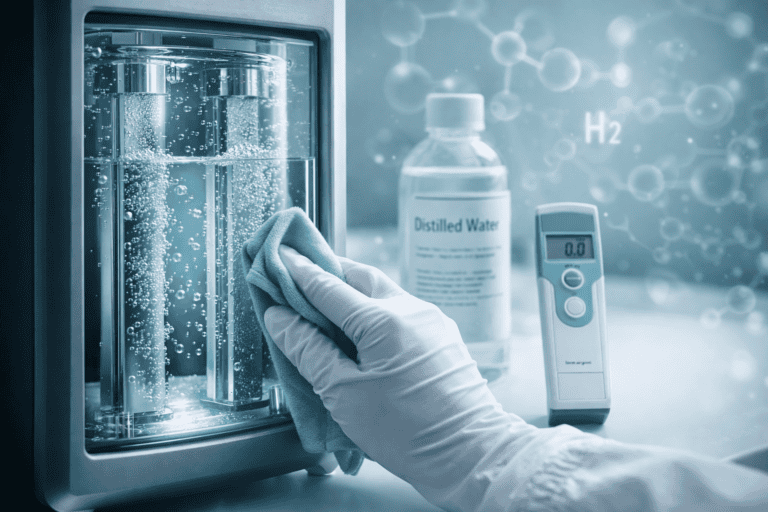
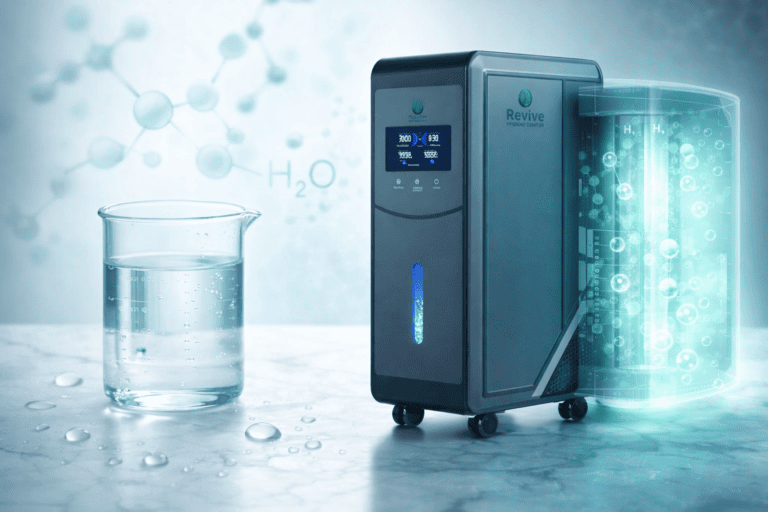
Professional hydrogen generators use proton exchange membrane (PEM) electrolysis to split distilled water into hydrogen and oxygen. In high-quality systems, platinum-coated titanium electrodes and advanced polymer membranes—such as the DuPont N117 membrane—ensure that only pure H₂ and O₂ are produced, with minimal cross-contamination. Lower-grade systems, particularly those using alkaline electrolysis or tap water, can introduce chlorine byproducts, nitrogen oxides from air exposure, and even heavy metal particulates from electrode degradation.
These contaminants are not benign. Chlorine compounds irritate respiratory epithelia and generate hypochlorous acid, a potent oxidizer. Nitrogen oxides can react with superoxide to form additional peroxynitrite—the very molecule hydrogen is meant to neutralize. Even fractional impurities, when inhaled over repeated sessions, accumulate oxidative burden rather than alleviating it.
Independent Laboratory Verification: The Gold Standard
Claims of high purity are only as credible as their verification. Reputable manufacturers submit output samples to accredited third-party laboratories for gas chromatography and mass spectrometry analysis. These tests quantify H₂ concentration, identify trace contaminants, and confirm that purity levels meet or exceed published specifications. Without independent verification, purity claims remain marketing assertions rather than scientific facts.
Why Purity Matters for Systemic Hydrogen Delivery
Achieving therapeutic tissue saturation—the concentration required for molecular hydrogen to cross the blood-brain barrier, diffuse into mitochondria, and modulate gene expression—requires not only high purity but also high output volume. This is where inhalation surpasses water ingestion as the preferred delivery method for systemic wellness.
Inhalation vs. Ingestion: Bioavailability and Tissue Penetration
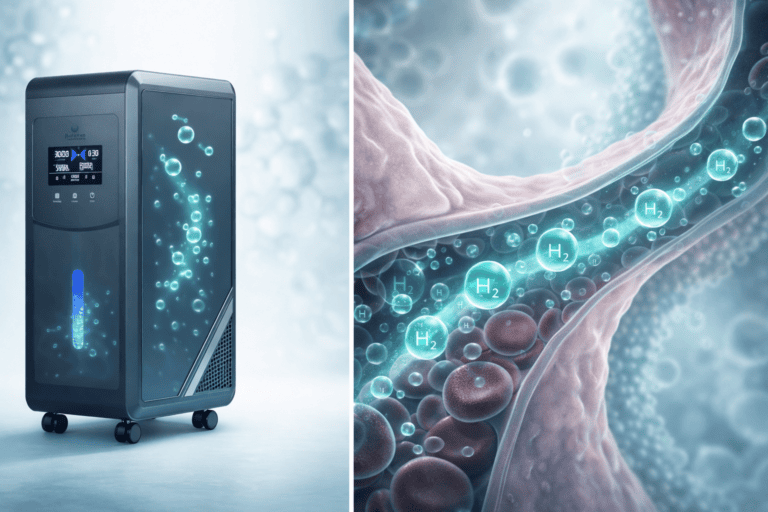
Drinking hydrogen-enriched water can deliver H₂ to the gastrointestinal tract and, to a limited extent, peripheral tissues. However, hydrogen is poorly soluble in water (approximately 1.6 mg/L at saturation), and much of it dissipates before absorption. Inhalation, by contrast, delivers hydrogen directly into alveolar capillaries, where it rapidly dissolves into plasma and distributes to all organ systems—including the brain, heart, liver, and skeletal muscle—within minutes.
High-flow hydrogen generators capable of producing 1,000 ml/min or more of pure H₂ enable passive, continuous exposure during rest, work, or recovery sessions. This sustained delivery maintains elevated blood and tissue concentrations, optimizing conditions for oxidative stress mitigation and mitochondrial efficiency.
Cellular and Mitochondrial Implications
At the cellular level, ultra-pure molecular hydrogen:
- Neutralizes hydroxyl radicals (•OH) without generating secondary reactive byproducts, preventing lipid peroxidation and preserving membrane integrity
- Reduces peroxynitrite (ONOO⁻) formation, protecting proteins and DNA from nitrosative damage
- Upregulates Nrf2 pathways, enhancing endogenous antioxidant enzyme expression (superoxide dismutase, catalase, glutathione peroxidase)
- Modulates inflammatory cytokines by suppressing NF-κB activation, supporting balanced immune response
- Improves mitochondrial membrane potential, optimizing ATP synthesis efficiency and reducing electron leakage
Each of these mechanisms depends on delivering molecular hydrogen free from contaminants that could activate competing oxidative or inflammatory pathways. Purity is not a luxury—it is a biochemical prerequisite.
Choosing a Hydrogen Generator: Purity, Output, and Verification
Not all hydrogen generators are created equal. When evaluating devices for home or clinical use, prioritize three critical specifications: independently verified purity, total hydrogen output capacity, and certifications reflecting manufacturing quality.
Key Specifications to Evaluate
Look for systems that use PEM electrolysis with platinum-coated electrodes and DuPont or equivalent high-grade polymer membranes. Verify that purity claims are supported by third-party laboratory testing, not manufacturer self-reporting. Assess total hydrogen output—measured in milliliters per minute (ml/min)—to ensure the device can deliver clinically relevant concentrations during typical session durations of 30 to 120 minutes.
Additional features such as UV-C water disinfection, programmable session timers, and dual-user capability enhance usability and hygiene, but should never substitute for core performance metrics. Certifications like CE, RoHS, and ISO 9001 quality management provide additional assurance of safety and manufacturing consistency.
Bring This Technology Home
For those committed to cellular optimization and evidence-based wellness, Revive Hydrogen offers the Intelligent High-Flow Hydrogen Generator—engineered to deliver 99.992% hydrogen purity, independently verified by accredited third-party laboratories. This isn’t rounded marketing language; it’s the precise chemical threshold required for selective antioxidant activity without contaminant interference.
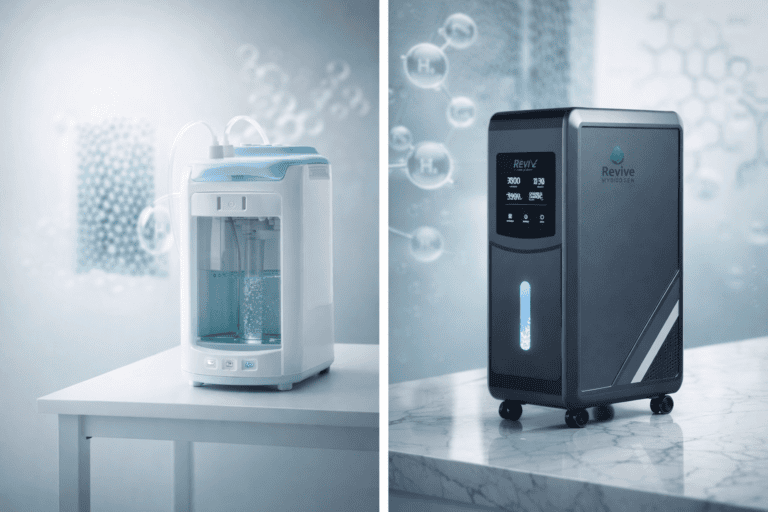
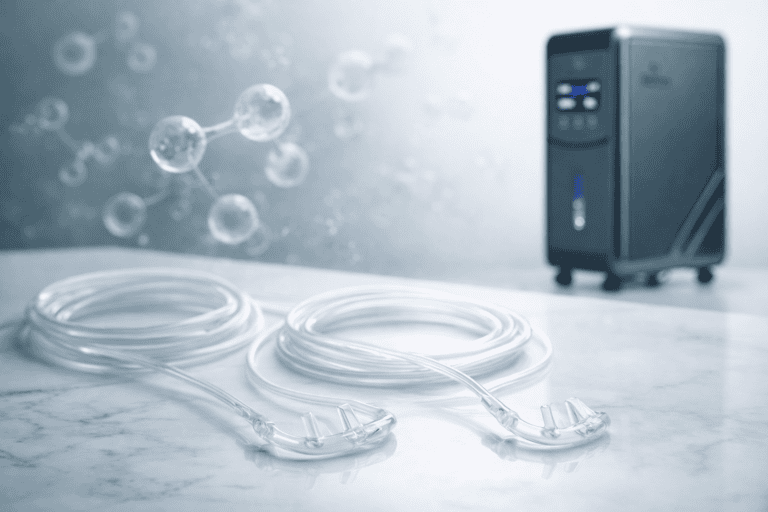
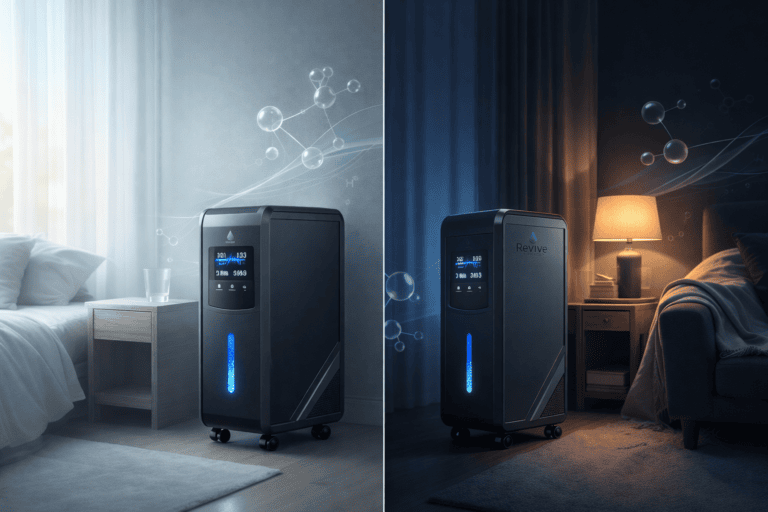
Available in three output tiers—HYD-1500, HYD-1800, and HYD-3000—each system utilizes PEM electrolysis with platinum-coated titanium electrodes and DuPont N117 membranes to produce pure molecular hydrogen alongside separate oxygen output. The HYD-3000, for example, generates up to 2,000 ml/min of H₂ and 1,000 ml/min of O₂, enabling dual-user sessions or extended single-user protocols. Delivered via nasal cannula with programmable timers (30 to 480 minutes), UV-C water disinfection, and up to eight hours of continuous operation, these generators are built for serious, sustained use.
Manufactured to CE and RoHS standards under ISO 9001-certified quality management and backed by a three-year limited warranty, Revive Hydrogen systems represent the intersection of rigorous engineering and biochemical precision. When hydrogen purity is the foundation of your wellness strategy, precision matters—and 99.992% is not a number to compromise on.