
The Science of Timing: When Should You Inhale Molecular Hydrogen?
If you’ve invested in hydrogen inhalation therapy—or you’re considering it—you’ve likely asked yourself a simple question: is there a best time for hydrogen inhalation? Does timing influence how effectively molecular hydrogen (H₂) supports cellular health, mitochondrial function, and oxidative stress mitigation? The short answer is nuanced. While molecular hydrogen exerts powerful antioxidant effects regardless of when you use it, strategic timing can align H₂ therapy with your body’s natural rhythms, recovery windows, and metabolic demands. Understanding the biochemistry behind hydrogen’s actions, combined with emerging research on circadian biology and redox homeostasis, reveals how you can optimize your inhalation sessions for maximum wellness impact.
Molecular hydrogen is a selective antioxidant. Unlike broad-spectrum antioxidants that indiscriminately neutralize all reactive oxygen species (ROS), H₂ specifically targets the most destructive oxidative radicals—hydroxyl radicals (•OH) and peroxynitrite (ONOO⁻)—while preserving beneficial signaling molecules like hydrogen peroxide that regulate cellular communication, immune response, and hormetic adaptation. This selectivity is critical: it means hydrogen supports your body’s natural redox balance without disrupting the physiological processes that depend on controlled oxidative stress. But does this selectivity change based on the time of day you inhale it?
Morning Hydrogen Inhalation: Priming Cellular Defense and Metabolic Activation
Your morning represents a unique metabolic window. After hours of fasting during sleep, your body shifts from a restorative, parasympathetic state into a sympathetic, catabolic phase characterized by rising cortisol, increased mitochondrial activity, and heightened cellular energy production. This metabolic activation generates a natural surge in reactive oxygen species—a byproduct of accelerated ATP synthesis in the electron transport chain.
Inhaling molecular hydrogen in the morning can support this transition by mitigating excessive oxidative stress without blunting the beneficial hormetic signals your cells need to upregulate endogenous antioxidant defenses like glutathione, superoxide dismutase (SOD), and catalase. Research suggests that H₂ activates the Nrf2 pathway, a master regulator of cellular defense genes, which means morning inhalation may help prime your antioxidant systems for the metabolic demands of the day ahead.
Morning Benefits:
- Mitochondrial Optimization: H₂ supports efficient ATP production during peak metabolic activity, reducing electron leakage and oxidative byproducts in the mitochondrial matrix.
- Cognitive Readiness: Early research into hydrogen’s neuroprotective properties suggests it may support brain energy metabolism and neurotransmitter homeostasis during cognitively demanding morning hours.
- Circadian Alignment: Morning inhalation synchronizes with natural cortisol peaks and metabolic activation, potentially enhancing the body’s adaptive response to daily stressors.
- Exercise Preconditioning: If you train in the morning, pre-exercise hydrogen inhalation may support redox balance during intense physical exertion, reducing oxidative damage to muscle fibers and supporting faster recovery windows.
Evening Hydrogen Inhalation: Supporting Recovery, Restoration, and Sleep Quality
Evening represents the body’s restorative phase. As daylight fades, melatonin production rises, parasympathetic tone increases, and your physiology shifts toward repair, detoxification, and cellular regeneration. This is when your cells initiate autophagy—the process of recycling damaged organelles and proteins—and when mitochondrial repair mechanisms are most active.
Evening hydrogen inhalation aligns with these recovery processes. Because H₂ diffuses rapidly across cell membranes and penetrates subcellular compartments including mitochondria, nuclei, and the endoplasmic reticulum, inhaling hydrogen before bed may support the body’s natural detoxification and repair cycles. Molecular hydrogen’s ability to neutralize hydroxyl radicals and peroxynitrite becomes particularly relevant during recovery: these reactive species accumulate throughout the day due to metabolic activity, environmental stressors, dietary oxidants, and inflammation.
Evening Benefits:
- Oxidative Stress Clearance: Neutralizing accumulated free radicals from the day’s metabolic and environmental exposures supports cellular repair and reduces chronic oxidative burden.
- Mitochondrial Repair: Evening H₂ inhalation may enhance mitochondrial membrane integrity and support the clearance of damaged mitochondrial components during overnight autophagy.
- Inflammation Modulation: Research indicates molecular hydrogen may modulate pro-inflammatory cytokines including TNF-α, IL-6, and NF-κB signaling pathways, which are active during nighttime immune and repair processes.
- Sleep Architecture Support: While direct studies are limited, hydrogen’s effects on oxidative stress and neuroinflammation suggest potential indirect support for sleep quality and restorative sleep cycles.
Post-Exercise and High-Stress Windows: Context-Driven Timing
Beyond the morning-versus-evening framework, the best time for hydrogen inhalation often depends on your individual stressors and recovery demands. Athletes and physically active individuals may benefit most from post-exercise hydrogen sessions, when oxidative stress peaks due to elevated oxygen consumption, lactic acid accumulation, and muscle microtrauma. Inhaling hydrogen within 30–90 minutes post-workout aligns with the critical recovery window when your cells are most receptive to antioxidant and anti-inflammatory support.
Similarly, individuals exposed to environmental toxins, chronic psychological stress, or inflammatory dietary patterns may find that hydrogen inhalation provides the most noticeable support during or immediately after these exposures. Molecular hydrogen’s rapid diffusion and selective antioxidant activity make it an ideal tool for acute oxidative stress mitigation in real time.
Why Inhalation Outperforms Water Ingestion for Systemic Saturation
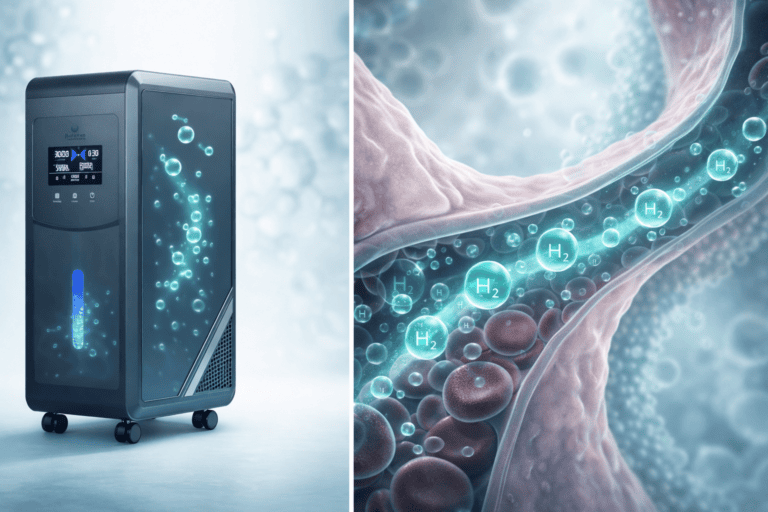
It’s important to distinguish between hydrogen-rich water and hydrogen inhalation. While drinking hydrogen water can provide localized gastrointestinal benefits and modest systemic H₂ absorption, inhalation delivers far greater tissue saturation. When you inhale molecular hydrogen, it enters the bloodstream directly via the alveolar-capillary interface in the lungs, bypassing first-pass metabolism and achieving rapid, systemic distribution to every organ system—including the brain, which is protected by the blood-brain barrier but readily permeable to small, lipophilic molecules like H₂.
Achieving therapeutic hydrogen concentrations in deep tissues requires high-output, professional-grade hydrogen generators capable of delivering sustained, pure molecular hydrogen at clinically relevant flow rates. This is not achievable with low-concentration hydrogen-air mixtures or hydrogen water alone. Therapeutic inhalation sessions typically range from 30 to 120 minutes, depending on individual wellness goals, and require devices engineered for safety, purity, and consistent output.
Bring This Technology Home
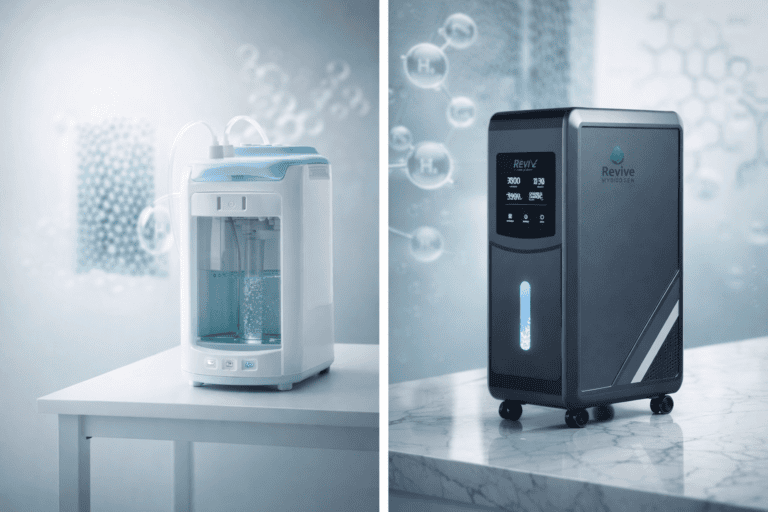
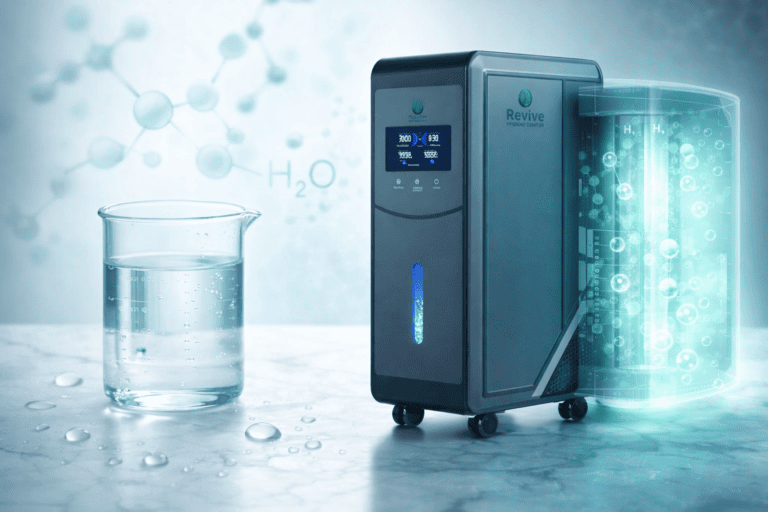
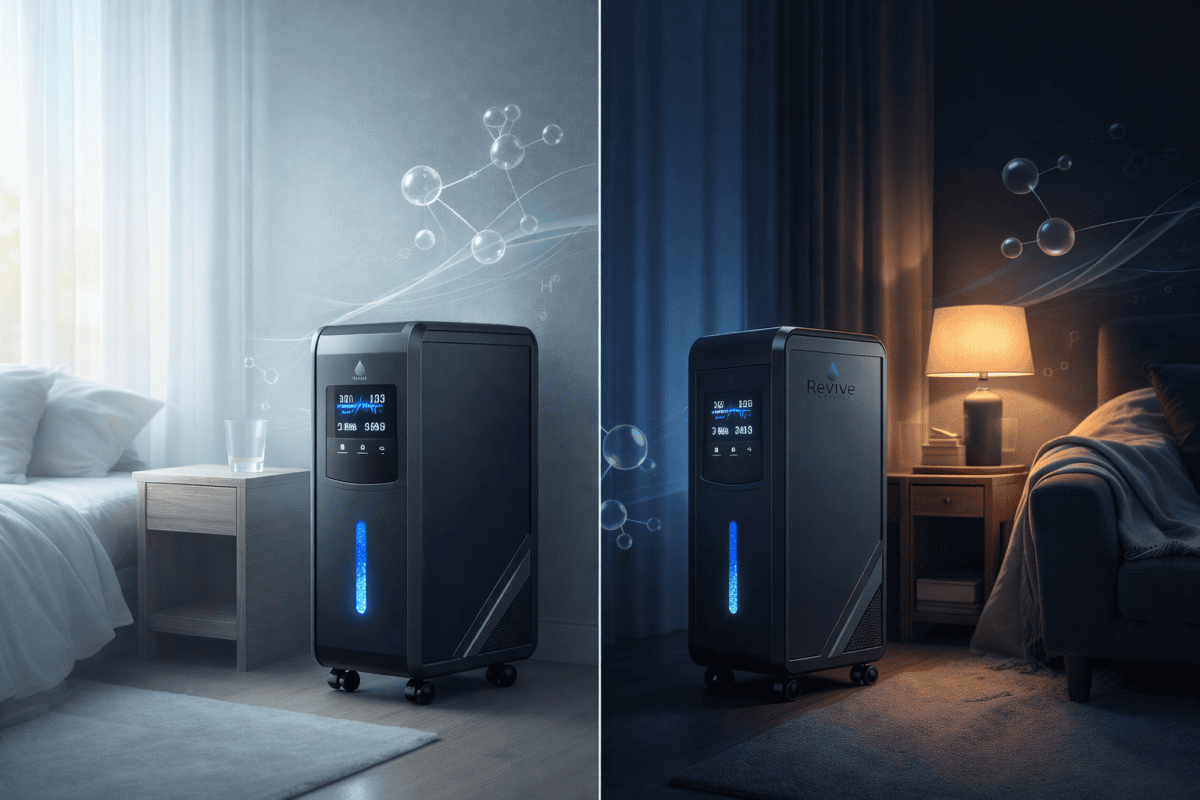
Whether you choose morning sessions to align with metabolic activation, evening sessions to support recovery and repair, or context-driven timing around exercise and stress, the foundation of effective hydrogen inhalation is the quality and output capacity of your hydrogen generator. Revive Hydrogen offers professional-grade hydrogen inhalation systems designed for home and clinical use, featuring PEM (Proton Exchange Membrane) electrolysis technology with platinum-coated titanium electrodes and DuPont N117 membranes.
The Intelligent High-Flow Hydrogen Generator line—available in three tiers (HYD-1500, HYD-1800, HYD-3000)—delivers 99.992% pure molecular hydrogen, independently verified by accredited third-party laboratories. Unlike diluted hydrogen-air systems, these generators produce separated molecular hydrogen and oxygen outputs, with flow rates ranging from 1500 ml/min to 3000 ml/min total output, enabling single or dual-user configurations. Sessions are delivered via nasal cannula, with programmable timers supporting 30 to 480 minutes of continuous use.
Each unit is manufactured to CE and RoHS standards under an ISO 9001-certified quality management system and includes UV-C water disinfection, a 3-year limited warranty, and up to 8 hours of continuous runtime. This is hydrogen technology engineered for consistency, safety, and long-term wellness integration—whenever you choose to use it.