
Why Your Muscles Need More Than Protein and Rest
Every workout—whether it’s a morning jog, an afternoon yoga session, or an evening weightlifting routine—triggers a cascade of cellular events that extend far beyond the burn you feel in your muscles. At the molecular level, exercise generates reactive oxygen species (ROS) as a natural byproduct of increased metabolic activity. While some ROS play beneficial roles in cellular signaling and adaptation, others—particularly hydroxyl radicals (•OH) and peroxynitrite (ONOO⁻)—can inflict damage on cellular membranes, mitochondrial DNA, and proteins if left unchecked. This is where molecular hydrogen emerges as a scientifically validated tool for supporting exercise recovery, offering a selective antioxidant mechanism that preserves beneficial cellular signals while neutralizing the most destructive oxidative species.
Understanding how molecular hydrogen (H₂) supports post-exercise cellular repair requires examining both the biochemistry of oxidative stress and the unique properties that make H₂ distinct from conventional antioxidants. Unlike broad-spectrum antioxidants that can interfere with beneficial ROS signaling—including the hydrogen peroxide (H₂O₂) molecules essential for muscle adaptation and mitochondrial biogenesis—molecular hydrogen operates with remarkable selectivity, targeting only the most cytotoxic radicals while leaving your body’s natural adaptive responses intact.
The Selective Antioxidant Mechanism of Molecular Hydrogen
When you exercise, your mitochondria work overtime to produce ATP, the cellular energy currency that powers muscle contractions. This increased metabolic activity inevitably generates ROS through electron leakage in the mitochondrial electron transport chain. While mild oxidative stress triggers beneficial adaptations—improved mitochondrial density, enhanced antioxidant enzyme production, and increased insulin sensitivity—excessive accumulation of highly reactive species creates a state of oxidative distress that can delay recovery and impair cellular function.
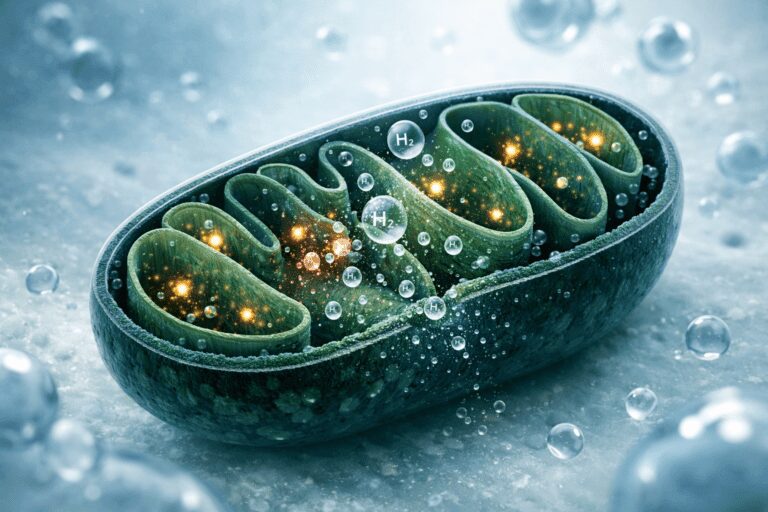
Molecular hydrogen’s therapeutic value lies in its chemical selectivity. H₂ molecules are small enough to diffuse rapidly across cell membranes, penetrating into mitochondria, nuclei, and other subcellular compartments where oxidative damage occurs. Once inside cells, H₂ preferentially reacts with hydroxyl radicals and peroxynitrite—the most damaging ROS generated during intense physical activity—while demonstrating minimal reactivity with hydrogen peroxide, superoxide, and nitric oxide, which serve important roles in exercise adaptation and immune function.
What Makes Hydroxyl Radicals So Dangerous
Hydroxyl radicals (•OH) represent the most reactive oxygen species in biological systems, with a half-life measured in nanoseconds and an indiscriminate reactivity pattern. These radicals attack virtually any molecule they encounter—lipids in cell membranes, proteins in muscle fibers, and nucleic acids in mitochondrial and nuclear DNA. The oxidative damage they inflict contributes to delayed-onset muscle soreness (DOMS), prolonged inflammation, and impaired recovery kinetics.
Peroxynitrite (ONOO⁻), formed when superoxide reacts with nitric oxide, similarly wreaks havoc on cellular architecture. It nitrates tyrosine residues in proteins, disrupting enzyme function and cellular signaling pathways. In post-exercise muscle tissue, elevated peroxynitrite levels correlate with increased markers of cellular stress and extended recovery times.
By selectively neutralizing these highly toxic species, molecular hydrogen helps restore oxidative homeostasis without suppressing the beneficial ROS that drive training adaptations. This selectivity represents a paradigm shift from traditional antioxidant supplementation approaches that often blunt exercise-induced adaptations by indiscriminately scavenging all reactive species.
Why Inhalation Achieves Superior Tissue Saturation
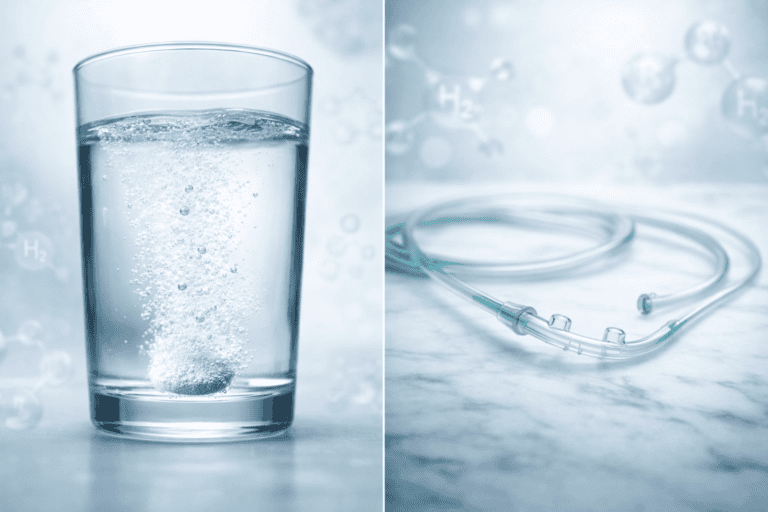
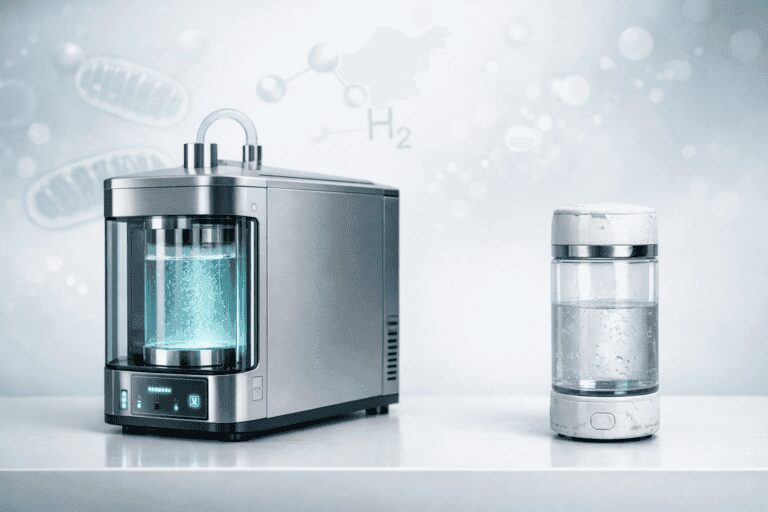
While hydrogen-enriched water has garnered attention as a delivery method, inhalation provides distinct advantages for achieving therapeutic tissue concentrations throughout the body. When molecular hydrogen is inhaled through a nasal cannula connected to a high-output generator, it enters the bloodstream directly through the alveolar-capillary interface in the lungs, achieving rapid systemic distribution without first-pass metabolism or gastrointestinal limitations.
Professional-grade hydrogen generators utilizing proton exchange membrane (PEM) electrolysis technology produce high-purity molecular hydrogen at flow rates sufficient to maintain elevated tissue concentrations during and after exercise sessions. This method allows for passive, continuous delivery while you rest, read, or perform other recovery activities—no need to consume multiple liters of hydrogen water or interrupt your routine.
The Importance of Purity and Output
Not all hydrogen generators are created equal. Therapeutic applications require systems capable of producing high-purity H₂ at clinically relevant flow rates. Lower-output devices or those producing diluted hydrogen-air mixtures (typically 1–4% hydrogen concentration) may not achieve the tissue saturation levels associated with oxidative stress mitigation and enhanced recovery in research settings.
Advanced PEM systems separate hydrogen and oxygen through a specialized membrane, delivering concentrated molecular hydrogen through one output port while venting oxygen separately. This design ensures users inhale high-purity H₂ rather than a diluted mixture, maximizing the number of therapeutic molecules delivered per session.
Cellular Benefits for Exercise Recovery
Research into molecular hydrogen and exercise recovery has documented several mechanisms through which H₂ supports cellular repair and homeostatic balance:
- Mitochondrial Protection: By neutralizing hydroxyl radicals within mitochondria, H₂ helps preserve mitochondrial membrane integrity and maintain optimal electron transport chain function, supporting efficient energy production during recovery.
- Reduced Oxidative Damage Markers: Studies consistently show that H₂ administration correlates with decreased levels of oxidative stress biomarkers such as malondialdehyde (MDA) and 8-hydroxy-2′-deoxyguanosine (8-OHdG) following exercise.
- Inflammation Modulation: Molecular hydrogen influences inflammatory signaling pathways, including NF-κB and Nrf2, helping to resolve acute inflammation while preserving beneficial adaptive responses.
- Lactate Clearance Support: Some research suggests H₂ may facilitate more efficient lactate metabolism, potentially reducing perceived fatigue and supporting faster return to baseline metabolic states.
- Preserved Beneficial ROS Signaling: Unlike non-selective antioxidants, H₂ allows hydrogen peroxide and other signaling molecules to continue promoting mitochondrial biogenesis, antioxidant enzyme upregulation, and other positive training adaptations.
These effects combine to create an optimal cellular environment for recovery, where destructive oxidative damage is minimized while the body’s natural adaptive responses remain intact. This represents a sophisticated approach to post-exercise wellness—one that works with your body’s inherent recovery mechanisms rather than suppressing them.
Integrating Molecular Hydrogen Into Your Recovery Protocol
Implementing hydrogen inhalation into your exercise recovery routine requires minimal effort while offering maximum cellular support. Most users incorporate 30–90 minute inhalation sessions shortly after workouts, during stretching or cool-down activities, or in the evening as part of their sleep preparation routine. The passive nature of inhalation allows you to combine hydrogen therapy with other recovery modalities—foam rolling, meditation, light stretching, or simply relaxing.
Consistency matters more than session duration. Regular exposure to molecular hydrogen appears to provide cumulative benefits, with cellular antioxidant systems and inflammatory pathways showing progressive optimization over weeks and months of use. Many athletes and fitness enthusiasts report subjective improvements in recovery speed, reduced muscle soreness, and enhanced readiness for subsequent training sessions, though individual responses vary.
The beauty of molecular hydrogen as a recovery tool lies in its elegance: a simple diatomic molecule, supported by peer-reviewed research, offering selective antioxidant protection without interfering with the very adaptations you’re working to achieve through exercise. It represents cellular support at its most fundamental level—providing your mitochondria and tissues with molecular assistance precisely when and where oxidative stress threatens to outpace your body’s intrinsic defense mechanisms.
Bring This Technology Home
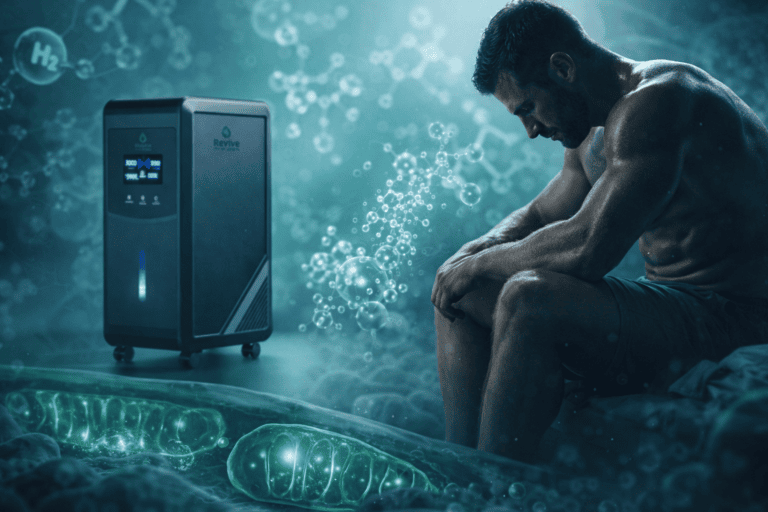
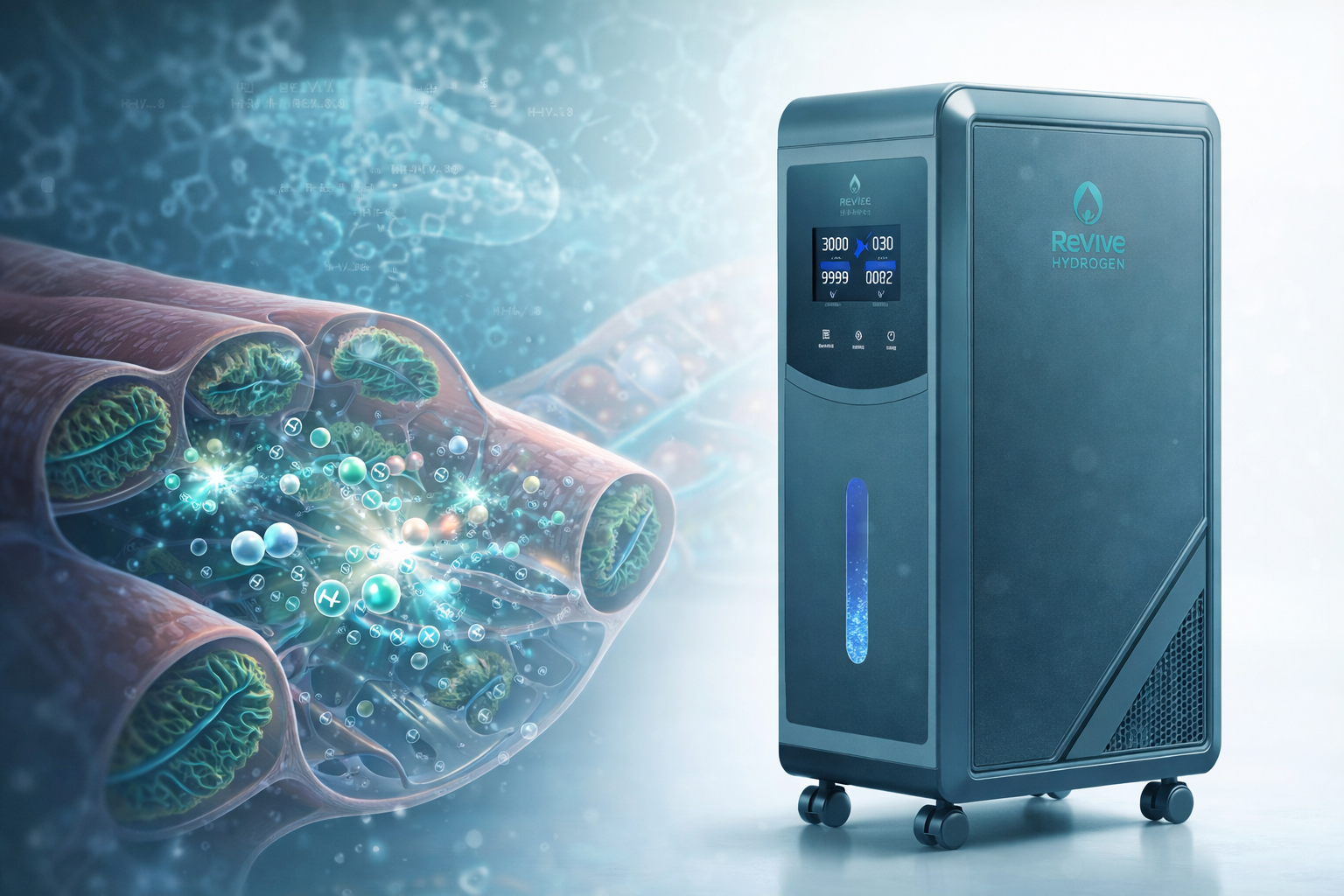
Achieving therapeutic tissue saturation with molecular hydrogen requires equipment designed for sustained, high-purity output—the kind of technology previously available only in clinical and research settings. Revive Hydrogen has made this level of hydrogen technology accessible for home use through their Intelligent High-Flow Hydrogen Generator line, featuring three models engineered for different user needs: the HYD-1500, HYD-1800, and HYD-3000.
These systems utilize proton exchange membrane (PEM) electrolysis with platinum-coated titanium electrodes and DuPont N117 membranes to produce 99.992% pure molecular hydrogen—a purity level independently verified by accredited third-party laboratories. Unlike diluted hydrogen-air systems that produce 1–4% hydrogen mixtures, Revive’s generators deliver concentrated H₂ through separate output ports, with the flagship HYD-3000 capable of producing up to 2000 ml/min of pure hydrogen (plus 1000 ml/min oxygen in a separate stream).
For fitness enthusiasts and athletes seeking to integrate molecular hydrogen into their recovery protocols, these flow rates ensure sufficient tissue saturation during post-workout inhalation sessions. The systems accommodate dual-user capability, allowing partners or family members to benefit simultaneously from shared output. Built-in session timers (30–480 minutes), UV-C water disinfection, and the ability to run continuously for up to eight hours provide the flexibility and reliability required for daily use.
Manufactured to CE and RoHS standards within an ISO 9001-certified quality management system, each unit ships from Revive Hydrogen’s Kentucky facility with a three-year limited warranty covering defects in materials and workmanship. Four nasal cannulas are included, allowing immediate implementation into your recovery routine.
Molecular hydrogen research continues to expand our understanding of selective antioxidant mechanisms, oxidative stress mitigation, and cellular recovery optimization. By bringing professional-grade hydrogen technology into your home, you gain access to this evidence-based wellness tool exactly when your muscles, mitochondria, and cellular systems need it most—in the critical hours and days following exercise when recovery determines your readiness for tomorrow’s challenges.