
Your Mitochondria Are the Engine—Molecular Hydrogen Is the Fuel
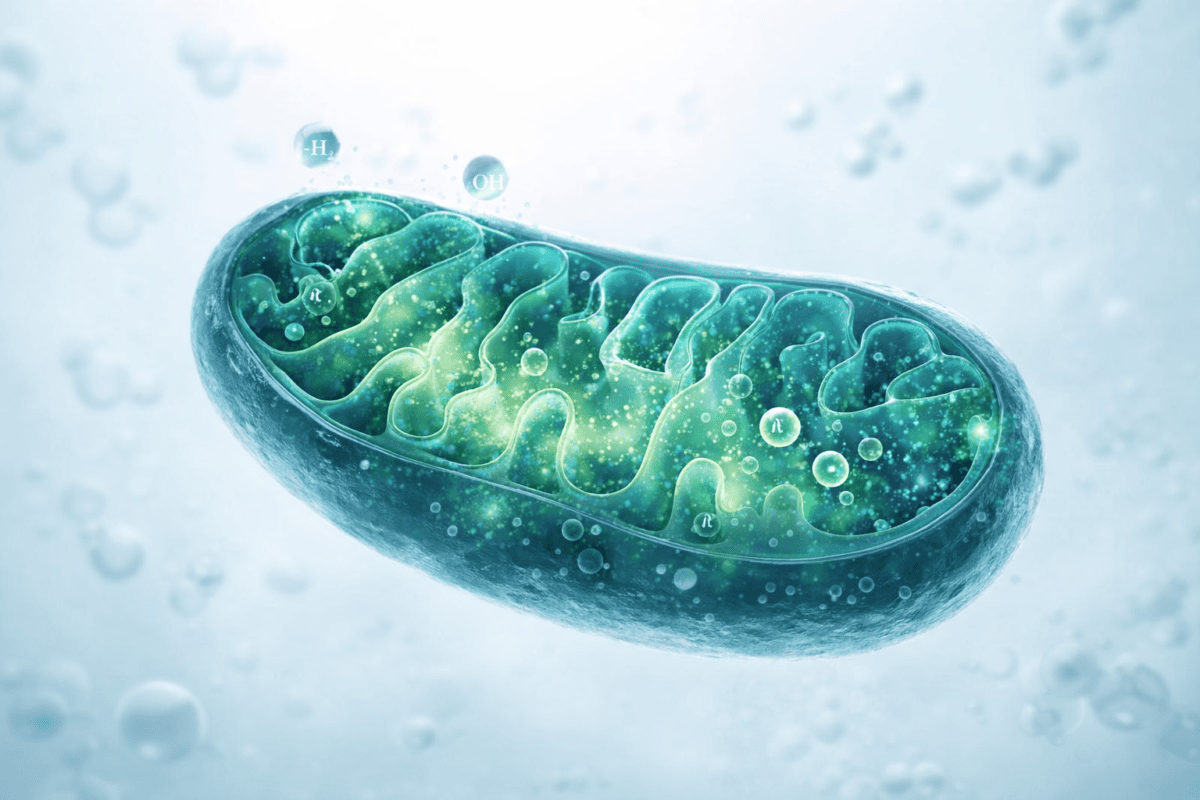
Every breath you take, every step you climb, every thought you form—all of it depends on the tireless work of your mitochondria. These microscopic powerhouses inside nearly every cell of your body convert nutrients and oxygen into adenosine triphosphate (ATP), the universal energy currency that drives cellular function. But here’s the challenge: as mitochondria produce energy, they also generate reactive oxygen species (ROS) as metabolic byproducts. When ROS production outpaces your body’s antioxidant defenses, oxidative stress takes hold, damaging mitochondrial membranes, DNA, and proteins—and ultimately degrading the very structures responsible for keeping you alive and vibrant. Emerging research suggests that molecular hydrogen (H₂) may offer a sophisticated, targeted approach to mitochondrial health by selectively neutralizing the most destructive oxidative species while preserving the beneficial signaling molecules your cells need to thrive.
Understanding Mitochondrial Health and the Oxidative Stress Paradox
Mitochondrial health isn’t simply about producing more energy—it’s about producing energy efficiently and sustainably. Healthy mitochondria maintain membrane integrity, regulate calcium homeostasis, support apoptosis (programmed cell death) when necessary, and communicate dynamically with the rest of the cell through redox signaling. When mitochondrial function declines, the consequences cascade across every physiological system: reduced cellular energy, impaired tissue repair, accelerated aging, and diminished resilience to metabolic and environmental stressors.
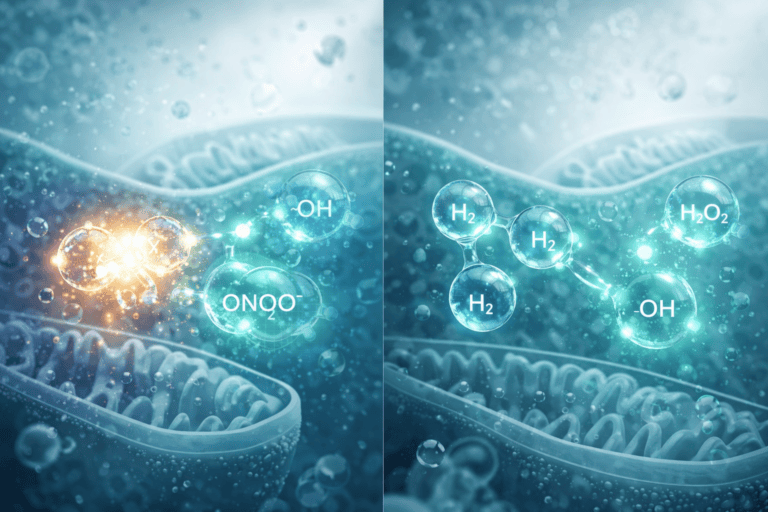
The oxidative stress paradox lies at the heart of this decline. While some ROS—such as hydrogen peroxide (H₂O₂) and superoxide—serve essential roles in cell signaling, immunity, and adaptive responses to exercise, others are unequivocally toxic. Hydroxyl radicals (•OH) and peroxynitrite (ONOO⁻) are among the most damaging ROS, indiscriminately attacking lipids, proteins, and nucleic acids. Traditional broad-spectrum antioxidants can inadvertently neutralize both harmful and beneficial ROS, disrupting the delicate redox balance cells require for optimal signaling and adaptation. This is where molecular hydrogen’s selective antioxidant properties become profoundly relevant.
How Molecular Hydrogen Supports Mitochondrial Optimization
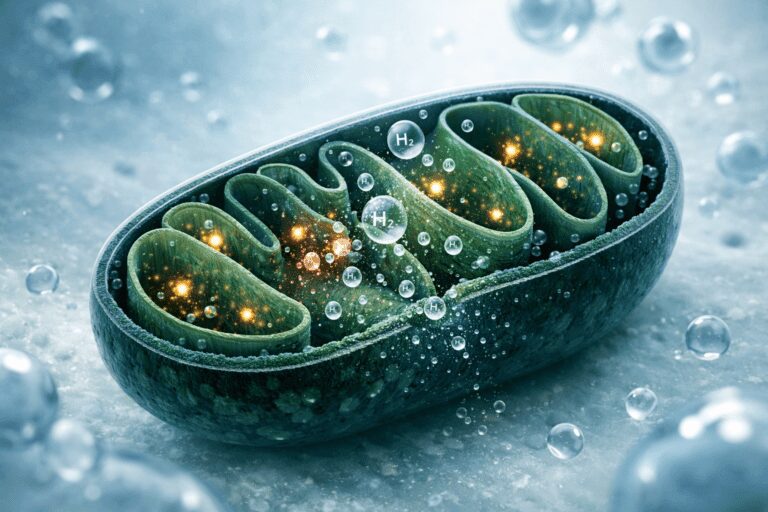
Molecular hydrogen is the smallest and most bioavailable molecule in existence. Due to its minuscule size and neutral charge, H₂ diffuses rapidly across cell membranes, blood-brain barrier, and into subcellular compartments—including mitochondria—without the need for transport proteins or channels. Once inside, hydrogen exerts its effects through several complementary mechanisms that directly and indirectly support mitochondrial health.
Selective Neutralization of Toxic Radicals
Unlike conventional antioxidants, molecular hydrogen selectively reduces hydroxyl radicals and peroxynitrite—the most cytotoxic ROS—while leaving hydrogen peroxide and superoxide largely untouched. This selectivity is critical: hydrogen peroxide, for example, plays vital roles in immune function, vascular tone regulation, and mitochondrial biogenesis signaling. By targeting only the most destructive oxidants, H₂ helps mitigate oxidative damage without interfering with essential redox signaling pathways that support cellular adaptation and resilience.
Enhancement of Endogenous Antioxidant Systems
Molecular hydrogen has been shown in preclinical models to upregulate the expression of antioxidant enzymes such as superoxide dismutase (SOD), catalase, and glutathione peroxidase through activation of the Nrf2 (nuclear factor erythroid 2-related factor 2) pathway. Nrf2 is a master regulator of cellular defense, coordinating the transcription of hundreds of genes involved in detoxification, antioxidant production, and mitochondrial protection. By enhancing your body’s own antioxidant machinery, hydrogen supports a sustainable, long-term approach to oxidative stress mitigation rather than relying solely on exogenous supplementation.
Mitochondrial Membrane Protection and Bioenergetic Efficiency
The inner mitochondrial membrane is the site of the electron transport chain (ETC), where the majority of ATP production occurs. This membrane is rich in cardiolipin, a phospholipid highly susceptible to oxidative damage. When cardiolipin is compromised, mitochondrial respiration becomes inefficient, ATP output drops, and ROS production paradoxically increases—a vicious cycle of energetic decline. Molecular hydrogen’s ability to reduce lipid peroxidation helps preserve mitochondrial membrane integrity, supporting efficient electron flow, proton gradient stability, and optimal ATP synthesis.
Delivery Matters: Why Inhalation Achieves Systemic Saturation
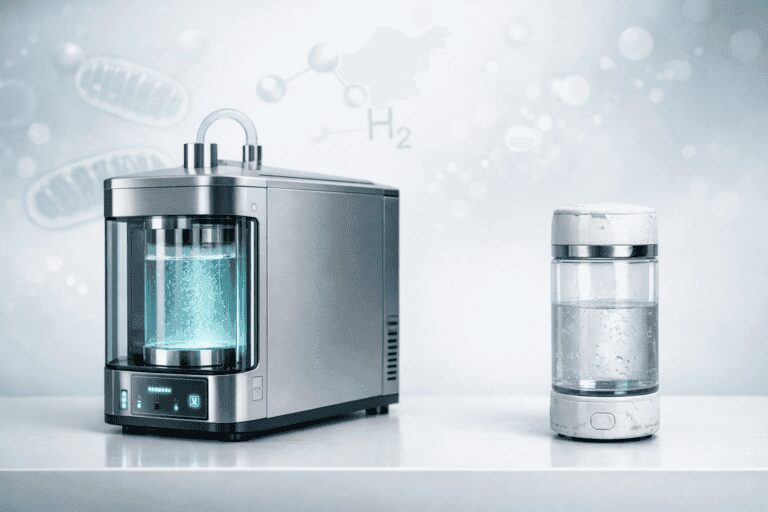
While hydrogen-enriched water offers convenience and modest bioavailability, achieving therapeutic tissue saturation—particularly in deep organs, the central nervous system, and metabolically active tissues like muscle and liver—requires higher concentrations and more consistent delivery. Hydrogen inhalation via high-output generators provides continuous, passive exposure that saturates blood and tissues far more effectively than intermittent oral intake.
When you inhale molecular hydrogen, it enters the bloodstream via the alveoli in your lungs, bypassing the digestive system entirely. This allows for rapid systemic distribution and sustained elevation of H₂ concentrations in plasma and tissues. For individuals seeking meaningful support for mitochondrial health, recovery, and oxidative stress mitigation, professional-grade hydrogen inhalation represents the gold standard in both research settings and wellness practice.
The Cellular Benefits of Optimized Mitochondrial Function
When mitochondria operate efficiently and remain protected from oxidative damage, the benefits extend across every dimension of cellular health and whole-body vitality:
- Enhanced cellular energy production: Optimized ATP synthesis supports physical performance, endurance, and recovery from exertion.
- Improved metabolic flexibility: Healthy mitochondria switch seamlessly between fuel sources (glucose, fatty acids, ketones), supporting stable energy and body composition.
- Reduced cellular aging markers: Protection from oxidative damage to mitochondrial DNA and proteins may support longevity and healthspan.
- Support for tissue repair and regeneration: Mitochondria coordinate cellular responses to injury and stress, influencing recovery kinetics and tissue remodeling.
- Homeostatic redox balance: Selective antioxidant activity preserves beneficial signaling while mitigating toxic oxidative burden.
Bring This Technology Home
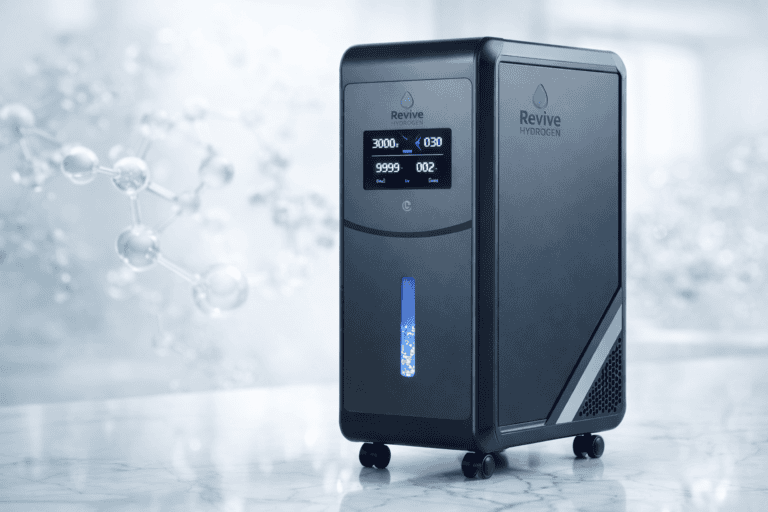
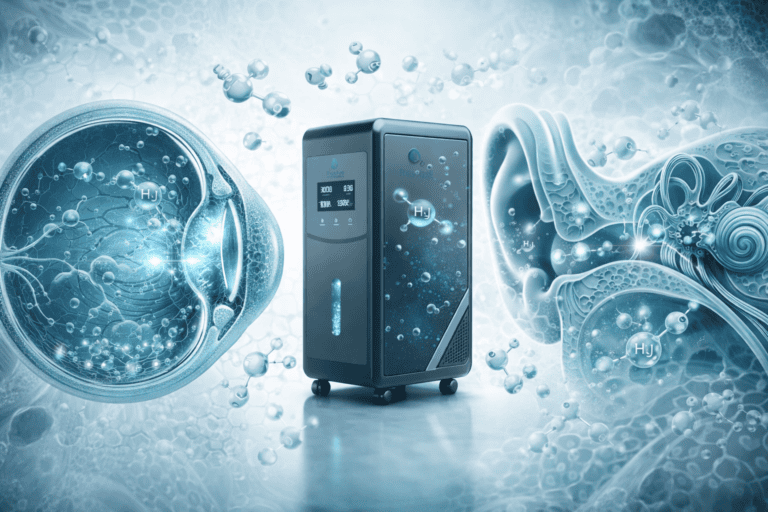
Achieving the mitochondrial health benefits associated with molecular hydrogen requires more than occasional exposure—it demands consistent, high-quality delivery at therapeutic concentrations. Revive Hydrogen offers the Intelligent High-Flow Hydrogen Generator, a professional-grade system designed for both home and clinical wellness applications. Built with PEM (Proton Exchange Membrane) electrolysis technology, platinum-coated titanium electrodes, and a DuPont N117 membrane, the system produces hydrogen at 99.992% purity—independently verified by accredited third-party laboratory analysis.
Available in three output tiers—HYD-1500, HYD-1800, and HYD-3000—the generators deliver high-flow hydrogen for passive inhalation via nasal cannula, supporting systemic tissue saturation and cellular recovery. The HYD-1500 produces up to 1500 ml/min total output (1000 ml/min H₂ and 500 ml/min O₂), while the HYD-3000 reaches up to 3000 ml/min (2000 ml/min H₂ and 1000 ml/min O₂), with dual-user capability for shared sessions. Each unit features programmable session timers, UV-C water disinfection, and up to eight hours of continuous operation. Manufactured to CE and RoHS standards under an ISO 9001-certified quality management system, every generator is backed by a three-year limited warranty covering defects in materials and workmanship.
For those committed to evidence-based cellular health, mitochondrial optimization, and long-term vitality, investing in a high-purity, high-output hydrogen system represents a meaningful step toward harnessing one of the most promising molecular tools in modern wellness science.