

The Longevity Clinic Revolution: Why Hydrogen Inhalation Is Becoming a Cornerstone of Cellular Wellness
Walk into a cutting-edge longevity center today, and you’re likely to encounter a technology that was once confined to research labs and elite performance facilities: high-output hydrogen inhalation generators. From Beverly Hills to Singapore, forward-thinking practitioners are integrating molecular hydrogen (H₂) therapy into comprehensive wellness protocols designed to optimize cellular function, support healthy aging, and enhance recovery. This isn’t a passing trend—it reflects a fundamental shift in how we approach oxidative stress, mitochondrial health, and systemic homeostatic balance.
Hydrogen inhalation for wellness represents a convergence of biochemical precision and practical accessibility. Unlike many wellness interventions that target symptoms or single pathways, molecular hydrogen operates at the cellular level as a selective antioxidant, addressing one of the most fundamental drivers of aging and cellular dysfunction: unchecked oxidative damage. For longevity-focused practitioners, this makes H₂ inhalation an elegant, evidence-based tool that complements everything from NAD+ optimization to intermittent fasting protocols.
The Biochemistry That Sets Hydrogen Apart
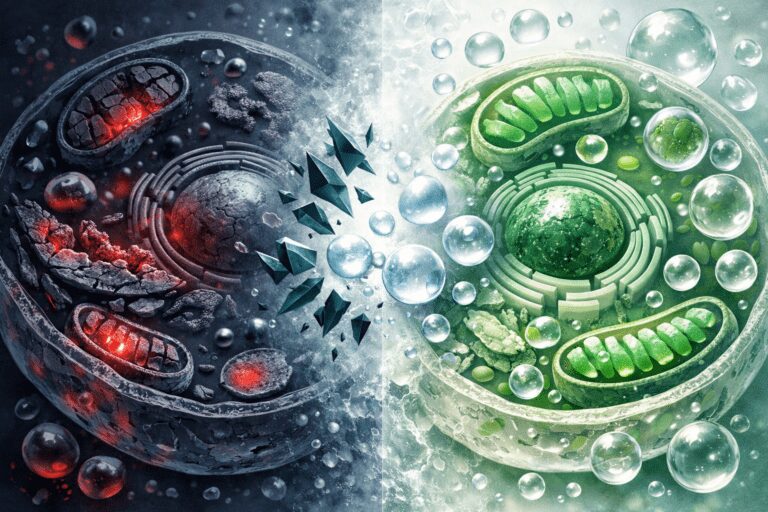
To understand why longevity centers are investing in professional-grade hydrogen generators, it’s essential to grasp what makes molecular hydrogen unique among antioxidants. The human body produces reactive oxygen species (ROS) as natural byproducts of cellular metabolism, particularly within mitochondria. While some ROS—like hydrogen peroxide (H₂O₂)—serve important signaling functions that regulate gene expression, immune response, and cellular adaptation, others are profoundly destructive.
The hydroxyl radical (•OH) and peroxynitrite (ONOO⁻) sit at the top of this destructive hierarchy. These highly reactive species indiscriminately damage lipids, proteins, and DNA, contributing to cellular senescence, mitochondrial dysfunction, and the gradual erosion of tissue integrity that characterizes biological aging. Conventional antioxidants—vitamins C and E, glutathione precursors—often work by broadly scavenging ROS, which can inadvertently suppress beneficial signaling pathways.
Molecular hydrogen operates with remarkable selectivity. Research demonstrates that H₂ specifically neutralizes hydroxyl radicals and peroxynitrite while leaving beneficial ROS like hydrogen peroxide and superoxide largely untouched. This selectivity preserves the cell’s ability to use ROS for essential signaling while mitigating the most damaging oxidative insults. Additionally, H₂ has been shown to upregulate endogenous antioxidant systems—including Nrf2 pathways that govern the production of glutathione, catalase, and superoxide dismutase—creating a sustained, adaptive response rather than a simple one-time scavenging effect.
Mitochondrial Optimization and Systemic Impact
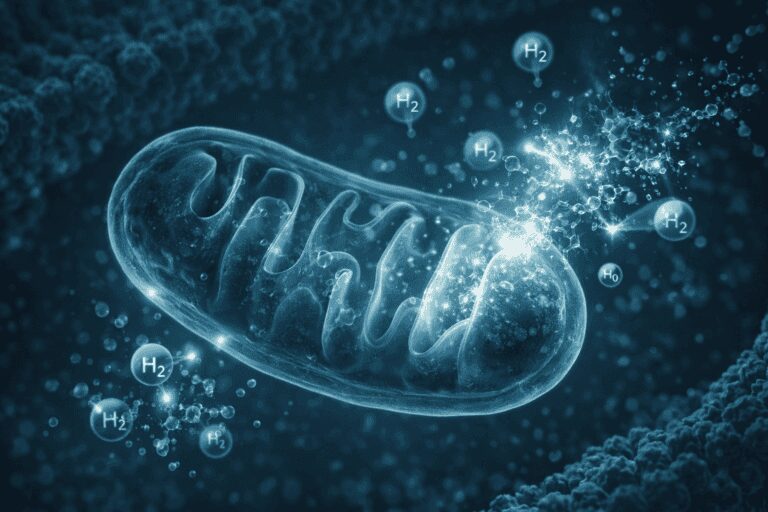
Mitochondria are ground zero for both ROS production and cellular energy generation. Age-related mitochondrial dysfunction is increasingly recognized as a central pillar of the aging process, linked to everything from reduced physical capacity to cognitive decline and metabolic dysregulation. Emerging evidence suggests that molecular hydrogen may support mitochondrial membrane potential, optimize ATP production efficiency, and protect mitochondrial DNA from oxidative damage.
What makes inhalation particularly compelling for longevity applications is the route of delivery. When hydrogen is inhaled via nasal cannula, it rapidly diffuses across alveolar membranes into the bloodstream, achieving systemic distribution within minutes. From there, H₂’s exceptional bioavailability—owing to its small molecular size and lack of charge—allows it to cross the blood-brain barrier, penetrate cellular and mitochondrial membranes, and reach tissues that are challenging for larger antioxidant molecules to access.
Why Inhalation Outperforms Ingestion for Clinical Wellness Protocols
Hydrogen-enriched water has gained popularity as a convenient wellness tool, and research supports its utility for certain applications. However, longevity centers require a more robust, scalable approach to achieve meaningful tissue saturation and sustained cellular impact. The concentration of dissolved hydrogen in water is inherently limited by solubility physics—typically 0.8 to 1.6 parts per million (ppm) under ambient pressure—and the hydrogen rapidly off-gasses once a container is opened.
Professional-grade hydrogen inhalation generators deliver a fundamentally different magnitude of exposure. A high-output system producing 1,000 to 2,000 ml/min of pure molecular hydrogen allows users to inhale significantly greater quantities over a typical 30- to 60-minute session. This translates to higher blood and tissue concentrations, more sustained antioxidant activity, and the ability to reach deeper into peripheral tissues and the central nervous system.
For practitioners designing comprehensive longevity protocols—often integrating hormone optimization, peptide therapy, photobiomodulation, and metabolic interventions—hydrogen inhalation offers a passive, non-invasive modality that clients can use during IV infusions, red light therapy sessions, or simply as part of a dedicated recovery routine. The cumulative, adaptogenic nature of H₂’s cellular effects makes it particularly well-suited to the long-term, preventive focus that defines modern longevity medicine.
Key Cellular and Physiological Benefits Driving Adoption
Longevity centers are not adopting hydrogen inhalation based on anecdote—they are responding to a growing body of published research and clinical observation. While molecular hydrogen research is still evolving, current evidence and mechanistic understanding point to several areas of particular interest for wellness and aging:
- Selective Oxidative Stress Mitigation: Targeted neutralization of hydroxyl radicals and peroxynitrite without disrupting beneficial redox signaling
- Nrf2 Pathway Activation: Upregulation of endogenous antioxidant enzymes, creating a sustained, adaptive cellular defense
- Mitochondrial Support: Protection of mitochondrial DNA and membrane integrity, with potential benefits for ATP production efficiency
- Inflammation Modulation: Influence on pro-inflammatory cytokines and signaling cascades, supporting balanced immune function
- Blood-Brain Barrier Permeability: Ability to reach central nervous system tissues, an advantage for whole-body wellness protocols
- Post-Exercise Recovery: Support for normal lactate clearance and muscle recovery, appealing to performance-oriented longevity clients
The Clinical Infrastructure Advantage
Another reason longevity centers favor inhalation over water-based methods is the control and standardization it affords. Professional hydrogen generators allow practitioners to deliver consistent, quantifiable exposure across client sessions. Flow rates, session duration, and purity levels can be precisely managed, creating reproducible protocols that integrate seamlessly into personalized wellness plans.
Moreover, dual-user capability—offered by higher-output models—allows clinics to serve multiple clients simultaneously, improving throughput and cost-effectiveness. Certifications such as CE, RoHS compliance, and manufacturing under ISO 9001 quality standards provide the assurance necessary for integration into professional wellness environments.
The Evidence Base: From Bench to Bedside
Over 1,500 peer-reviewed studies have explored molecular hydrogen’s biological effects across a wide range of physiological systems. While much of this research is preclinical or early-stage clinical, the consistency of findings—particularly regarding oxidative stress reduction and Nrf2 activation—has given longevity practitioners confidence in hydrogen’s role as a foundational wellness tool.
Importantly, molecular hydrogen exhibits an exceptional safety profile. It is non-toxic, produces no known harmful byproducts, and does not accumulate in tissues. This makes it suitable for daily or near-daily use over extended periods, aligning perfectly with the long-term, preventive philosophy of longevity medicine.
Practitioners report that clients appreciate the simplicity and ease of hydrogen inhalation. There are no injections, no swallowing pills, no complex prep protocols—just a comfortable nasal cannula and 30 to 60 minutes of passive inhalation. This low barrier to adherence is critical for any intervention intended to be part of a sustained, multi-year wellness journey.
Bring This Technology Home
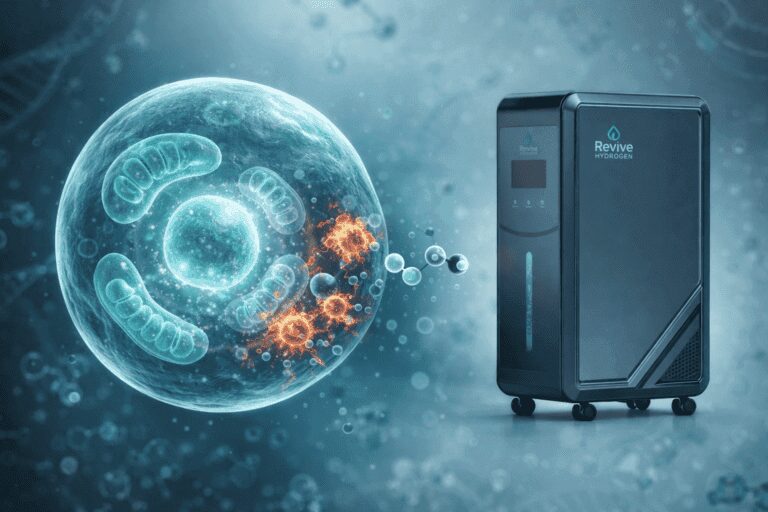
What was once available only in elite longevity clinics is now accessible for home use, thanks to advances in hydrogen generation technology. Revive Hydrogen has developed a line of high-output hydrogen generators specifically engineered to meet the demands of both professional wellness environments and discerning home users seeking clinical-grade performance.
The Intelligent High-Flow Hydrogen Generator from Revive Hydrogen employs PEM (Proton Exchange Membrane) electrolysis with platinum-coated titanium electrodes and a DuPont N117 membrane to produce molecular hydrogen at 99.992% purity—independently verified by accredited third-party laboratory testing. Unlike diluted hydrogen-air systems that deliver 1–4% hydrogen concentrations, Revive’s technology generates pure molecular hydrogen and oxygen as separate outputs.
Available in three flow tiers—HYD-1500 (up to 1,000 ml/min H₂), HYD-1800 (up to 1,200 ml/min H₂), and HYD-3000 (up to 2,000 ml/min H₂)—these units are designed for both single-user and dual-user applications, making them suitable for couples, families, or small clinical practices. Manufactured to CE and RoHS standards within an ISO 9001-certified quality management system, each generator is backed by a comprehensive 3-year limited warranty covering defects in materials and workmanship.
For those committed to optimizing cellular health, mitigating oxidative stress, and supporting the body’s endogenous resilience systems, professional-grade hydrogen inhalation represents a powerful, evidence-based addition to a comprehensive wellness strategy. Explore the science, the technology, and the growing body of research behind molecular hydrogen at Revive Hydrogen.