
The Case for a Daily Hydrogen Wellness Routine
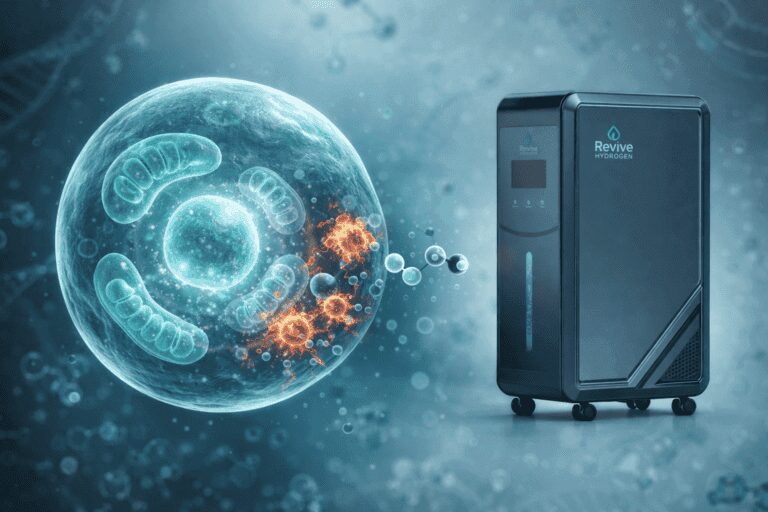
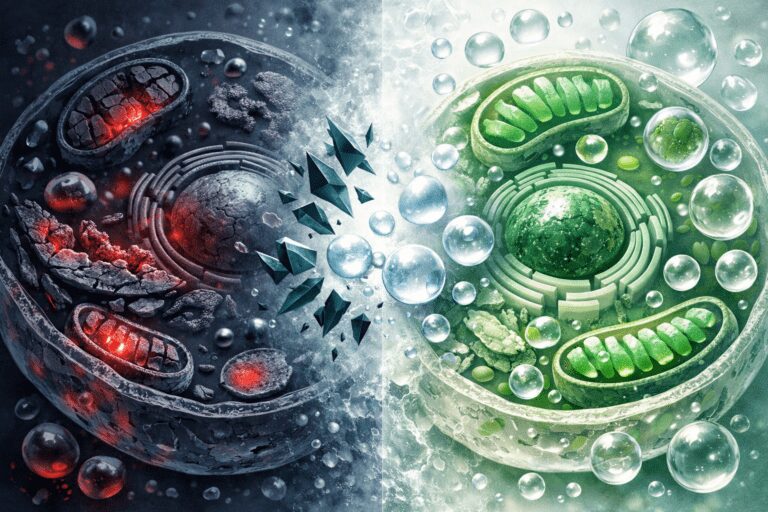
Oxidative stress accumulates silently over time, gradually compromising cellular function, mitochondrial efficiency, and overall vitality. While conventional antioxidant strategies often fail to penetrate deeply enough or disrupt beneficial signaling pathways, molecular hydrogen (H₂) offers a uniquely selective approach to neutralizing the most damaging free radicals without interfering with essential cellular communication. Establishing a consistent hydrogen wellness routine represents a strategic, evidence-based intervention for long-term health optimization, cellular resilience, and systemic recovery.
The key to unlocking hydrogen’s full potential lies not in sporadic use, but in creating a structured daily protocol that allows sustained therapeutic tissue saturation. This requires understanding the biochemistry of hydrogen therapy, identifying the most effective delivery methods, and integrating high-output hydrogen technology into a practical wellness framework that supports mitochondrial function, oxidative balance, and homeostatic regulation over months and years.
Understanding Molecular Hydrogen as a Selective Antioxidant
Molecular hydrogen functions through a mechanism distinct from traditional antioxidants. Rather than indiscriminately scavenging all reactive oxygen species, H₂ selectively targets the most cytotoxic radicals—specifically hydroxyl radicals (•OH) and peroxynitrite (ONOO⁻)—while preserving beneficial signaling molecules such as hydrogen peroxide, nitric oxide, and superoxide at physiological concentrations. This selectivity is critical: many conventional antioxidants disrupt redox signaling pathways essential for immune function, cellular adaptation, and hormetic stress responses.
Hydroxyl radicals are among the most reactive and destructive molecules in biological systems, capable of damaging DNA, lipids, and proteins within nanoseconds of formation. Peroxynitrite, formed from the reaction of superoxide and nitric oxide, contributes to nitrosative stress, mitochondrial dysfunction, and inflammatory cascades. By neutralizing these specific radicals without suppressing adaptive oxidative signals, molecular hydrogen supports a more nuanced approach to oxidative stress mitigation—one that enhances cellular resilience rather than simply dampening all reactive species.
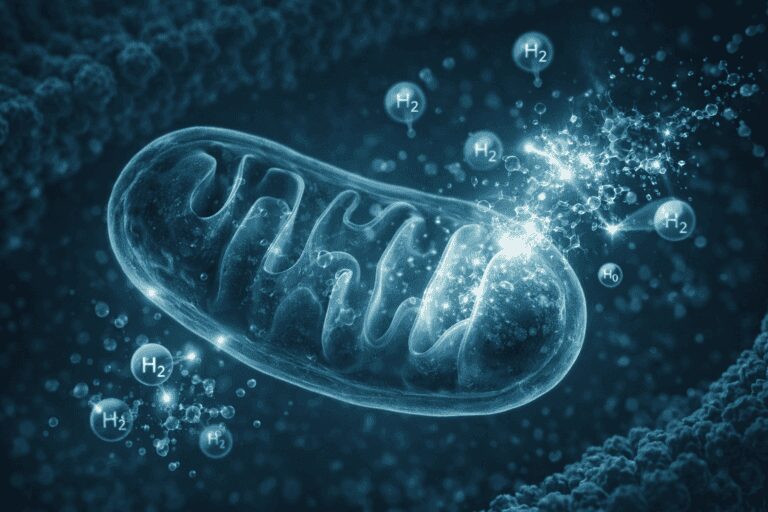
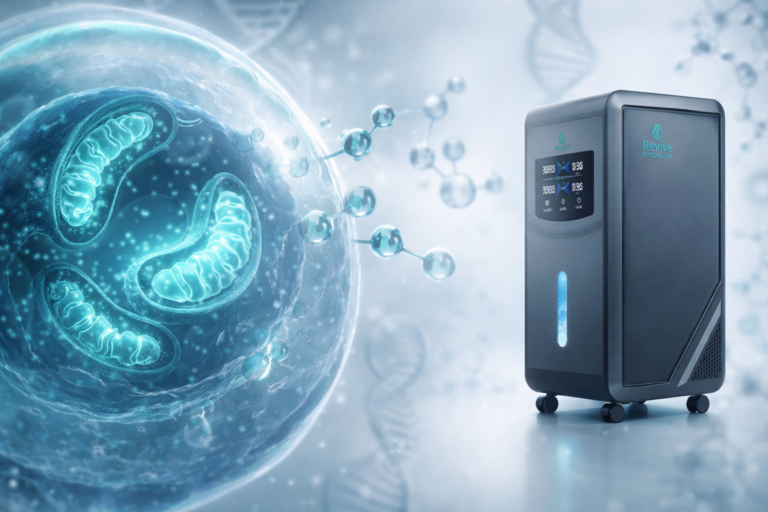
This selective antioxidant activity has been documented across more than 1,000 peer-reviewed studies, demonstrating hydrogen’s ability to modulate oxidative stress in diverse tissues including the brain, cardiovascular system, liver, muscles, and joints. The molecule’s small size and neutral charge allow it to diffuse rapidly across cell membranes and penetrate subcellular compartments, including mitochondria and the nucleus, where oxidative damage is most consequential.
Designing Your Daily Hydrogen Wellness Routine
A robust hydrogen wellness routine centers on consistent, high-concentration exposure that achieves therapeutic tissue saturation. While hydrogen-enriched water provides measurable benefits, inhalation delivers substantially higher concentrations and enables passive systemic absorption during rest, work, or recovery periods. Professional-grade hydrogen inhalation allows for sustained sessions—typically 30 to 120 minutes—that optimize cellular uptake and extend the duration of antioxidant activity throughout the body.
Morning Session: Cellular Priming and Mitochondrial Activation
Begin your day with a 45 to 60-minute hydrogen inhalation session during morning routines, meditation, or light stretching. This timing capitalizes on the body’s natural circadian rhythms and metabolic activation, supporting mitochondrial function as cellular energy demands increase. Morning hydrogen exposure may help mitigate oxidative stress generated during the metabolic transition from fasted to fed states, while supporting cognitive clarity and systemic readiness for the day’s demands.
Post-Exercise Recovery: Oxidative Stress Buffering
Physical activity generates substantial reactive oxygen species as a byproduct of elevated metabolic activity. While some exercise-induced oxidative stress drives beneficial adaptations, excessive accumulation can impair recovery, prolong inflammation, and compromise tissue repair. A 30 to 60-minute hydrogen inhalation session immediately following exercise provides selective antioxidant support during the critical recovery window, potentially supporting muscle recovery, reducing delayed onset muscle soreness, and promoting cellular repair mechanisms without blunting adaptive signaling.
Evening Protocol: Systemic Regeneration and Cellular Repair
Evening hydrogen sessions—ideally 60 to 90 minutes before sleep—align with the body’s natural repair and regeneration cycles. Molecular hydrogen may support the cellular housekeeping processes that accelerate during rest, including autophagy, mitochondrial quality control, and DNA repair mechanisms. This timing also allows for passive therapy during relaxation, reading, or meditation, making adherence effortless and sustainable over the long term.
Why Inhalation Outperforms Other Delivery Methods
Achieving therapeutic hydrogen concentrations requires delivery methods capable of sustaining elevated tissue levels. Hydrogen-enriched water provides a convenient entry point, but faces inherent limitations: the concentration of dissolved H₂ in water rarely exceeds 1.6 parts per million, and gastric metabolism significantly reduces systemic bioavailability. A single serving of hydrogen water delivers approximately 0.5 to 1.0 mg of molecular hydrogen—a modest dose with limited tissue penetration.
Inhalation, by contrast, delivers substantially higher concentrations directly to the bloodstream via the alveolar-capillary interface in the lungs. High-output hydrogen generators producing 1,000 to 2,000 ml/min of pure molecular hydrogen enable continuous, passive absorption without the need for repeated water consumption or gastric processing. This route of administration bypasses digestive variables, achieves rapid systemic distribution, and maintains elevated blood and tissue concentrations throughout extended sessions.
Professional-grade hydrogen generators utilizing PEM (Proton Exchange Membrane) electrolysis technology separate distilled water into its constituent elements—pure molecular hydrogen and oxygen—without introducing contaminants, ozone, or reactive byproducts. The resulting hydrogen purity (exceeding 99.99% in laboratory-grade systems) ensures safe, consistent, and predictable delivery for daily wellness protocols.
The Cellular Benefits of Consistent Hydrogen Exposure
Establishing a daily hydrogen wellness routine supports multiple dimensions of cellular health and systemic function. Research suggests the following evidence-based benefits associated with regular molecular hydrogen exposure:
- Mitochondrial optimization: Hydrogen may support mitochondrial membrane potential, ATP production efficiency, and protection against oxidative damage to mitochondrial DNA, enhancing cellular energy metabolism and reducing fatigue.
- Inflammatory modulation: By reducing oxidative triggers of inflammatory signaling cascades—including NF-κB and pro-inflammatory cytokines—hydrogen may support balanced immune responses and tissue homeostasis.
- Neuroprotective effects: Hydrogen crosses the blood-brain barrier readily, providing selective antioxidant support to neurons and glial cells, potentially supporting cognitive function and long-term brain health.
- Metabolic balance: Research indicates hydrogen may influence metabolic signaling pathways related to glucose metabolism, lipid oxidation, and insulin sensitivity, supporting healthy metabolic function.
- Exercise recovery and performance: Hydrogen’s ability to buffer exercise-induced oxidative stress without suppressing adaptive signaling may enhance recovery, reduce muscle damage markers, and support training adaptations.
- Cardiovascular and vascular health: Hydrogen may support endothelial function, vascular elasticity, and healthy blood pressure regulation through its effects on nitric oxide bioavailability and oxidative stress reduction.
These benefits emerge not from acute, sporadic use, but from consistent, daily exposure that allows cumulative effects on cellular signaling, gene expression, and systemic redox balance to develop over weeks and months.
Building Long-Term Adherence: Practical Considerations
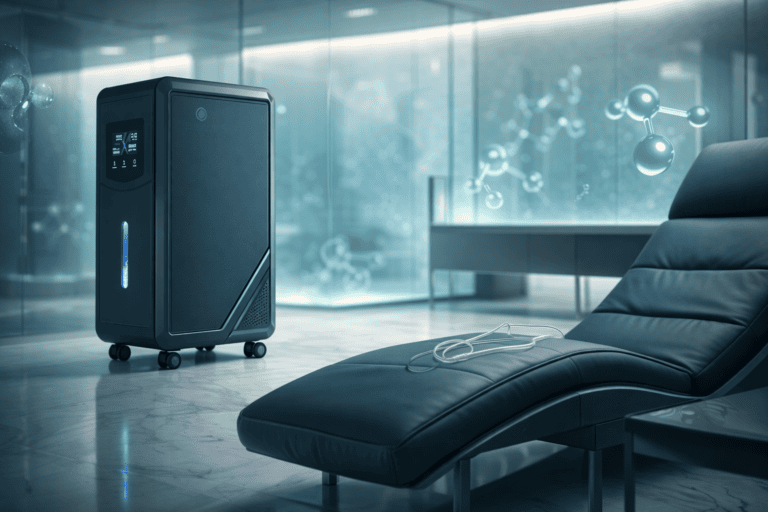
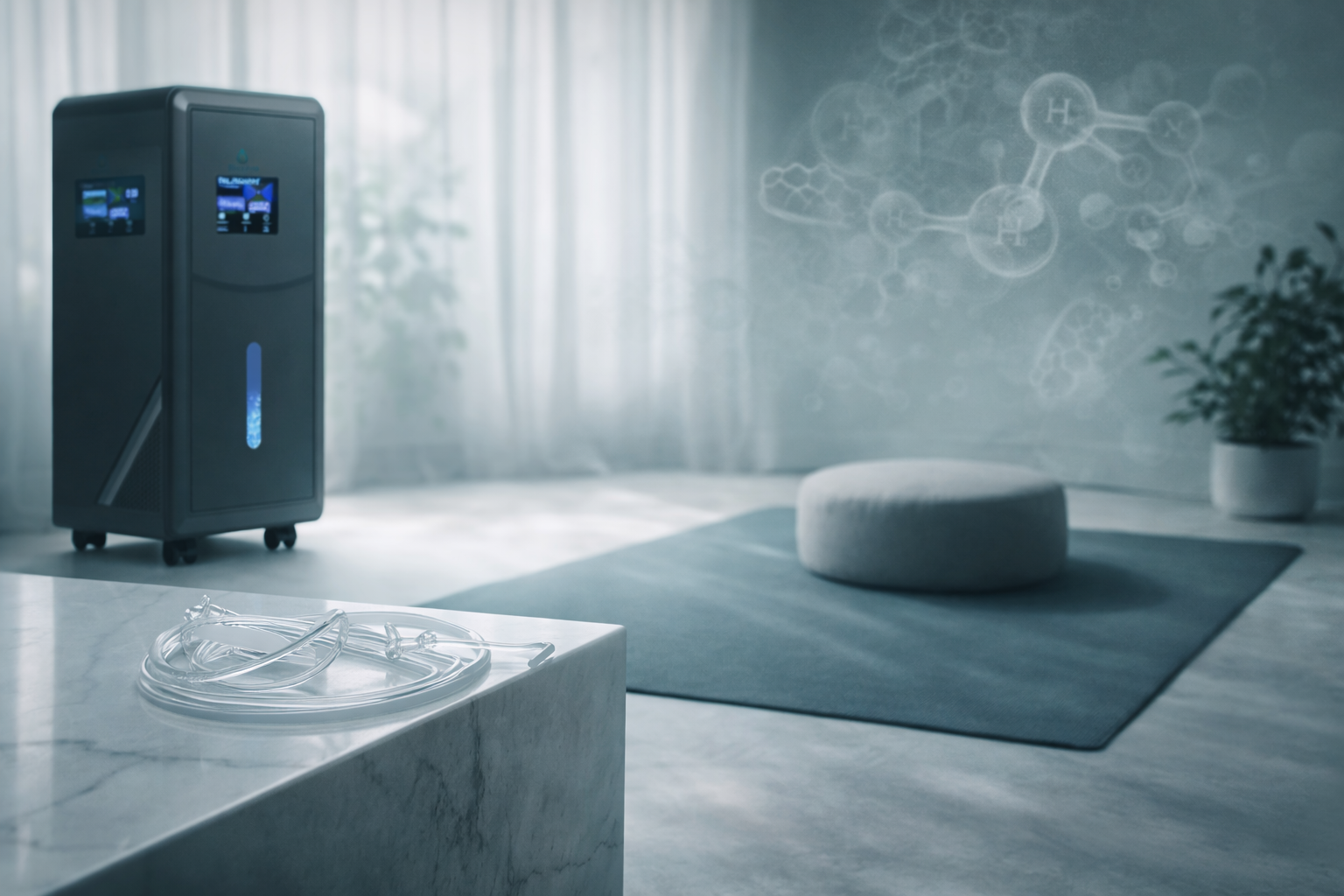
The most sophisticated hydrogen technology delivers no benefit without consistent use. Designing a sustainable hydrogen wellness routine requires integrating sessions seamlessly into existing daily rhythms. Position your hydrogen generator in a dedicated wellness space—whether a home office, meditation area, or recovery room—where sessions can occur passively during other activities. Use session timers to automate duration, ensuring consistent exposure without constant monitoring.
Track subjective markers of wellness—energy levels, recovery quality, sleep patterns, and cognitive clarity—over 4 to 8 weeks to assess individual response. While acute effects may be subtle, cumulative benefits typically become more apparent with sustained use. Consider pairing hydrogen therapy with complementary wellness practices such as breathwork, cold exposure, sauna therapy, or intermittent fasting to create a comprehensive longevity-focused protocol.
Long-term health optimization requires tools designed for durability, consistency, and ease of use. Professional-grade hydrogen generators built with medical-grade components, platinum-coated titanium electrodes, and advanced PEM technology ensure reliable daily performance without degradation in output quality or purity over years of use.
Bring This Technology Home
Establishing a daily hydrogen wellness routine requires access to professional-grade hydrogen technology capable of delivering therapeutic concentrations consistently and safely. Revive Hydrogen offers intelligent high-flow hydrogen generators engineered specifically for home and clinical wellness applications, providing laboratory-verified 99.992% hydrogen purity through advanced PEM electrolysis of distilled water with platinum-coated titanium electrodes and DuPont N117 membranes.
Available in three output configurations—HYD-1500 (1,000 ml/min H₂), HYD-1800 (1,200 ml/min H₂), and HYD-3000 (2,000 ml/min H₂)—these systems deliver pure molecular hydrogen via nasal cannula for passive, systemic absorption during work, rest, or recovery. With programmable session timers from 30 to 480 minutes, UV-C water disinfection, dual-user capability, and up to 8 hours of continuous operation, these generators are built for daily integration into comprehensive wellness protocols.
Backed by a 3-year limited warranty and manufactured to CE, RoHS, and ISO 9001-certified quality standards, Revive Hydrogen generators represent a long-term investment in cellular health, mitochondrial function, and oxidative stress management. Explore the full range of professional-grade hydrogen technology designed for home wellness at Revive Hydrogen.