
The Pioneering Journey of Molecular Hydrogen Research
Molecular hydrogen (H₂) has emerged as one of the most studied bioactive gases in modern wellness science, yet its therapeutic potential remained hidden in plain sight for over two centuries. From its initial discovery as a simple combustible element to its current recognition as a selective antioxidant and cellular signaling molecule, the history of molecular hydrogen research represents a remarkable arc of scientific evolution. Today, mounting evidence supports H₂’s role in oxidative stress mitigation, mitochondrial optimization, and homeostatic balance—making it a cornerstone of evidence-based wellness protocols worldwide.
Early Foundations: Hydrogen’s Scientific Discovery
Henry Cavendish first isolated molecular hydrogen in 1766, describing it as “inflammable air” produced from metal-acid reactions. For nearly two centuries, hydrogen was studied purely for its chemical properties—its lightness, flammability, and role in water formation. No one suspected this simple diatomic molecule could exert profound biological effects.
The first documented therapeutic use of hydrogen emerged in the early 19th century, when French physician Cailletet explored hydrogen gas inhalation for decompression sickness in deep-sea divers. However, these early applications lacked mechanistic understanding and remained isolated clinical curiosities rather than systematic research programs.
The Dormant Century
Throughout the 20th century, molecular hydrogen research remained largely dormant in the biomedical field. While scientists extensively studied reactive oxygen species (ROS) and oxidative stress, hydrogen was overlooked as biologically inert—too small, too simple, and too unreactive to serve any meaningful physiological function. This assumption would prove to be spectacularly wrong.
The 2007 Breakthrough: Selective Antioxidant Properties
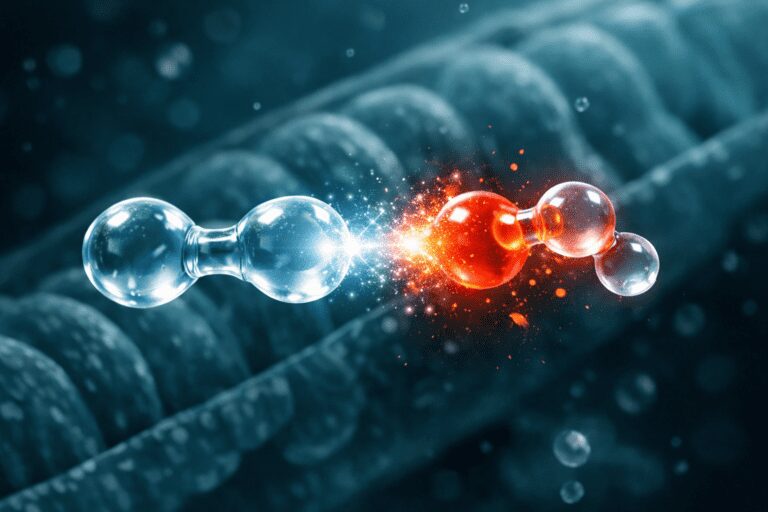
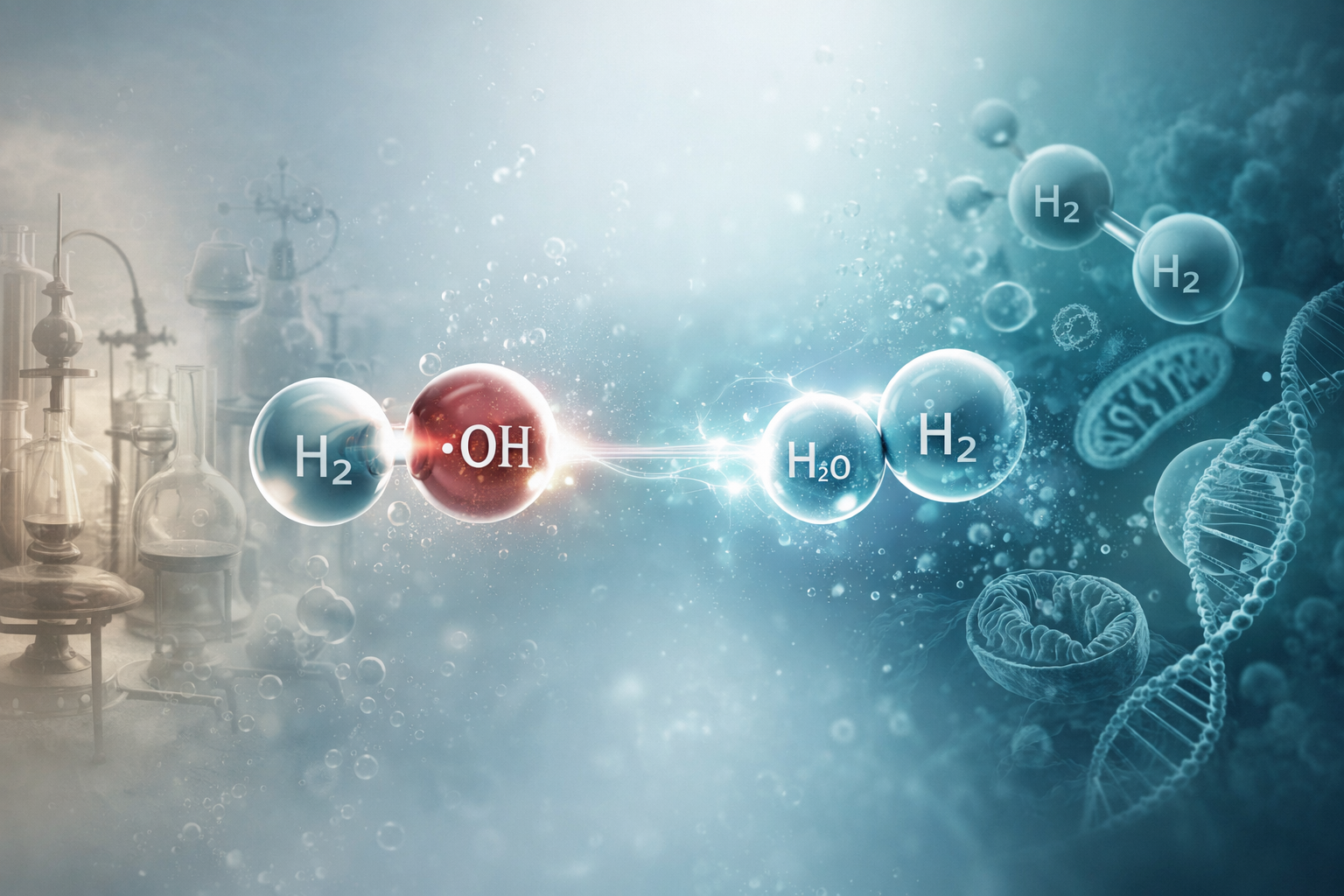
The modern era of molecular hydrogen research began with a landmark 2007 publication in Nature Medicine by Ohsawa and colleagues at Nippon Medical School. This pivotal study demonstrated that H₂ acts as a selective antioxidant, specifically neutralizing the most cytotoxic reactive oxygen species—hydroxyl radicals (•OH) and peroxynitrite (ONOO⁻)—while leaving beneficial signaling molecules like hydrogen peroxide (H₂O₂) and nitric oxide (NO) intact.
This selectivity distinguishes molecular hydrogen from conventional antioxidants, which often indiscriminately scavenge all reactive species and can inadvertently disrupt essential cellular signaling pathways. The hydroxyl radical is particularly destructive, reacting indiscriminately with DNA, proteins, and lipids at diffusion-limited rates. Peroxynitrite similarly damages cellular components and impairs mitochondrial function. By selectively targeting only these highly toxic species, H₂ mitigates oxidative damage without compromising the beneficial roles of milder oxidants in immune function, cell signaling, and adaptive stress responses.
Mechanisms Beyond Antioxidation
Subsequent molecular hydrogen research revealed that H₂’s benefits extend far beyond direct radical scavenging. Studies identified additional mechanisms including:
- Gene Expression Modulation: H₂ upregulates cytoprotective genes including antioxidant enzymes (superoxide dismutase, catalase, glutathione peroxidase) and anti-inflammatory transcription factors (Nrf2 pathway activation)
- Mitochondrial Function Enhancement: Molecular hydrogen helps preserve mitochondrial membrane potential and ATP production efficiency under oxidative stress conditions
- Inflammatory Cascade Regulation: H₂ modulates pro-inflammatory cytokines (IL-6, TNF-α, IL-1β) and inhibits NF-κB signaling pathways
- Cellular Apoptosis Modulation: Hydrogen influences programmed cell death pathways, potentially supporting healthy cellular turnover and tissue homeostasis
The Expansion Phase: 2008–2020
Following the 2007 breakthrough, molecular hydrogen research exploded exponentially. Between 2008 and 2020, over 1,000 peer-reviewed publications examined H₂’s effects across diverse physiological systems and wellness applications. Research expanded from initial animal models to human clinical trials, establishing safety profiles and exploring optimal delivery methods.
Delivery Method Evolution
Early molecular hydrogen research primarily utilized hydrogen-rich water (HRW) as the delivery vehicle. While hydrogen water demonstrated measurable effects, researchers recognized its limitations: relatively low H₂ concentration (typically 1.0–1.6 ppm), rapid gas dissipation, and dependence on gastrointestinal absorption.
This led to the development and validation of inhalation delivery systems. Hydrogen inhalation offers distinct advantages: direct pulmonary absorption bypassing digestive limitations, rapid systemic distribution through the bloodstream, sustained elevated tissue concentrations, and passive wellness integration requiring no dietary modifications. Achieving therapeutic tissue saturation, however, requires high-output, professional-grade hydrogen inhalation generators capable of delivering substantial flow rates of high-purity molecular hydrogen.
Contemporary Research and Clinical Applications
Current molecular hydrogen research encompasses multiple domains of human health and performance optimization. Recent clinical trials have examined H₂’s potential role in supporting:
Athletic Performance and Recovery: Studies document reduced exercise-induced oxidative stress, decreased lactate accumulation, and improved perceived recovery in athletes using hydrogen protocols.
Metabolic Wellness: Research suggests H₂ may support healthy insulin sensitivity, mitochondrial efficiency, and cellular energy metabolism.
Cognitive Function: Emerging evidence indicates potential neuroprotective effects through reduction of neuroinflammation and oxidative damage in neural tissues.
Healthy Aging: Molecular hydrogen research increasingly focuses on H₂’s role in supporting cellular resilience, senescence modulation, and healthspan extension through multiple complementary pathways.
The International Research Landscape
Japan, China, and South Korea have led molecular hydrogen research initiatives, with substantial government and institutional support. The United States and Europe have increasingly contributed to the evidence base, with North American research institutions now conducting rigorous clinical trials examining hydrogen’s wellness applications. International symposia and collaborative research networks continue to advance mechanistic understanding and clinical translation.
Bring This Technology Home
The evolution of molecular hydrogen research from laboratory curiosity to evidence-based wellness tool reflects both scientific persistence and technological advancement. Achieving the tissue concentrations examined in contemporary research requires professional-grade equipment engineered for reliability, purity, and clinical-relevant output.
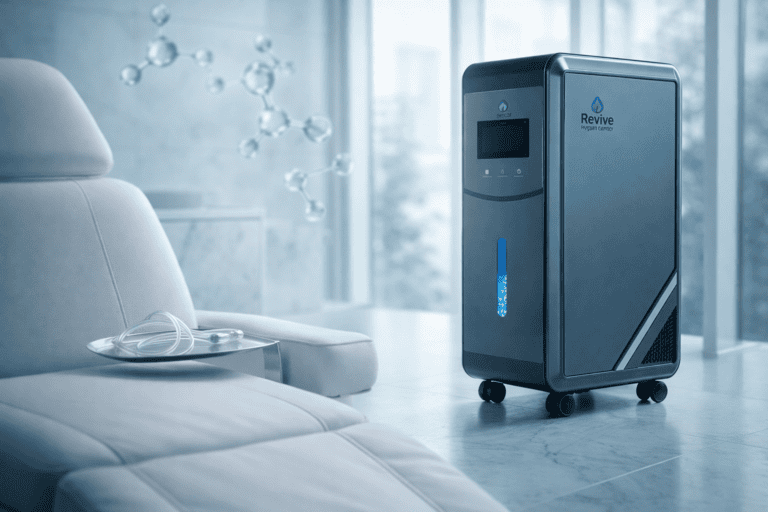
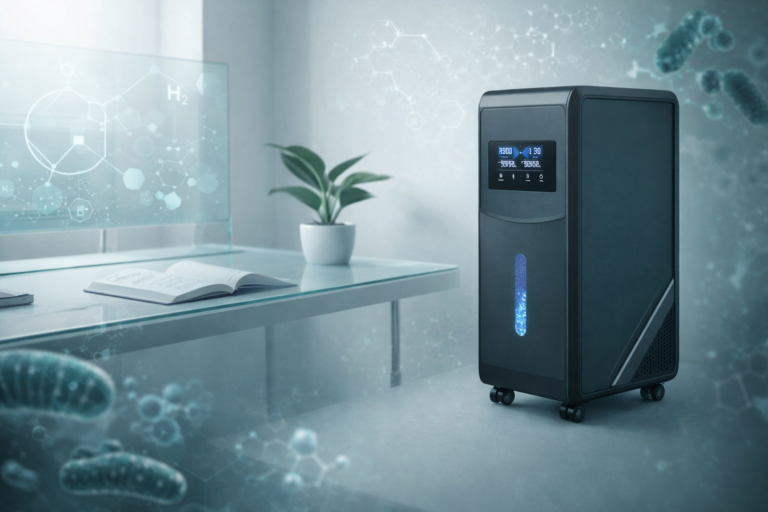
Revive Hydrogen has developed the Intelligent High-Flow Hydrogen Generator specifically to bridge the gap between clinical research and home wellness application. Utilizing PEM (Proton Exchange Membrane) electrolysis with platinum-coated titanium electrodes and DuPont N117 membrane technology, the system produces 99.992% pure molecular hydrogen—independently verified by accredited third-party laboratory analysis.
Available in three flow tiers (HYD-1500, HYD-1800, and HYD-3000), the generators deliver substantial hydrogen output ranging from 1000 ml/min to 2000 ml/min of pure H₂, with dual-user capability for shared sessions. These specifications align with flow rates utilized in contemporary molecular hydrogen research protocols examining systemic antioxidant effects and cellular signaling modulation.
Manufactured to CE and RoHS standards under ISO 9001-certified quality management systems, each unit includes UV-C water disinfection, programmable session timing (30-480 minutes), and continuous operation capability up to 8 hours. Backed by a comprehensive 3-year limited warranty, the Revive Hydrogen Generator represents the intersection of rigorous engineering and evidence-based wellness science—bringing decades of molecular hydrogen research into practical daily application for cellular health optimization and oxidative stress management.