
The Molecular Hydrogen Delivery Question Every Wellness Advocate Is Asking
As molecular hydrogen therapy gains recognition in research circles and wellness communities worldwide, a critical question emerges: does delivery method actually matter? With hydrogen-enriched water tablets flooding the consumer market alongside clinical-grade inhalation systems, understanding the biochemical reality behind tissue saturation, cellular uptake, and true therapeutic potential has never been more important. The answer isn’t just academic—it directly determines whether you’re achieving meaningful oxidative stress mitigation or simply participating in expensive hydration.
Molecular hydrogen (H₂) operates through a fascinatingly selective mechanism that sets it apart from conventional antioxidants. Rather than indiscriminately scavenging all reactive oxygen species, H₂ specifically neutralizes the most destructive oxidative agents—hydroxyl radicals (•OH) and peroxynitrite (ONOO⁻)—while preserving beneficial signaling molecules like hydrogen peroxide that your cells require for proper immune function and metabolic communication. This selective antioxidant behavior represents a quantum leap beyond vitamin C or glutathione supplementation, which can inadvertently disrupt cellular homeostasis when used aggressively.
How Hydrogen Tablets Actually Work (And Their Inherent Limitations)
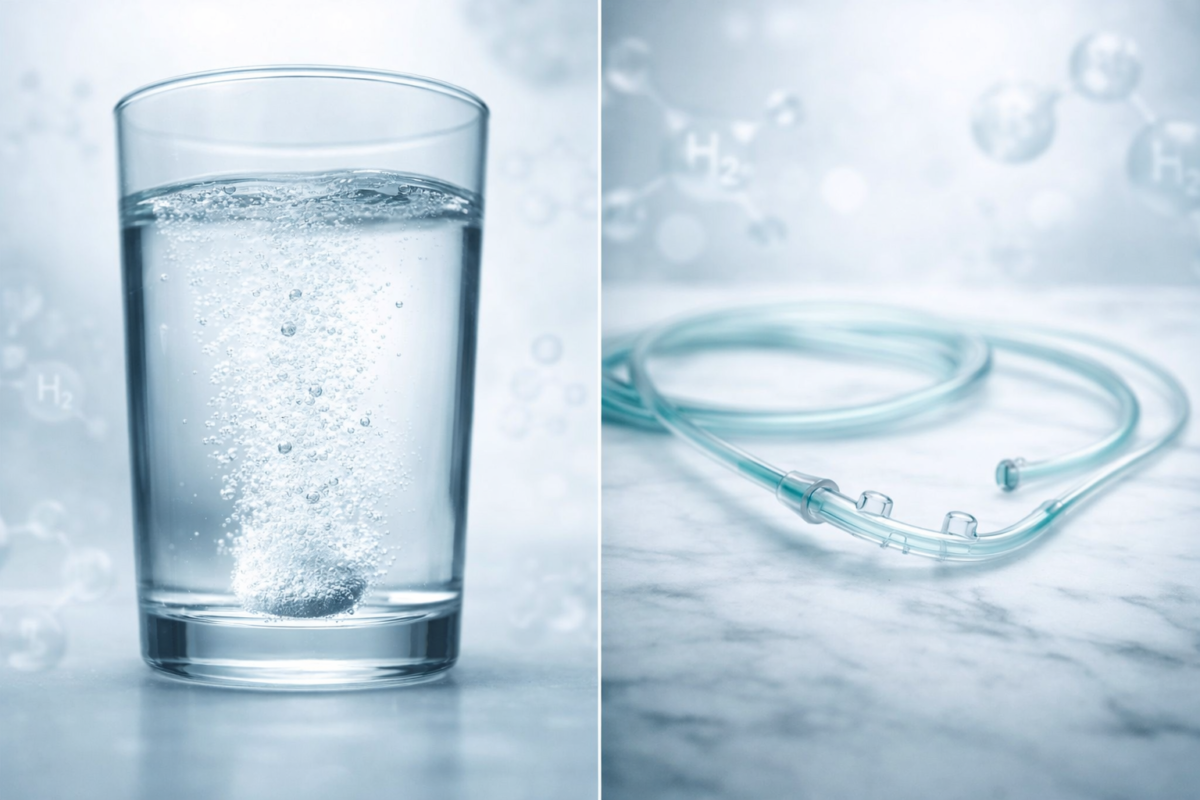
Hydrogen tablets function through a simple chemical reaction: magnesium metal reacting with water to produce hydrogen gas, which then dissolves into the liquid. When you drop a tablet into water, you’re creating a temporarily hydrogen-rich solution, typically achieving concentrations between 0.5 to 3.0 parts per million (ppm) when measured immediately after dissolution.
The fundamental challenge lies in hydrogen’s physical properties. As the smallest and most diffusible molecule in existence, H₂ rapidly escapes from aqueous solution. Within minutes of tablet dissolution, your carefully prepared hydrogen water begins losing its molecular hydrogen content to the surrounding atmosphere. By the time you finish drinking a glass, the actual H₂ concentration you’re ingesting has already declined significantly from its peak measurement.
The Gastric Absorption Barrier
Even assuming optimal dissolution and immediate consumption, hydrogen water faces the gastrointestinal absorption pathway. Once ingested, H₂ must traverse the stomach lining, enter the bloodstream through intestinal absorption, and then distribute systemically to reach target tissues including the brain, heart, muscles, and mitochondria throughout your body.
Published pharmacokinetic studies demonstrate that oral hydrogen water consumption produces measurable but relatively modest increases in blood H₂ concentration, with levels peaking approximately 5-15 minutes post-consumption before declining. For individuals seeking sustained molecular hydrogen exposure for mitochondrial optimization and oxidative stress mitigation, this creates a practical challenge: maintaining therapeutic tissue concentrations requires frequent, repeated dosing throughout the day.
Inhalation: Direct Systemic Delivery and Sustained Tissue Saturation
Hydrogen inhalation represents a fundamentally different pharmacological approach. When you inhale molecular hydrogen gas, you’re leveraging the massive surface area of your pulmonary system—approximately 70 square meters of gas-exchange membrane in the average adult lung.
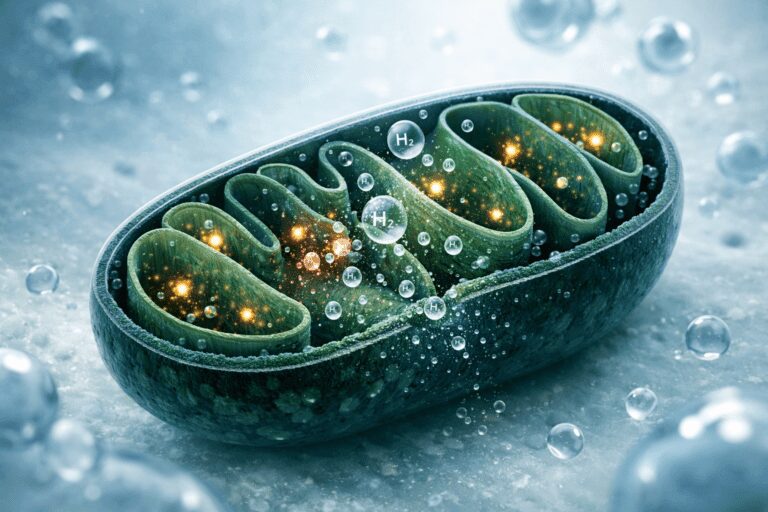
This respiratory delivery bypasses the digestive system entirely. Inhaled H₂ diffuses directly across the alveolar-capillary membrane into arterial blood, achieving rapid and sustained elevation of blood hydrogen concentration. From there, H₂ distributes throughout the body, crossing the blood-brain barrier effortlessly and penetrating into mitochondria, cellular cytoplasm, and even the nucleus where it can influence gene expression related to antioxidant enzyme production.
The Flow Rate Factor
Not all hydrogen inhalation systems deliver equivalent results. The hydrogen concentration and total flow rate directly determine the dose your body receives. Many consumer-grade devices produce hydrogen-air mixtures at 1-4% hydrogen concentration—a dilution that significantly limits the total molecular hydrogen volume delivered per session.
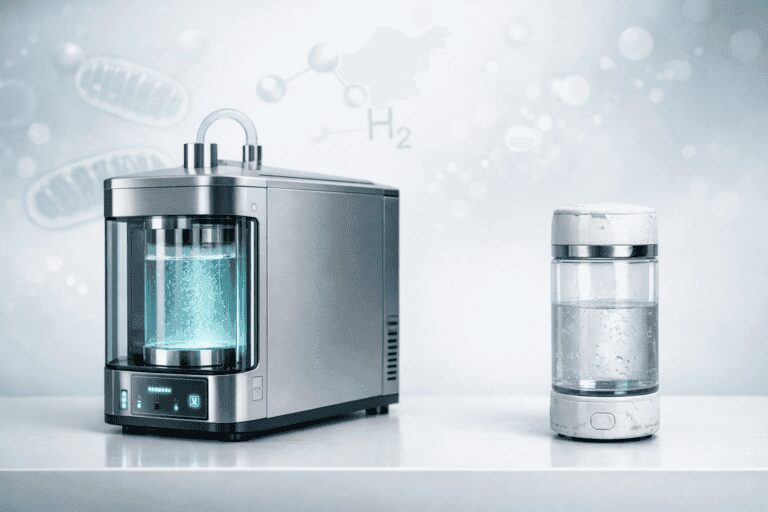
Professional-grade systems utilizing PEM (Proton Exchange Membrane) electrolysis technology generate pure molecular hydrogen at substantially higher outputs, measured in milliliters per minute rather than percentage concentration. This technical distinction translates to dramatically different tissue saturation profiles. A high-flow hydrogen generator delivering 1000-2000 ml/min of pure H₂ provides exponentially greater molecular hydrogen exposure compared to low-concentration hydrogen-air systems or any quantity of hydrogen water.
Cellular and Mitochondrial Benefits: What the Research Indicates
Over 1,000 peer-reviewed publications have investigated molecular hydrogen’s effects across numerous biological systems. While research continues to evolve, consistent themes have emerged around H₂’s potential to support:
- Mitochondrial function optimization: H₂ appears to support healthy ATP production and reduce oxidative damage to mitochondrial DNA and membrane structures
- Exercise recovery and adaptation: Studies suggest hydrogen may help mitigate exercise-induced oxidative stress while preserving beneficial hormetic signaling pathways
- Inflammatory response modulation: Research indicates H₂ influences inflammatory cytokine production and may support healthy inflammatory resolution
- Neuroprotective potential: Animal and preliminary human studies suggest hydrogen’s ability to cross the blood-brain barrier may support cognitive health and neurological resilience
- Metabolic health support: Emerging evidence points to hydrogen’s influence on glucose metabolism, lipid profiles, and metabolic flexibility
The critical question remains: which delivery method actually achieves the tissue concentrations necessary to activate these biological pathways?
The Verdict: Comparing Real-World Outcomes
Hydrogen tablets offer convenience, portability, and a low barrier to entry for hydrogen therapy experimentation. For individuals seeking modest antioxidant support or preliminary exploration of molecular hydrogen’s potential, quality hydrogen tablets can provide value—particularly when consumed multiple times daily to maintain more consistent blood levels.
However, for those pursuing meaningful molecular hydrogen therapy with the goal of achieving sustained tissue saturation, supporting mitochondrial optimization, and accessing the full spectrum of benefits documented in clinical research, inhalation via high-output hydrogen generators represents the evidence-based choice.
The pharmacokinetic reality is unambiguous: respiratory delivery of pure molecular hydrogen at therapeutic flow rates produces blood and tissue H₂ concentrations that oral consumption cannot match. For passive, systemic wellness support—the ability to breathe hydrogen while working, reading, meditating, or recovering—inhalation offers a practical advantage that transforms molecular hydrogen therapy from an occasional intervention into a sustainable daily practice.
Related reading: Hydrogen and Cellular Health · Hydrogen Inhalation Generator vs Water
New to hydrogen inhalation? Download our free Beginner’s Guide to Hydrogen Inhalation for a plain-language primer on what H₂ is, how inhalation works, and how to choose a generator.
Bring This Technology Home
For individuals and practitioners ready to access research-grade molecular hydrogen technology, Revive Hydrogen offers professional-tier hydrogen generators designed for home and clinical wellness applications.
The Intelligent High-Flow Hydrogen Generator line utilizes PEM electrolysis technology with platinum-coated titanium electrodes and DuPont N117 membrane to produce 99.992% pure molecular hydrogen—verified by independent third-party laboratory analysis. Unlike diluted hydrogen-air systems, these generators produce pure H₂ plus separate oxygen output at therapeutic flow rates: the HYD-1500 delivers up to 1000 ml/min hydrogen, the HYD-1800 up to 1200 ml/min, and the flagship HYD-3000 up to 2000 ml/min.
Manufactured to CE and RoHS standards within an ISO 9001-certified quality management system, each unit includes UV-C water disinfection, programmable session timing from 30 to 480 minutes, and dual-user capability. This is the technology making molecular hydrogen research possible in laboratories worldwide—now accessible for personal wellness exploration.
Molecular hydrogen therapy research continues to expand our understanding of cellular resilience, oxidative balance, and longevity pathways. The delivery method you choose determines whether you’re observing that research from the sidelines or actively participating in your own cellular optimization.