
The Silent Challenge of Respiratory Wellness in a Modern World
Your lungs engage in an extraordinary feat of biochemistry every moment of your life: extracting oxygen from the air, shuttling it to trillions of cells, and expelling metabolic waste with each breath. Yet this elegant process is under constant siege. Environmental pollutants, occupational exposures, oxidative stress from normal metabolism, and the natural aging process all challenge the delicate architecture of your respiratory system. Supporting healthy lung function requires more than wishful thinking—it demands an evidence-based approach rooted in cellular biology. Molecular hydrogen (H₂), a selective antioxidant with a unique capacity to penetrate deep into lung tissue, has emerged as a powerful tool for respiratory wellness, offering a scientifically grounded pathway to mitochondrial optimization and oxidative stress mitigation within the pulmonary system.
Understanding Oxidative Stress in the Respiratory System
The lungs exist at the frontline of oxidative challenge. With every inhalation, your respiratory epithelium encounters not just life-sustaining oxygen, but also airborne particulates, volatile organic compounds, microbial fragments, and reactive chemical species. This constant exposure generates reactive oxygen species (ROS) and reactive nitrogen species (RNS) within lung tissue. While some ROS serve beneficial signaling functions—regulating immune response, promoting cellular adaptation, and maintaining homeostatic balance—others inflict direct damage to cellular structures.
The most destructive among these are the hydroxyl radical (•OH) and peroxynitrite (ONOO⁻). These highly reactive molecules attack lipid membranes, degrade proteins, fragment DNA, and compromise the structural integrity of alveolar cells and bronchial epithelium. Traditional antioxidants—vitamins C and E, polyphenols, glutathione precursors—offer broad-spectrum neutralization, but they lack selectivity. They quench both harmful and beneficial reactive species indiscriminately, potentially disrupting the delicate redox signaling that governs cellular adaptation and immune function.
Molecular Hydrogen: A Selective Antioxidant Engineered by Nature
Molecular hydrogen stands apart in the antioxidant landscape due to its remarkable selectivity. H₂ specifically neutralizes the hydroxyl radical and peroxynitrite—the most cytotoxic oxidants in biological systems—while leaving beneficial signaling molecules like hydrogen peroxide (H₂O₂) and superoxide intact. This selectivity preserves the cellular communication networks that regulate inflammation, autophagy, and adaptive stress responses, allowing your body to maintain its natural defense mechanisms while eliminating only the most damaging oxidative threats.
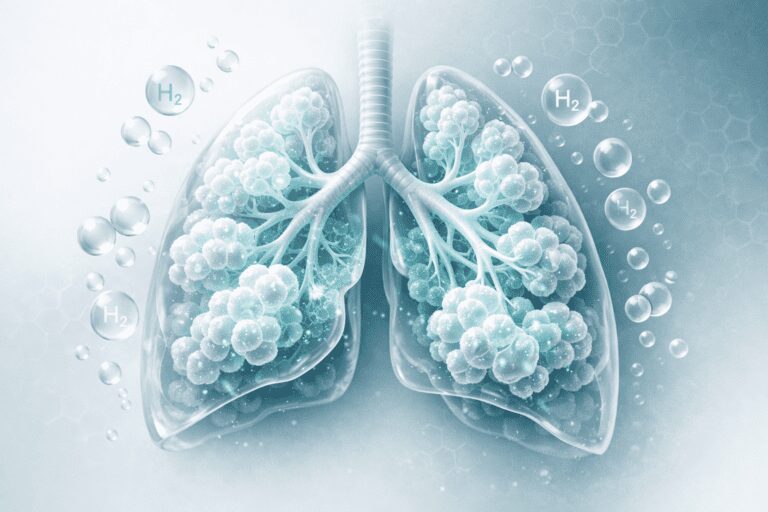
The physical properties of molecular hydrogen enhance its therapeutic potential in the respiratory system. With the smallest molecular weight of any element, H₂ diffuses rapidly across cell membranes, blood-gas barriers, and even subcellular compartments including mitochondria and the nucleus. When introduced via inhalation, molecular hydrogen reaches pulmonary tissue directly, bypassing the digestive system and achieving immediate, high-concentration saturation in alveolar cells, bronchial epithelium, and the dense capillary networks surrounding respiratory structures.
Mechanisms of Action in Lung Tissue
Research into molecular hydrogen and respiratory wellness has identified several interconnected pathways through which H₂ supports healthy lung function:
- Direct Antioxidant Activity: H₂ neutralizes hydroxyl radicals and peroxynitrite within alveolar macrophages, type I and type II pneumocytes, and endothelial cells lining pulmonary capillaries, reducing oxidative damage to surfactant proteins and maintaining gas exchange efficiency.
- Inflammatory Modulation: Molecular hydrogen downregulates pro-inflammatory cytokines including TNF-α, IL-6, and IL-1β while supporting balanced expression of anti-inflammatory mediators, promoting a homeostatic inflammatory response rather than chronic, low-grade inflammation.
- Mitochondrial Protection: By penetrating mitochondrial membranes, H₂ protects the electron transport chain from oxidative damage, supporting efficient ATP production in the energy-intensive cells of respiratory muscles and maintaining the metabolic health of lung tissue.
- Gene Expression Regulation: Hydrogen activates the Nrf2-Keap1 pathway, upregulating endogenous antioxidant enzymes including superoxide dismutase, catalase, and glutathione peroxidase, enhancing your body’s intrinsic oxidative defense systems.
Inhalation as the Superior Delivery Method for Respiratory Support
While hydrogen-enriched water offers systemic benefits through oral ingestion, achieving therapeutic tissue saturation in the lungs requires a different approach. Inhalation delivers molecular hydrogen directly to the respiratory mucosa, alveolar surfaces, and pulmonary circulation at concentrations orders of magnitude higher than what can be achieved through the digestive tract. This direct delivery method ensures rapid, passive absorption across the vast surface area of the alveoli—approximately 70 square meters in the average adult—creating immediate bioavailability where it matters most.
The key to effective hydrogen inhalation lies in generator output capacity and hydrogen purity. Low-output systems that dilute hydrogen with ambient air (typically producing 1–4% hydrogen concentrations) struggle to achieve meaningful tissue saturation. Professional-grade hydrogen generators utilizing advanced PEM (Proton Exchange Membrane) electrolysis technology produce high-purity molecular hydrogen at flow rates sufficient for systemic cellular impact. These systems split distilled water into its elemental components using platinum-coated titanium electrodes and medical-grade membranes, delivering pure H₂ and separate oxygen output—not the diluted hydrogen-air mixtures characteristic of lower-tier consumer devices.
Continuous or daily inhalation sessions allow for sustained antioxidant activity throughout the respiratory system, supporting the body’s natural maintenance of healthy lung tissue, optimal gas exchange, and balanced inflammatory responses. For individuals with heightened oxidative stress from environmental exposures, occupational hazards, or the natural aging process, this passive wellness strategy offers a scientifically grounded approach to respiratory support without the burden of complex protocols or invasive interventions.
The Evidence Base: Research and Clinical Insights
The investigation of molecular hydrogen in respiratory wellness spans preclinical models and human studies. Research has examined H₂ inhalation in contexts ranging from acute oxidative lung injury to chronic inflammatory states, consistently demonstrating reductions in oxidative biomarkers, improved tissue architecture, and enhanced cellular resilience. While much of this research remains at the experimental stage—and it is critical to note that hydrogen therapy is not a medical treatment for any disease—the mechanistic plausibility and early evidence position molecular hydrogen as a compelling wellness tool for those seeking to support healthy lung function through targeted cellular optimization.
Studies have documented decreased lipid peroxidation markers, reduced inflammatory cytokine expression, and preservation of alveolar-capillary barrier integrity in lung tissue exposed to hydrogen therapy. These findings align with the known selective antioxidant properties of H₂ and its ability to modulate gene expression related to oxidative stress response and inflammation. The safety profile of molecular hydrogen further strengthens its appeal: as an inert, naturally occurring molecule with no known toxicity at therapeutic concentrations, H₂ can be incorporated into daily wellness routines with minimal concern for adverse effects or drug interactions.
Bring This Technology Home
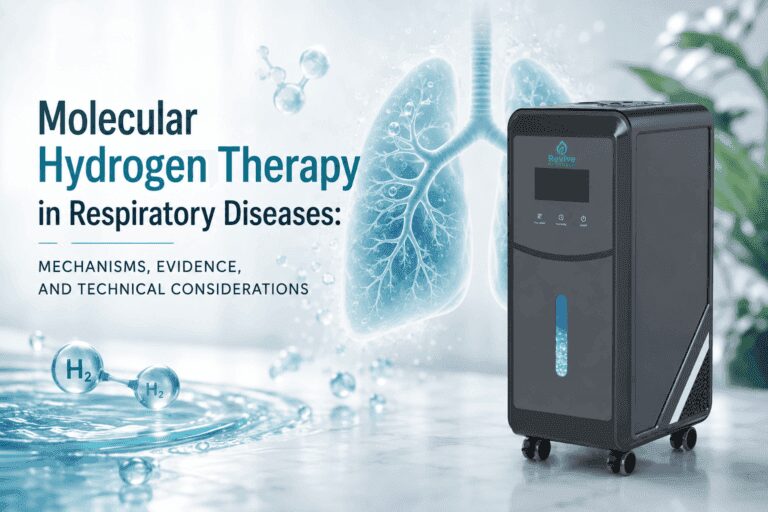
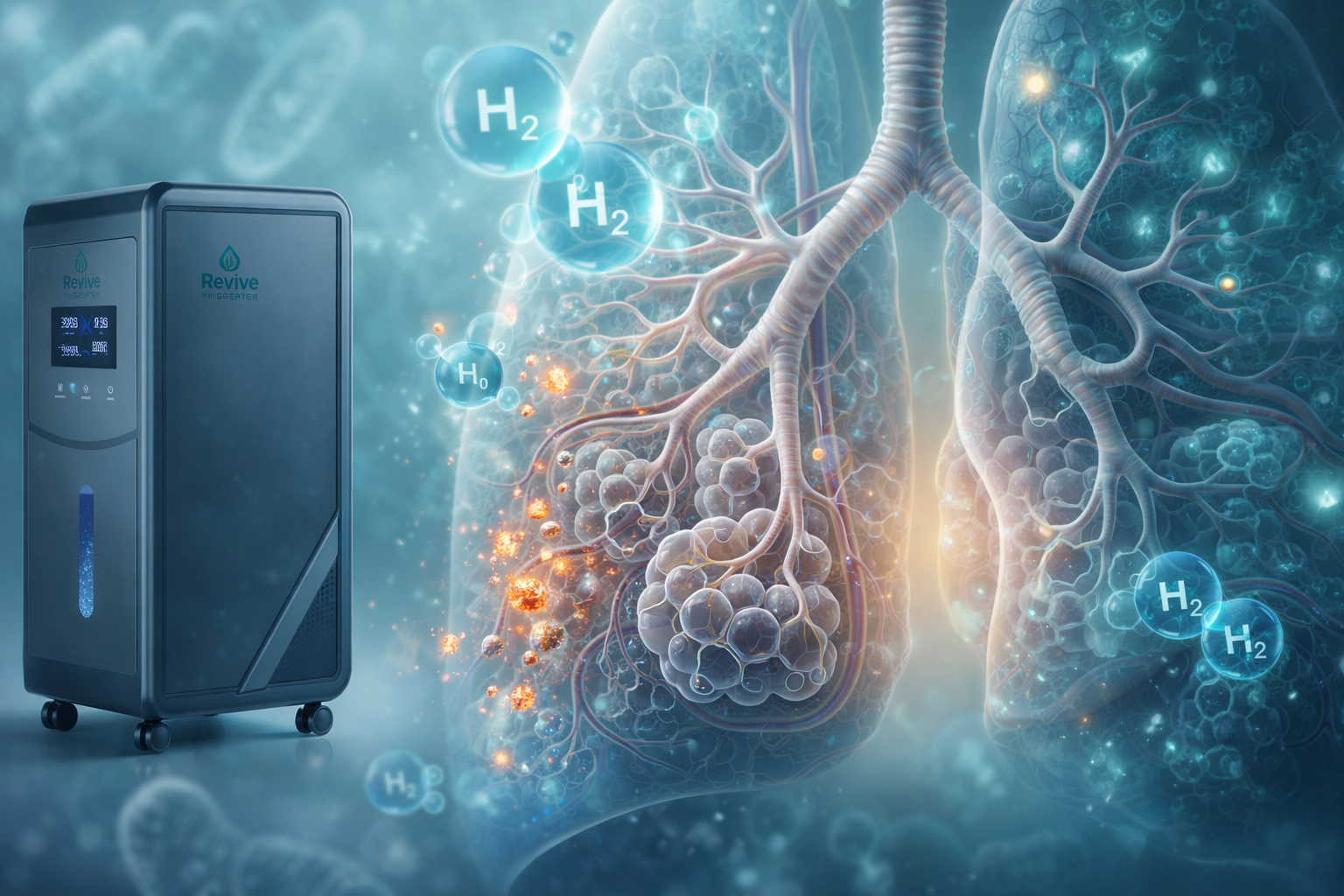
For individuals committed to evidence-based respiratory wellness and cellular health optimization, access to professional-grade hydrogen inhalation technology transforms abstract research into daily practice. Revive Hydrogen offers the Intelligent High-Flow Hydrogen Generator, engineered to deliver research-grade molecular hydrogen in a home or clinical setting. Utilizing PEM electrolysis with platinum-coated titanium electrodes and a DuPont N117 membrane, the system produces 99.992% pure molecular hydrogen—independently verified by accredited third-party laboratory analysis—at flow rates designed for therapeutic tissue saturation.
Available in three tiers (HYD-1500, HYD-1800, and HYD-3000), these generators provide total combined output ranging from 1,500 ml/min to 3,000 ml/min of pure hydrogen and oxygen, delivered via nasal cannula for effortless, passive inhalation. Unlike diluted hydrogen-air systems common in the consumer market, Revive Hydrogen generators produce separated, high-purity molecular hydrogen, ensuring optimal bioavailability and cellular penetration. With programmable session timers (30–480 minutes), UV-C water disinfection, dual-user capability, and up to eight hours of continuous operation, these units are designed for both individual wellness seekers and clinical practitioners.
Manufactured to CE and RoHS standards within an ISO 9001-certified quality management system and backed by a three-year limited warranty, the Revive Hydrogen Generator represents a commitment to precision, durability, and scientific integrity. Molecular hydrogen research continues to expand our understanding of selective antioxidant mechanisms, mitochondrial support, and inflammatory modulation—areas of investigation that hold promise for respiratory wellness, systemic recovery, and longevity optimization. By bringing this technology into your home, you gain the ability to engage with cutting-edge cellular health strategies on your own terms, supporting your body’s natural capacity for homeostatic balance and oxidative resilience through a simple, daily wellness practice grounded in peer-reviewed science.