

How High-Flow Hydrogen Inhalation Supports Respiratory Resilience
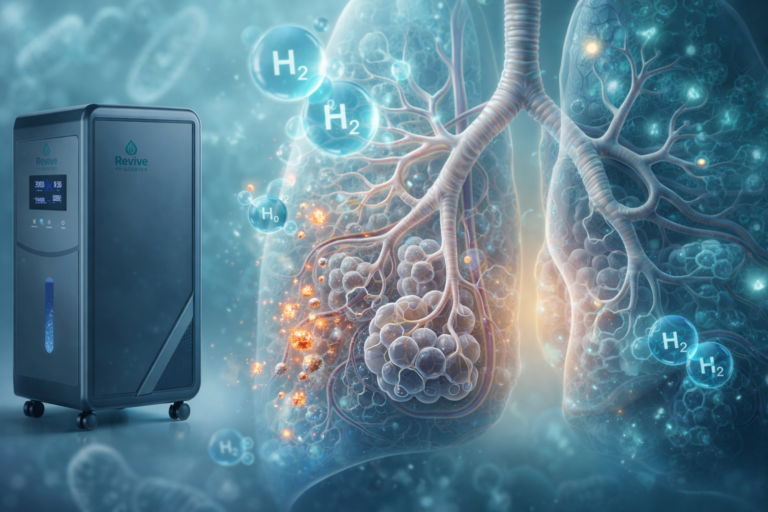
Your respiratory system operates under relentless oxidative stress. Every breath you take introduces reactive oxygen species into your airways and alveoli—a necessary byproduct of oxygen metabolism, but one that accumulates over time and degrades cellular integrity. Molecular hydrogen (H₂) delivered via high-output hydrogen inhalation generators offers a scientifically validated approach to restoring homeostatic balance in pulmonary tissue, supporting cellular resilience, and optimizing mitochondrial function at the source of oxidative pressure.
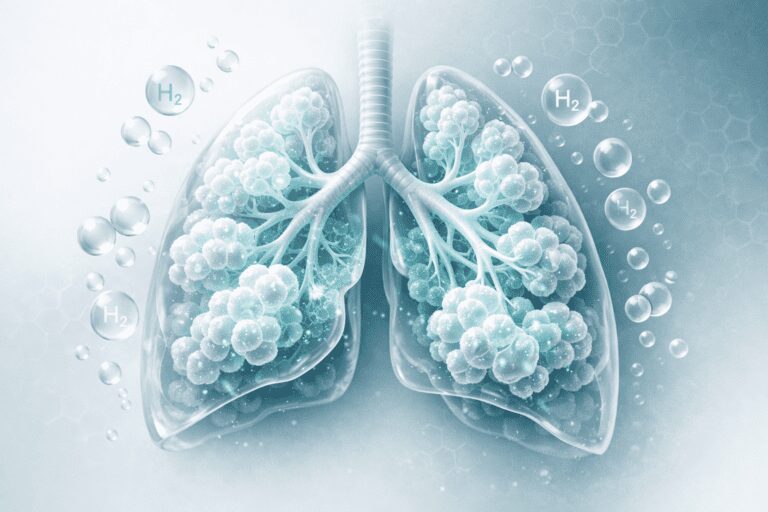
Unlike oral supplementation or hydrogen-enriched water, inhalation therapy provides direct, rapid systemic bioavailability. When inhaled at therapeutic concentrations, molecular hydrogen diffuses rapidly across alveolar membranes, saturates arterial blood, and reaches mitochondria-dense tissues within minutes. This passive, non-invasive modality is particularly relevant for individuals seeking to enhance respiratory recovery, support lung function during periods of environmental or physiological stress, and mitigate inflammation at the cellular level.
The Science of Selective Antioxidant Activity
Molecular hydrogen is not a broad-spectrum antioxidant—and that precision is what makes it powerful. H₂ functions as a selective neutralizer of the most cytotoxic reactive species: hydroxyl radicals (•OH) and peroxynitrite (ONOO⁻). These are the molecules responsible for lipid peroxidation, DNA fragmentation, and mitochondrial membrane damage. Crucially, molecular hydrogen does not interfere with beneficial signaling molecules like hydrogen peroxide, which play essential roles in immune modulation, cellular communication, and adaptive stress responses.
This selectivity allows hydrogen to reduce oxidative damage without disrupting redox homeostasis—a critical distinction from conventional antioxidants that can inadvertently suppress necessary oxidative signaling. In respiratory tissue, where inflammatory cascades and oxidative bursts are tightly regulated, this selective mechanism supports recovery without compromising immune vigilance or tissue repair processes.
How Molecular Hydrogen Reaches Pulmonary Tissue
When inhaled, molecular hydrogen bypasses the digestive system entirely. It crosses the blood-air barrier in the lungs with remarkable efficiency due to its small molecular size and lipophilic nature. Once in circulation, H₂ penetrates cell membranes, mitochondrial bilayers, and even the blood-brain barrier—reaching sites of oxidative stress that larger antioxidants cannot access. This makes inhalation the most direct route for targeting respiratory inflammation, bronchial reactivity, and alveolar oxidative load.
For individuals with compromised pulmonary function, chronic environmental exposure, or those in recovery from respiratory stressors, this delivery method offers unmatched bioavailability and tissue-level saturation.
Mitochondrial Optimization and Cellular Energy Production
Your mitochondria are the engines of cellular respiration, and they are also the primary sites of reactive oxygen species production. Under normal conditions, mitochondrial ROS production is balanced by endogenous antioxidant systems. But chronic inflammation, environmental toxins, aging, and metabolic stress can overwhelm these defenses, leading to mitochondrial dysfunction, impaired ATP synthesis, and accelerated cellular aging.
Molecular hydrogen supports mitochondrial health through multiple pathways. By reducing hydroxyl radical accumulation, H₂ protects mitochondrial DNA and membrane integrity. It also upregulates endogenous antioxidant enzymes—including superoxide dismutase (SOD), catalase, and glutathione peroxidase—through activation of the Nrf2 pathway, a master regulator of cellular defense. This dual action—direct radical scavenging and genomic upregulation of protective systems—creates a compounding effect that enhances long-term resilience.
In the context of respiratory health, mitochondrial optimization translates to improved oxygen utilization, enhanced cellular energy availability in bronchial and alveolar tissue, and faster recovery from oxidative injury.
Clinical Evidence and Respiratory Applications
Research into molecular hydrogen therapy has expanded rapidly over the past two decades, with over 1,500 peer-reviewed studies documenting its effects across a range of physiological systems. In respiratory medicine, studies have demonstrated hydrogen’s capacity to:
- Reduce markers of systemic inflammation including IL-6, TNF-α, and CRP in populations exposed to oxidative lung stress
- Support mucociliary clearance and airway hydration by modulating inflammatory cytokine cascades
- Enhance oxygen saturation and reduce subjective dyspnea in controlled trials involving compromised pulmonary function
- Mitigate exercise-induced oxidative stress in athletic populations, supporting faster recovery and sustained performance
- Protect against environmental oxidative insults such as particulate matter, ozone, and volatile organic compounds
These outcomes are not incidental. They reflect hydrogen’s ability to intervene at the molecular level—where oxidative damage begins—and to do so without disrupting the delicate signaling networks that govern immune function and tissue repair.
Why High-Flow Generation Matters
Therapeutic efficacy is dose-dependent. Low-concentration hydrogen water or under-powered inhalation devices may provide minimal tissue saturation and limited systemic impact. Professional-grade hydrogen inhalation generators produce H₂ at concentrations sufficient to achieve measurable blood saturation and sustained cellular exposure—typically in the range of 2–4% inhaled concentration, delivered over 30–90 minute sessions.
High-output systems ensure that hydrogen reaches not only the lungs, but circulates systemically to support whole-body mitochondrial function, neurological resilience, and metabolic health. For respiratory applications specifically, consistent, high-flow delivery is essential to saturate inflamed or compromised tissue and achieve meaningful oxidative stress mitigation.
Integrating Hydrogen Therapy into a Wellness Protocol
Molecular hydrogen is not a pharmaceutical intervention—it is a biologically compatible gas that supports the body’s intrinsic repair and defense systems. As such, it integrates seamlessly into holistic wellness protocols focused on longevity, recovery, and performance optimization.
Daily or semi-daily hydrogen inhalation sessions can be used proactively to reduce baseline oxidative load, support respiratory function during seasonal or environmental challenges, and enhance recovery following physical exertion or metabolic stress. The modality is non-stimulating, non-sedating, and free of known adverse effects at therapeutic concentrations, making it suitable for long-term use across diverse populations.
When combined with other evidence-based practices—nutrient-dense nutrition, restorative sleep, movement, and stress modulation—hydrogen inhalation becomes a force multiplier, enhancing cellular resilience at the foundational level.
Related reading: Hydrogen and Pulmonary Support · Hydrogen Inhalation for Wellness (Lung Health)
New to hydrogen inhalation? Download our free Beginner’s Guide to Hydrogen Inhalation for a plain-language primer on what H₂ is, how inhalation works, and how to choose a generator.
Bring This Technology Home
Achieving therapeutic hydrogen saturation requires more than occasional exposure. It demands consistent access to high-output, clinically validated technology designed for home and professional use. Revive Hydrogen offers a premium hydrogen inhalation generator engineered to deliver hospital-grade H₂ concentrations with reliability, safety, and ease of use. Built for discerning wellness practitioners, athletes, and health-conscious individuals, the Revive system provides the flow rates and purity standards necessary to support true respiratory resilience and whole-body mitochondrial optimization. Explore the science, experience the difference, and invest in your cellular future.