
Why Maintenance Is the Foundation of Molecular Hydrogen Therapy
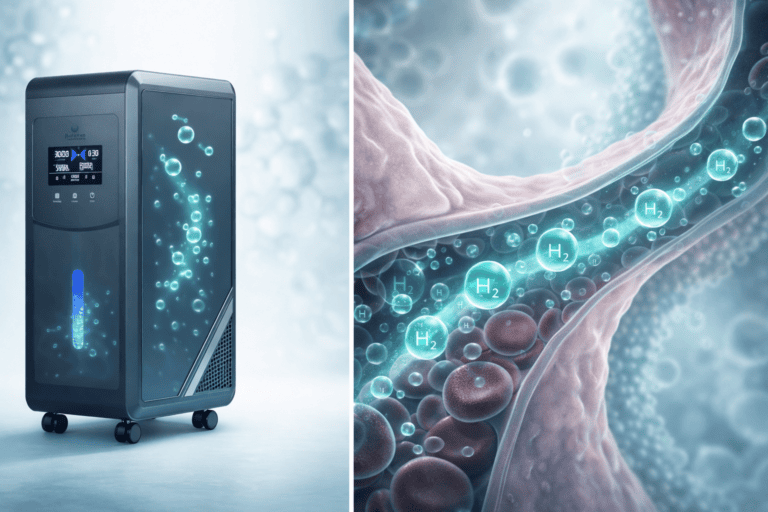
A high-output hydrogen generator is a precision medical-wellness instrument, not an appliance you can set and forget. Proper hydrogen generator maintenance ensures consistent purity, optimal flow rates, and the reliable delivery of molecular hydrogen (H₂) to your cells—where it functions as a selective antioxidant, neutralizing highly toxic hydroxyl radicals (•OH) and peroxynitrite (ONOO⁻) while preserving beneficial signaling molecules like hydrogen peroxide. Without disciplined maintenance protocols, even the most advanced PEM (Proton Exchange Membrane) electrolysis system will degrade in performance, compromising both hardware longevity and the therapeutic potential of your sessions.
This guide presents a comprehensive, research-informed maintenance framework for professional-grade hydrogen inhalation generators, covering daily routines, deep cleaning intervals, consumable replacement schedules, and troubleshooting strategies that preserve 99.99%+ hydrogen purity and safeguard your investment in cellular health.
Understanding PEM Electrolysis: Why Purity Demands Precision Maintenance
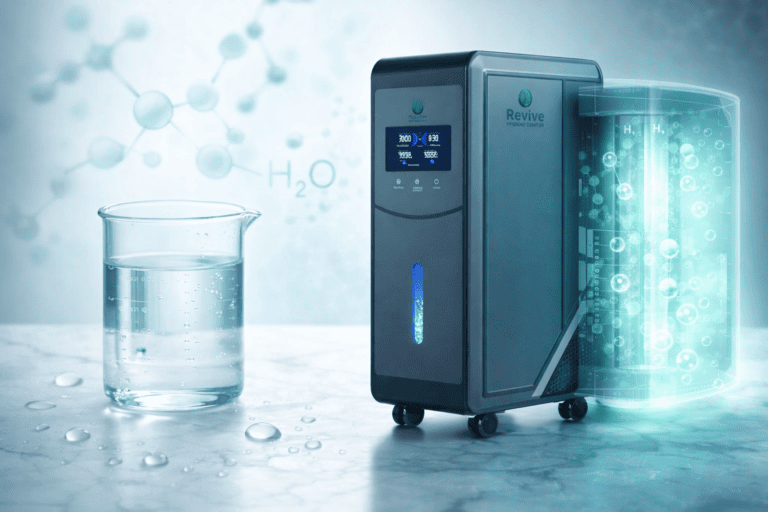
Modern hydrogen generators utilize PEM electrolysis to split distilled water into pure molecular hydrogen and oxygen. A proton exchange membrane—typically a DuPont Nafion or equivalent polymer—separates the cathode and anode chambers. Platinum-coated titanium electrodes drive the reaction. This architecture produces hydrogen at extraordinary purity levels (99.992% in laboratory-verified systems), but only when three variables remain constant: water quality, membrane integrity, and electrode cleanliness.
Contaminants in source water—minerals, chlorine, organic residues—accumulate on electrode surfaces, forming insulating layers that increase electrical resistance, reduce output flow, and introduce impurities into the hydrogen stream. Over time, these deposits can pit platinum coatings, damage the membrane, and compromise the selective antioxidant activity that makes molecular hydrogen so valuable for mitochondrial optimization and oxidative stress mitigation.
The Selective Antioxidant Mechanism
Molecular hydrogen is unique among antioxidants. It does not indiscriminately scavenge all reactive oxygen species (ROS). Instead, it selectively reduces the most cytotoxic radicals—hydroxyl radicals and peroxynitrite—while leaving hydrogen peroxide and superoxide intact. These “signaling ROS” are essential for immune function, cellular communication, and hormetic stress responses. This selectivity preserves homeostatic balance while mitigating oxidative damage at the mitochondrial level, a mechanism documented in over 1,600 peer-reviewed studies.
But this elegant biochemistry depends entirely on hydrogen purity. Contaminated gas streams introduce variables that can alter cellular interactions and diminish therapeutic efficacy. Maintenance is not cosmetic—it is biochemical insurance.
Daily, Weekly, and Monthly Hydrogen Generator Maintenance Protocols
A structured maintenance cadence prevents problems before they arise. These protocols apply to professional-grade, high-flow hydrogen generators designed for clinical and home use.
Daily Maintenance (Post-Session)
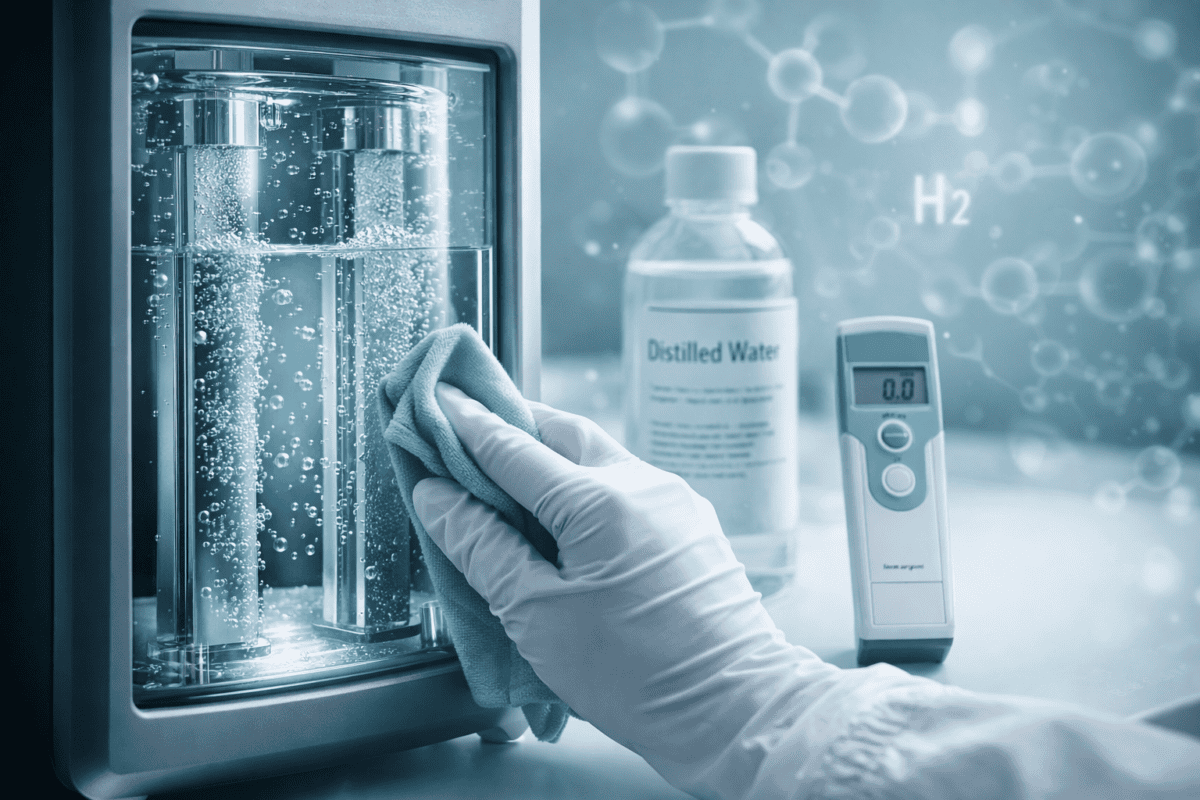
- Water reservoir inspection: Check for sediment, discoloration, or odor. Even high-purity distilled water can collect airborne particles.
- Drain residual water: If your generator lacks auto-drain, manually empty the reservoir after each session to prevent bacterial biofilm formation.
- Nasal cannula hygiene: Wipe cannula prongs with 70% isopropyl alcohol. Replace cannulas every 30 days or sooner if discoloration occurs.
- Visual electrode check: If accessible, inspect electrodes for visible deposits or discoloration. Early detection prevents efficiency loss.
Weekly Maintenance
- Deep reservoir cleaning: Disassemble and wash the water tank with distilled water and a soft brush. Avoid soaps or detergents—residues can contaminate electrolysis.
- UV-C module verification: If your unit includes UV-C water disinfection, confirm the lamp cycles on. UV-C output degrades over time; replacement is typically required every 8,000–10,000 hours.
- Tubing inspection: Check for condensation, kinks, or microbial growth. Replace silicone tubing every 6–12 months depending on session frequency.
Monthly Maintenance
- Electrode descaling: Run a diluted citric acid solution (5% concentration) through the system if your manufacturer permits chemical cleaning. Follow with three distilled water rinse cycles. This dissolves mineral scale without damaging platinum coatings.
- Membrane integrity test: Monitor output flow rates. A 10% or greater drop from baseline suggests membrane fouling or degradation.
- Filter replacement: If your generator includes inline air or water filters, replace per manufacturer specifications—typically every 500–1,000 operating hours.
Water Quality: The Single Most Critical Maintenance Variable
Hydrogen generator maintenance begins before you power on the device. Source water quality determines electrode lifespan, hydrogen purity, and long-term reliability.
Why Distilled Water Is Non-Negotiable
PEM electrolysis requires distilled or deionized water with total dissolved solids (TDS) below 5 ppm. Tap water, filtered water, and even reverse osmosis water contain minerals (calcium, magnesium, sodium) that deposit on electrodes and membranes, forming hard scale that reduces efficiency and contaminates the hydrogen stream.
Use only pharmaceutical-grade distilled water. Store it in closed containers to prevent atmospheric CO₂ dissolution, which lowers pH and increases ionic conductivity—both undesirable for electrolysis.
Monitoring TDS and Conductivity
Invest in a handheld TDS meter (cost: $15–$30). Test your source water before each refill. If TDS exceeds 5 ppm, discard and source new distilled water. This simple habit prevents 90% of maintenance issues.
Troubleshooting Common Maintenance-Related Issues
Even with diligent care, operational anomalies occur. Recognizing symptoms early prevents costly repairs.
Reduced Flow Rate
Symptom: Hydrogen output drops below rated specification (e.g., 1,000 ml/min H₂ falls to 800 ml/min).
Cause: Electrode scaling, membrane fouling, or low water level.
Solution: Perform citric acid descaling. If flow does not recover, membrane replacement may be required—typically a manufacturer service procedure.
Unusual Odor or Taste
Symptom: Hydrogen gas has a metallic or chemical odor (pure H₂ is odorless).
Cause: Bacterial contamination in reservoir, degraded tubing, or electrode corrosion.
Solution: Deep-clean reservoir with 3% hydrogen peroxide solution, replace all tubing, and test water source TDS. If odor persists, electrodes may require professional cleaning or replacement.
Error Codes or Alarm Indicators
Symptom: Unit displays fault codes or shuts down mid-session.
Cause: Overheating, low water level sensor malfunction, or electrical fault.
Solution: Consult your user manual for code definitions. Most errors resolve with a power cycle and reservoir refill. Persistent faults require manufacturer support.
Long-Term Care: Warranty Protection and Professional Servicing
High-output hydrogen generators are engineered for thousands of hours of operation, but component wear is inevitable. Membranes, electrodes, and UV lamps are consumables with finite lifespans.
Choose a generator backed by a comprehensive warranty covering defects in materials and workmanship. A 3-year limited warranty is standard for professional-grade systems. Keep detailed maintenance logs—many warranties require proof of proper care for claims processing.
Schedule annual professional servicing if your unit supports high-volume clinical use (4+ hours daily). Factory-certified technicians can measure hydrogen purity with gas chromatography, inspect internal components, and replace consumables before failure occurs.
Bring This Technology Home
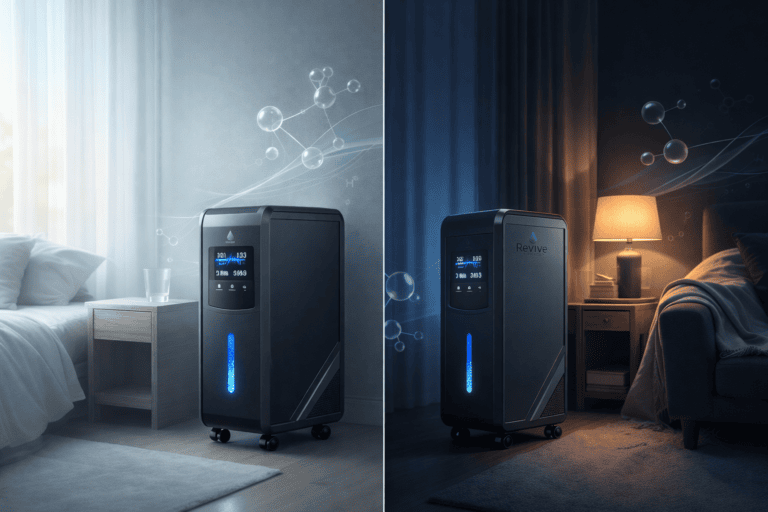
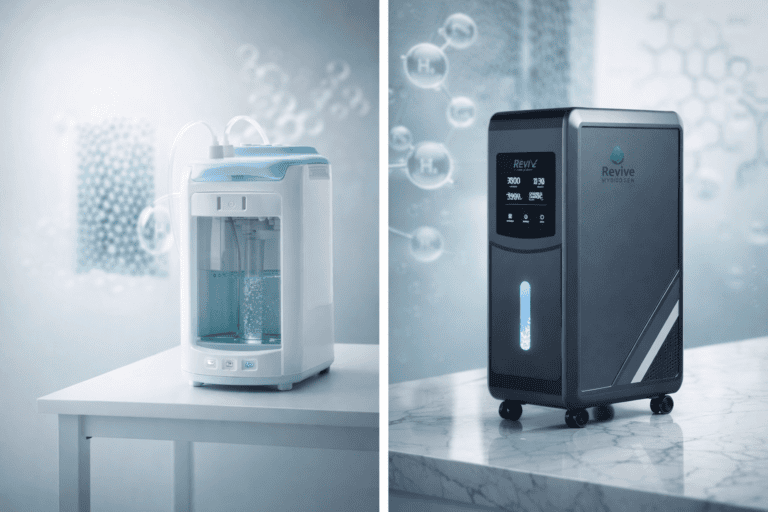
If you are committed to molecular hydrogen therapy for mitochondrial health, oxidative stress management, and long-term wellness, your choice of generator will determine both efficacy and maintenance burden. Revive Hydrogen offers the Intelligent High-Flow Hydrogen Generator line—built on PEM electrolysis with platinum-coated titanium electrodes and DuPont N117 membranes. These systems deliver 99.992% hydrogen purity, independently verified by accredited third-party laboratories, at flow rates up to 2,000 ml/min H₂ (HYD-3000 model). With integrated UV-C water disinfection, session timers up to 8 hours, and a 3-year limited warranty, these generators are engineered for minimal-maintenance, maximum-reliability operation in both home and clinical environments.
Molecular hydrogen research continues to expand across cellular biology, athletic recovery, and longevity science. By selecting a professionally manufactured system and adhering to evidence-based maintenance protocols, you ensure that every inhalation session delivers the selective antioxidant power your cells require—session after session, year after year.