

The Science of High-Flow Hydrogen Inhalation for Athletic Recovery
Elite athletes understand that recovery is not simply rest—it’s an active biochemical process demanding precision, optimization, and cutting-edge intervention. As training intensity escalates and performance margins narrow, the cellular aftermath of exertion—oxidative stress, mitochondrial strain, and inflammatory signaling—becomes the limiting factor separating peak performance from plateau. Emerging research into hydrogen inhalation for wellness has revealed a sophisticated pathway: molecular hydrogen (H₂) acts as a selective antioxidant, precisely neutralizing the most destructive reactive oxygen species while preserving the beneficial signaling molecules essential for adaptation. When delivered via high-flow inhalation, H₂ saturates tissues systemically, offering a passive, non-invasive approach to cellular recovery that complements—and may amplify—traditional recovery protocols.
Understanding Oxidative Stress and the Athletic Recovery Challenge
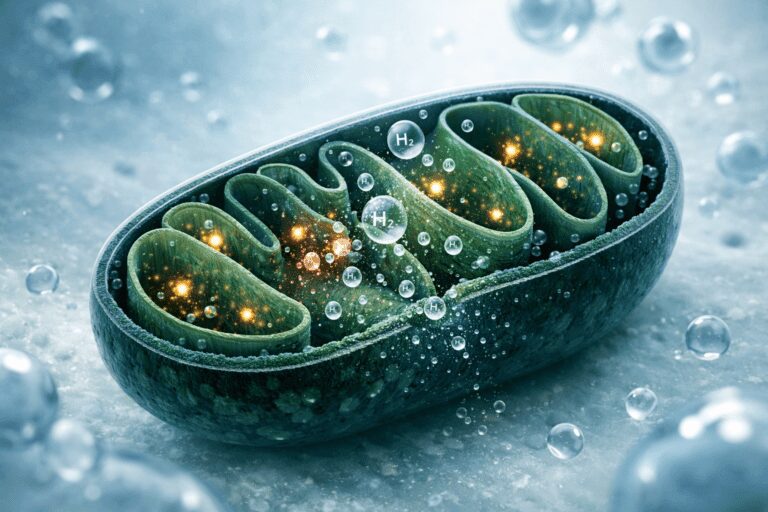
Intense physical exertion triggers a cascade of metabolic events. Mitochondria—the cellular powerhouses—ramp up ATP production to meet energy demands, inevitably generating reactive oxygen species (ROS) as metabolic byproducts. Under normal conditions, ROS serve critical roles in cellular signaling, immune function, and adaptation. However, during high-intensity or prolonged exercise, ROS production outpaces endogenous antioxidant capacity, tipping the balance toward oxidative stress.
This imbalance manifests in several ways: lipid peroxidation damages cell membranes, protein oxidation impairs enzymatic function, and mitochondrial DNA sustains oxidative hits that compromise energy production. The result is delayed recovery, prolonged muscle soreness, diminished performance readiness, and—over time—accumulated cellular wear that may hinder long-term athletic longevity.
Traditional antioxidant supplementation has shown mixed results. High-dose vitamin C and E, for example, can blunt beneficial ROS signaling required for training adaptations, a phenomenon known as antioxidant interference. The challenge, then, is to mitigate harmful oxidative damage without suppressing the physiological signals that drive strength, endurance, and mitochondrial biogenesis.
Molecular Hydrogen as a Selective Antioxidant: The Biochemical Advantage
Molecular hydrogen distinguishes itself through selectivity. Unlike broad-spectrum antioxidants, H₂ specifically targets the hydroxyl radical (•OH) and peroxynitrite (ONOO⁻)—two of the most cytotoxic ROS implicated in oxidative injury. Hydroxyl radicals, generated during periods of intense metabolic flux, react indiscriminately with cellular components, causing irreversible damage. Peroxynitrite, formed from the reaction of superoxide and nitric oxide, disrupts mitochondrial function and triggers inflammatory pathways.
Critically, molecular hydrogen does not neutralize hydrogen peroxide (H₂O₂) or superoxide (O₂⁻), both of which serve essential roles in redox signaling, immune surveillance, and exercise-induced adaptation. By selectively scavenging only the most harmful radicals, H₂ preserves homeostatic balance—reducing oxidative damage while allowing beneficial oxidative signaling to proceed unimpeded.
This selectivity is rooted in thermodynamics and reaction kinetics. The hydroxyl radical is exceptionally reactive, with a half-life measured in nanoseconds. Molecular hydrogen, despite its small size and relative inertness, reacts preferentially with •OH due to favorable energetics, forming water as a benign byproduct. This mechanism underpins the therapeutic rationale for hydrogen inhalation for wellness: targeted oxidative stress mitigation without collateral suppression of adaptive signaling.
High-Flow Inhalation: Superior Delivery for Systemic Tissue Saturation
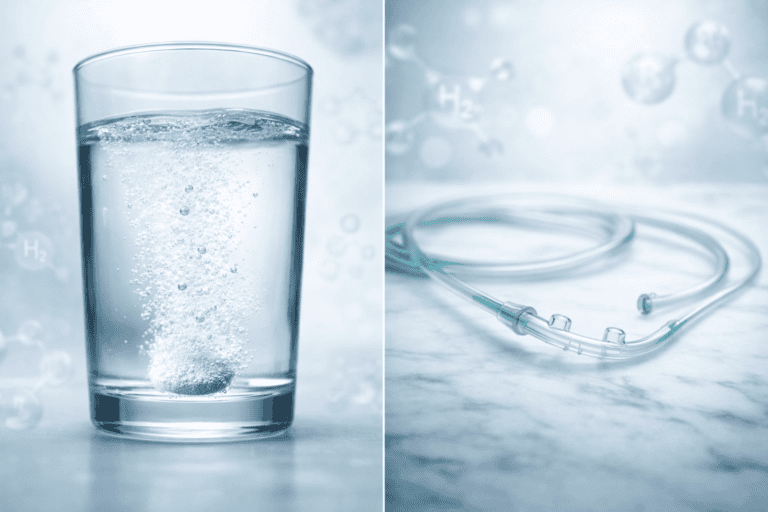
The method of hydrogen delivery fundamentally determines therapeutic efficacy. While hydrogen-rich water has garnered attention, inhalation offers distinct advantages for systemic and rapid tissue saturation. When inhaled, molecular hydrogen diffuses across the alveolar-capillary membrane, enters the bloodstream, and distributes throughout the body within minutes. Its small molecular size and lipophilic properties enable it to cross the blood-brain barrier, penetrate mitochondrial membranes, and reach intracellular compartments inaccessible to larger antioxidants.
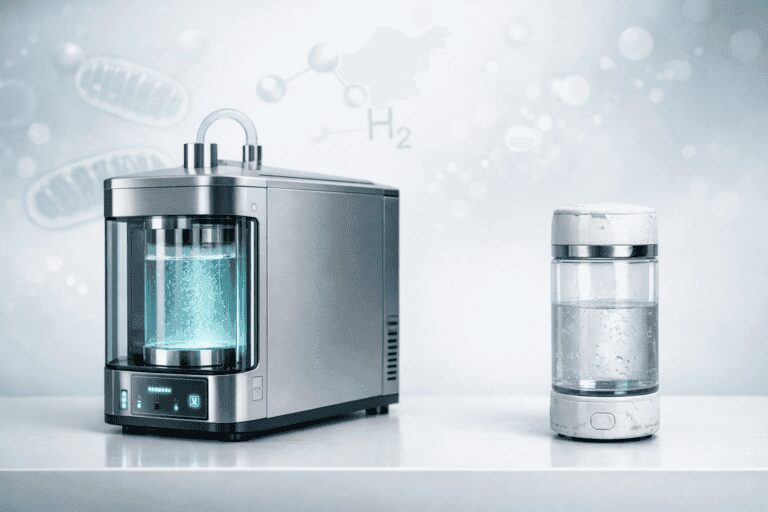
Achieving meaningful tissue concentration, however, requires high-output hydrogen generation. Low-flow devices or diluted hydrogen-air mixtures—common in consumer-grade systems—deliver insufficient quantities to achieve the tissue saturation observed in clinical and preclinical studies. Professional-grade hydrogen generators utilize PEM (Proton Exchange Membrane) electrolysis to produce high-purity H₂ at flow rates conducive to therapeutic exposure.
For athletes, this means passive, hands-free recovery sessions that integrate seamlessly into post-training routines. Inhalation via nasal cannula allows multitasking—foam rolling, stretching, or simple rest—while molecular hydrogen circulates systemically, supporting cellular repair and oxidative balance. Sessions typically range from 30 to 90 minutes, aligning with evidence-based protocols used in research settings.
Key Cellular and Physiological Benefits for Athletic Recovery
- Mitochondrial optimization: H₂ supports mitochondrial membrane integrity and function, preserving ATP production capacity and reducing oxidative burden on the electron transport chain.
- Inflammatory modulation: By reducing peroxynitrite and downstream NF-κB activation, molecular hydrogen may help attenuate excessive inflammatory signaling without suppressing acute, beneficial inflammation necessary for tissue remodeling.
- Lactate clearance and metabolic recovery: Preliminary evidence suggests H₂ may influence lactate metabolism and support faster return to baseline metabolic status post-exertion.
- Muscle soreness and perceived recovery: Multiple studies have documented reductions in delayed-onset muscle soreness (DOMS) and improvements in subjective recovery markers following hydrogen-rich interventions.
- Redox homeostasis: By selectively neutralizing toxic radicals, H₂ helps maintain the delicate redox balance essential for adaptive signaling, gene expression, and long-term cellular health.
Evidence-Based Wellness: Positioning Hydrogen Inhalation in Athletic Practice
While the body of research on molecular hydrogen continues to expand, current evidence positions H₂ as a promising adjunct for recovery optimization, not a replacement for foundational practices like sleep, nutrition, and periodization. Studies in athletes have explored hydrogen-rich water and inhalation protocols, with outcomes including reduced oxidative biomarkers, improved performance metrics, and faster recovery kinetics.
It is essential to frame these findings within the context of wellness and performance optimization, not disease treatment. Molecular hydrogen does not cure injury, reverse pathology, or eliminate the need for evidence-based recovery modalities. Rather, it offers a biochemically sophisticated tool to support the body’s endogenous repair mechanisms, reduce unnecessary oxidative burden, and maintain cellular homeostasis under metabolic stress.
For high-performing athletes, the margin between personal best and podium finish often lies in recovery quality. Integrating hydrogen inhalation for wellness into a comprehensive recovery strategy—alongside hydration, refueling, soft tissue work, and restorative sleep—represents a forward-thinking approach grounded in cellular biology and oxidative physiology.
Bring This Technology Home
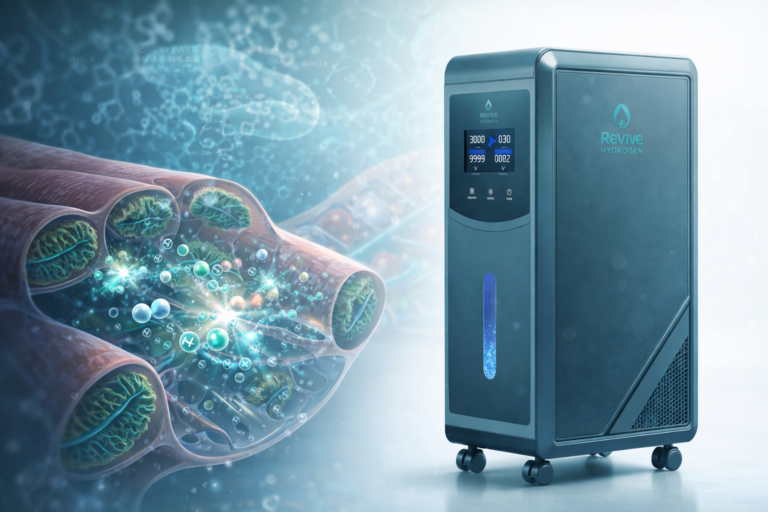
Translating clinical-grade hydrogen therapy into daily athletic practice requires equipment that meets rigorous standards for purity, output, and reliability. Revive Hydrogen offers the Intelligent High-Flow Hydrogen Generator, engineered for serious athletes, wellness practitioners, and performance-focused individuals who demand precision and efficacy.
Built with PEM electrolysis technology, platinum-coated titanium electrodes, and a DuPont N117 membrane, the Revive Hydrogen system produces molecular hydrogen at 99.992% purity—independently verified by accredited third-party laboratory analysis. Available in three flow tiers—HYD-1500, HYD-1800, and HYD-3000—these generators deliver up to 2000 ml/min of pure H₂, enabling deep tissue saturation and systemic distribution in every session.
Unlike diluted hydrogen-air mixtures common in consumer devices, Revive Hydrogen generators produce separated, high-concentration molecular hydrogen and oxygen, delivered via included nasal cannula for passive, comfortable inhalation. Session timers range from 30 to 480 minutes, supporting flexible integration into training and recovery schedules. Dual-user capability allows shared sessions, making the technology accessible for teams, families, or clinical settings.
Manufactured to CE and RoHS standards within an ISO 9001-certified quality management system, and backed by a 3-year limited warranty, Revive Hydrogen represents a commitment to engineering excellence and long-term reliability. Based in Dry Ridge, Kentucky, and available exclusively online, Revive Hydrogen brings laboratory-grade hydrogen technology into your home or training facility—no prescriptions, no intermediaries, just direct access to evidence-informed wellness innovation.
Explore the full product line and technical specifications at Revive Hydrogen, and take the next step in cellular recovery optimization.