
Understanding Hydrogen Generator Lifespan: What Professional Users Need to Know
When investing in professional-grade hydrogen inhalation technology, one question dominates the decision-making process: how long will this equipment actually last? The hydrogen generator lifespan isn’t just a matter of warranties and replacement schedules—it’s a critical factor that determines cost-effectiveness, reliability for clinical or home wellness protocols, and the long-term viability of integrating molecular hydrogen therapy into your health optimization strategy. For practitioners, athletes, and wellness-focused individuals committed to evidence-based interventions, understanding the durability and longevity of these systems is essential before making what represents a significant equipment investment.
Professional hydrogen generators utilize sophisticated electrochemical processes to produce therapeutic concentrations of molecular hydrogen (H₂), a selective antioxidant with unique biochemical properties. Unlike broad-spectrum antioxidants that indiscriminately neutralize all reactive oxygen species—including beneficial signaling molecules—molecular hydrogen specifically targets the most cytotoxic oxidative stressors: hydroxyl radicals (•OH) and peroxynitrite (ONOO⁻). This selectivity allows H₂ to mitigate oxidative damage at the mitochondrial level while preserving the hydrogen peroxide and superoxide necessary for cellular communication, immune function, and adaptive stress responses. The result is a more nuanced approach to oxidative stress management that supports homeostatic balance rather than disrupting it.
Core Technology: What Determines Professional Generator Longevity
The hydrogen generator lifespan hinges primarily on the quality and design of its core electrolysis system. Professional units employ PEM (Proton Exchange Membrane) technology, which separates pure hydrogen from oxygen through the electrolysis of distilled water. This process relies on several critical components, each with its own durability profile and maintenance requirements.
The Electrode Assembly: Foundation of Durability
At the heart of every professional hydrogen generator lies the electrode assembly—typically platinum-coated titanium plates that facilitate the splitting of water molecules into constituent gases. The quality of this platinum coating directly impacts longevity. Industrial-grade generators designed for continuous clinical or home use feature thick, uniformly applied platinum layers that resist degradation even after thousands of hours of operation. Inferior systems with thin or unevenly applied coatings experience accelerated wear, leading to decreased hydrogen output purity and eventual system failure.
The membrane itself—such as the DuPont N117 specification used in premium systems—represents another longevity determinant. This specialized polymer must maintain ionic conductivity while preventing gas crossover between the hydrogen and oxygen chambers. High-quality membranes manufactured to exacting standards can endure years of continuous operation without significant performance degradation, while substandard membranes may fail within months of intensive use.
Water Quality and System Maintenance
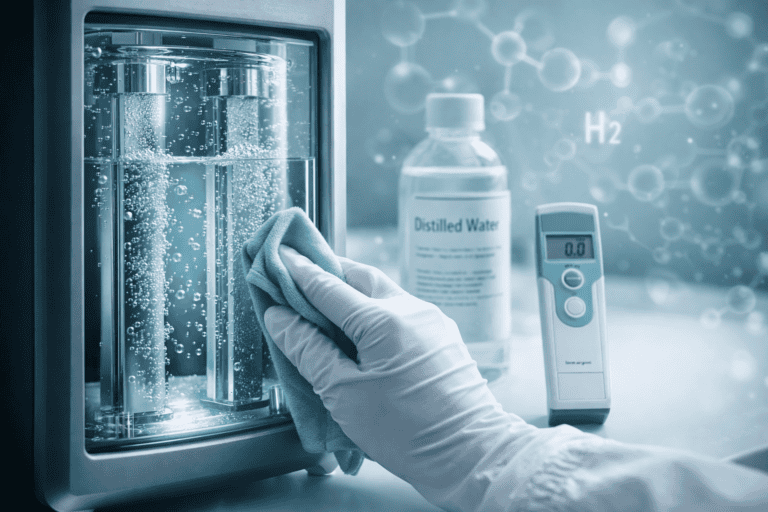
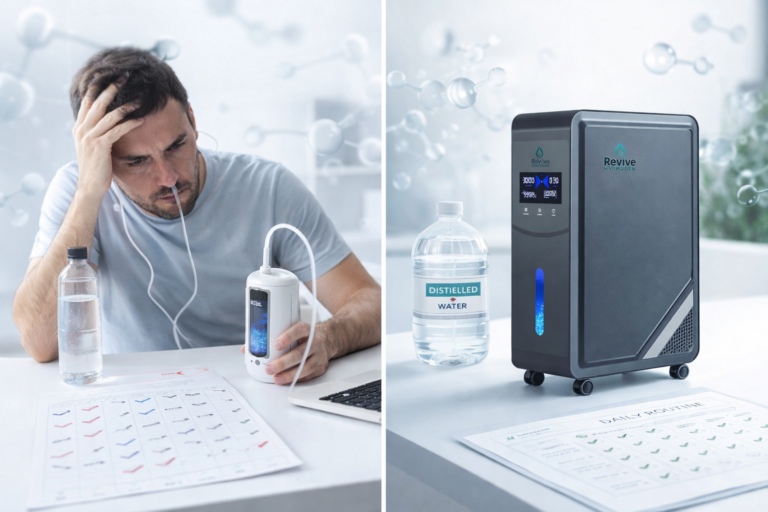
Perhaps the most significant factor affecting hydrogen generator lifespan remains under the user’s direct control: water quality and maintenance protocols. Professional systems require distilled or deionized water to prevent mineral accumulation on electrode surfaces and membrane fouling. Tap water, even when filtered, contains dissolved solids that progressively coat electrodes, reducing efficiency and accelerating component wear.
Advanced generators incorporate UV-C water disinfection systems that prevent bacterial and algal growth within the water reservoir and circulation pathways. This feature extends operational lifespan by preventing biofilm formation that can compromise both hydrogen purity and system components. Regular draining, cleaning, and fresh water replacement—combined with periodic disinfection cycles—can extend a professional generator’s functional life by years compared to neglected units.
Expected Lifespan Ranges: From Entry-Level to Professional Grade
The hydrogen generator lifespan varies dramatically across quality tiers and usage intensity. Understanding these ranges helps set realistic expectations and informs purchase decisions.
Consumer-Grade Systems (1-3 Years)
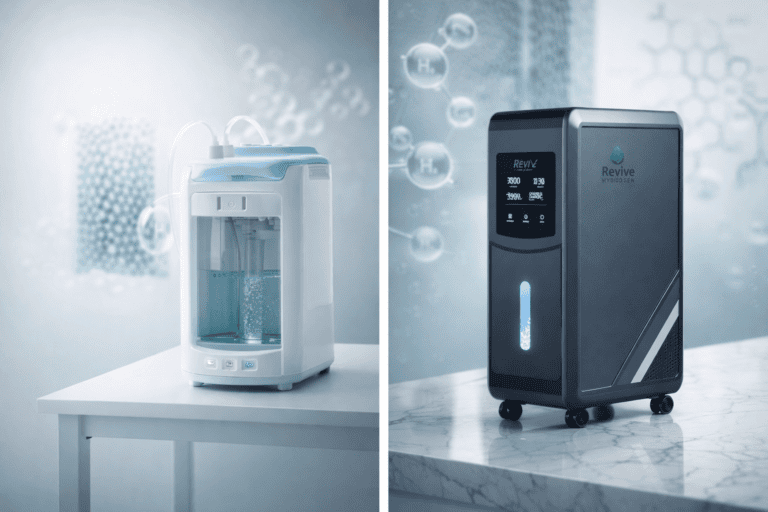
Entry-level hydrogen water bottles and basic inhalation devices typically deliver 1,000-3,000 hours of operation before experiencing significant performance decline. With daily use of 30-60 minutes, this translates to approximately 1-3 years of functional life. These systems often feature lower-grade electrode materials, minimal water purification, and limited overheating protection—factors that accelerate component degradation.
Professional-Grade Systems (5-10+ Years)
Professional hydrogen generators engineered for clinical settings, wellness centers, and serious home users demonstrate substantially longer operational lifespans. With proper maintenance protocols, these systems routinely deliver 10,000-30,000+ hours of hydrogen production. Daily sessions of 60-120 minutes translate to 5-10 years of reliable service, with many units continuing to operate effectively well beyond this range.
The differentiating factors include:
- Thermal management systems: Sophisticated cooling mechanisms prevent overheating during extended sessions, protecting sensitive membrane and electrode components from heat-induced degradation.
- High-purity materials: Premium platinum coatings, medical-grade tubing, and corrosion-resistant housings resist the cumulative effects of continuous electrolysis reactions.
- Intelligent operational controls: Automated water level monitoring, flow rate regulation, and shutdown protection prevent damage from operational errors.
- Manufacturing standards: Units produced under ISO 9001-certified quality management systems and tested to CE and RoHS standards demonstrate consistent build quality that translates directly to extended lifespan.
Maximizing Your Investment: Lifespan Extension Strategies
Even the most robust professional hydrogen generator requires conscientious care to achieve its maximum operational lifespan. Implementation of systematic maintenance practices distinguishes systems that operate flawlessly for a decade from those requiring premature component replacement.
Water Purity Protocols
Exclusive use of distilled water represents the single most impactful lifespan-extension measure. Distillation removes the dissolved minerals, chlorine, fluoride, and organic compounds that accumulate on electrodes and within membrane structures. Users committed to optimal system longevity establish dedicated distilled water supplies and never compromise with filtered tap water, even in emergency situations.
Regular Maintenance Schedules
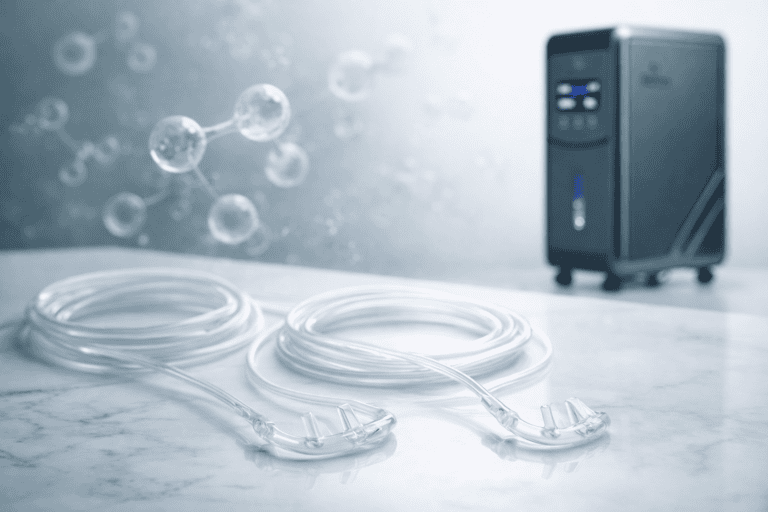
Professional-grade systems benefit from structured maintenance intervals. Complete water reservoir drainage and cleaning every 1-2 weeks prevents biofilm establishment and removes any accumulated particulates. Monthly inspection of nasal cannulas, connection points, and tubing ensures no degradation compromises hydrogen purity or flow rates. Quarterly deep cleaning of the water circulation system using manufacturer-recommended protocols removes mineral traces that escape initial filtration.
Optimal Operating Conditions
Environmental factors significantly influence hydrogen generator lifespan. Operating in climate-controlled environments between 60-80°F (15-27°C) prevents temperature extremes that stress electronic components and accelerate membrane degradation. Adequate ventilation around the unit ensures proper cooling during extended sessions. Placement on stable, level surfaces prevents internal component stress and fluid distribution issues.
The Inhalation Advantage: Why Delivery Method Impacts Longevity Considerations
Understanding why serious practitioners choose inhalation over hydrogen water consumption illuminates why investing in durable, high-output generators makes physiological and economic sense. While hydrogen-enriched water provides localized gastrointestinal benefits, achieving therapeutic tissue saturation throughout the body—particularly in the brain, cardiovascular system, and deep tissues—requires the systemic delivery that only inhalation provides.
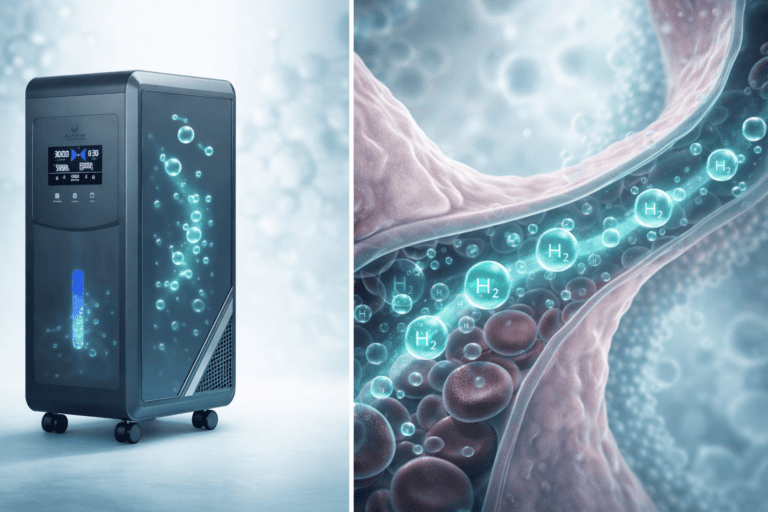
Molecular hydrogen’s exceptional bioavailability via pulmonary absorption allows rapid distribution throughout the bloodstream and penetration across the blood-brain barrier. This systemic availability means H₂ molecules reach mitochondria in every organ system, where they exert their selective antioxidant effects at the subcellular level. The research demonstrates that inhalation delivers significantly higher tissue concentrations compared to water ingestion, making high-output professional generators essential for individuals seeking meaningful cellular and mitochondrial optimization.
This therapeutic requirement means that professional users need generators capable of sustained, high-volume hydrogen production—specifications that demand robust component engineering. The correlation is direct: systems designed for therapeutic inhalation protocols must be built to professional durability standards, making hydrogen generator lifespan a critical selection criterion rather than a peripheral consideration.
Warranty Coverage and Long-Term Support
Professional hydrogen generator manufacturers typically offer comprehensive warranty protection that reflects their confidence in system longevity. Standard coverage ranges from 1-3 years for quality systems, with some manufacturers extending protection for specific components known to endure beyond typical warranty periods.
A robust 3-year limited warranty covering defects in materials and workmanship provides essential peace of mind for significant equipment investments. This coverage typically includes electrode assembly replacement, membrane failure, and electronic control system malfunctions—the components most likely to require service during the initial operational years. Beyond warranty periods, availability of replacement parts and responsive technical support determines whether a generator can be maintained and repaired economically or requires complete replacement.
Bring This Technology Home
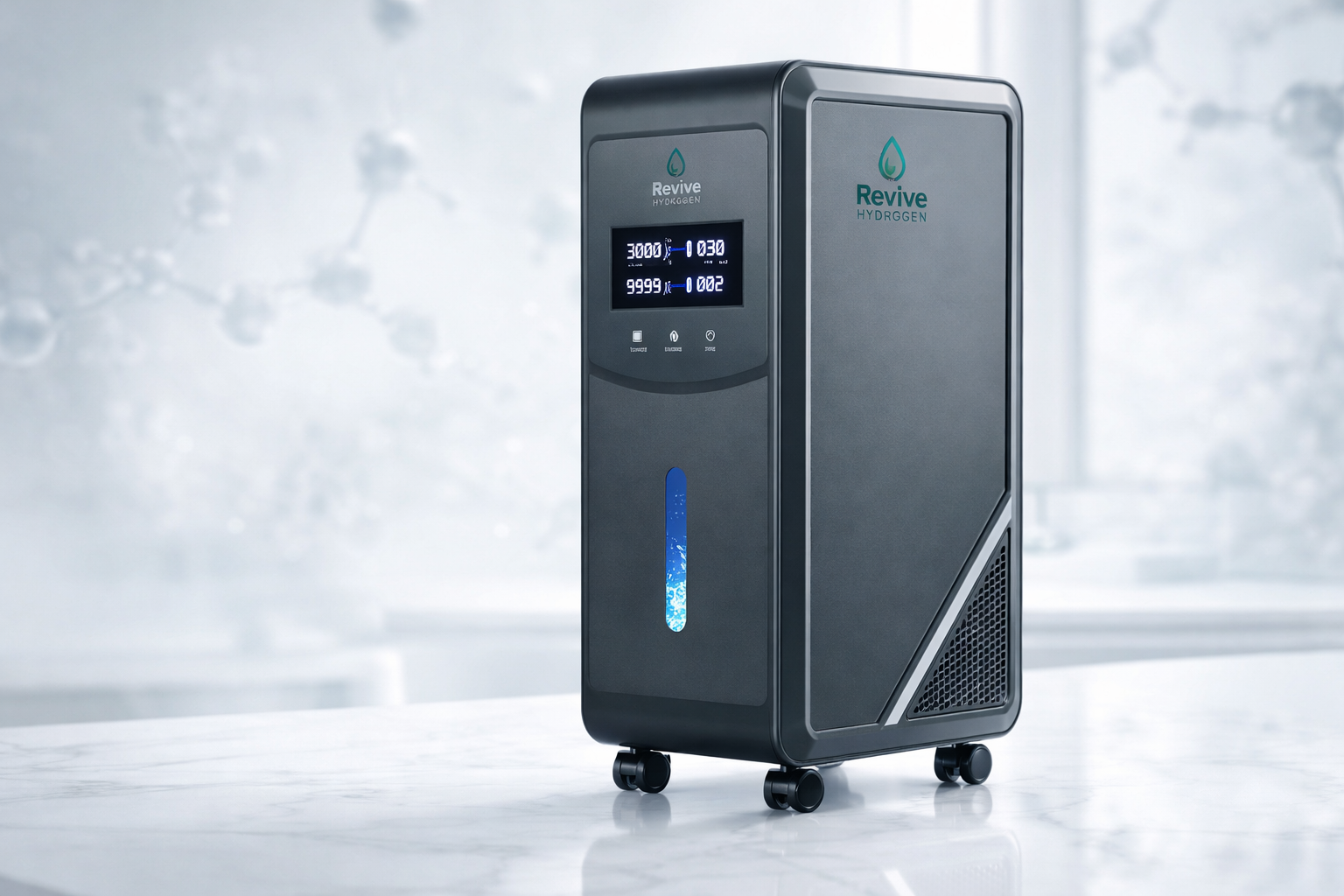
For practitioners and individuals committed to evidence-based wellness optimization, the Revive Hydrogen Intelligent High-Flow Hydrogen Generator represents the convergence of professional-grade engineering and long-term durability. Manufactured to CE and RoHS standards under an ISO 9001-certified quality management system, these systems deliver the reliability necessary for daily wellness protocols over extended operational lifespans.
The core technology—PEM electrolysis utilizing platinum-coated titanium electrodes and DuPont N117 membranes—produces 99.992% pure molecular hydrogen verified by independent third-party laboratory analysis. Available in three flow configurations (HYD-1500, HYD-1800, and HYD-3000) with output ranging from 1,500 to 3,000 ml/min total gas flow, these generators deliver therapeutic hydrogen concentrations through comfortable nasal cannula systems. UV-C water disinfection, programmable session timers (30-480 minutes), and continuous operation capability up to 8 hours ensure both convenience and component longevity.
Backed by a comprehensive 3-year limited warranty and designed specifically for the demands of serious home and clinical applications, these systems represent an investment in long-term wellness infrastructure rather than disposable consumer electronics. When hydrogen generator lifespan directly impacts the cost-effectiveness and reliability of your cellular health protocols, professional-grade engineering makes the difference between years of consistent performance and premature replacement.