
The Molecular Foundation: Why High-Output Hydrogen Delivery Matters
Molecular hydrogen (H₂) has emerged as one of the most sophisticated tools in the modern wellness arsenal—not because of marketing hype, but because of its unique biochemical precision. Unlike broad-spectrum antioxidants that indiscriminately neutralize all reactive oxygen species, hydrogen functions as a selective antioxidant, targeting only the most destructive oxidative molecules: hydroxyl radicals (•OH) and peroxynitrite (ONOO⁻). This selectivity is crucial. It allows hydrogen to mitigate oxidative stress and support cellular recovery without disrupting the beneficial signaling functions of hydrogen peroxide and other reactive species essential for immune function, cellular communication, and homeostatic balance.
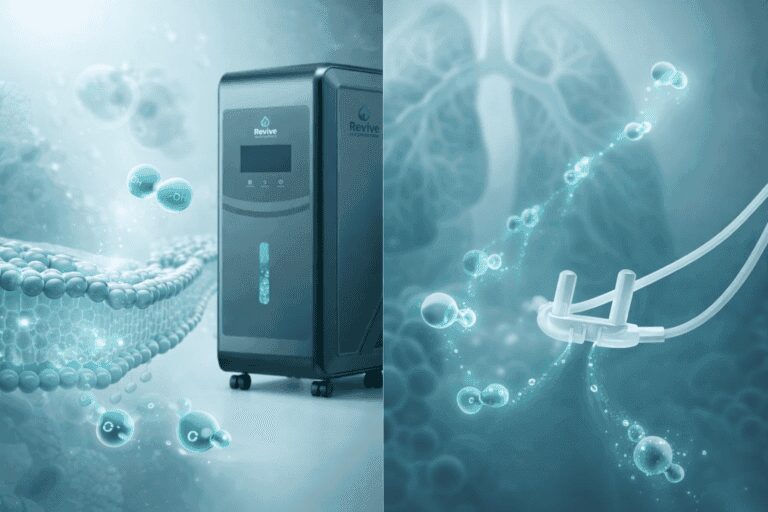
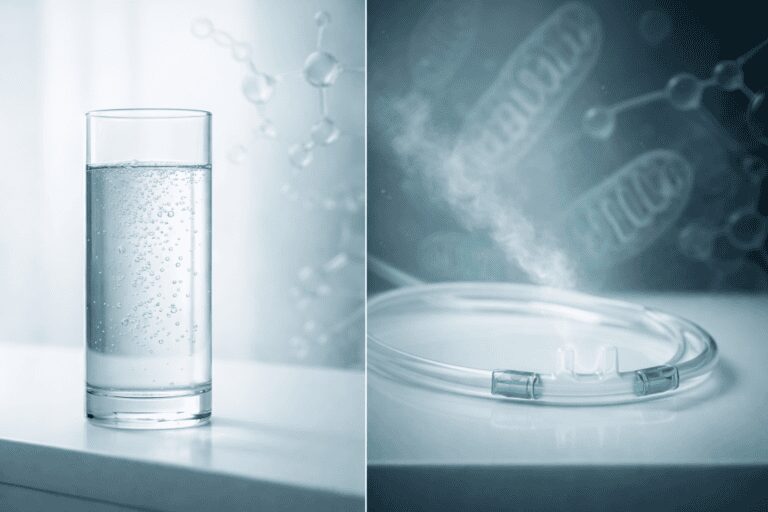
But here’s the challenge: achieving therapeutic tissue saturation requires far more than drinking hydrogen-enriched water. While ingestion offers mild benefits, the gastrointestinal tract limits absorption, and dissolved hydrogen rapidly dissipates. Inhalation, by contrast, delivers molecular hydrogen directly into the bloodstream via the lungs, bypassing digestive limitations and creating systemic, passive distribution to every organ, tissue, and mitochondrial membrane. This is why professional-grade hydrogen inhalation generators have become the gold standard for serious wellness practitioners, athletes, longevity enthusiasts, and clinics worldwide.
If you’re considering investing in a hydrogen inhalation generator, understanding the technical specifications that separate effective systems from ineffective ones is essential. Not all devices are created equal, and the differences can dramatically impact your results.
Purity: The Non-Negotiable Foundation
The first and most critical specification is hydrogen purity. Inferior electrolysis systems produce contaminated output—often introducing trace gases, moisture, or particulates that dilute therapeutic potential and may even introduce unwanted compounds into your respiratory system. Professional-grade systems utilize PEM (Proton Exchange Membrane) electrolysis, a technology that splits distilled water into its elemental components using platinum-coated titanium electrodes and a specialized membrane.
The result? Ultra-pure molecular hydrogen, typically exceeding 99.99% purity when properly engineered. This level of purity is not marketing rhetoric; it should be independently verified by accredited third-party laboratories. Any manufacturer unwilling or unable to provide transparent, third-party purity testing should be viewed with skepticism. When hydrogen is this pure, every inhalation delivers exactly what your cells need—no fillers, no contaminants, no compromises.
What to Confirm Before Purchase
- Third-party purity verification: Demand laboratory documentation, not manufacturer claims
- PEM electrolysis technology: This is the industry standard for medical-grade purity and reliability
- Electrode materials: Platinum-coated titanium ensures longevity, stability, and contamination-free output
- Membrane quality: High-grade membranes like the DuPont N117 separate hydrogen and oxygen with precision, preventing cross-contamination
Flow Rate: Matching Output to Physiological Need
Purity sets the foundation, but flow rate determines efficacy. Low-output devices—those producing 100–300 ml/min of hydrogen—simply cannot deliver the molecular saturation required for meaningful mitochondrial optimization and oxidative stress mitigation. Research protocols demonstrating hydrogen’s effects on cellular health, athletic recovery, and neuroprotection typically utilize flow rates of 500 ml/min or higher, sustained over 30–90 minute sessions.
High-flow hydrogen inhalation generators capable of producing 1,000 ml/min or more of pure hydrogen enable users to reach therapeutic thresholds efficiently. These systems aren’t designed for casual experimentation; they’re engineered for serious, consistent use by individuals and clinics demanding measurable wellness outcomes.
It’s also essential to distinguish between pure hydrogen output and diluted hydrogen-air mixtures. Some competitors advertise “high flow” while delivering only 1–4% hydrogen concentration mixed with ambient air. This is fundamentally different from systems that produce separated, concentrated hydrogen and oxygen streams. Pure hydrogen output allows for precise dosing, dual-user capability, and the flexibility to adjust protocols based on individual needs.
Flow Rate Tiers to Consider
When evaluating hydrogen inhalation generators, consider the following output categories:
- Entry-level (500–1,000 ml/min H₂): Suitable for single users seeking foundational cellular support and recovery
- Professional-grade (1,000–1,500 ml/min H₂): Ideal for dedicated daily use, athletic recovery, and longevity optimization
- Clinical-grade (1,500+ ml/min H₂): Designed for dual-user scenarios, clinical environments, and advanced wellness protocols requiring maximum saturation
Build Quality, Safety, and Usability
A hydrogen inhalation generator is a long-term investment in cellular health. Beyond purity and flow rate, the device must be built to withstand daily use, incorporate intelligent safety features, and offer intuitive operation.
Look for systems manufactured under ISO 9001-certified quality management standards and compliant with international safety certifications such as CE and RoHS. These aren’t decorative badges—they represent rigorous testing, materials safety, and manufacturing consistency.
Essential Features
- UV-C water disinfection: Prevents microbial contamination in the water reservoir, ensuring clean, safe hydrogen production
- Programmable session timers: Allows precise protocol execution, typically ranging from 30 to 480 minutes
- Continuous run capability: Professional systems should support extended sessions (6–8 hours) without overheating or performance degradation
- Dual-user functionality: Enables shared use in family or clinical settings, maximizing utility and return on investment
- Comprehensive warranty: A robust 3-year warranty covering materials and workmanship signals manufacturer confidence and customer support
Understanding Delivery Method and User Experience
Even the most advanced hydrogen inhalation generator is only as effective as its delivery system. Nasal cannula delivery is the clinical standard, offering comfortable, hands-free inhalation that integrates seamlessly into daily routines. Whether you’re reading, working, meditating, or recovering post-exercise, nasal delivery allows passive hydrogen absorption without disruption.
High-quality systems include multiple cannulas, recognizing that regular replacement maintains hygiene and optimal flow. The user interface should be intuitive—complex controls and cryptic displays create friction that discourages consistent use. Simplicity, clarity, and reliability matter as much as the underlying technology.
Bring This Technology Home
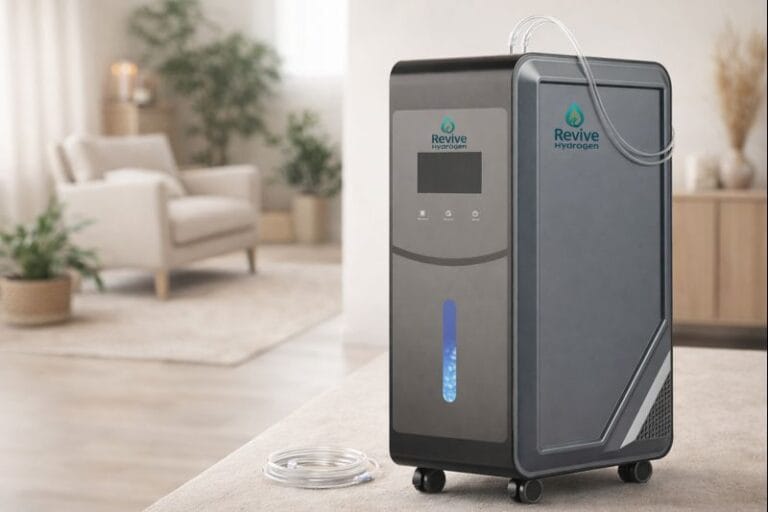
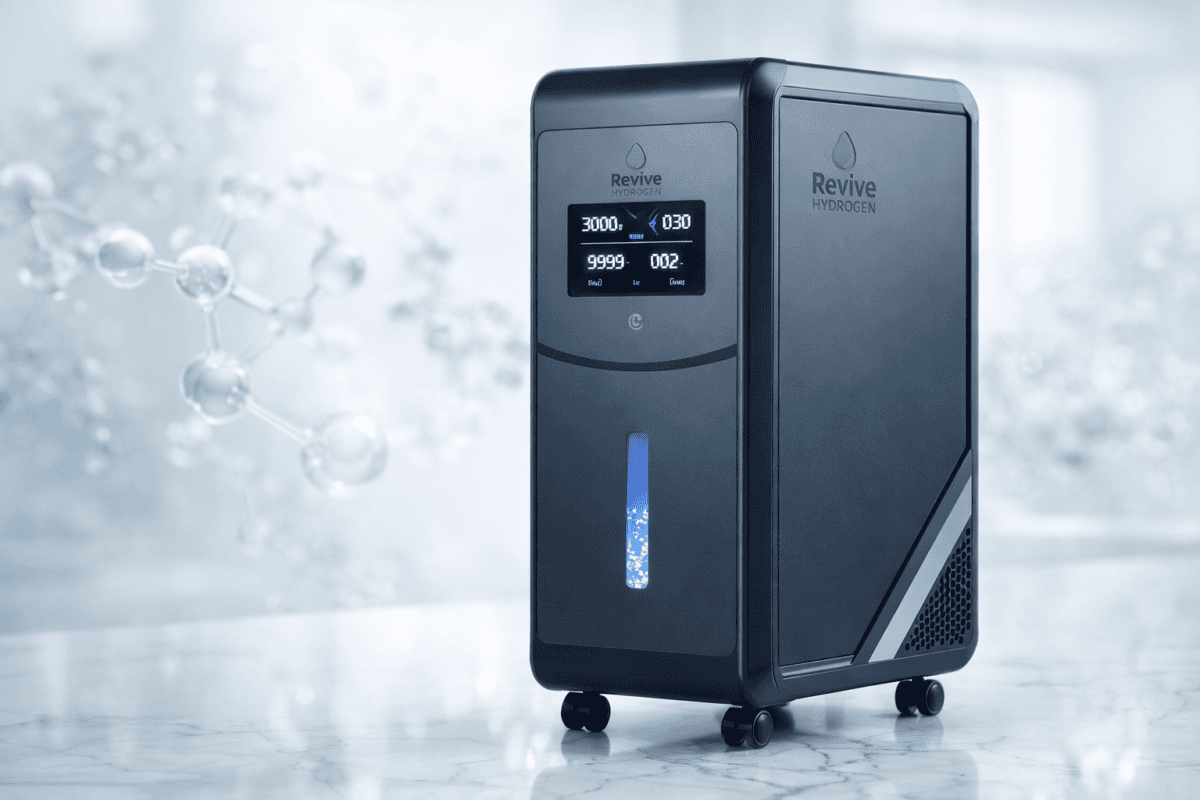
If you’re ready to experience the cellular benefits of high-flow hydrogen inhalation, Revive Hydrogen offers the most advanced, research-grade hydrogen technology available for home and clinical use. Based in Dry Ridge, Kentucky, Revive Hydrogen specializes exclusively in professional-grade hydrogen generators engineered for serious wellness enthusiasts and practitioners.
The Intelligent High-Flow Hydrogen Generator line features three output tiers—HYD-1500, HYD-1800, and HYD-3000—each utilizing PEM electrolysis with platinum-coated titanium electrodes and DuPont N117 membranes to deliver 99.992% pure molecular hydrogen, independently verified by accredited third-party laboratories. With flow rates up to 2,000 ml/min of pure H₂ (3,000 ml/min total output including separated oxygen), these systems provide the saturation levels required for meaningful cellular optimization and oxidative stress mitigation.
Every unit includes UV-C water disinfection, programmable session timers (30–480 minutes), continuous run capability up to 8 hours, dual-user functionality, and four nasal cannulas. Manufactured to CE and RoHS standards under an ISO 9001-certified quality management system, each generator is backed by a comprehensive 3-year limited warranty covering defects in materials and workmanship.
Molecular hydrogen research continues to expand across areas including mitochondrial function, exercise recovery, neuroprotection, and longevity. While individual results vary and these are general-wellness devices not intended to diagnose, treat, or cure any condition, the growing body of evidence supports hydrogen’s role as a selective antioxidant and cellular signaling molecule. If you’re committed to evidence-based wellness and long-term cellular health, a high-flow hydrogen generator represents one of the most sophisticated tools available today.
Explore the complete Intelligent High-Flow Hydrogen Generator collection and discover which model aligns with your wellness goals at Revive Hydrogen.