
What Senator Graham’s Death Tells Us About the Quiet Epidemic Hiding in Our Arteries
July 14, 2026
The sudden death of U.S. Senator Lindsey Graham on July 11, 2026, shocked a nation that had seen him step off a plane from Ukraine just days before, apparently healthy, still working at the age of 71. The D.C. medical examiner’s preliminary finding was swift and clinical: aortic dissection due to arteriosclerotic cardiovascular disease.
Most Americans had to look both of those terms up.
That’s the thing about arteriosclerotic cardiovascular disease. It doesn’t announce itself. It accumulates silently over decades — a slow architectural failure in the walls of your arteries — until the day it doesn’t.
Senator Graham’s death has put a clinical phrase into the national conversation. We think it deserves a plain-language explanation, and an honest look at what science is learning about the upstream biology that drives it.
What Actually Killed Him — and What That Means
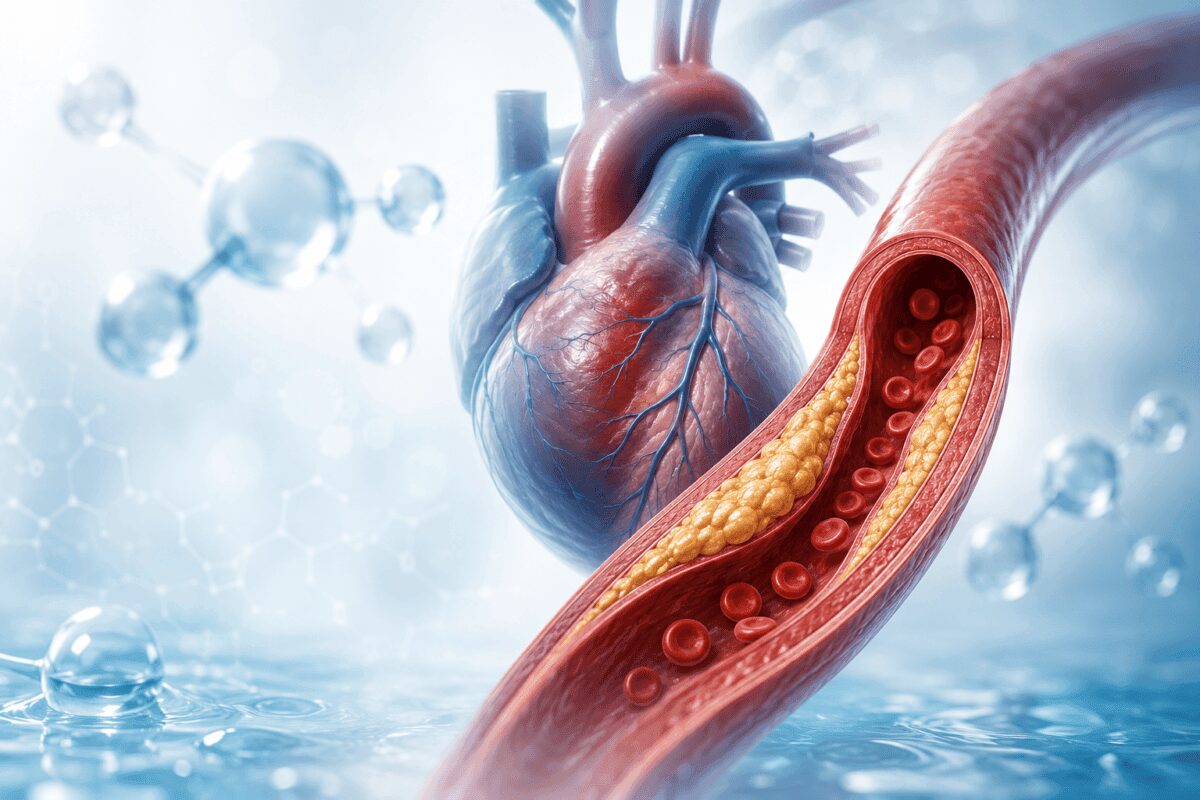
An aortic dissection is exactly what it sounds like: a tear in the aorta, the body’s largest artery, roughly the diameter of a garden hose. When the inner lining of that vessel tears, blood surges into the gap between the layers of the arterial wall, propagating the tear and disrupting blood flow to the heart, brain, and organs downstream. About half of untreated patients die within 48 hours. When the rupture is complete, death can occur in minutes — often before emergency services arrive.
The medical examiner didn’t list the dissection as a random event. The underlying condition — arteriosclerotic cardiovascular disease, also called ASCVD — was identified as the root cause. Atherosclerosis had likely been building in Senator Graham’s arterial walls for years, possibly decades, stiffening and weakening the aortic wall until it could no longer withstand the hemodynamic stress of a transatlantic flight home from a war zone.
The substrate of that disease had been building silently for years. The trip to Ukraine didn’t cause it. The aging arterial wall, worn down by cumulative oxidative and inflammatory damage, was the real story.
The Disease Nobody Sees Coming
ASCVD begins at the cellular level. It’s not primarily a plumbing problem, as it was once understood. It’s a biological process driven by two forces that operate invisibly, for years, before they manifest as a cardiac event:
Oxidative stress and chronic vascular inflammation.
Here’s how the cascade works:
- LDL particles enter the arterial wall. Low-density lipoproteins are not inherently dangerous — they’re transport vehicles for cholesterol. The problem begins when they become oxidized inside the arterial wall by reactive oxygen species, specifically the hydroxyl radical (•OH), the most reactive and destructive molecule in vascular biology.
- Oxidized LDL (oxLDL) triggers an immune response. The arterial wall doesn’t recognize oxidized LDL the way it recognizes normal LDL. Immune cells called macrophages rush in and begin engulfing it — but they become overwhelmed, transforming into lipid-laden “foam cells” that accumulate as the fatty streaks of early atherosclerotic plaque.
- Inflammation becomes self-perpetuating. The foam cells release pro-inflammatory cytokines — TNF-α, IL-1β, IL-6 — that recruit more immune cells, damage the endothelial lining, and drive further oxidation. What began as a localized defense response becomes a chronic, low-grade inflammatory state inside the vessel wall.
- Plaques grow and destabilize. Over years, lesions accumulate calcium, dead cells, and lipid cores. The fibrous cap that holds a plaque together can thin and rupture — triggering a clot, a heart attack, or in Senator Graham’s case, an aortic dissection in a vessel whose wall had been structurally compromised.
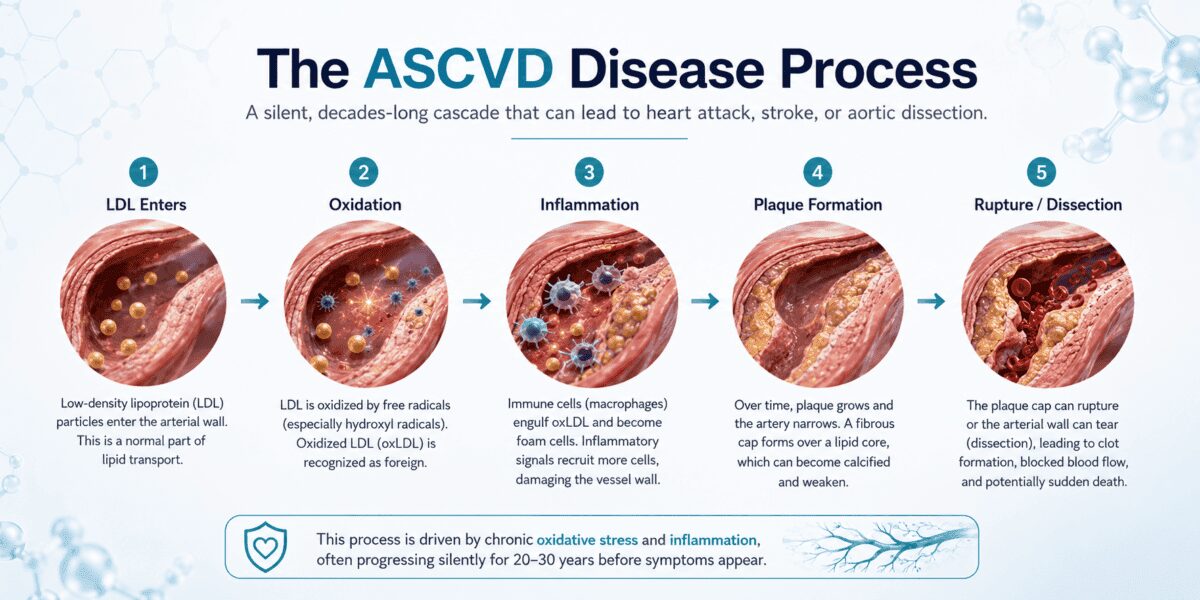
The time scale of this process is the reason it’s so dangerous. By the time symptoms appear, the disease has typically been progressing for 20 to 30 years.
Where Molecular Hydrogen Research Enters the Picture
Given what we now understand about the biology of ASCVD, molecular hydrogen (H₂) has attracted serious scientific attention — not as a therapeutic drug, but as a cellular wellness tool whose mechanisms are remarkably well-matched to the upstream drivers of vascular disease.
Here’s what the peer-reviewed research shows:
Targeting the Primary Atherogenic Oxidant
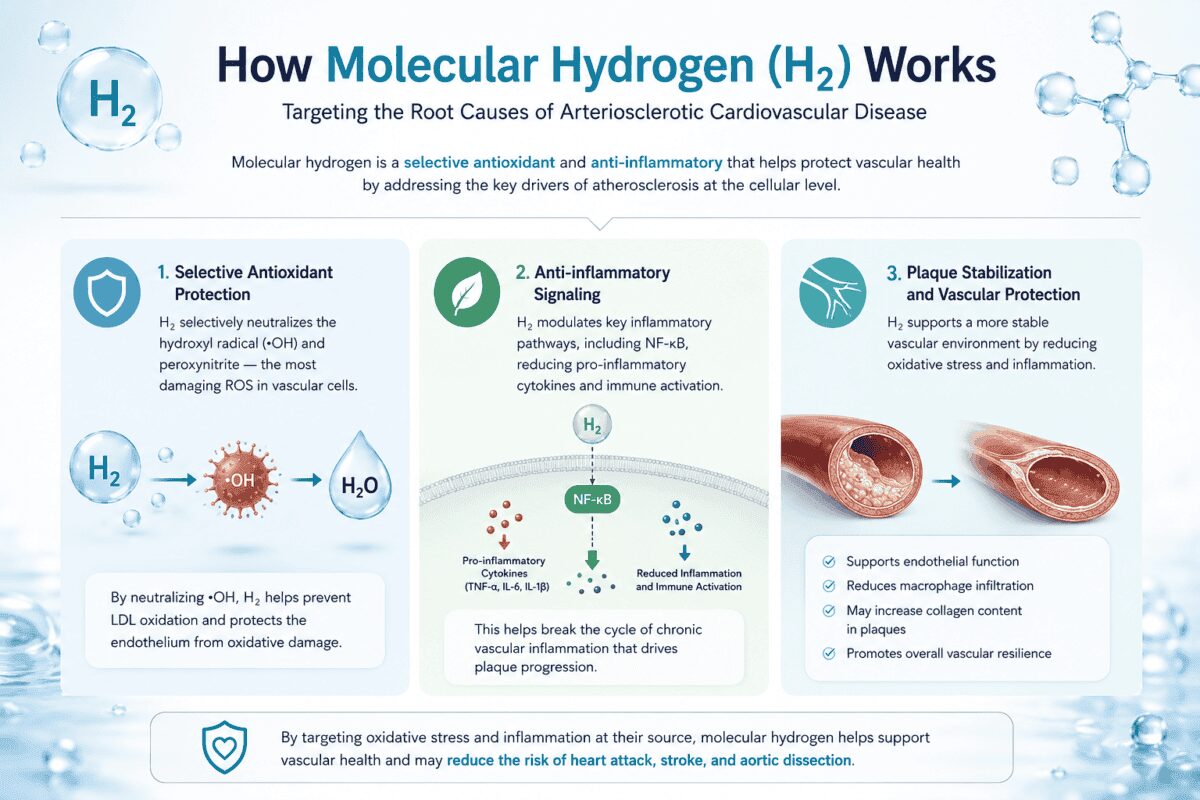
The hydroxyl radical (•OH) — the molecule that initiates LDL oxidation and endothelial damage — is one of molecular hydrogen’s two primary targets. Unlike conventional antioxidants that indiscriminately neutralize all reactive oxygen species (including beneficial ones needed for immune signaling), H₂ selectively reacts with and neutralizes the hydroxyl radical and peroxynitrite, converting them harmlessly into water.
This selectivity matters. Broad antioxidant approaches have repeatedly failed in cardiovascular trials, possibly because they suppress beneficial redox signaling alongside the harmful kind. H₂ doesn’t have that problem.
Reducing Vascular Inflammation via Multiple Pathways
A 2024 review published in ScienceDirect focused specifically on H₂ and coronary atherosclerotic heart disease, concluding that H₂ may reduce inflammation by regulating multiple pathways: the NF-κB inflammatory pathway, pyroptosis, mitophagy, endoplasmic reticulum stress, and the Nrf2 antioxidant pathway. The NF-κB pathway, in particular, is a master regulator of the inflammatory cascade inside the arterial wall.
A separate comprehensive review in Cellular and Molecular Life Sciences (2023) confirmed that molecular hydrogen has demonstrated antioxidant, anti-inflammatory, and antiapoptotic effects, with documented cardioprotective benefits in models of atherosclerosis, ischemia-reperfusion injury, cardiac hypertrophy, and chemotherapy-induced cardiotoxicity.
Plaque Stabilization in Animal Models
One of the most striking findings in this literature is a 2015 study in Free Radical Biology and Medicine using LDL receptor-knockout mice — a standard model for studying atherosclerosis. Molecular hydrogen significantly enhanced atherosclerotic plaque stability by increasing collagen content and reducing macrophage and lipid levels within plaques. Serum oxidized-LDL levels fell, and endoplasmic reticulum stress and ROS accumulation in the aorta were reduced.
Plaque stabilization is clinically significant because most acute cardiovascular events — heart attacks, strokes, and aortic dissections — are triggered not by the largest plaques, but by the rupture of vulnerable, thin-capped, inflammatory plaques. A therapy that structurally stabilizes plaque composition is addressing the mechanism that kills.
Suppressing Vascular Senescence
A 2018 study in Scientific Reports (PMC6235982) using a high-fat diet atherosclerosis model found that molecular hydrogen-rich water reduced the expression of cellular senescence markers (p16INK4a and p21) in arterial endothelial cells, suppressed macrophage infiltration into atherosclerotic lesions, and reduced TNFα expression in the aorta. The researchers concluded that vascular aging may be suppressed by hydrogen administration.
Cellular senescence — the accumulation of aging, dysfunctional cells that secrete pro-inflammatory signals — is now understood to be a key amplifier of atherosclerotic progression.
Improvements in Cardiovascular Biomarkers in Humans
A 24-week randomized, double-blind, placebo-controlled trial published in Diabetes, Metabolic Syndrome and Obesity (PMC7102907) enrolled 60 patients with metabolic syndrome — a constellation of cardiovascular risk factors including dyslipidemia, insulin resistance, and elevated inflammation. High-concentration hydrogen-rich water produced statistically significant reductions in total cholesterol (approximately 18.5 mg/dL), triglycerides (approximately 47 mg/dL), fasting blood glucose, and inflammatory biomarkers including TNF-α and IL-6. The TC:HDL ratio — a more meaningful cardiovascular risk predictor than total cholesterol alone — improved by 7.2% versus no change in the placebo group.
A 2024 meta-analysis in the Iranian Journal of Endocrinology and Metabolism confirmed these lipid-improving effects across 8 randomized controlled trials, finding consistent evidence of H₂’s regulatory effects on lipid peroxidation and inflammatory responses.
Anti-Thrombotic Effects
Plaque rupture doesn’t kill by itself — it kills by triggering acute thrombosis, the sudden clot formation that cuts off blood supply to the heart or brain. A 2019 study in Life Sciences demonstrated that molecular hydrogen inhibited in vitro platelet activation and prevented in vivo thrombosis formation in animal models, adding another potential layer of vascular protection.
An Honest Assessment
Senator Graham’s death doesn’t offer a simple lesson about any single intervention. The years of arterial damage that preceded his aortic dissection were the product of many interacting factors: age, genetics (his father died of a heart attack at 68), blood pressure, lifestyle, and the cumulative oxidative burden of decades.
No single therapy addresses all of those factors. What the science on molecular hydrogen does show is that several of the core biological mechanisms that drive ASCVD — oxidative modification of LDL, NF-κB-driven arterial inflammation, endothelial senescence, foam cell accumulation, plaque instability — are targets that H₂ appears to influence, at both the molecular and tissue level.
The research is still maturing. Large-scale human clinical trials specifically measuring cardiovascular outcomes (cardiac events, plaque regression on imaging) haven’t yet been completed. What exists is a mechanistically coherent body of animal model evidence, in vitro data, and human biomarker trials that point in a consistent direction.
For people interested in proactive cellular health — particularly those with a family history of cardiovascular disease, metabolic risk factors, or concerns about long-term vascular aging — hydrogen therapy is a scientifically grounded tool worth understanding.
The Bigger Picture
Arteriosclerotic cardiovascular disease is the leading cause of death worldwide — not just in headlines when prominent people die suddenly, but in the 20 million annual deaths that don’t make the news. Most of those deaths are preceded by decades of invisible biological change.
The growing body of research on molecular hydrogen is ultimately asking a simple question: if oxidative stress and chronic inflammation are the primary engines of vascular aging, can a molecule that selectively targets those engines make a measurable difference at the cellular level over time?
The evidence so far suggests the question is worth taking seriously.
Related reading: Hydrogen and Cardiovascular Support · Molecular Hydrogen Benefits for Endothelial Health
New to hydrogen inhalation? Download our free Beginner’s Guide to Hydrogen Inhalation for a plain-language primer on what H₂ is, how inhalation works, and how to choose a generator.
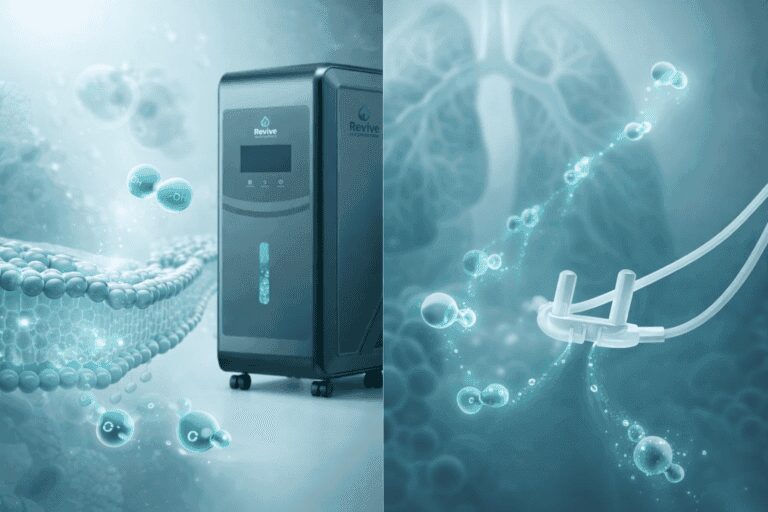
Revive Hydrogen offers high-flow hydrogen inhalation generators for home and clinic use.
This article is for educational purposes only. Molecular hydrogen therapy is a wellness tool and is not intended to diagnose, treat, cure, or prevent any disease, including cardiovascular disease. Individuals with cardiovascular risk factors should consult a qualified healthcare provider. Research citations are linked throughout for independent review.
Research References
- Hydrogen therapy in heart disease — Springer/CMLS (2023)
- Role of H₂ in Coronary Atherosclerotic Heart Disease — ScienceDirect (2024)
- H₂ Stabilizes Atherosclerotic Plaque — Free Radical Biology and Medicine (2015)
- H₂ Water Prevents Vascular Aging of the Aorta — Scientific Reports (2018)
- 24-Week RCT in Metabolic Syndrome — Dove Press (2020)
- HRW Lipid Profile Meta-Analysis, 8 RCTs — IJEM (2024)
- Role of Hydrogen in Atherosclerotic Disease — PubMed (2020)
- Platelet Inhibition and Thrombosis Prevention — Life Sciences (2019)
- H₂ and Cardiovascular Disorders — PMC (2019)