
The Cellular Foundation of Passive Wellness Treatments
Wellness no longer demands exhausting protocols or invasive interventions. The next generation of passive wellness treatments centers on molecular-level optimization—specifically, the synergy between cellular hydration and molecular hydrogen (H₂) therapy. When these two foundational pillars converge, they create an environment where cells can perform their repair, detoxification, and energy-production functions with unprecedented efficiency. Understanding how hydrogen therapy enhances hydration at the cellular level reveals why this combination represents the future of evidence-based wellness optimization.
At the core of this approach lies a simple biological truth: proper cellular function depends on optimal hydration status and minimal oxidative damage. Molecular hydrogen addresses both simultaneously through mechanisms that scientists have only recently begun to fully appreciate.
How Molecular Hydrogen Acts as a Selective Antioxidant
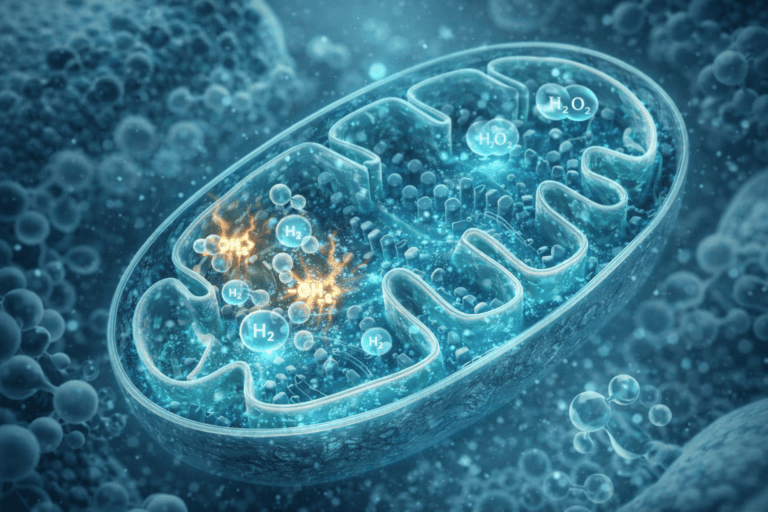
Unlike broad-spectrum antioxidants that indiscriminately neutralize all reactive oxygen species, molecular hydrogen operates with remarkable selectivity. Research demonstrates that H₂ specifically targets the most destructive oxidative molecules—hydroxyl radicals (•OH) and peroxynitrite (ONOO⁻)—while preserving beneficial signaling molecules like hydrogen peroxide that cells use for metabolic communication and immune function.
This selectivity matters profoundly. Hydroxyl radicals represent the most reactive and damaging free radicals in biological systems, capable of destroying lipids, proteins, and DNA within microseconds of formation. Peroxynitrite similarly inflicts severe damage to mitochondrial membranes and cellular structures. By neutralizing these specific threats without disrupting homeostatic redox signaling, molecular hydrogen supports the body’s natural defense systems rather than overwhelming them.
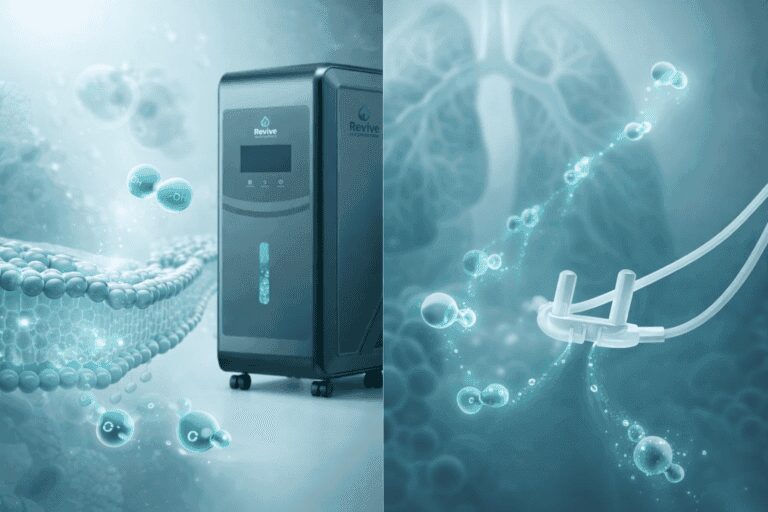
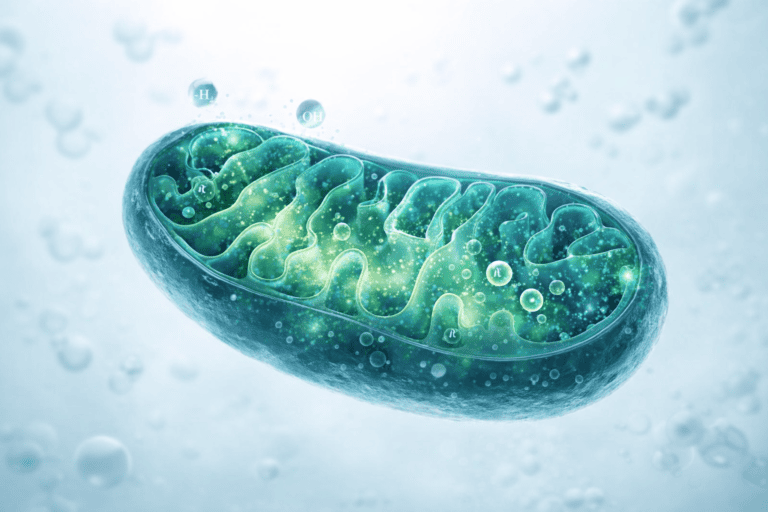
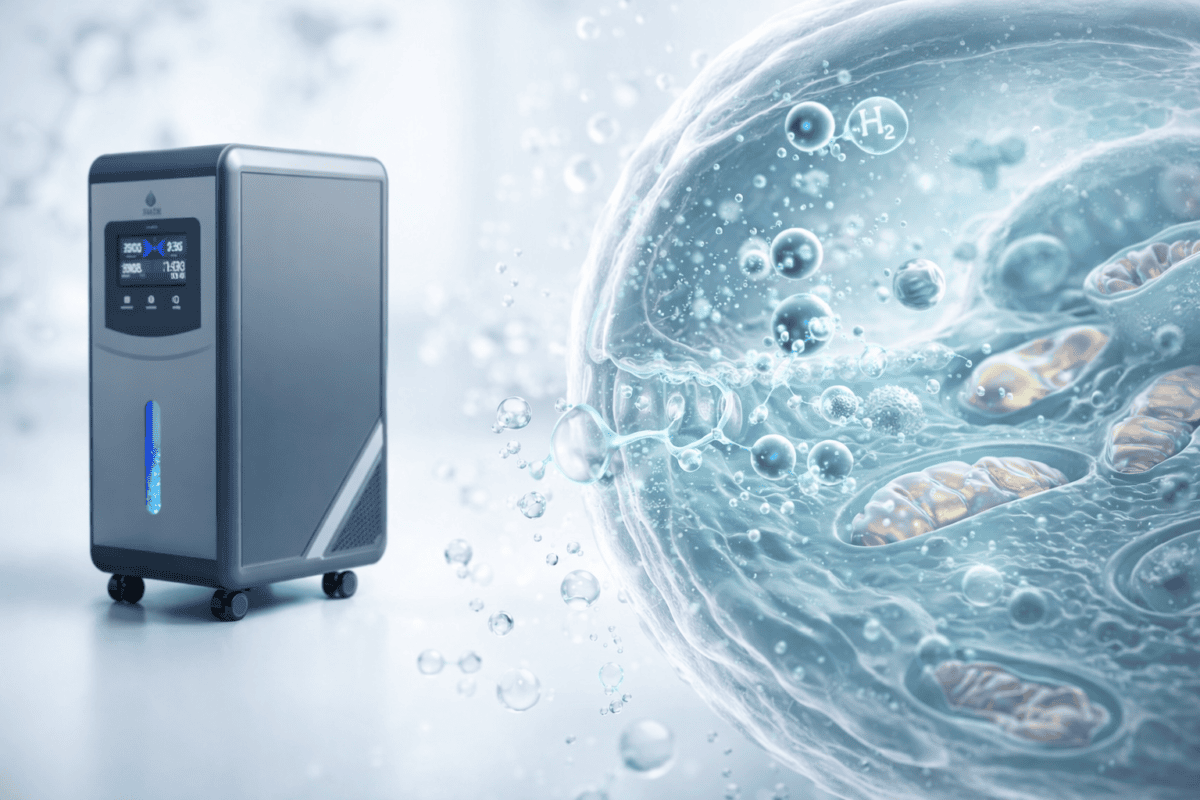
The mechanism is elegantly simple: H₂ diffuses rapidly across cell membranes due to its extraordinarily small molecular size and lipophilic properties. Once inside cells—and critically, inside mitochondria and even cell nuclei—hydrogen molecules encounter and reduce toxic radicals, converting them to harmless water. This process simultaneously addresses oxidative stress and contributes to cellular hydration at the most fundamental level.
The Hydration Enhancement Effect
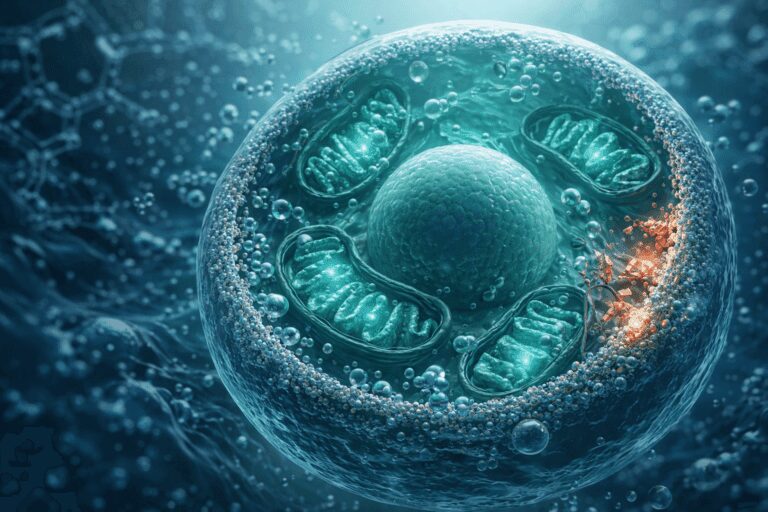
Cellular hydration extends far beyond simply drinking adequate water. True hydration occurs when water molecules successfully penetrate cell membranes and reach intracellular compartments, particularly mitochondria where energy production occurs. Oxidative stress, lipid peroxidation, and membrane damage all compromise this process, creating cells that exist in a chronically under-hydrated state despite adequate fluid intake.
Molecular hydrogen therapy addresses this disconnect. By reducing oxidative damage to membrane lipids and aquaporin channels—the protein structures that regulate water transport across membranes—H₂ enhances the cell’s capacity to achieve and maintain optimal hydration. The conversion of toxic radicals to water molecules provides an additional, albeit modest, hydration benefit directly at the sites of greatest oxidative stress.
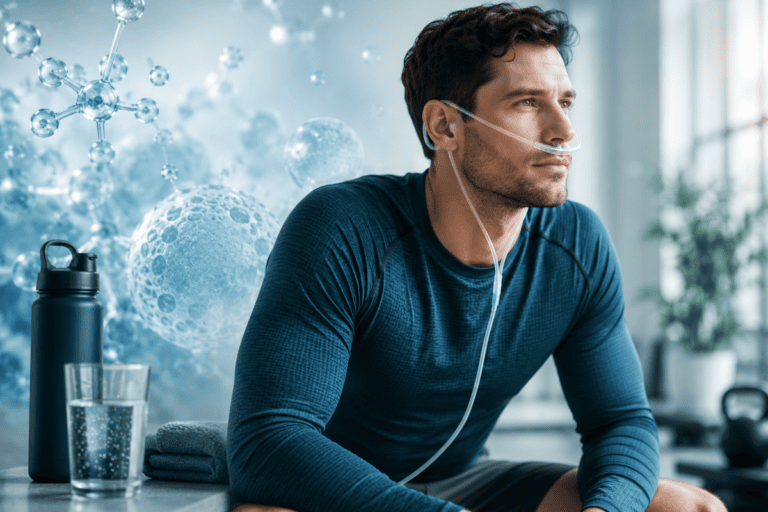
This represents true passive wellness: no strenuous effort required, no complex protocols to follow, simply the systematic reduction of cellular stress and enhancement of fundamental biological processes while you rest, work, or sleep.
Why Inhalation Delivers Superior Systemic Benefits
While hydrogen-enriched water has demonstrated benefits in research settings, inhalation of molecular hydrogen offers distinct advantages for achieving therapeutic tissue saturation across all organ systems. The respiratory route provides direct access to the bloodstream through the alveolar-capillary interface, bypassing the digestive system entirely and enabling rapid, high-concentration delivery to every cell in the body.
The concentration differential is substantial. Hydrogen water typically delivers H₂ in parts-per-million concentrations, limited by the gas’s relatively low solubility in aqueous solutions. Inhalation via high-output generators, by contrast, delivers molecular hydrogen in percentages of inspired gas—a magnitude difference that translates to significantly greater tissue penetration and cellular availability.
Professional-grade hydrogen inhalation systems utilize PEM (Proton Exchange Membrane) electrolysis to generate exceptionally pure molecular hydrogen from distilled water. This technology, originally developed for aerospace and fuel cell applications, separates hydrogen and oxygen with precision, producing pharmaceutical-grade gas suitable for wellness applications.
The Critical Role of Flow Rate and Purity
Not all hydrogen delivery systems achieve therapeutic relevance. Many consumer-grade devices produce diluted hydrogen-air mixtures in the 1–4% concentration range—insufficient for meaningful cellular penetration during practical session durations. Achieving the tissue saturation levels observed in research protocols requires substantially higher flow rates of pure molecular hydrogen.
This distinction separates passive wellness treatments that deliver measurable biological benefits from those that provide primarily placebo effects. Systems capable of delivering 1000 ml/min or more of pure hydrogen enable users to reach therapeutic thresholds within 30–60 minute sessions, making daily molecular hydrogen therapy practical for busy individuals seeking efficient wellness optimization.
Cellular Benefits of Combined Hydration and Hydrogen Optimization
When cellular hydration and molecular hydrogen therapy work synergistically, cells experience a cascade of beneficial effects:
- Mitochondrial efficiency enhancement: Optimally hydrated mitochondria with reduced oxidative burden produce ATP more efficiently, supporting cellular energy needs without generating excessive reactive oxygen species
- Improved membrane fluidity and function: Reduced lipid peroxidation maintains membrane integrity, supporting proper nutrient transport, waste elimination, and cellular signaling
- Enhanced aquaporin function: Protection of water channel proteins ensures cells maintain proper hydration despite metabolic stress or environmental challenges
- Optimized cellular pH balance: Neutralization of acidic oxidative byproducts supports the slightly alkaline intracellular environment required for optimal enzyme function
- Reduced inflammatory signaling: Selective reduction of peroxynitrite and hydroxyl radicals decreases activation of inflammatory transcription factors without suppressing beneficial immune responses
- DNA protection and repair support: Nuclear penetration of H₂ provides antioxidant protection to genetic material during replication and transcription
These mechanisms operate continuously, creating a cellular environment optimized for repair, recovery, and longevity—the ultimate goal of evidence-based passive wellness strategies.
Implementing Professional-Grade Hydrogen Therapy at Home
The transition from research laboratory to practical wellness application requires technology that bridges the gap between scientific rigor and everyday usability. Professional-grade hydrogen generators now make it possible to access research-level molecular hydrogen therapy in home and clinical settings without complex setup or maintenance demands.
The most effective systems share several critical characteristics: pharmaceutical-grade hydrogen purity verified by independent laboratory testing, flow rates sufficient to achieve therapeutic tissue saturation within practical session times, and reliable PEM electrolysis technology that operates safely and consistently over thousands of hours of use.
For individuals committed to cellular health optimization, daily hydrogen inhalation sessions represent one of the most time-efficient passive wellness treatments available. Unlike exercise protocols, dietary interventions, or supplement regimens that require ongoing effort and decision-making, hydrogen therapy simply asks that you breathe normally while the molecular benefits unfold at the cellular level.
Bring This Technology Home
Revive Hydrogen offers professional-grade hydrogen generation systems engineered specifically for individuals and practitioners seeking research-level molecular hydrogen therapy. Based in Dry Ridge, Kentucky, Revive Hydrogen operates exclusively online, delivering certified hydrogen technology directly to wellness-focused individuals nationwide.
The Intelligent High-Flow Hydrogen Generator line features three flow-rate tiers—HYD-1500, HYD-1800, and HYD-3000—all utilizing the same core PEM electrolysis technology with platinum-coated titanium electrodes and DuPont N117 membranes. Independent third-party laboratory verification confirms hydrogen purity at 99.992%, matching pharmaceutical-grade standards.
Each unit generates separated hydrogen and oxygen from distilled water, with the HYD-1500 producing up to 1000 ml/min of H₂, the HYD-1800 delivering 1200 ml/min, and the HYD-3000 providing 2000 ml/min—flow rates aligned with published research protocols. All models support dual-user operation via nasal cannula delivery and feature programmable session timers, UV-C water disinfection, and continuous operation capability up to eight hours.
Manufactured to CE and RoHS standards under ISO 9001-certified quality management systems, each generator includes a comprehensive 3-year limited warranty covering defects in materials and workmanship. This combination of verified performance specifications and long-term reliability support makes professional-grade hydrogen therapy accessible for daily wellness optimization.
Molecular hydrogen research continues to expand across cellular biology, oxidative stress mitigation, and longevity science. The technology to access these benefits now exists outside research institutions, enabling individuals to implement evidence-based passive wellness treatments that support cellular health at the most fundamental level. Explore the complete technical specifications and supporting research at Revive Hydrogen’s Science Hub.