

The Hidden Epidemic of Mental Fatigue
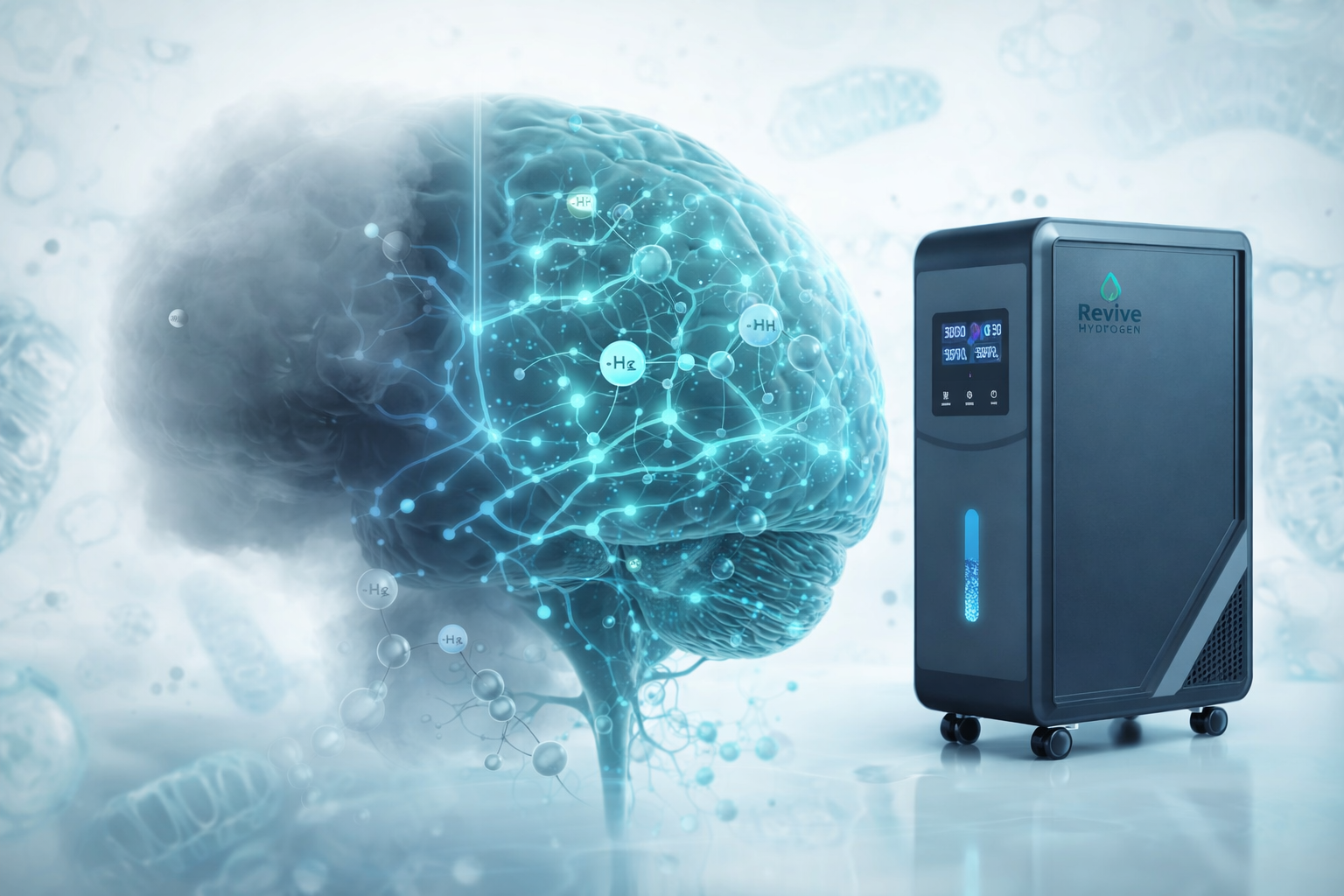
Brain fog — that frustrating sensation of mental cloudiness, sluggish thinking, and impaired focus — has become a defining symptom of modern life. Whether triggered by chronic stress, sleep deprivation, inflammatory diet patterns, or post-viral fatigue syndromes, brain fog reflects a deeper cellular reality: neuroinflammation and mitochondrial dysfunction. While conventional approaches often target symptoms superficially, emerging research into molecular hydrogen (H₂) suggests a fundamentally different strategy — one that operates at the level of oxidative stress mitigation and cellular energy optimization.
Molecular hydrogen is the smallest molecule in existence, a unique therapeutic gas that crosses the blood-brain barrier with ease and acts as a selective antioxidant within neurons and glial cells. Unlike broad-spectrum antioxidants that can disrupt beneficial cellular signaling, H₂ specifically neutralizes the most damaging reactive oxygen species — hydroxyl radicals (•OH) and peroxynitrite (ONOO⁻) — while preserving hydrogen peroxide and other molecules essential for immune function and cellular communication. This selective mechanism positions molecular hydrogen as a precision tool for neurological wellness and cognitive recovery.
How Brain Fog Develops: A Cellular Perspective
To understand how molecular hydrogen may support mental clarity, we must first examine the biological foundations of brain fog itself. Cognitive fatigue rarely stems from a single cause; instead, it emerges from intersecting metabolic and inflammatory disruptions within the central nervous system.
Oxidative Stress and Neuroinflammation
The brain accounts for approximately 20% of the body’s total oxygen consumption despite representing only 2% of body weight. This extraordinary metabolic demand makes neural tissue particularly vulnerable to oxidative damage. When mitochondria produce ATP — the cellular energy currency — they inevitably generate reactive oxygen species as metabolic byproducts. Under normal conditions, endogenous antioxidant systems neutralize these molecules. However, chronic stressors overwhelm these defenses, leading to oxidative stress.
Hydroxyl radicals and peroxynitrite are among the most destructive oxidants, capable of damaging lipid membranes, proteins, and DNA within neurons. This oxidative injury triggers microglial activation and the release of pro-inflammatory cytokines, creating a self-reinforcing cycle of neuroinflammation. The subjective experience of brain fog — difficulty concentrating, memory lapses, mental exhaustion — reflects this underlying cellular distress.
Mitochondrial Dysfunction and Energy Deficits
Mitochondria serve as the powerhouses of neurons, generating the ATP required for neurotransmitter synthesis, synaptic transmission, and maintenance of ion gradients. When oxidative stress damages mitochondrial membranes and electron transport chain components, ATP production declines. This energy deficit manifests cognitively as reduced processing speed, impaired working memory, and diminished executive function — the hallmark features of brain fog.
Molecular Hydrogen and Cognitive Function: What the Science Shows
Over the past two decades, more than 1,600 peer-reviewed studies have investigated the biological effects of molecular hydrogen across diverse physiological systems. While research into H₂ and cognitive function remains in relatively early stages compared to cardiovascular or metabolic applications, several mechanisms have emerged as particularly relevant to brain fog.
Selective Antioxidant Activity in Neural Tissue
Molecular hydrogen’s ability to cross the blood-brain barrier and diffuse rapidly into subcellular compartments — including mitochondria and the nucleus — distinguishes it from larger antioxidant molecules. Once inside neurons, H₂ selectively reduces hydroxyl radicals and peroxynitrite through direct chemical reaction, converting these toxic oxidants into water. Critically, hydrogen does not interfere with hydrogen peroxide or superoxide, which serve important roles in cellular signaling, immune surveillance, and adaptive stress responses.
This selectivity prevents the “antioxidant paradox” observed with high-dose supplementation of vitamins C and E, where excessive antioxidant activity can paradoxically impair cellular function by disrupting redox-dependent signaling pathways. Research published in Medical Gas Research has demonstrated that H₂ inhalation reduces markers of oxidative stress in brain tissue without compromising beneficial reactive oxygen species signaling.
Modulation of Neuroinflammatory Pathways
Beyond direct antioxidant effects, molecular hydrogen influences gene expression and inflammatory signaling cascades. Studies have shown that H₂ downregulates nuclear factor kappa B (NF-κB), a master regulator of inflammatory gene transcription, while upregulating nuclear factor erythroid 2-related factor 2 (Nrf2), which activates endogenous antioxidant enzyme production. This dual action — reducing inflammatory mediators while enhancing cellular antioxidant capacity — creates conditions favorable for neurological recovery and homeostatic balance.
Mitochondrial Protection and Bioenergetic Support
Animal studies examining H₂ administration have documented improved mitochondrial function, including enhanced ATP production, stabilized membrane potential, and reduced apoptotic signaling in neural tissue. While human cognitive studies remain limited, preliminary research in populations experiencing mild cognitive impairment has shown improvements in attention, processing speed, and subjective mental clarity following hydrogen-rich water consumption or inhalation protocols.
Clinical Considerations and Delivery Methods
The therapeutic potential of molecular hydrogen depends critically on achieving adequate tissue saturation. While hydrogen-rich water represents an accessible entry point, the concentration and bioavailability achieved through oral consumption are inherently limited by solubility constraints and gastrointestinal transit time.
Why Inhalation Achieves Superior Systemic Delivery
Inhalation of molecular hydrogen via nasal cannula provides direct absorption through pulmonary alveoli into systemic circulation, bypassing first-pass metabolism and delivering significantly higher concentrations to target tissues. Professional-grade hydrogen generators utilizing PEM (Proton Exchange Membrane) electrolysis produce pure H₂ gas continuously, enabling sustained elevation of tissue hydrogen concentrations during sessions typically ranging from 30 to 120 minutes.
For individuals experiencing persistent brain fog, this method offers several advantages:
- Passive systemic delivery: No requirement for active consumption or compliance with multiple daily dosing schedules
- Consistent tissue saturation: Continuous flow ensures stable hydrogen levels throughout the session
- Blood-brain barrier penetration: Rapid diffusion supports immediate antioxidant activity within neural tissue
- Flexibility for ongoing wellness: Extended session durations align with work, meditation, or recovery protocols
Evidence-Based Protocols
Research protocols examining hydrogen inhalation for neurological applications have typically employed flow rates between 1,000 and 3,000 ml/min of hydrogen-oxygen mixture, with session durations of 30 to 120 minutes. These parameters reflect the concentration ranges required to achieve measurable tissue effects. Emerging evidence suggests that consistent, repeated exposure — rather than sporadic single sessions — yields the most significant improvements in oxidative stress biomarkers and subjective wellness outcomes.
Bring This Technology Home
For individuals seeking to integrate molecular hydrogen into a comprehensive approach to cognitive wellness, access to professional-grade inhalation technology represents the most evidence-aligned method for achieving therapeutic tissue concentrations. Revive Hydrogen offers high-flow hydrogen generators designed for both home and clinical environments, utilizing PEM electrolysis of distilled water to produce hydrogen at 99.992% purity — a specification verified by independent third-party laboratory analysis.
The systems deliver pure molecular hydrogen at flow rates up to 2,000 ml/min (HYD-3000 model), enabling sustained sessions that align with research protocols. All units feature nasal cannula delivery, programmable session timers, and dual-user capability for shared use. Manufactured to CE and RoHS standards under an ISO 9001-certified quality management system, these generators are backed by a three-year limited warranty covering defects in materials and workmanship.
While research into molecular hydrogen and cognitive function continues to evolve, the existing body of evidence supports its role as a selective antioxidant capable of mitigating oxidative stress and neuroinflammation — two core mechanisms underlying brain fog. For those committed to optimizing cellular health and exploring evidence-based wellness technologies, professional-grade hydrogen inhalation represents a sophisticated addition to longevity and recovery protocols. Explore the science further and discover how this precision wellness tool may support your cognitive journey at the link above.

