

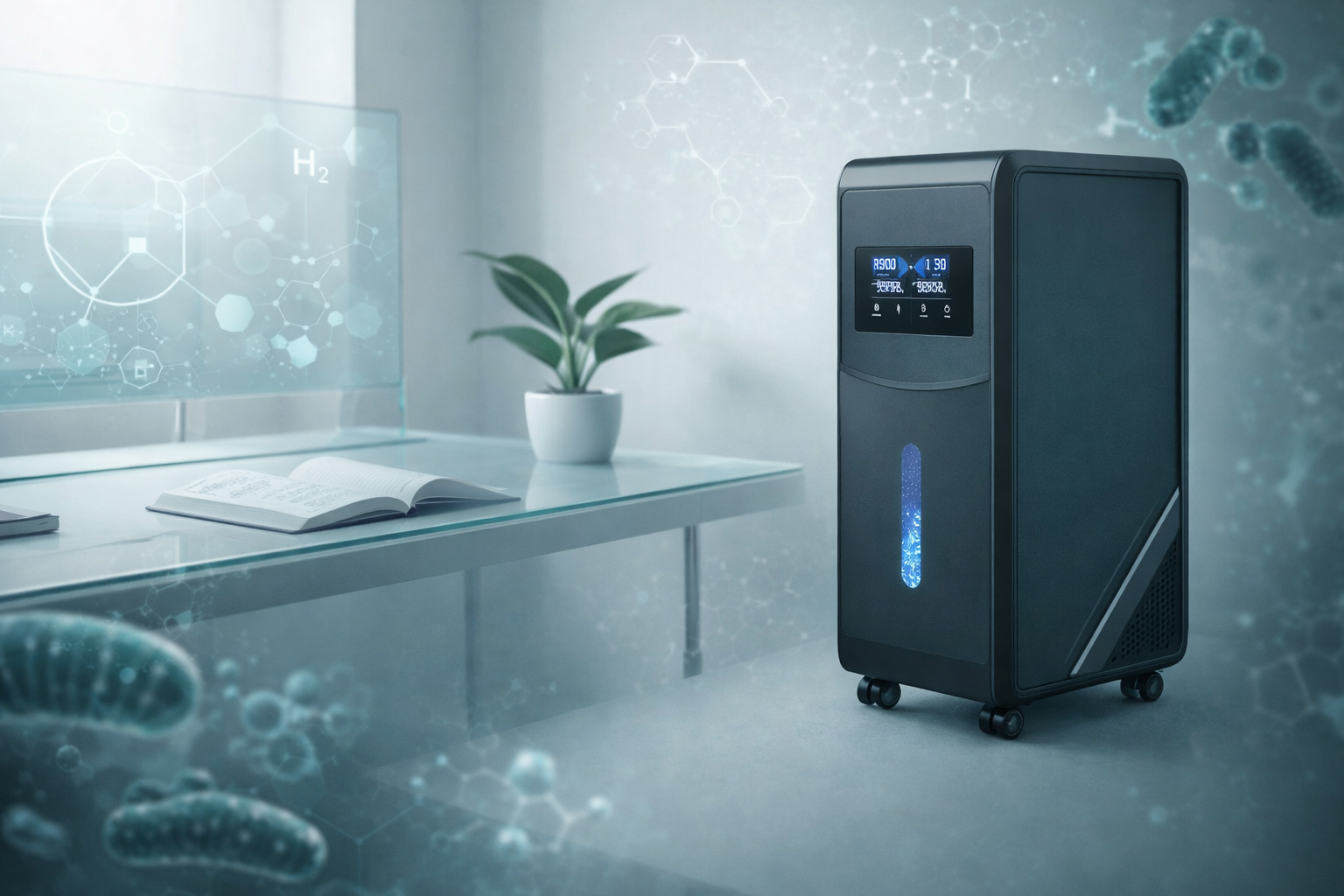
The Functional Medicine Revolution Is Looking to Molecular Hydrogen
Functional medicine practitioners are increasingly integrating molecular hydrogen therapy into their clinical protocols—not as a replacement for foundational interventions, but as a precision tool for cellular optimization. Unlike broad-spectrum antioxidants that can interfere with beneficial oxidative signaling, molecular hydrogen (H₂) operates with remarkable selectivity, targeting only the most damaging reactive species while preserving the delicate balance of redox homeostasis. This nuanced mechanism, combined with emerging clinical evidence and patient-reported improvements in energy, recovery, and overall vitality, explains why functional medicine hydrogen is rapidly becoming a cornerstone of integrative wellness strategies.
The Biochemical Case: Selective Antioxidant Action
At the heart of hydrogen’s therapeutic potential lies its unique biochemical behavior. Most antioxidants—vitamin C, glutathione, polyphenols—scavenge reactive oxygen species indiscriminately. While this sounds beneficial, it presents a problem: not all reactive oxygen species (ROS) are harmful. Hydrogen peroxide (H₂O₂), for instance, serves critical roles in immune signaling, cellular differentiation, and adaptive stress responses. Blanket antioxidant supplementation can inadvertently suppress these essential processes, potentially blunting the very adaptations that support long-term resilience.
Molecular hydrogen takes a different approach. Research demonstrates that H₂ selectively neutralizes the hydroxyl radical (•OH) and peroxynitrite (ONOO⁻)—two of the most cytotoxic reactive species known to biological systems. The hydroxyl radical, generated through Fenton reactions and ionizing radiation, reacts indiscriminately with DNA, lipids, and proteins, causing irreversible oxidative damage. Peroxynitrite, formed when superoxide combines with nitric oxide, disrupts mitochondrial function and triggers inflammatory cascades. By selectively targeting these harmful species while leaving signaling molecules like H₂O₂ and superoxide intact, hydrogen supports cellular health without compromising the beneficial aspects of oxidative signaling.
This selectivity is not merely theoretical. Studies using electron paramagnetic resonance spectroscopy and fluorescent probes have confirmed that H₂ preferentially reacts with •OH and ONOO⁻ in physiological systems. The result is a form of antioxidant support that respects—rather than disrupts—the cell’s carefully calibrated redox environment.
Why Functional Medicine Practitioners Are Paying Attention
Functional medicine operates on several core principles: addressing root causes, supporting mitochondrial function, reducing systemic inflammation, and optimizing cellular resilience. Molecular hydrogen aligns seamlessly with each of these objectives.
Mitochondrial Optimization
Mitochondria are both producers and targets of reactive oxygen species. Under conditions of metabolic stress—chronic illness, poor dietary patterns, inadequate sleep—mitochondrial ROS production escalates, overwhelming endogenous antioxidant systems and impairing ATP synthesis. Because hydrogen’s small molecular size and neutral charge allow it to diffuse freely across membranes, including the mitochondrial membrane, it reaches the site of oxidative damage directly. Research in cellular models shows that hydrogen exposure can preserve mitochondrial membrane potential, support electron transport chain efficiency, and maintain ATP output even under oxidative stress.
Systemic Inflammation Modulation
Chronic low-grade inflammation—often termed “inflammaging”—underpins numerous functional medicine concerns, from metabolic dysfunction to accelerated aging. Hydrogen has been shown in preclinical and clinical studies to modulate inflammatory signaling pathways, including NF-κB, a master regulator of inflammatory gene expression. By reducing peroxynitrite and hydroxyl radical formation, hydrogen may help dampen the oxidative triggers that perpetuate inflammatory cascades, supporting a more balanced immune response.
Neurological and Cognitive Wellness
The brain, with its high metabolic rate and lipid-rich tissues, is particularly vulnerable to oxidative damage. Hydrogen readily crosses the blood-brain barrier, offering direct neuroprotective potential. While research is still emerging, studies have explored hydrogen’s effects on oxidative stress markers in the central nervous system, with implications for cognitive resilience, mood regulation, and overall neurological wellness—all areas of keen interest in functional medicine practice.
Athletic Recovery and Metabolic Flexibility
Many functional medicine clients are highly active individuals seeking to optimize performance and recovery. Exercise-induced oxidative stress, while partly adaptive, can become excessive with high training volumes or inadequate recovery. Hydrogen inhalation has been studied in athletes for its potential to mitigate exercise-induced oxidative damage, support lactate clearance, and enhance perceived recovery—without interfering with the hormetic benefits of training stress.
Inhalation: The Superior Delivery Method for Systemic Saturation
While hydrogen-enriched water has garnered attention in wellness circles, it presents significant limitations. Hydrogen is poorly soluble in water, and even optimally saturated water contains only modest amounts of H₂. Gastric absorption is variable, and much of the dissolved hydrogen is lost through eructation (belching) before entering systemic circulation. Achieving meaningful tissue saturation—particularly in the brain, liver, and other deep organs—requires consistent, elevated blood H₂ concentrations that water ingestion alone cannot reliably deliver.
Inhalation, by contrast, provides rapid and efficient systemic delivery. When inhaled, molecular hydrogen is absorbed directly into the bloodstream via the alveolar-capillary interface, bypassing the digestive system entirely. Within minutes, hydrogen reaches peak plasma concentrations and diffuses into tissues throughout the body. This method allows for sustained, therapeutic-level exposure during passive activities—reading, working, meditating, or sleeping—making it practical for both clinical and home use.
To achieve these benefits, however, output matters. Low-flow hydrogen-air mixtures (often 1–4% hydrogen diluted in air) may fall short of the concentrations studied in clinical research. Professional-grade hydrogen generators capable of high-purity, high-flow output are essential for practitioners seeking reproducible, evidence-aligned outcomes.
Clinical Integration: Practical Considerations for Practitioners
Functional medicine hydrogen protocols typically involve daily inhalation sessions ranging from 30 to 90 minutes, depending on individual goals and clinical context. Practitioners often recommend morning sessions to support mitochondrial function and daytime energy, or evening sessions to promote parasympathetic recovery and sleep quality. Because hydrogen is non-toxic and does not accumulate in tissues, there is no risk of overdose or adverse buildup, and it can be safely integrated alongside other therapies.
Key clinical benefits reported by practitioners include:
- Enhanced Recovery: Patients report faster recovery from physical exertion, illness, or stressful life events.
- Improved Energy and Vitality: Mitochondrial support translates to more consistent daily energy without stimulant dependence.
- Better Stress Resilience: Reduced oxidative burden appears to support the body’s ability to adapt to physical and emotional stressors.
- Cognitive Clarity: Anecdotal reports and early research suggest benefits for focus, mental endurance, and mood stability.
- Systemic Inflammation Balance: Markers of systemic oxidative stress and inflammation may trend favorably with consistent use.
Importantly, hydrogen therapy is not positioned as a standalone intervention. Functional medicine practitioners emphasize it as part of a comprehensive strategy that includes nutrition, sleep optimization, stress management, movement, and targeted supplementation. Hydrogen serves as a cellular support tool that amplifies—and is amplified by—these foundational pillars.
Bring This Technology Home
For practitioners and individuals seeking professional-grade molecular hydrogen technology, Revive Hydrogen offers a solution designed for serious clinical and home use. The Intelligent High-Flow Hydrogen Generator delivers 99.992% pure molecular hydrogen via PEM (Proton Exchange Membrane) electrolysis, independently verified by accredited third-party laboratory analysis. Available in three output configurations—HYD-1500, HYD-1800, and HYD-3000—the system provides scalable flow rates to meet individual or dual-user needs, with the HYD-3000 delivering up to 2000 ml/min of pure hydrogen. Built with platinum-coated titanium electrodes, a DuPont N117 membrane, and UV-C water disinfection, the system is manufactured to CE, RoHS, and ISO 9001 quality standards and backed by a comprehensive 3-year limited warranty. Explore the research, specifications, and clinical applications at the Revive Hydrogen Science Hub.
